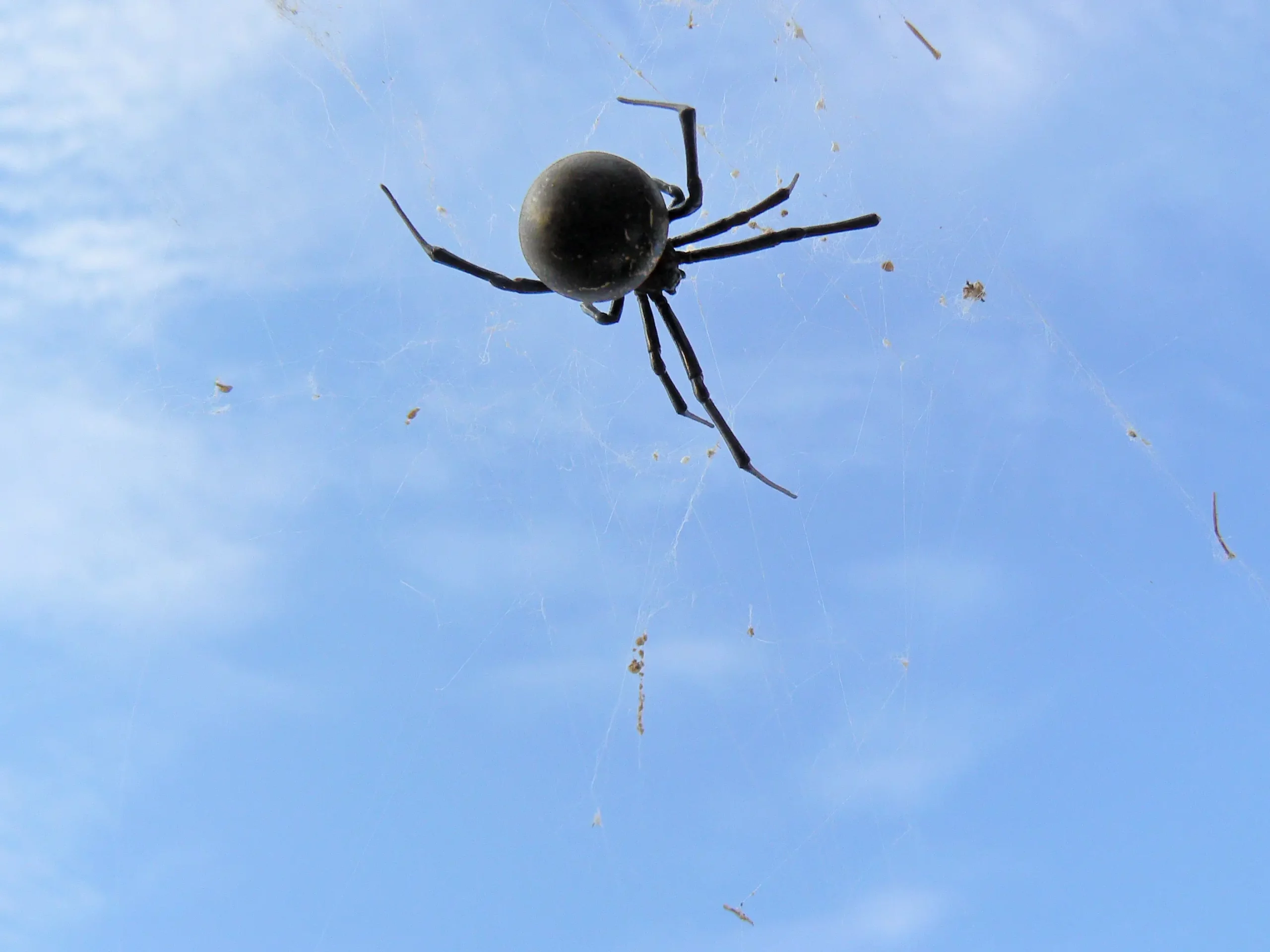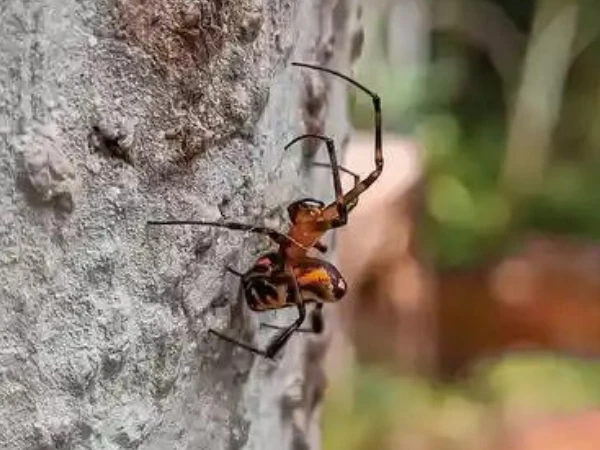


Queensland has a wide variety of spiders in its various environments. Most areas with greenery and shrubbery include about 700 spider species. Though several of them contain venom deadly enough to incapacitate a man, like the redback spider, they are generally not aggressive creatures. The activity of most spiders peaks during the summer.
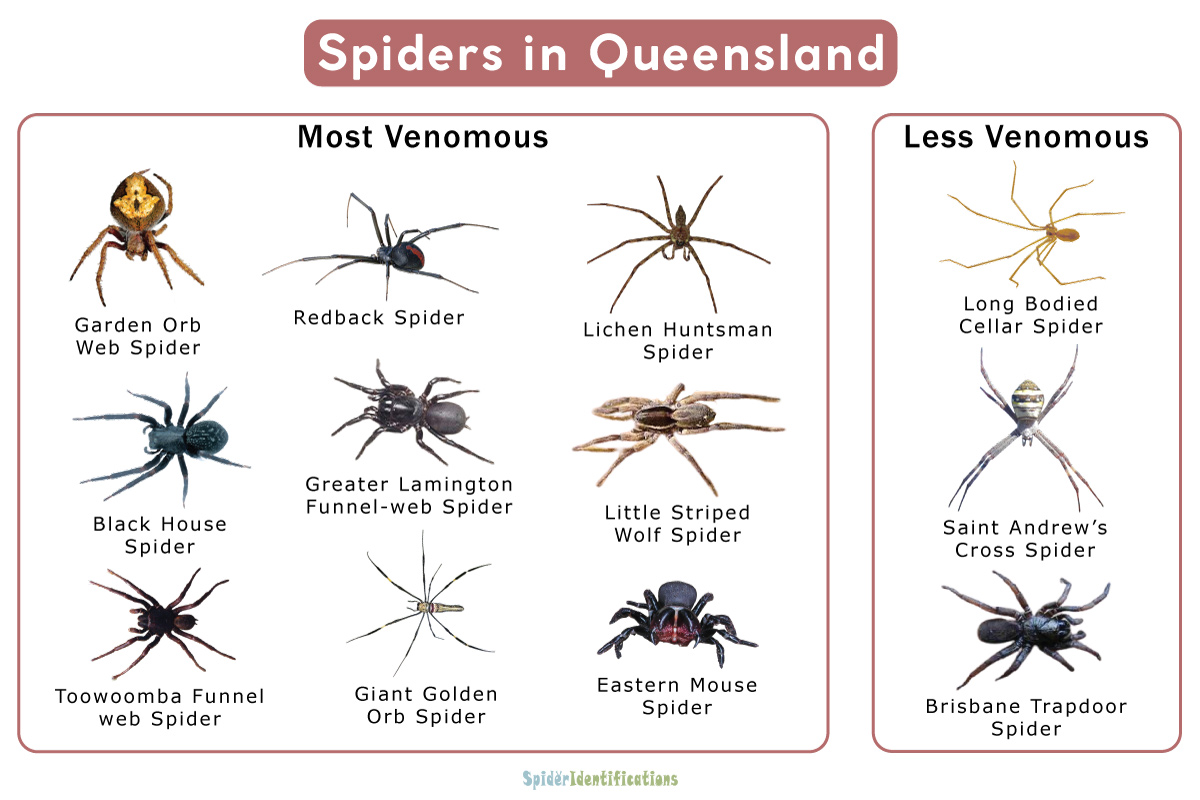
Spiders in Queensland Identification Chart
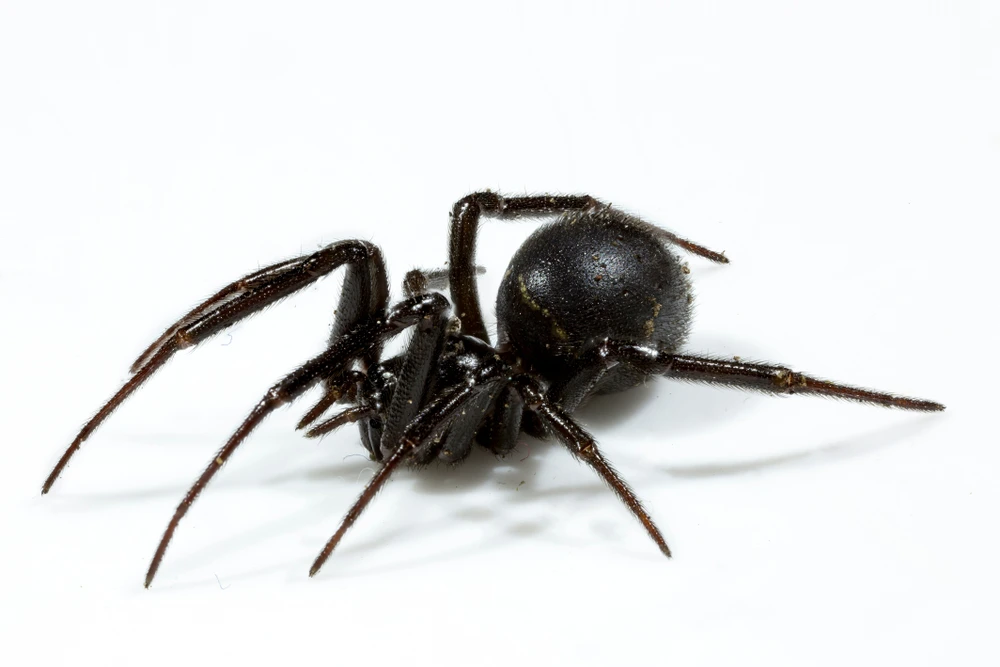
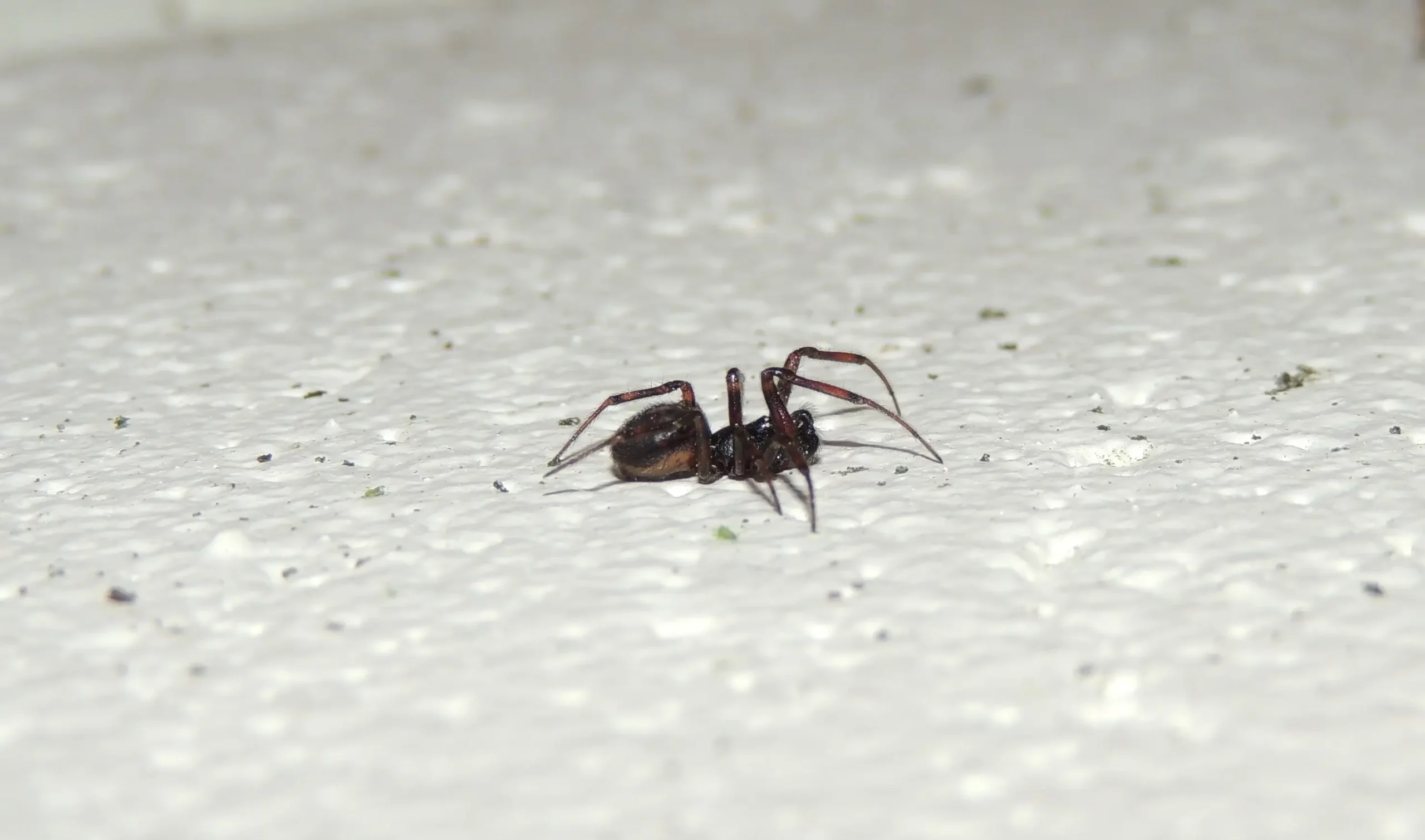
| Black House Spider | Long Bodied Cellar Spider | — |
| Coastal Whistling Spider | — | — |
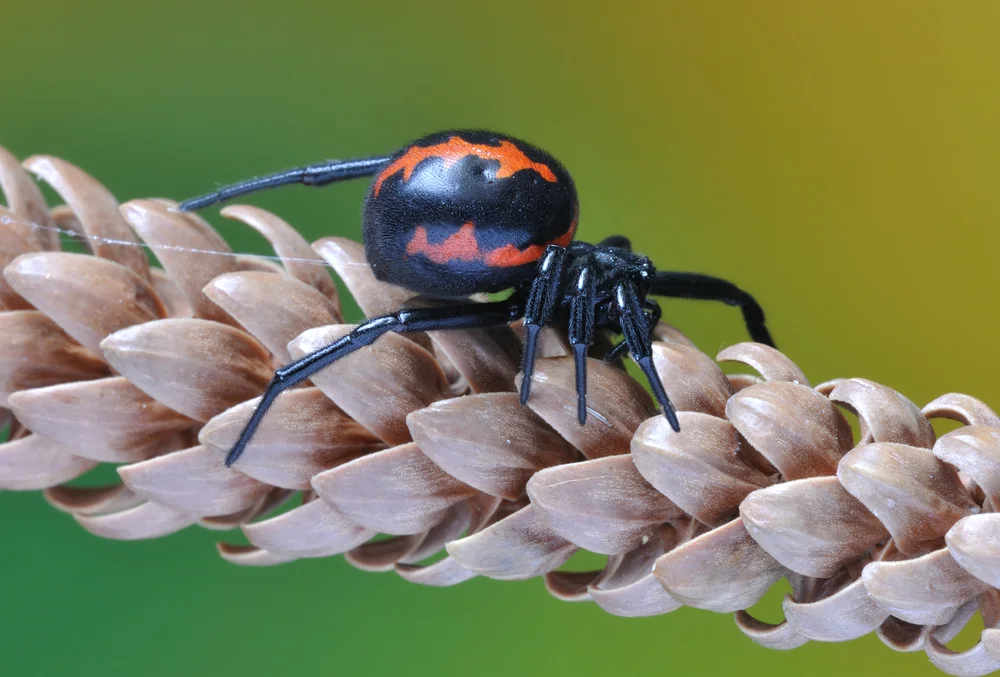
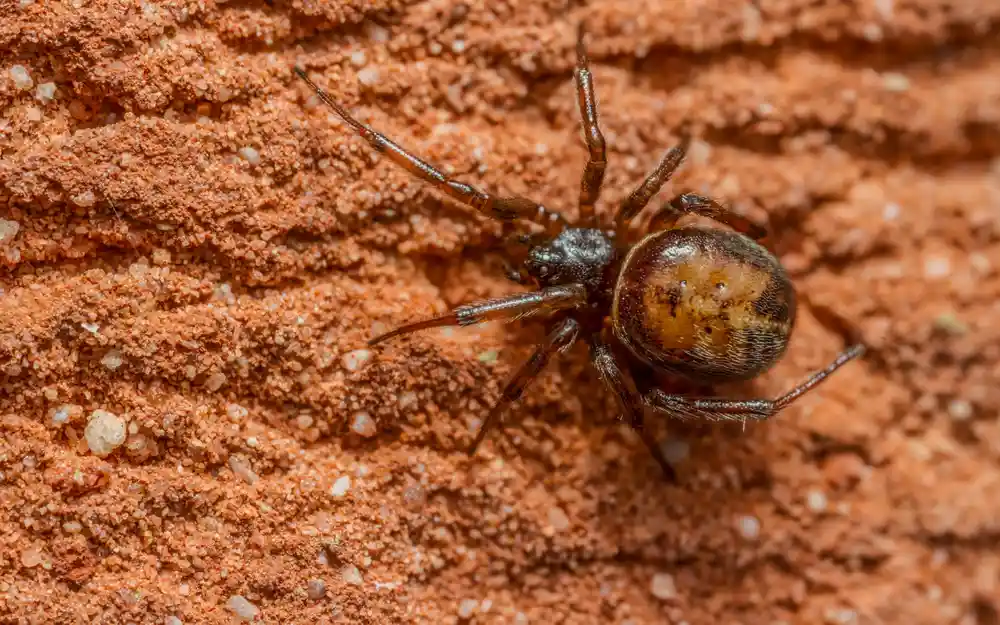
| Redback Spider | White-tailed Spider | Garden Orb Web Spider |
 Garden Orb Weaver Spider (Eriophora pustulosa) - The Garden Orb Weaver Spider is a fascinating creature found mainly in Australasia. These spiders belong to the orb weaver family, and they have some cool traits.… Continue Reading >
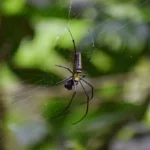 Giant Wood Spider (Nephila pilipes) - Meet the Nephila Pilipes! This golden orb-weaver spider calls many places home, from Asian countries like China and India to faraway Australia. It's one of the biggest orb-weaving spiders out there.… Continue Reading >
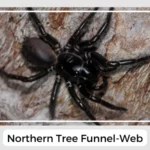 Northern Tree Funnel-web (Hadronyche formidabilis) - The Northern Tree Funnel-web spider is native to Australia and is part of the mygalomorph spider group. Known for its high venom level, it's considered one of the world's deadliest spiders.… Continue Reading >
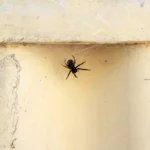 Black House (Badumna insignis) - The Black House Spider, sometimes called the common black spider, calls Australia home. But, you can also spot them in Japan and New Zealand. They have a dark, strong look but are quite shy.… Continue Reading >
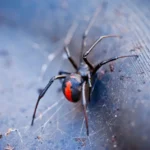 Redback Spider (Latrodectus hasseltii) - The Redback spider, often called the Australian black widow, comes from places in Australia. Nowadays, you can find it all over Australia and even in New Zealand.… Continue Reading >
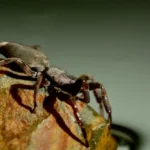 White-tailed (Lampona cylindrata & Lampona murina) - Discover the intriguing world of the white-tailed spider, known scientifically as Lampona murina and Lampona cylindrata. Both these spiders hail from the Lampona genus, which means ‘to shine’.… Continue Reading >
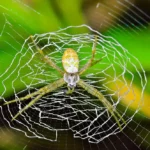 St. Andrews Cross (Argiope keyserlingi) - Did you know there's a spider named after a cross pattern? It's called the St. Andrews Cross spider. This spider lives in Australia and makes a web that looks like a special cross.… Continue Reading >
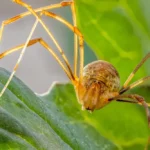 Long Bodied Cellar (Pholcus phalangioides) - The long-bodied cellar spiders are quite interesting! Often seen in America's dark and damp spots, they have really long legs. This is why some folks call them daddy-long-legs.… Continue Reading >
© 2024 (Spider Identifications). All rights reserved. Reproduction in whole or in part without permission is prohibited.
Follow us on: