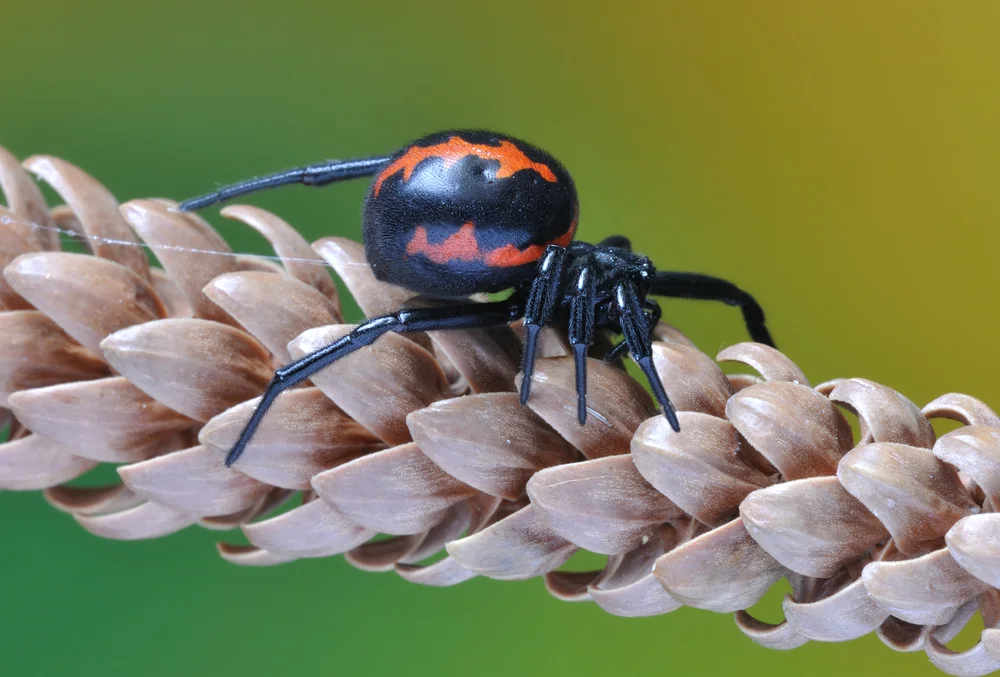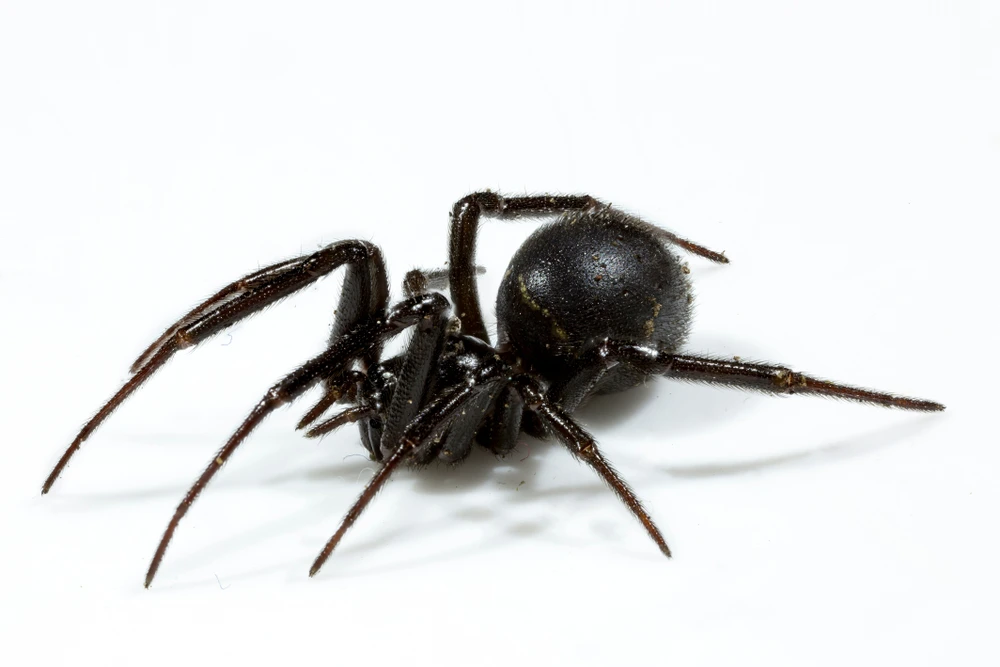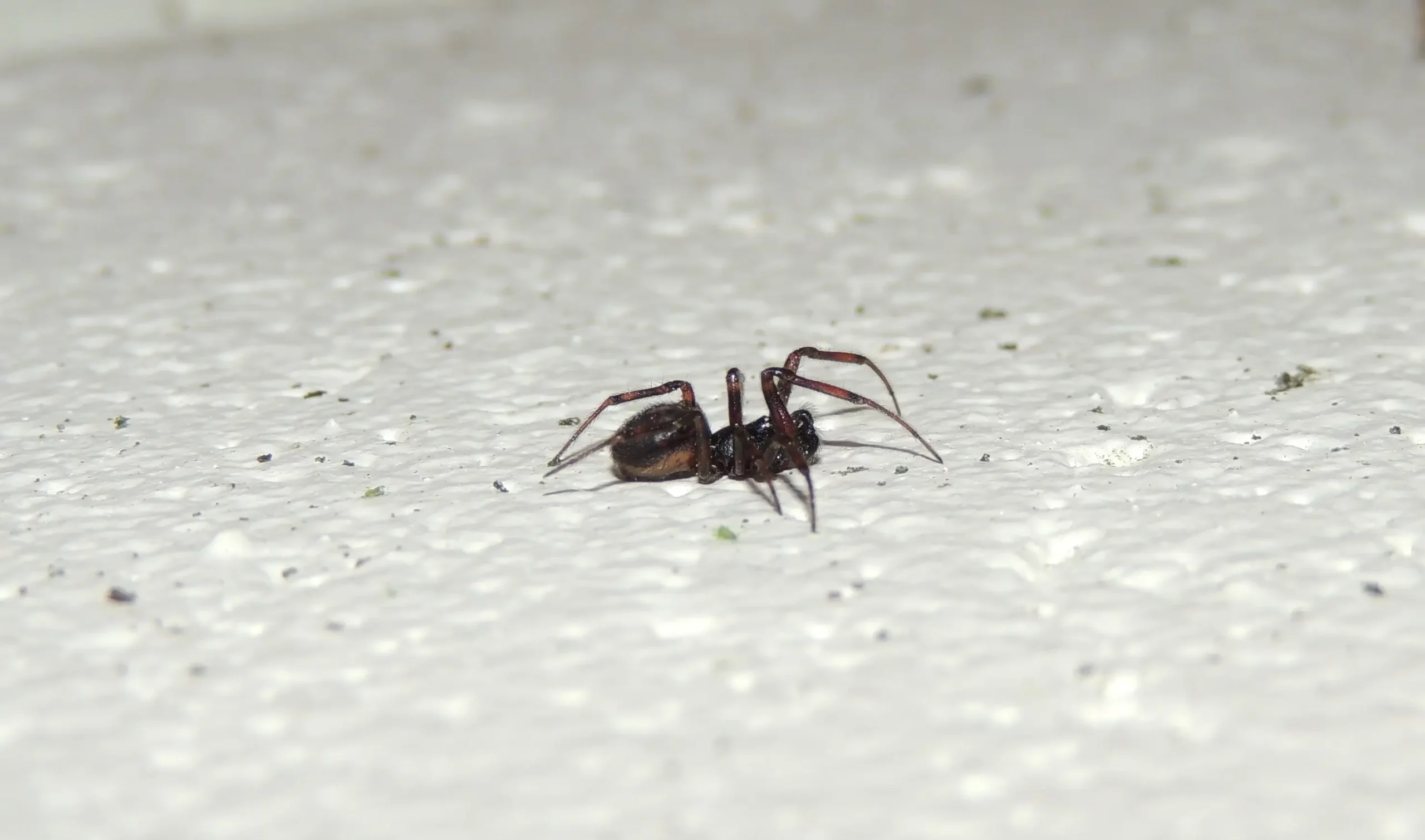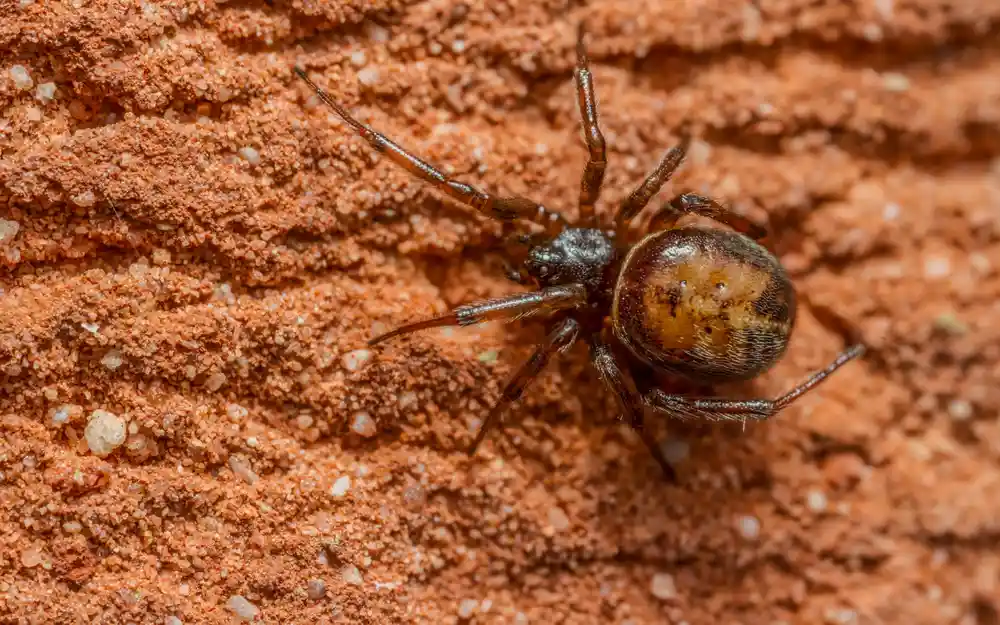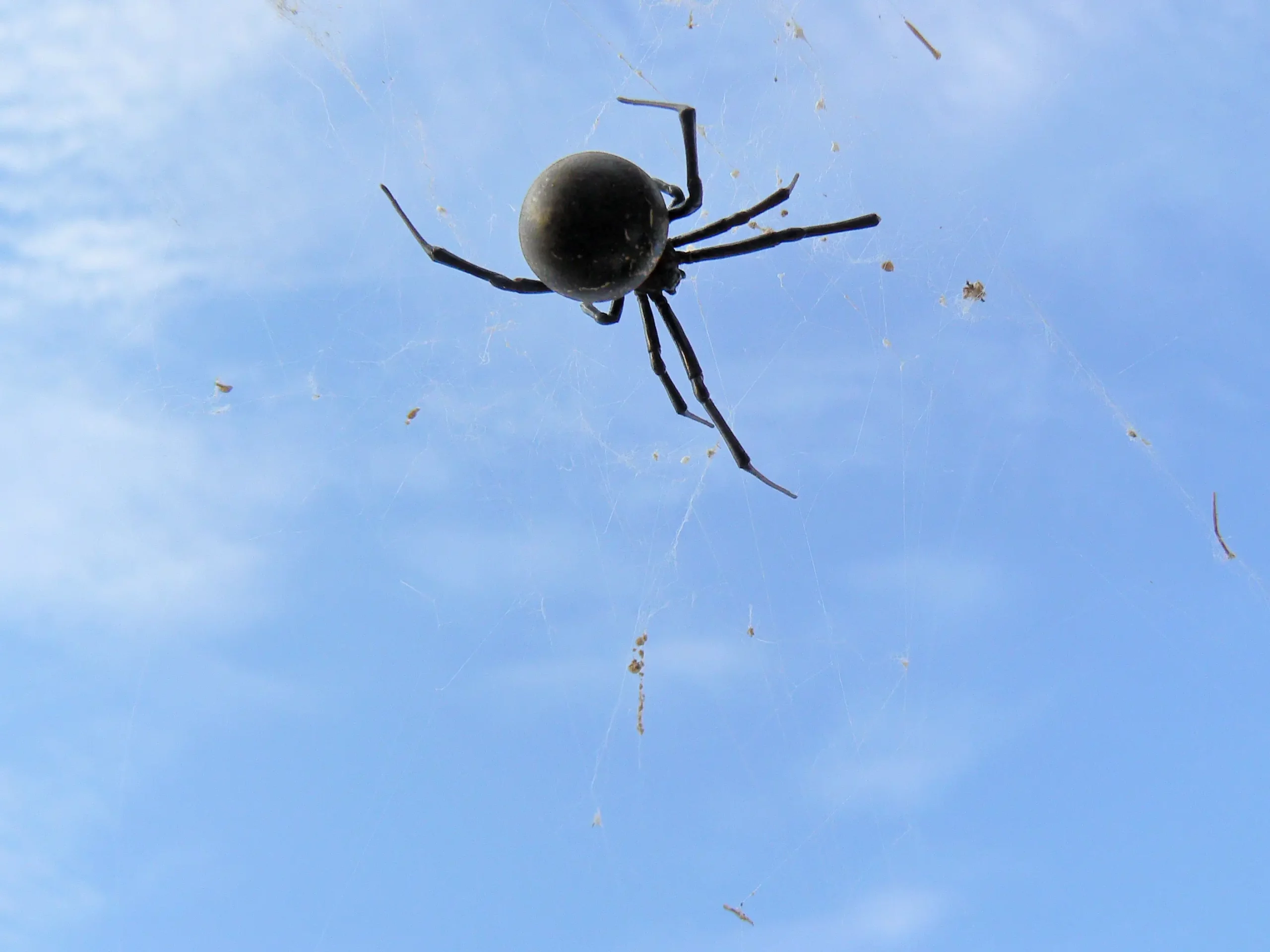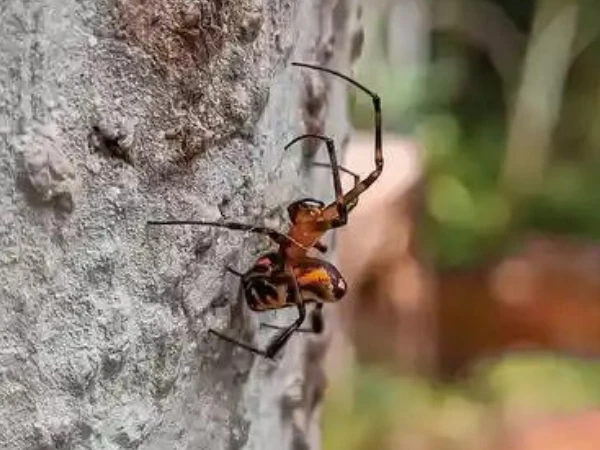


Out of the approximately 650 spider species found in the UK, nearly half are from London. None are too dangerous, regardless of their reputation. Though people are bitten at times, British spiders are not normally strong enough to deliver a proper bite. Their venom is also weaker than most biting insects.
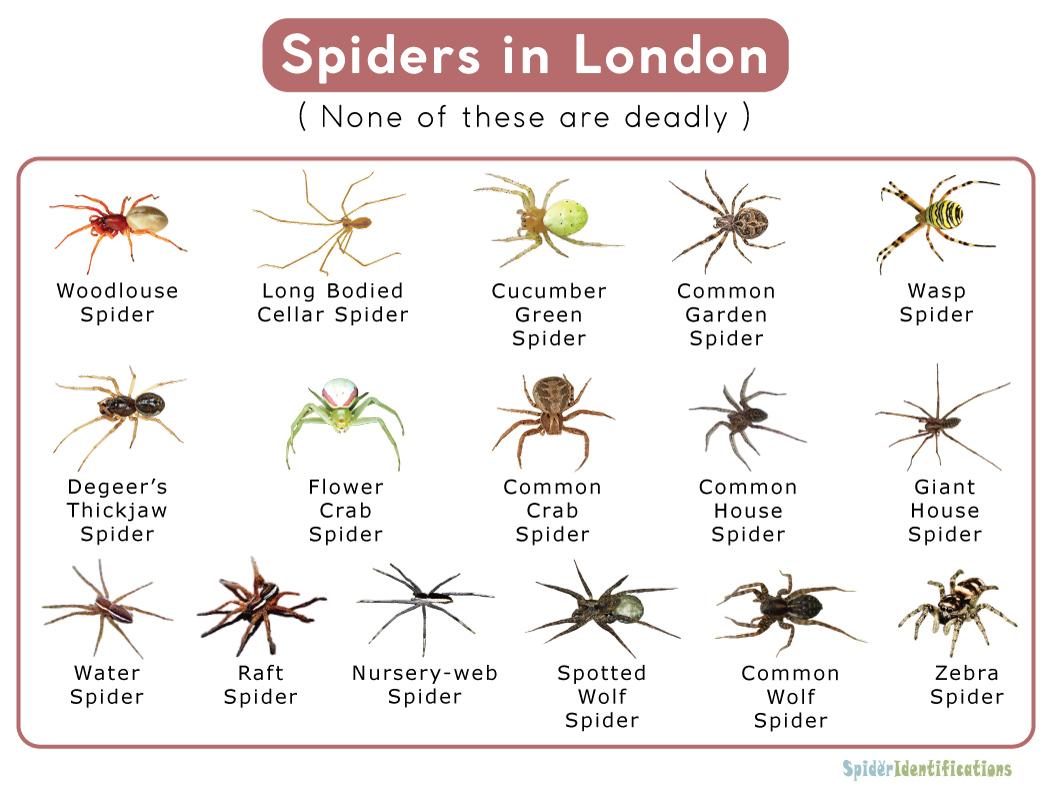
Spiders in London Identification Chart
| Common Garden Spider | Long Bodied Cellar Spider | Common Wolf Spider |
| Giant House Spider | Long Bodied Cellar Spider | — |
While the venom of any of these spiders is not considered deadly to humans, the woodlouse spider can deliver a powerful bite that stings.
 Woodlouse (Dysdera crocata) - Guess what? There's a spider called the woodlouse spider because it loves eating woodlice! It comes from places near the Mediterranean Sea.… Continue Reading >
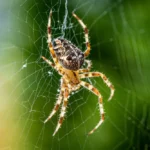 Cross Orb Weaver (Araneus diadematus) - Did you know the Cross Orb Weaver spider comes from Europe and North America? Their legs are super cool because they can spin special round webs.… Continue Reading >
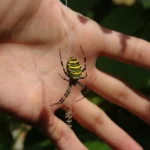 Wasp (Argiope Bruennichi) - The wasp spider is a unique member of the orb-weaver family. Originally from northern and Central Europe, you can also find them in parts of Asia and North Africa.… Continue Reading >
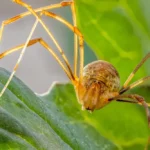 Long Bodied Cellar (Pholcus phalangioides) - The long-bodied cellar spiders are quite interesting! Often seen in America's dark and damp spots, they have really long legs. This is why some folks call them daddy-long-legs.… Continue Reading >
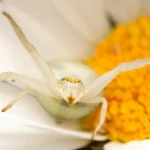 Goldenrod Crab (Misumena vatia) - Goldenrod Crab Spiders are super cool! They can change colors and hang out on flowers, waiting for their food. Instead of making big webs, they use silk for catching food or keeping their eggs safe.… Continue Reading >
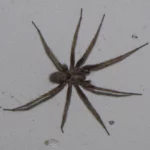 Barn Funnel Weaver (Tegenaria domestica) - Discover the Barn Funnel Weaving Spider, a spider known by various names worldwide, like the Domestic House Spider in Europe and the Common House Spider in the Pacific Northwest.… Continue Reading >
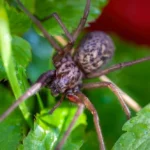 Giant House (Eratigena atrica) - Discover fascinating details about the Giant house spiders! Part of the Eratigena genus, these spiders may have a large appearance, but they're actually quite harmless.… Continue Reading >
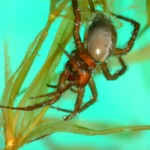 Diving Bell (Argyroneta aquatica) - The Diving Bell Spider is super unique! Imagine a spider that spends most of its life underwater, whether it's resting, hunting, or even laying eggs. The only time it comes up is to get some fresh air.… Continue Reading >
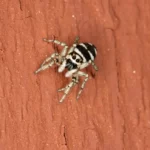 Zebra (Salticus scenicus) - Discover the fascinating world of the Zebra Spider, a creature from the northern hemisphere with stripes like a zebra. These lively spiders don't spin webs to catch their dinner.… Continue Reading >
© 2024 (Spider Identifications). All rights reserved. Reproduction in whole or in part without permission is prohibited.
Follow us on: