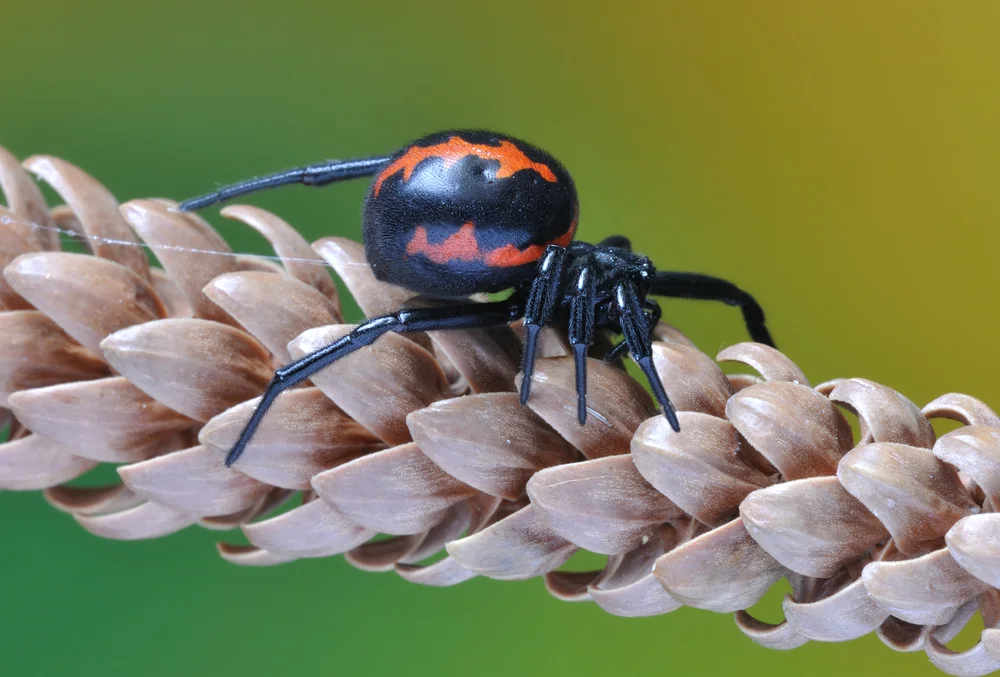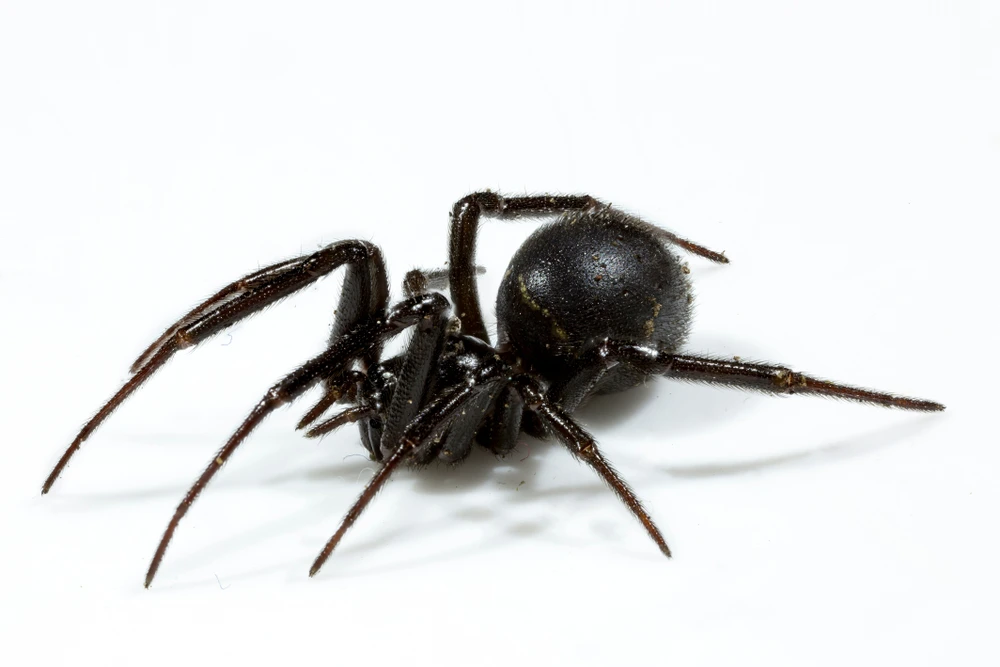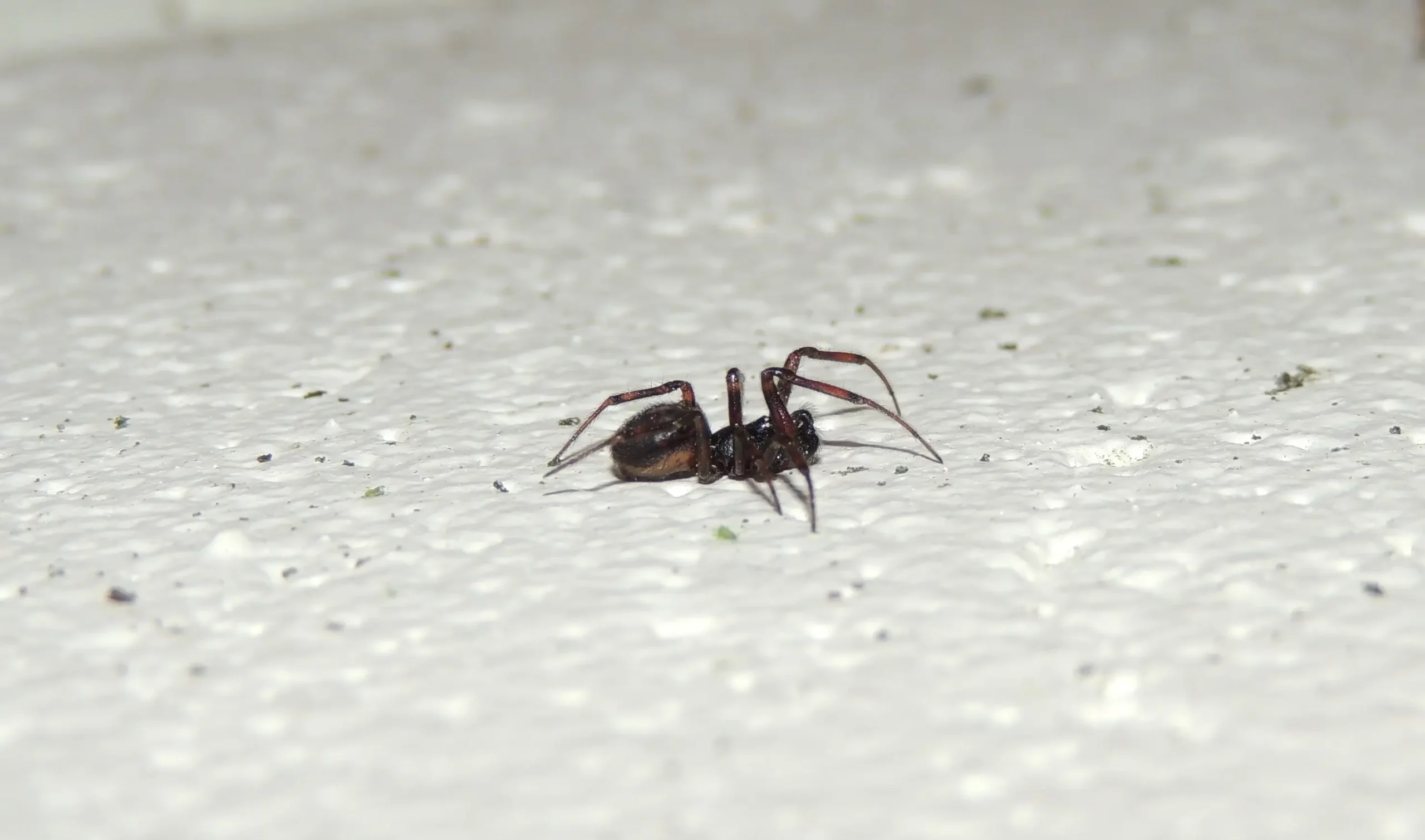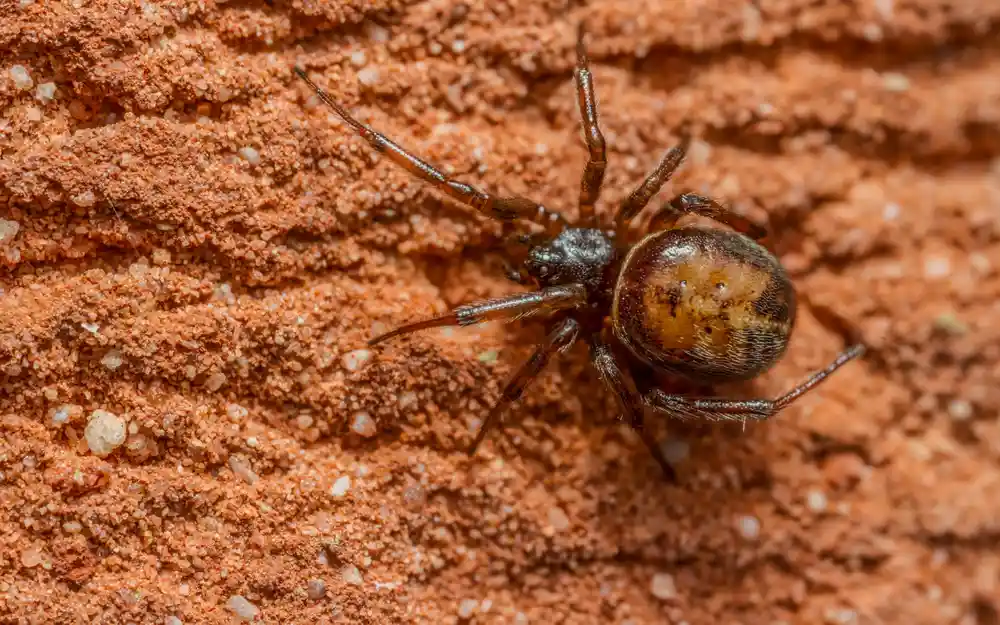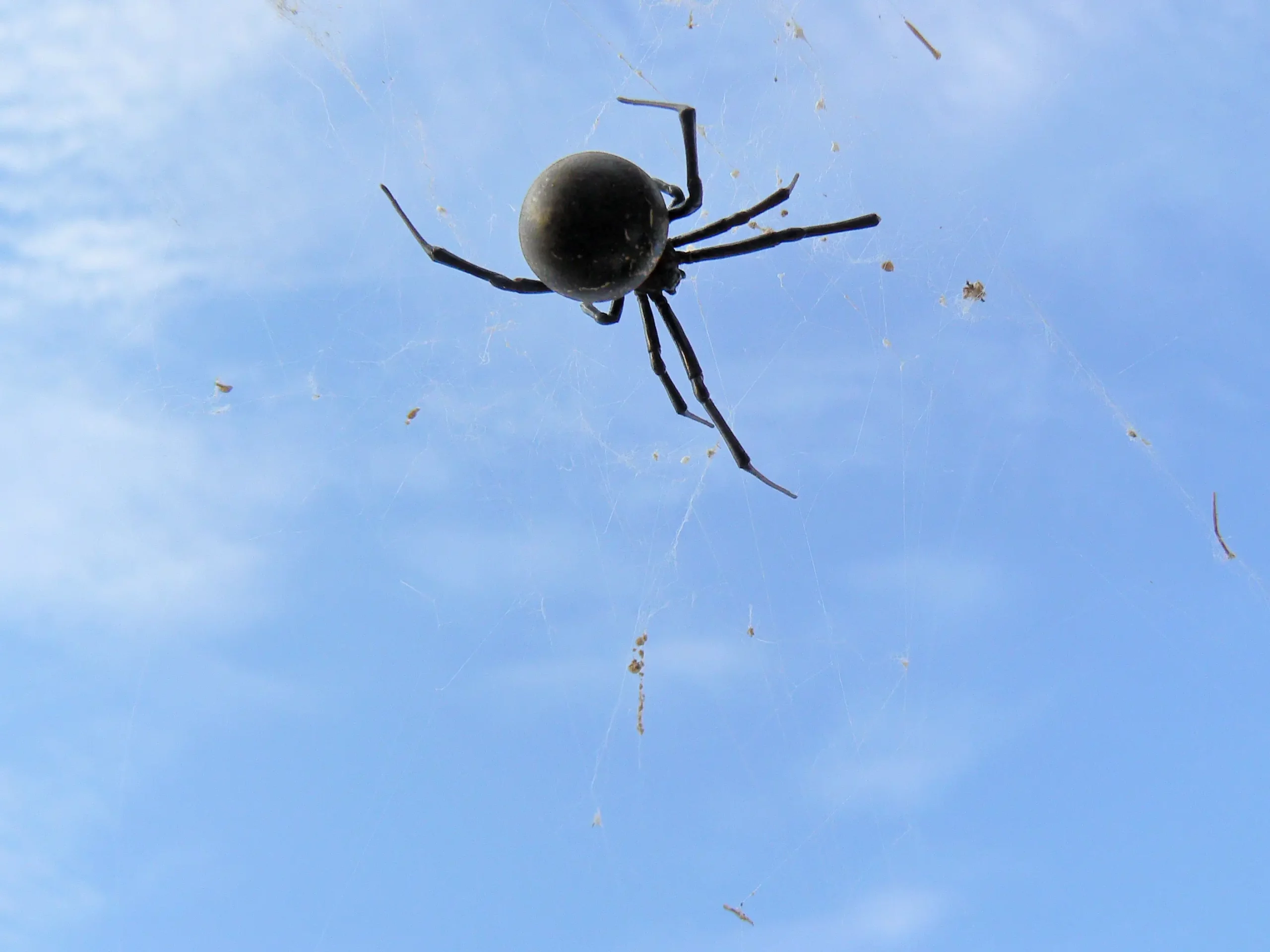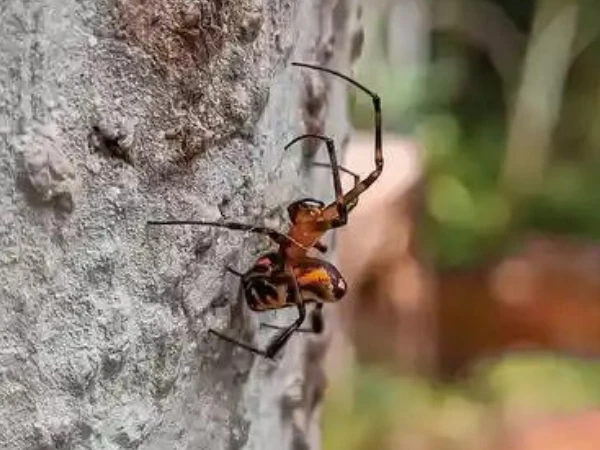


There are several species of spiders in Scotland, told apart with the help of a microscope due to negligible differences in appearance. The common ones include the large house Spider, the long bodied cellar spider, and the pink prowler spider. The false widow spider has also been seen in Scotland in recent times. While they are venomous, most of them are not considered dangerous and only bite when threatened. They begin to emerge in autumn during the first weeks of September to mate and go back into hiding by October. However, though less visible, they remain active.

Spiders in Scotland Identification Chart
| Long Bodied Cellar Spider | Garden Cross Spider | Large House Spider |
| Large House Spider | — | — |
 False Widow (Steatoda nobilis) - Ever heard of the False Widow spider? It's a dark-colored spider that looks a lot like the famous black widow spider. But guess what? They're actually pretty shy!… Continue Reading >
 Woodlouse (Dysdera crocata) - Guess what? There's a spider called the woodlouse spider because it loves eating woodlice! It comes from places near the Mediterranean Sea.… Continue Reading >
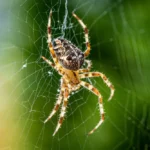 Cross Orb Weaver (Araneus diadematus) - Did you know the Cross Orb Weaver spider comes from Europe and North America? Their legs are super cool because they can spin special round webs.… Continue Reading >
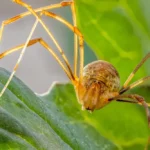 Long Bodied Cellar (Pholcus phalangioides) - The long-bodied cellar spiders are quite interesting! Often seen in America's dark and damp spots, they have really long legs. This is why some folks call them daddy-long-legs.… Continue Reading >
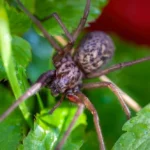 Giant House (Eratigena atrica) - Discover fascinating details about the Giant house spiders! Part of the Eratigena genus, these spiders may have a large appearance, but they're actually quite harmless.… Continue Reading >
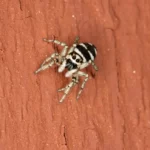 Zebra (Salticus scenicus) - Discover the fascinating world of the Zebra Spider, a creature from the northern hemisphere with stripes like a zebra. These lively spiders don't spin webs to catch their dinner.… Continue Reading >
© 2024 (Spider Identifications). All rights reserved. Reproduction in whole or in part without permission is prohibited.
Follow us on: