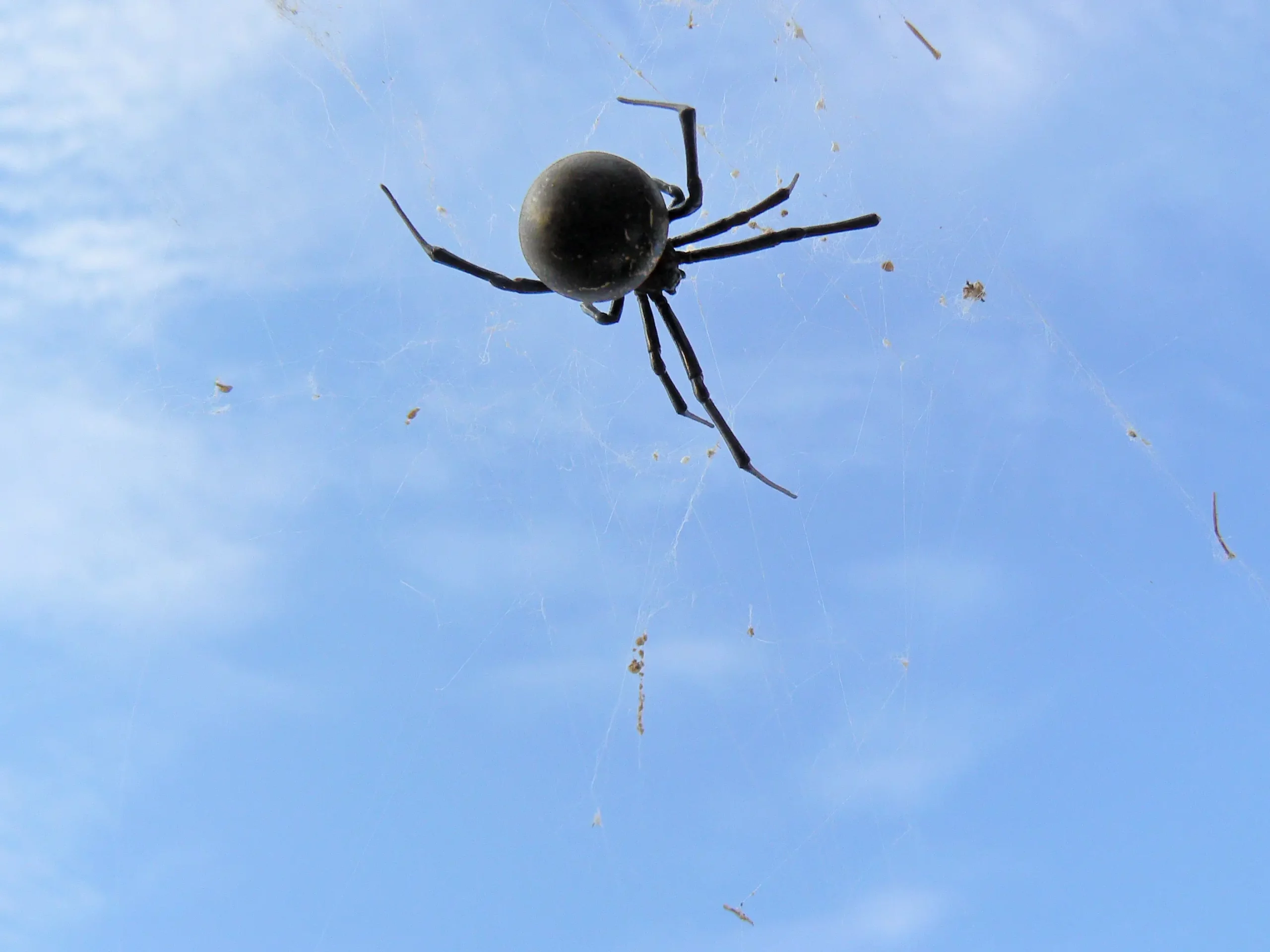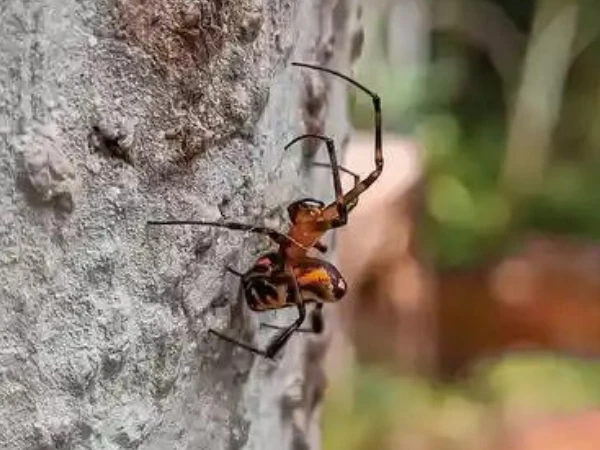


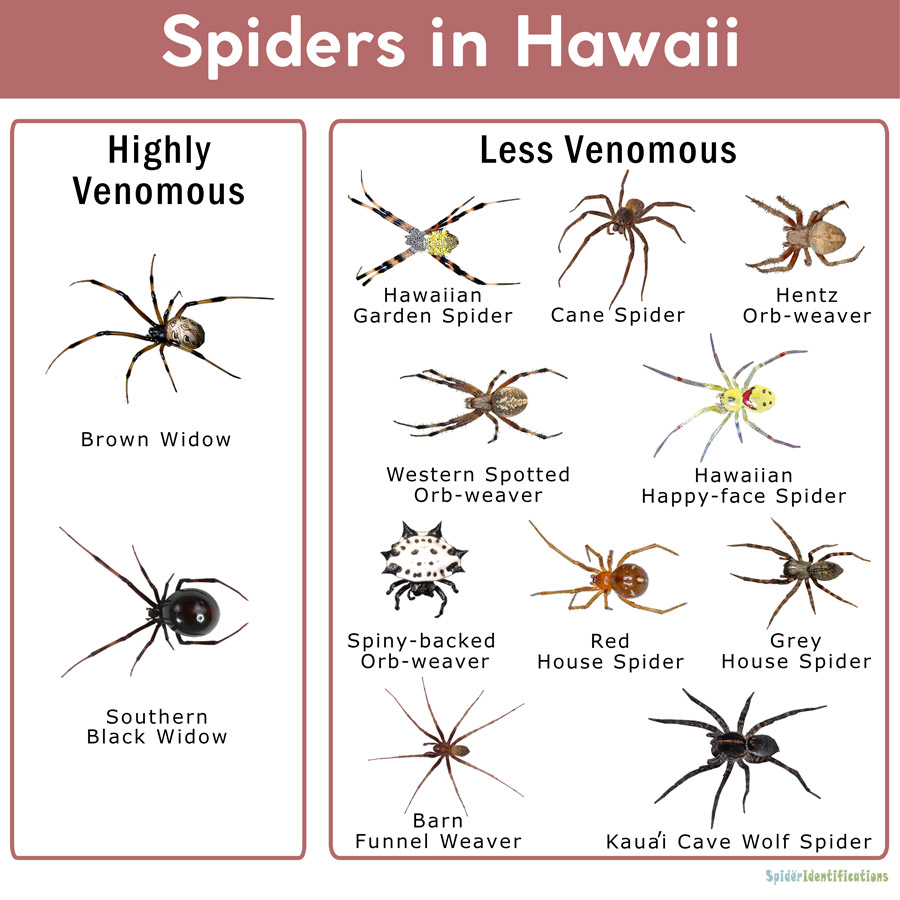
The Hawaiian Islands have a host of unique spider species, frequenting in and around the rainforests as well as the mountain tops. The southern black widow and the brown widow spiders are the deadliest among all species. While most species thrive throughout the year, the spotted or Hentz orb-weaver is mostly found in October. There are a lot of unique facts about spiders in this region.
The cane spider, as the name suggests thrives in the cane fields. Two species of the crab spider family also dwells in the Hawaiian islands, differing from most others in terms of their techniques of making webs. The happy-face spider located in the rainforest region of the state in the islands Maui, Oahu, and Molokai is endangered.
| Hentz Orb-weaver (Neoscona crucifera) | Hawaiian Garden (Argiope appensa) | Cane (Heteropoda venatoria) |
| Giant Daddy-long-legs (Artema atlanta) | Kauaʻi cave wolf (Adelocosa anops) | — |
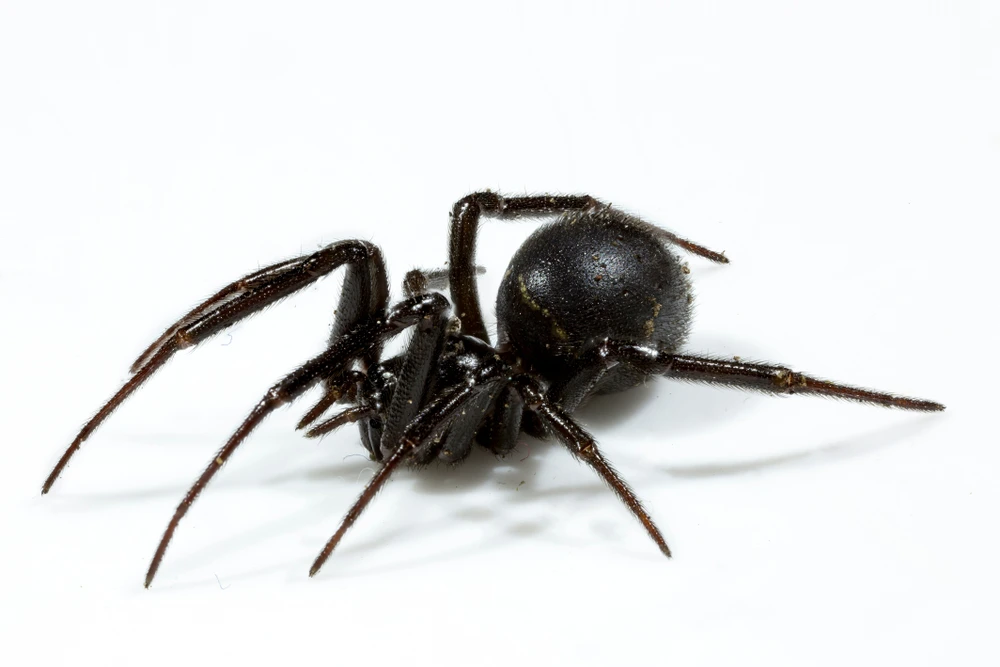
 Brown Widow (Latrodectus geometricus) - The Brown Widow Spider is a cool spider that belongs to the cobweb spiders family. Some people know more about its cousin, the Black Widow, but the Brown Widow has its own interesting story.… Continue Reading >
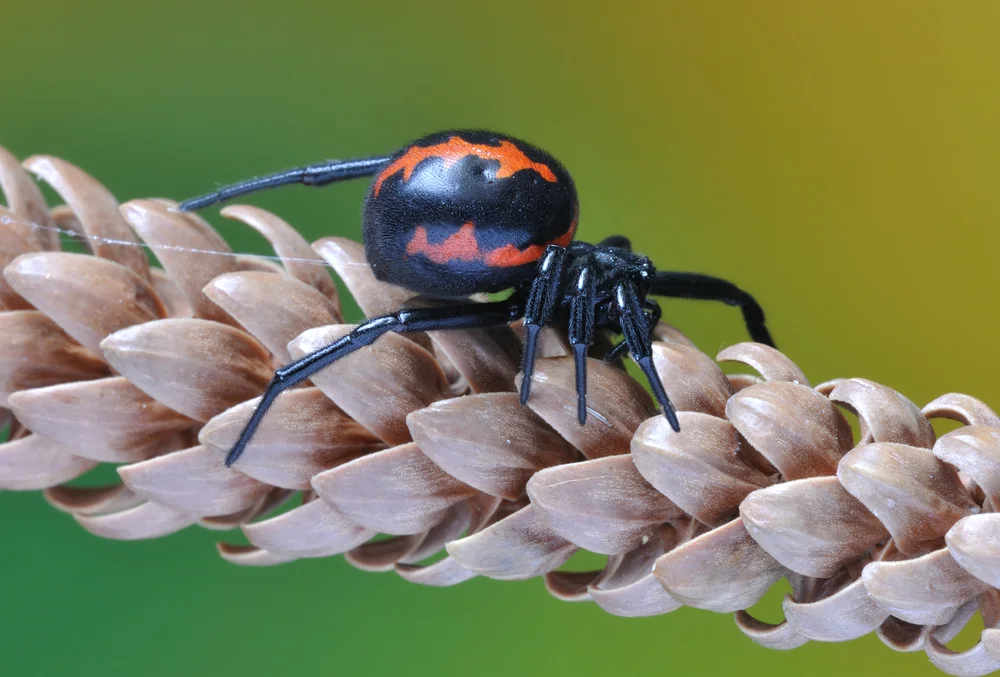
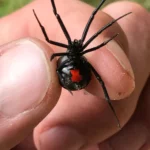 Southern Black Widow (Latrodectus mactans) - Did you know there's a spider called the southern black widow? It's mostly found in North America. It has family members like the western black widow and northern black widow, and they look a bit alike.… Continue Reading >
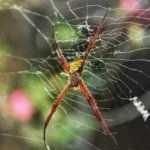 Hawaiian Garden (Argiope appensa) - The Hawaiian garden spider comes from places like Taiwan, Hawaii, Indonesia, and New Guinea. They're part of the orb-weaver spider family, known for their beautiful webs.… Continue Reading >
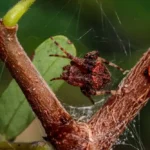 Spotted Orb Weaver (Neoscona crucifera) - The spotted orb weaver is a tiny spider that lives in places like Florida, Maine, Arizona, and Minnesota. Part of the orb weavers family, they usually roam at night.… Continue Reading >
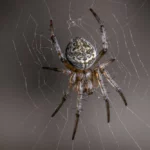 Western Spotted Orbweaver Spider (Neoscona oaxacensis) - Discover the world of the western spotted orb weaver spider! This fascinating creature belongs to the orb weaver spiders family and calls the Americas its home.… Continue Reading >
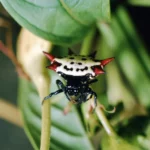 Spinybacked Orbweaver (Gasteracantha cancriformis) - Discover the spiny-backed orb-weaver, a fascinating spider from the orb-weaver family. Found mostly in the New World, these spiders are known for the unique, spine-like bumps on their back.… Continue Reading >
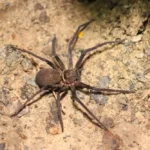 Cane (Heteropoda venatoria) - Picture a large spider called the Cane Spider. It lives in warm, tropical places and doesn't make webs. Instead, it hunts for food when the stars come out!… Continue Reading >
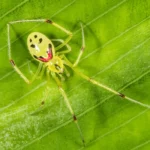 Happy Face (Theridion grallator) - The Happy Face spider has a special design that looks like a smiley face on its belly! It lives on a few islands in Hawaii, and each spider has its own unique pattern. Sometimes, these patterns even change from one island to another.… Continue Reading >
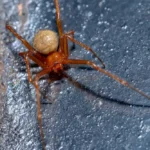 Red House (Nesticodes rufipes) - Have you ever spotted a red spider in your home? It might be the red house spider! They're often found chilling in cool spots or near doorframes.… Continue Reading >
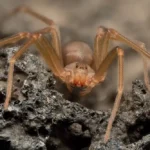 Mediterranean Recluse (Loxosceles rufescens) - Guess where the Mediterranean recluse spider comes from? That's right, the Mediterranean areas! Even though it started there, now you can find this spider all over the world.… Continue Reading >
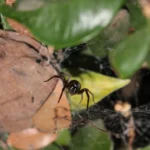 Grey House (Badumna longinqua) - The Grey house spider is a fascinating creature from the Desidae family, originally from eastern Australia. But guess what? These spiders have traveled far and wide!… Continue Reading >
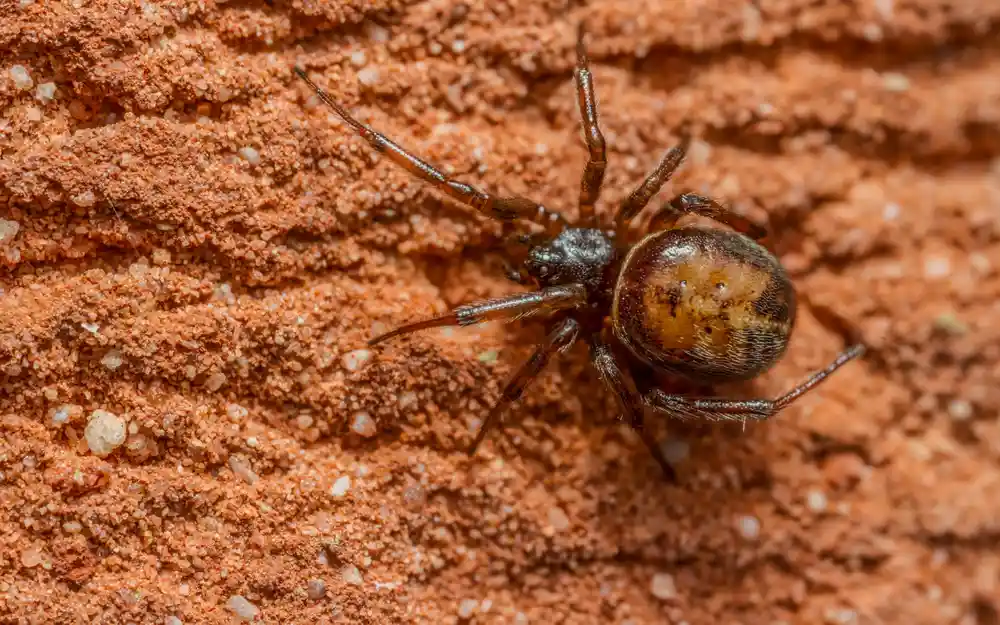
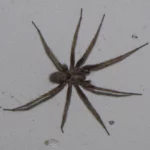 Barn Funnel Weaver (Tegenaria domestica) - Discover the Barn Funnel Weaving Spider, a spider known by various names worldwide, like the Domestic House Spider in Europe and the Common House Spider in the Pacific Northwest.… Continue Reading >
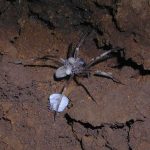 Kauaʻi Cave Wolf Spider (Adelocosa anops) - The Kaua'i cave wolf spider is a unique creature found in the Koloa Poipu region of Hawaii's Kauai island. Often called the "blind spider" by locals, this rare species has only six known populations today.… Continue Reading >
© 2024 (Spider Identifications). All rights reserved. Reproduction in whole or in part without permission is prohibited.
Follow us on: