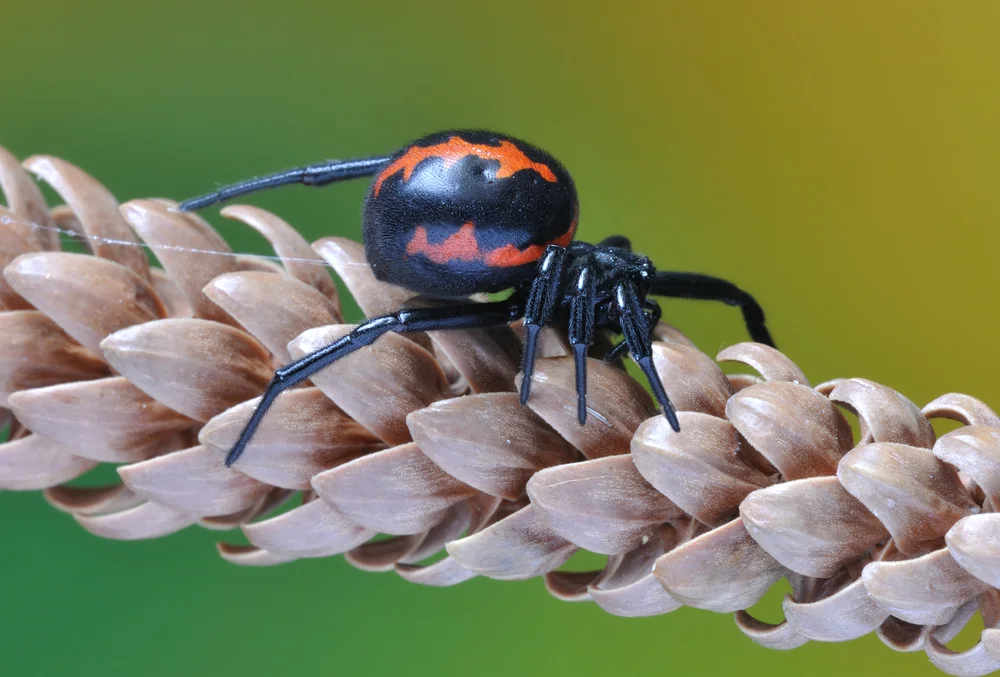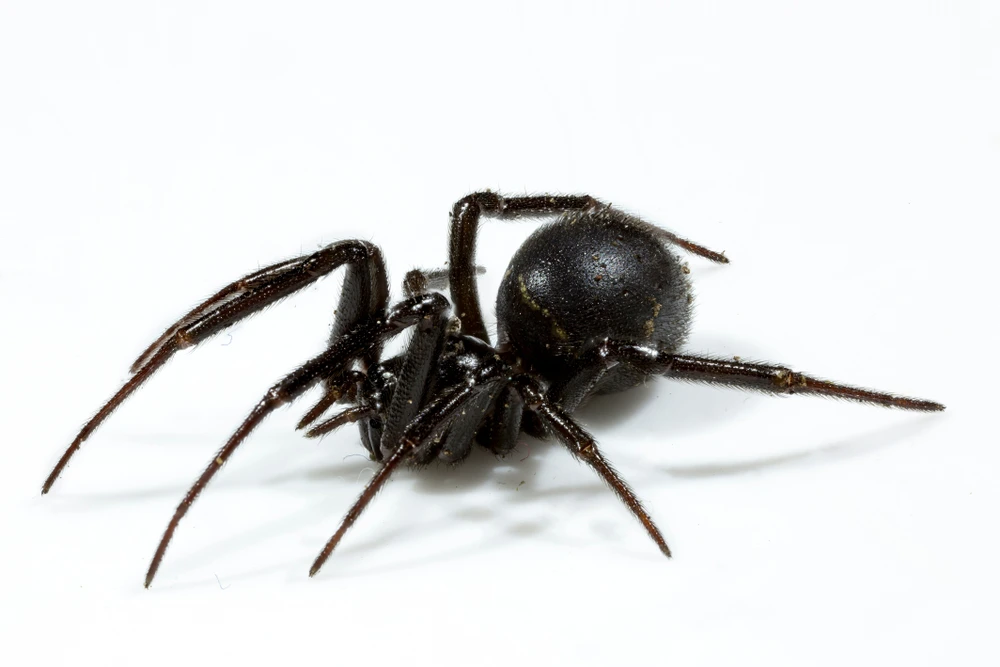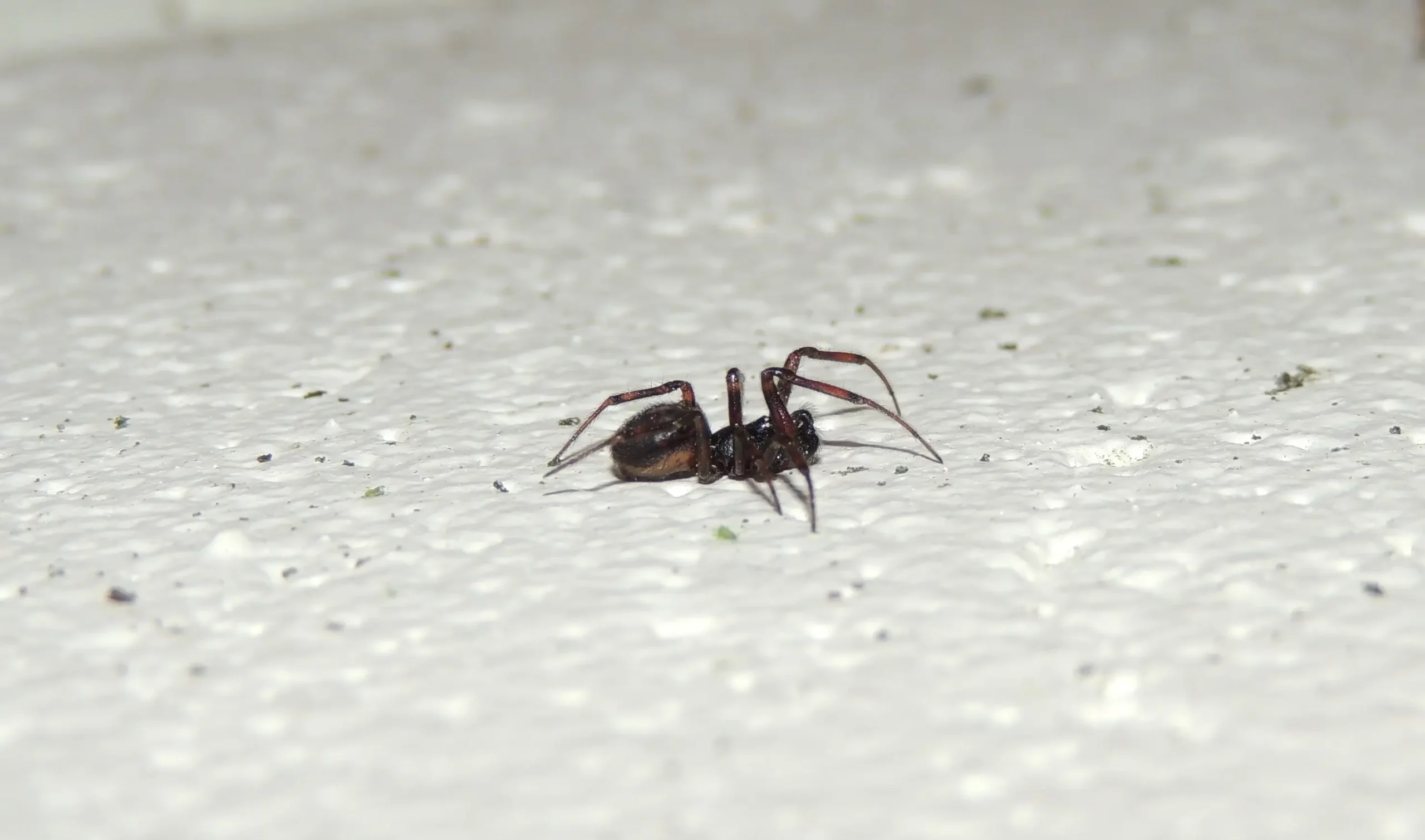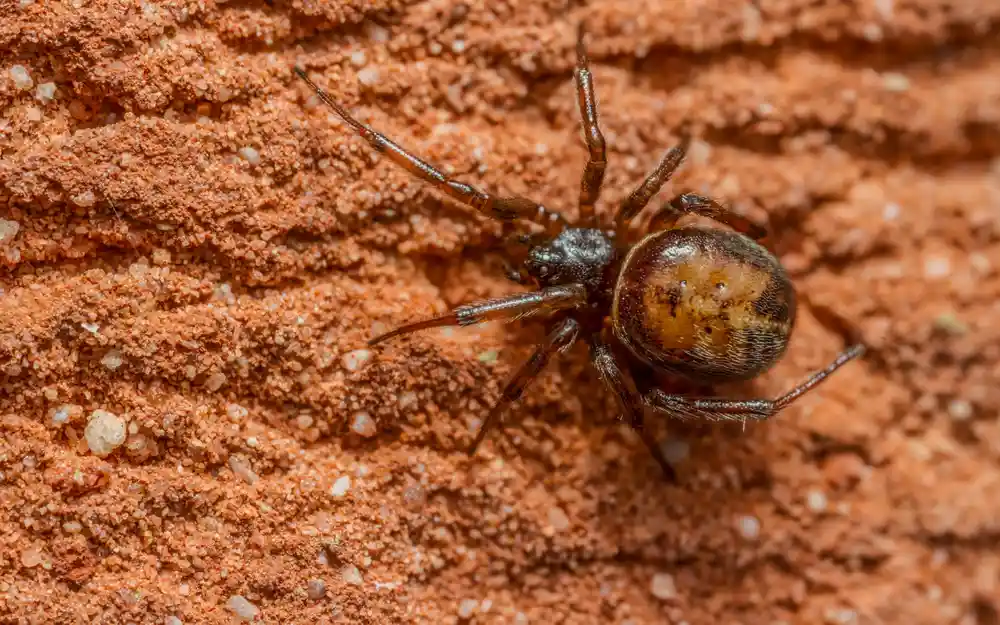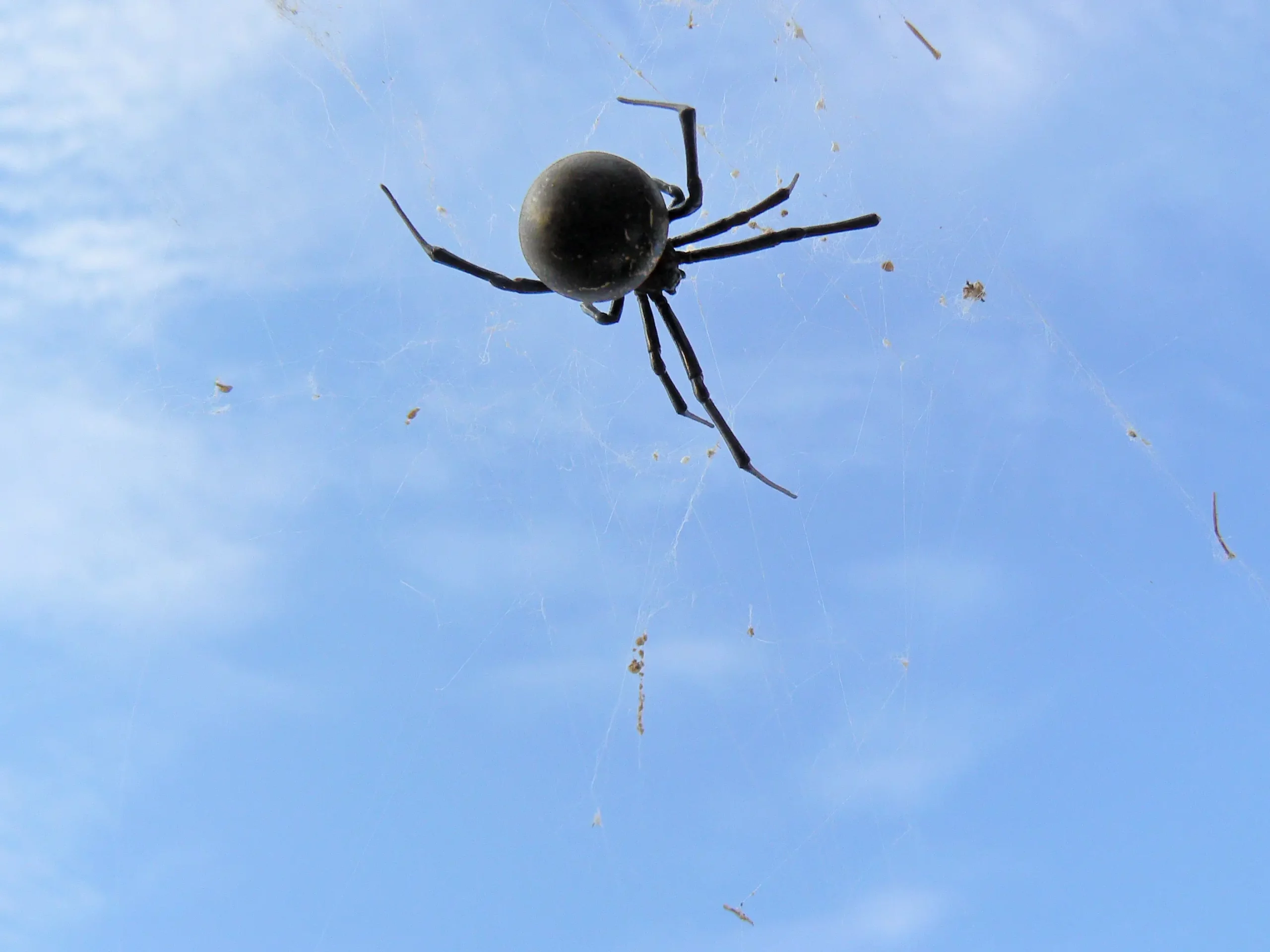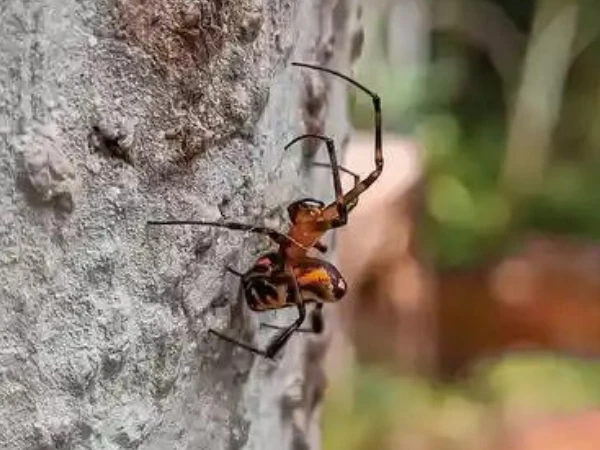


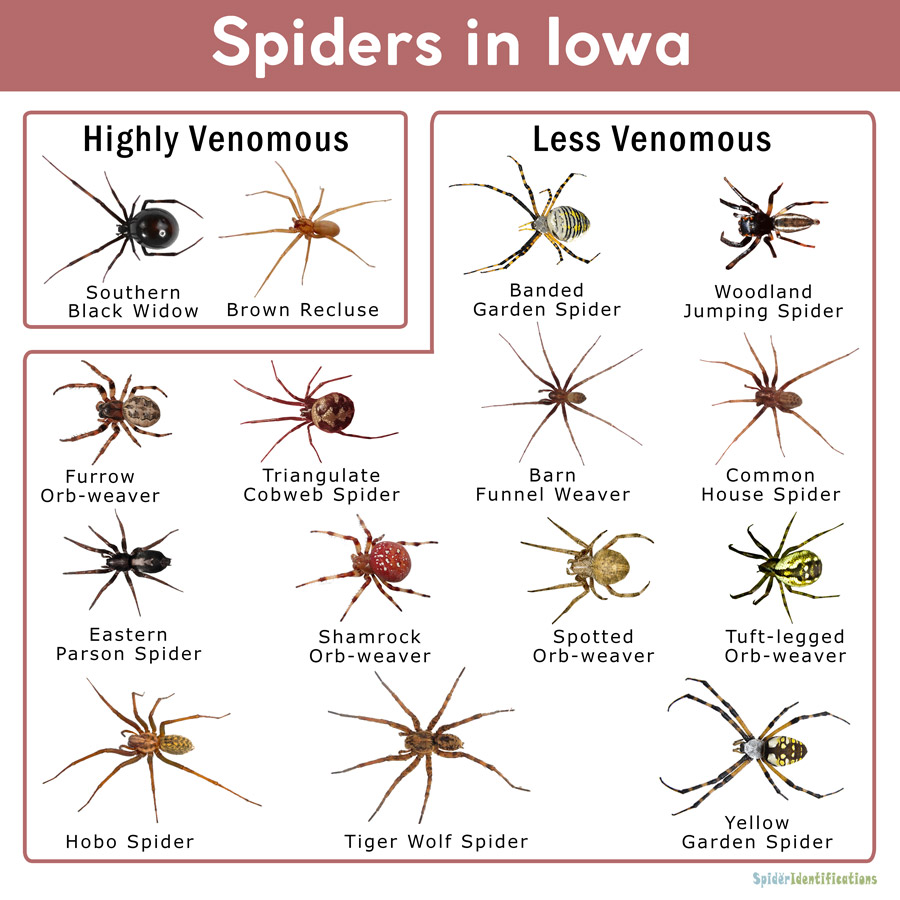
The state of Iowa has different spider species inhabiting various locations like fields, gardens, sheds, garages, ceilings and window corners. Out of all the species, the southern black widow and the brown recluse are considered deadly or dangerous. They are distributed evenly throughout Iowa, with the central part having some interesting species like the brown recluse, black widow as well as those belonging to the cellar and wolf family.
| Yellow Garden (Argiope aurantia) | Banded Garden (Argiope trifasciata) | Southern Black Widow (Latrodectus mactans) |
| Carolina Wolf (Hogna carolinensis) | Dark Fishing (Dolomedes tenebrosus) | — |
 Brown Recluse Spider (Loxosceles reclusa) - The brown recluse spider is a special spider found mostly in the central and southern parts of the U.S. It's part of a small group of spiders in North America known for having strong venom, along with the Chilean recluse and black widow.… Continue Reading >
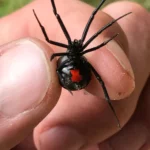 Southern Black Widow (Latrodectus mactans) - Did you know there's a spider called the southern black widow? It's mostly found in North America. It has family members like the western black widow and northern black widow, and they look a bit alike.… Continue Reading >
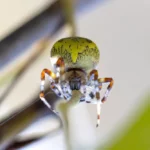 Marbled Orb-weaver (Araneus marmoreus) - The marbled orb-weaver is a spider with a special design on its body. It has patterns on its abdomen that look like marble, which is how it got its name.… Continue Reading >
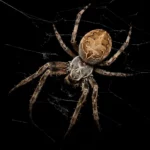 Gray Cross Spider (Larinioides sclopetarius) - Discover the world of the gray cross spider, part of the family of orb weavers. These unique spiders, although not fans of the company, often create their webs near one another.… Continue Reading >
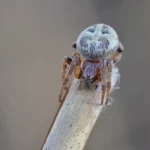 Furrow (Larinioides cornutus) - Did you know there's a spider called the Furrow spider? It belongs to the orb-weaver family. You can find them in places like North Africa, Europe, parts of Asia, and even in North and South America!… Continue Reading >
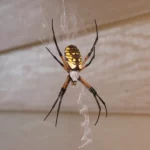 Yellow Garden (Argiope aurantia) - Imagine a spider with bright yellow and black colors, weaving an amazing web in the garden. That's the Yellow Garden Spider for you! They're super peaceful and really good at making fancy webs.… Continue Reading >
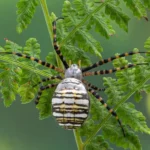 Banded Garden (Argiope trifasciata) - The banded garden spider is a common spider with two types: Argiope trifasciata deserticola and Argiope trifasciata kauaiensis. They prefer warm places and usually aren't around in cold winters because they don't like the chill.… Continue Reading >
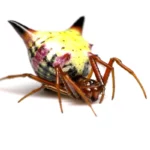 Arrow-shaped Micrathena (Micrathena sagittata) - The Arrow-shaped micrathena spider has a unique arrow-shaped tummy, which is why it's named that way! This spider is part of the orb-weaver family and lives mainly in the eastern United States and Central America.… Continue Reading >
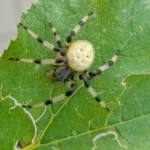 Shamrock Orb Weaver (Araneus trifolium) - The shamrock orb weaver is a special spider from the Araneidae family. If you're curious, you'll find these little creatures in places like the United States and Canada.… Continue Reading >
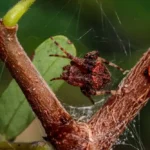 Spotted Orb Weaver (Neoscona crucifera) - The spotted orb weaver is a tiny spider that lives in places like Florida, Maine, Arizona, and Minnesota. Part of the orb weavers family, they usually roam at night.… Continue Reading >
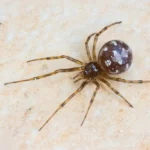 Triangulate Cobweb (Steatoda triangulosa) - Meet the triangulate cobweb spider from the Steatoda genus! Found in places like North America, New Zealand, and Europe, this little spider has a neat triangular pattern on its back.… Continue Reading >
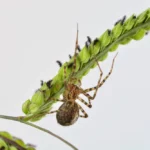 Common House (Parasteatoda tepidariorum) - Guess what? The American house spider is a popular spider many people meet! Even though its name says "American," it's also found in places like Pakistan and Myanmar.… Continue Reading >
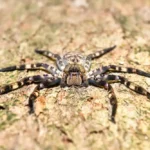 Dark Fishing (Dolomedes tenebrosus) - The Dark Fishing Spider is a special spider from the Pisauridae family. It looks a lot like the striped fishing spider. Here's something wild: after these spiders mate, the male often becomes a meal for the female!… Continue Reading >
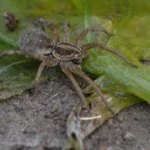 Carolina Wolf (Hogna carolinensis) - The Carolina Wolf Spider, native to America, is just one of the many wolf spider species globally. Known for being quick hunters, they prefer the chase over waiting on webs. You'll often spot these speedy spiders during midsummer nights, particularly around June.… Continue Reading >
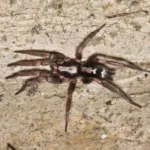 Parson (Herpyllus ecclesiasticus) - The eastern parson spider is a special kind of spider from the USA and Canada. It's part of the Gnaphosidae family. Instead of making webs to catch food, this spider likes to chase down its meals!… Continue Reading >
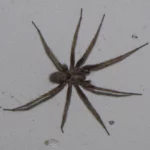 Barn Funnel Weaver (Tegenaria domestica) - Discover the Barn Funnel Weaving Spider, a spider known by various names worldwide, like the Domestic House Spider in Europe and the Common House Spider in the Pacific Northwest.… Continue Reading >
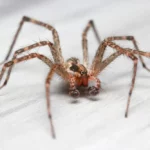 Hobo (Eratigena agrestis) - The Hobo spider is different from the Australian funnel-web, even though they both belong to the funnel-web spider group. With various scientific names like Philoica agrestis and Tegenaria rhaetica, these spiders can be found in Europe, Central Asia, and North America.… Continue Reading >
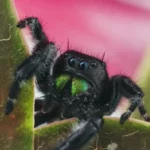 Bold Jumping (Phidippus audax) - Bold jumping spiders are super cool members of the Salticidae spider family. They get attention for their amazing jumps and colorful looks. Instead of using webs to catch food, they like to sneak up on bugs and jump on them!… Continue Reading >
© 2024 (Spider Identifications). All rights reserved. Reproduction in whole or in part without permission is prohibited.
Follow us on: