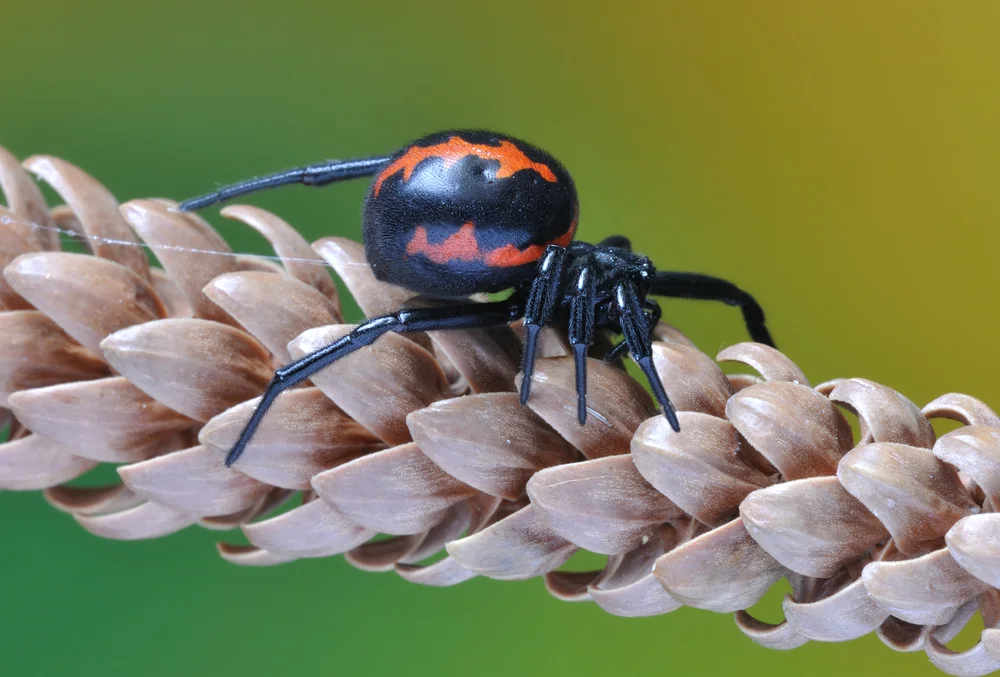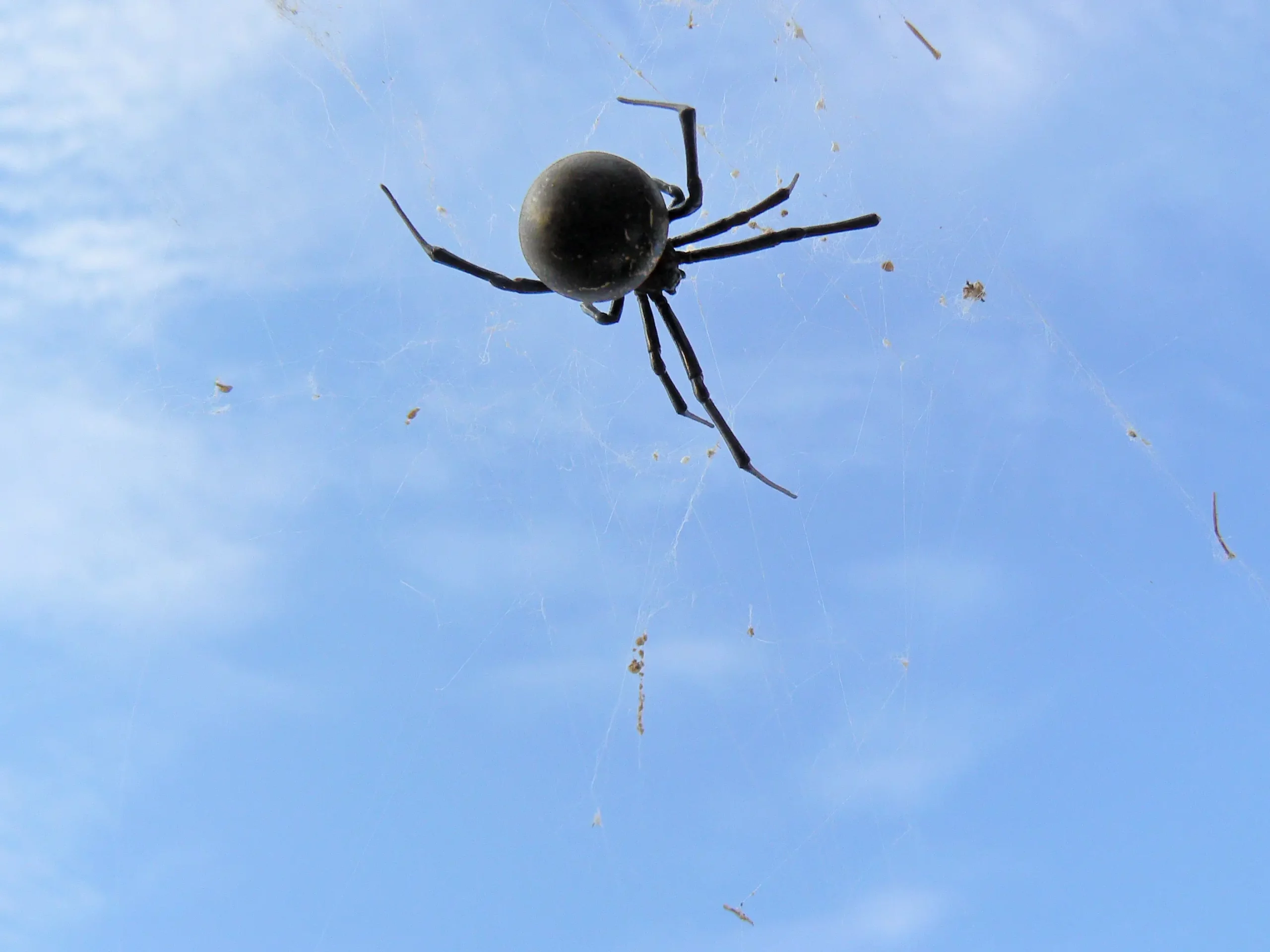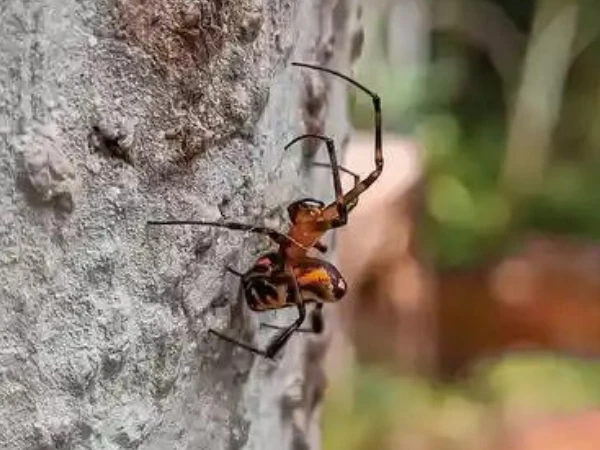


As per estimations, there are approximately 200 spider species indigenous to Nebraska, with about 20 of them being unique. Species of families like the cellar, jumping, crab, ground, and funnel weaver are sighted here. Two of the most dangerous spiders one may spot here include are the brown recluse and black widow.
In 2018, the photograph of a spider gained popularity in social media, with many calling it deadly, and spider from hell. James Kalisch from the University of Nebraska dismissed this news as a hoax and identified it as the woodlouse spider. He even mentioned that it might appear dangerous, but would not harm humans.
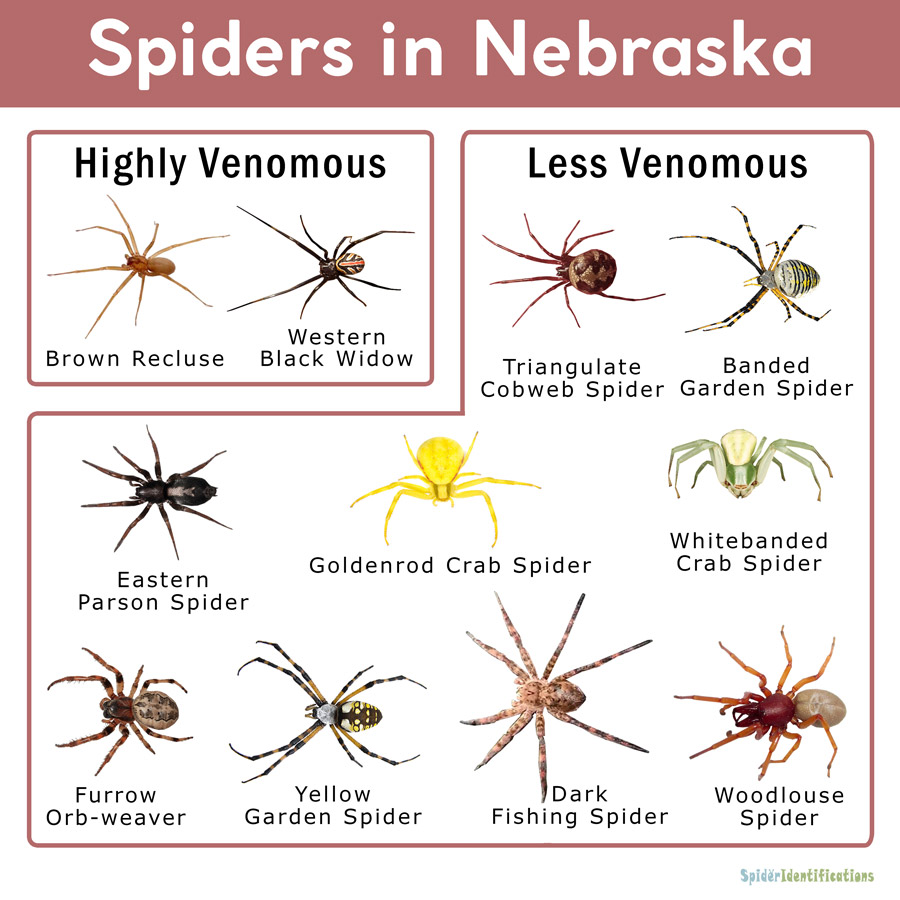
| Common House (Parasteatoda tepidariorum) | Brown Recluse (Loxosceles reclusa) | Black Widow (Latrodectus Hesperus) |
| Spiders of the wolf (Lycosidae) family. | — | — |
| Banded Garden(Argiope trifasciata) | Yellow Garden (Argiope aurantia) | Spiders of the Wolf (Lycosidae) family |
 Brown Recluse Spider (Loxosceles reclusa) - The brown recluse spider is a special spider found mostly in the central and southern parts of the U.S. It's part of a small group of spiders in North America known for having strong venom, along with the Chilean recluse and black widow.… Continue Reading >
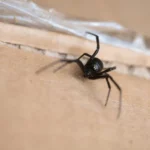 Western Black Widow (Latrodectus hesperus) - Have you ever heard about the Western Black Widow spider? It's a special spider found mostly in the western areas of North America. They are closely related to the northern black widow.… Continue Reading >
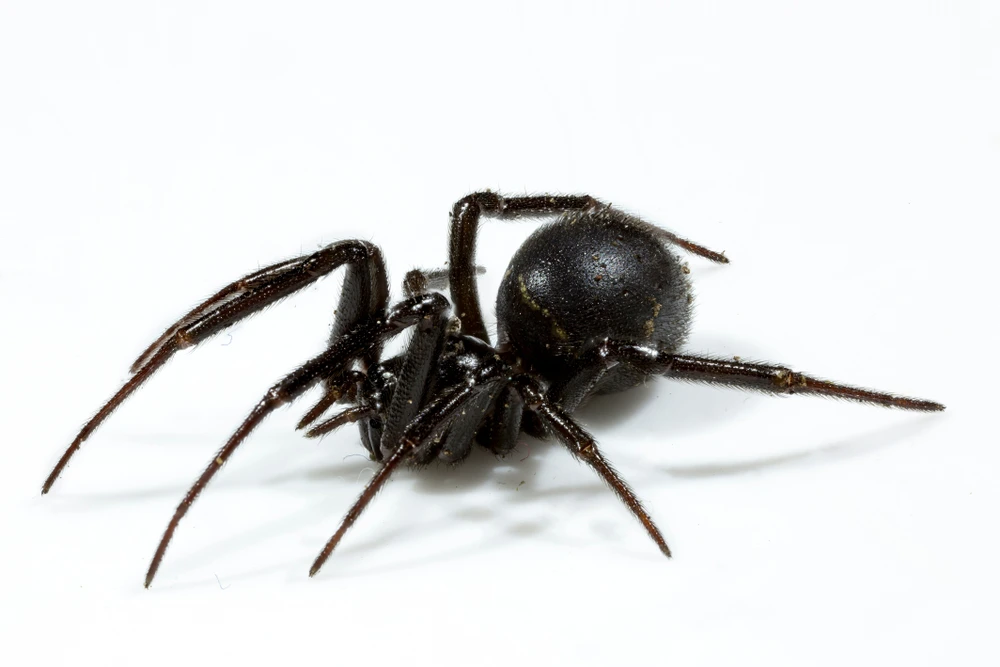
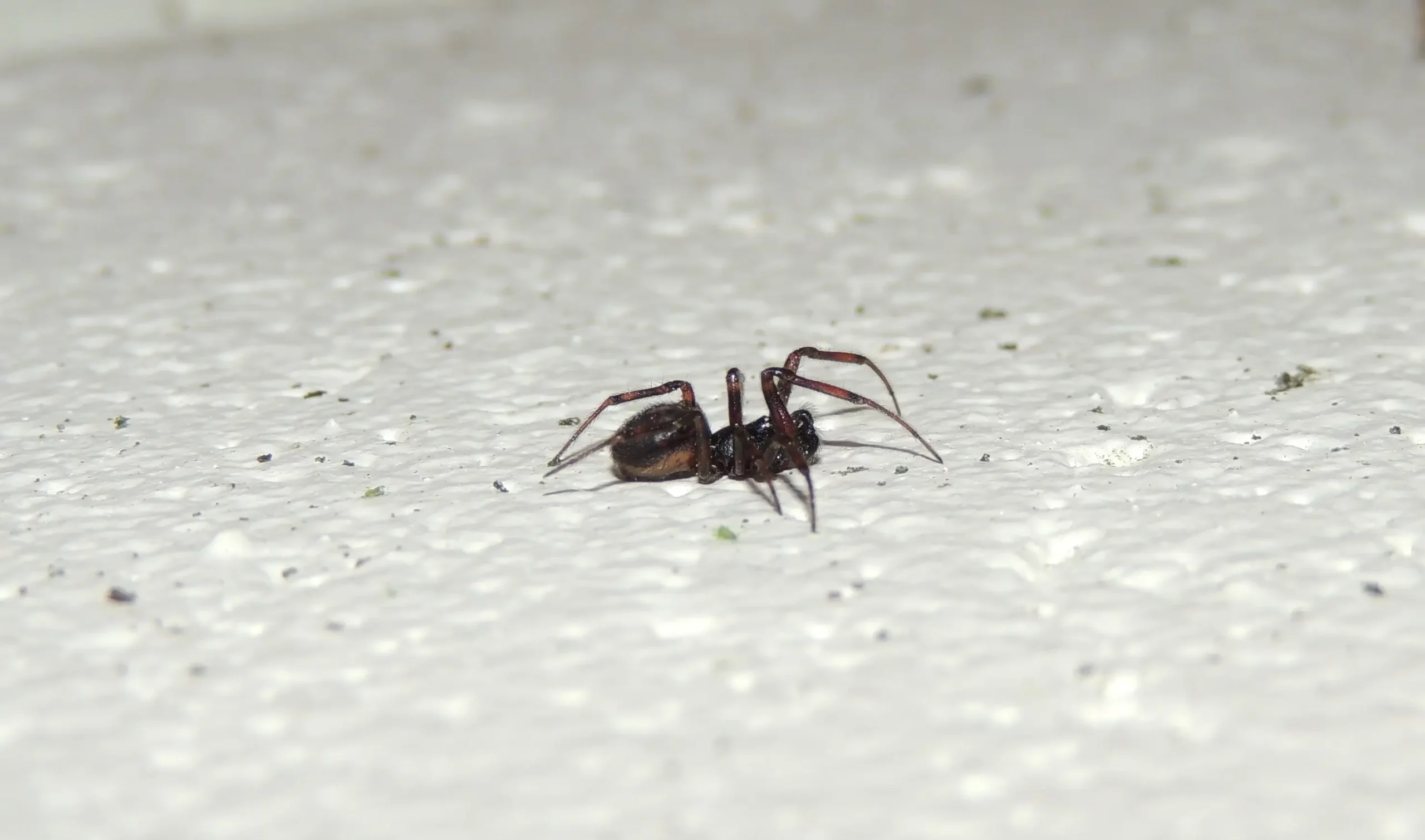
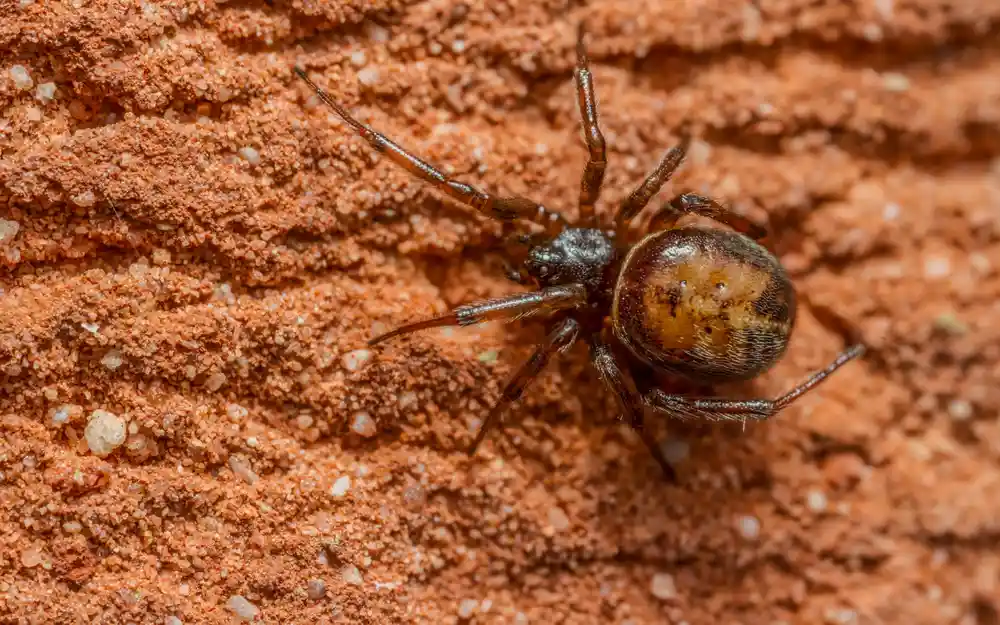
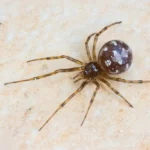 Triangulate Cobweb (Steatoda triangulosa) - Meet the triangulate cobweb spider from the Steatoda genus! Found in places like North America, New Zealand, and Europe, this little spider has a neat triangular pattern on its back.… Continue Reading >
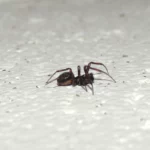 Steatoda borealis - Guess what? There's a spider called Steatoda borealis, and it's part of the comb-footed spider family. Some people call it a 'false widow spider' because of how it looks. But it's not the same as the real widow spiders.… Continue Reading >
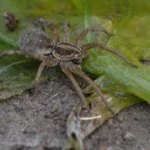 Carolina Wolf (Hogna carolinensis) - The Carolina Wolf Spider, native to America, is just one of the many wolf spider species globally. Known for being quick hunters, they prefer the chase over waiting on webs. You'll often spot these speedy spiders during midsummer nights, particularly around June.… Continue Reading >
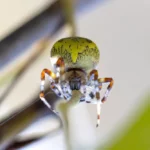 Marbled Orb-weaver (Araneus marmoreus) - The marbled orb-weaver is a spider with a special design on its body. It has patterns on its abdomen that look like marble, which is how it got its name.… Continue Reading >
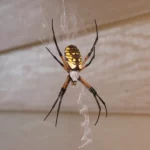 Yellow Garden (Argiope aurantia) - Imagine a spider with bright yellow and black colors, weaving an amazing web in the garden. That's the Yellow Garden Spider for you! They're super peaceful and really good at making fancy webs.… Continue Reading >
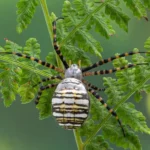 Banded Garden (Argiope trifasciata) - The banded garden spider is a common spider with two types: Argiope trifasciata deserticola and Argiope trifasciata kauaiensis. They prefer warm places and usually aren't around in cold winters because they don't like the chill.… Continue Reading >
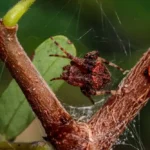 Spotted Orb Weaver (Neoscona crucifera) - The spotted orb weaver is a tiny spider that lives in places like Florida, Maine, Arizona, and Minnesota. Part of the orb weavers family, they usually roam at night.… Continue Reading >
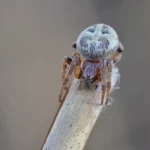 Furrow (Larinioides cornutus) - Did you know there's a spider called the Furrow spider? It belongs to the orb-weaver family. You can find them in places like North Africa, Europe, parts of Asia, and even in North and South America!… Continue Reading >
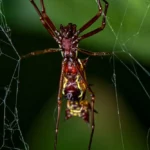 Spined Micrathena (Micrathena gracilis) - The Spined Micrathena is a standout spider with its black and white body and spiky tummy. Part of the orb-weaver family, you'll mostly spot this daytime-loving spider during late summer and early autumn.… Continue Reading >
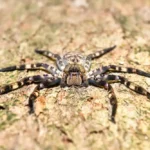 Dark Fishing (Dolomedes tenebrosus) - The Dark Fishing Spider is a special spider from the Pisauridae family. It looks a lot like the striped fishing spider. Here's something wild: after these spiders mate, the male often becomes a meal for the female!… Continue Reading >
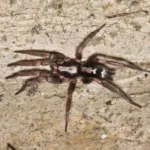 Parson (Herpyllus ecclesiasticus) - The eastern parson spider is a special kind of spider from the USA and Canada. It's part of the Gnaphosidae family. Instead of making webs to catch food, this spider likes to chase down its meals!… Continue Reading >
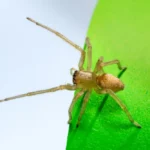 Northern Yellow Sac Spider (Cheiracanthium mildei) - Discover the fascinating world of the northern yellow sac spider, part of the cheiracanthiidae family. With a shared name across its genus, this spider stands out for unique reasons.… Continue Reading >
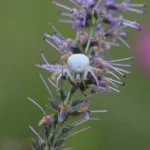 White Banded Crab (Misumenoides formosipes) - Did you know there are spiders called White banded crab spiders? They're part of a big family named Thomisidae. These spiders live in the United States and Canada.… Continue Reading >
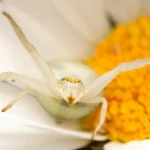 Goldenrod Crab (Misumena vatia) - Goldenrod Crab Spiders are super cool! They can change colors and hang out on flowers, waiting for their food. Instead of making big webs, they use silk for catching food or keeping their eggs safe.… Continue Reading >
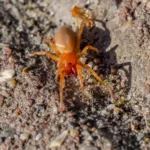 Woodlouse (Dysdera crocata) - Guess what? There's a spider called the woodlouse spider because it loves eating woodlice! It comes from places near the Mediterranean Sea.… Continue Reading >
© 2024 (Spider Identifications). All rights reserved. Reproduction in whole or in part without permission is prohibited.
Follow us on: