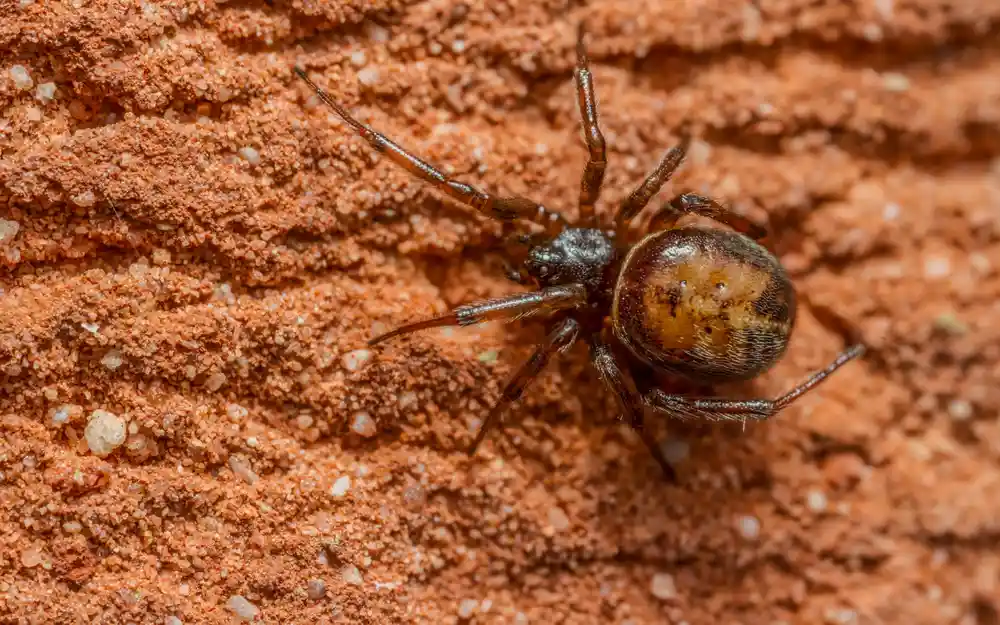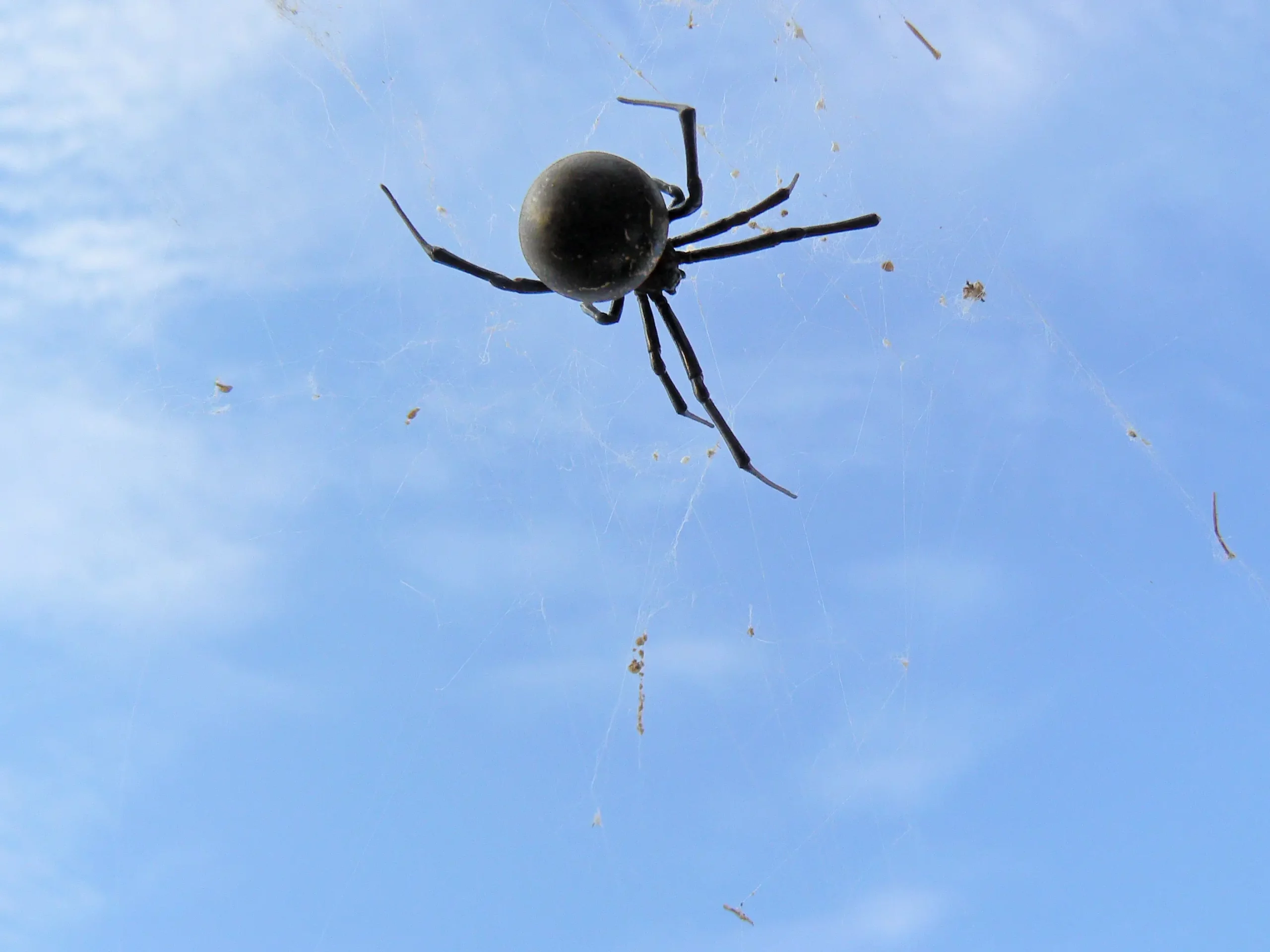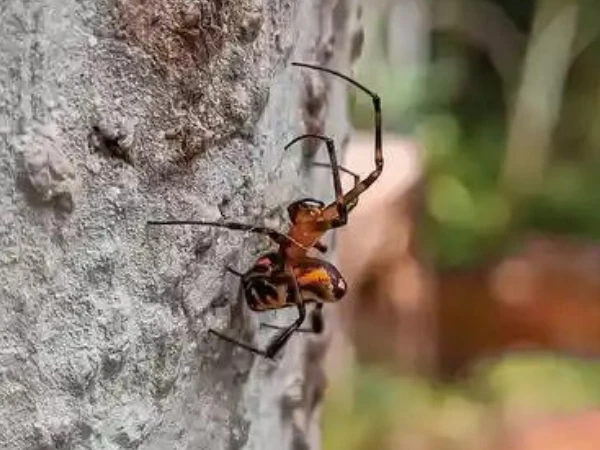


Vermont has about 25 species of spiders of which the brown recluse and northern black widow are considered the most dangerous. The northern yellow sac could also be harmful to humans though they are mildly venomous.
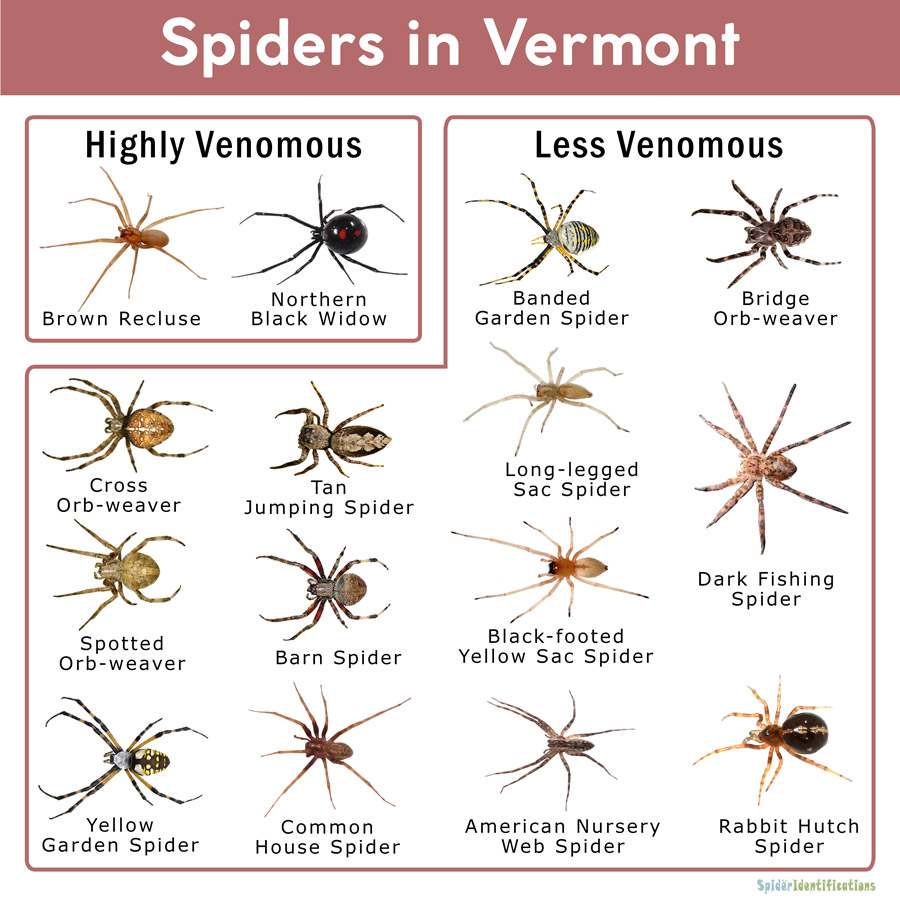
| Banded Garden (Argiope trifasciata) | Marbled Orb-Weaver (Araneus marmoreus) | Yellow Garden (Argiope aurantia) |
| Yellow Garden (Argiope aurantia) | Spiders of the Wolf (Lycosidae) family | — |
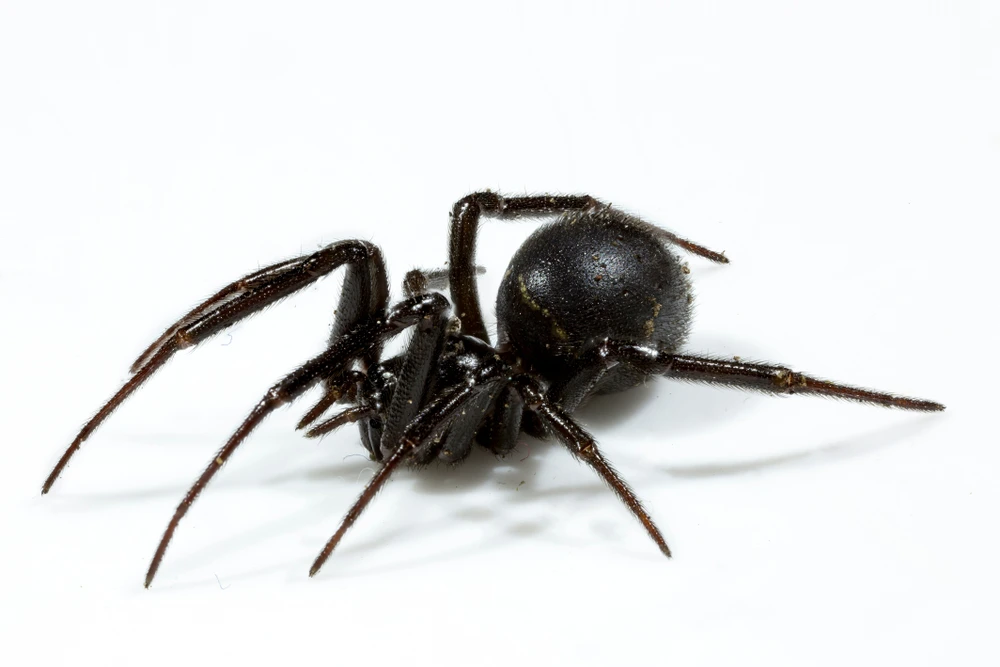
 Brown Recluse Spider (Loxosceles reclusa) - The brown recluse spider is a special spider found mostly in the central and southern parts of the U.S. It's part of a small group of spiders in North America known for having strong venom, along with the Chilean recluse and black widow.… Continue Reading >
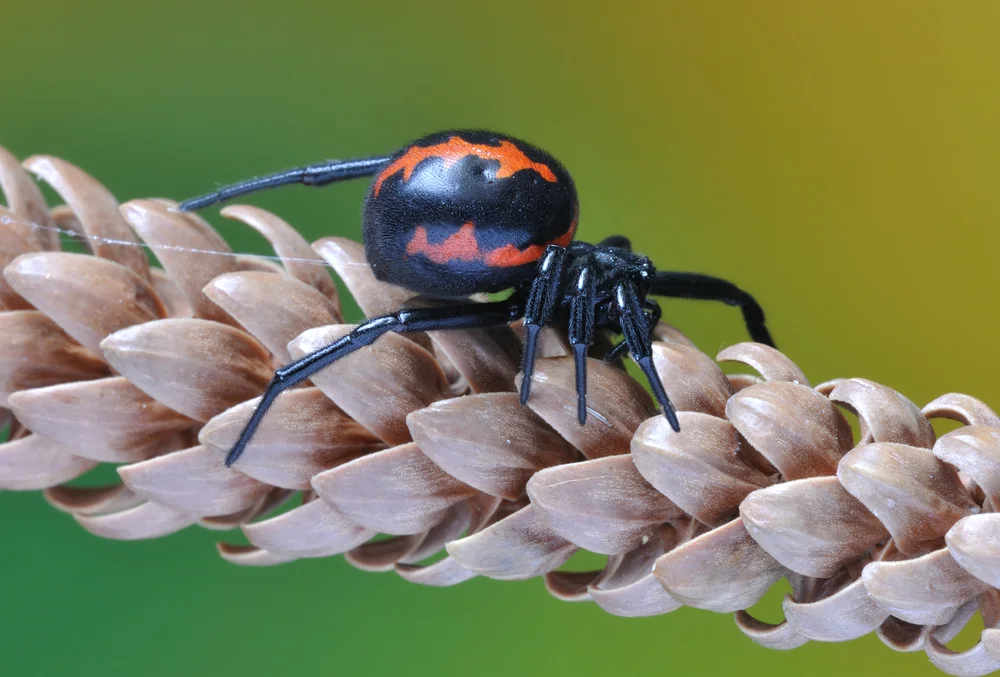
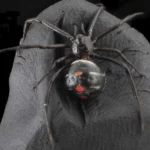 Northern Black Widow (Latrodectus variolus) - The Northern Black Widow is a cool spider found mainly on the 'East Coast' of North America. It's a close relative to the southern and western black widows.… Continue Reading >
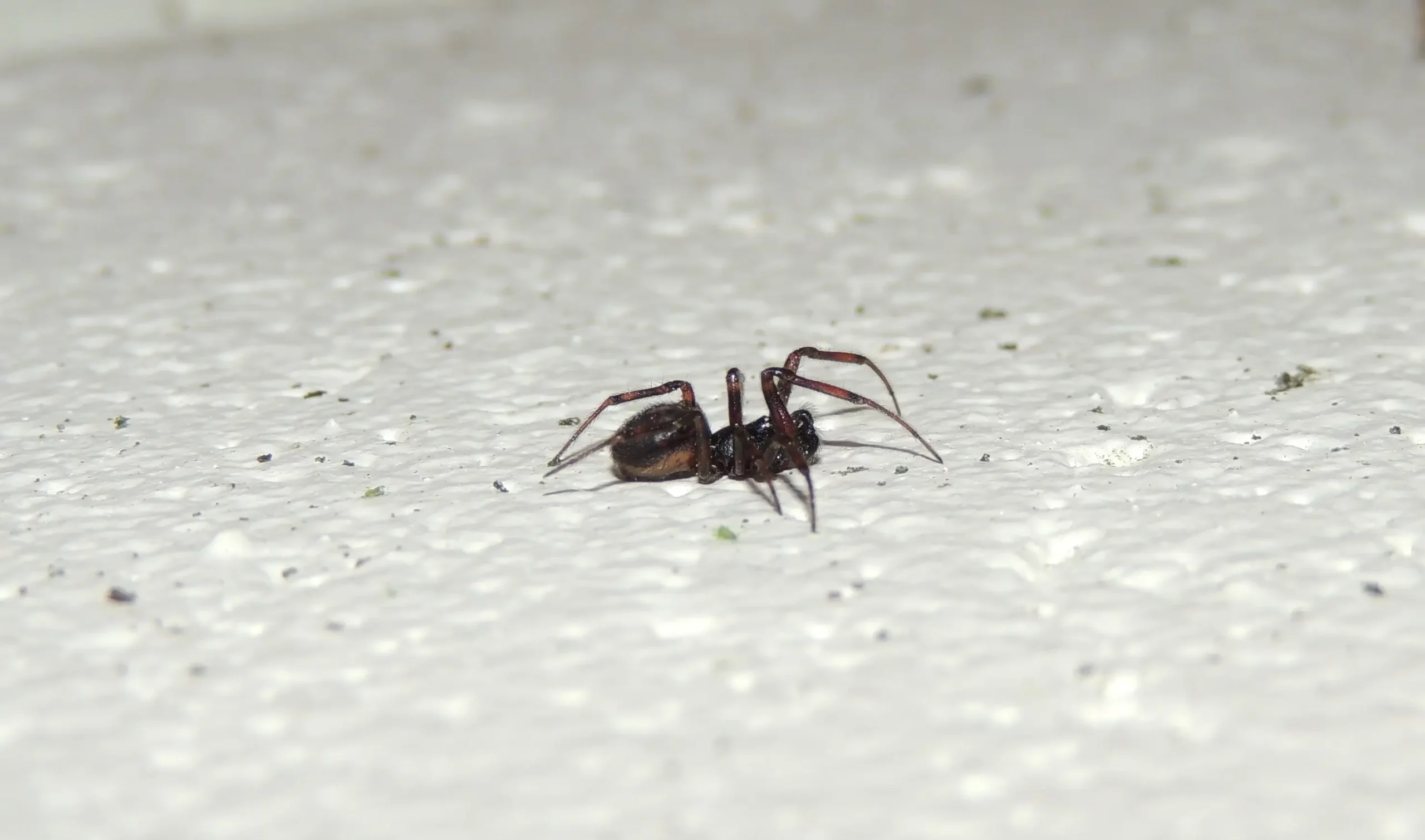
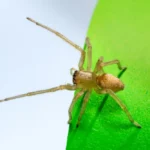 Northern Yellow Sac Spider (Cheiracanthium mildei) - Discover the fascinating world of the northern yellow sac spider, part of the cheiracanthiidae family. With a shared name across its genus, this spider stands out for unique reasons.… Continue Reading >
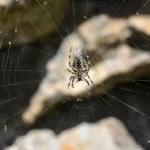 Barn (Araneus cavaticus) - Have you ever seen a Barn spider? This spider loves to weave its webs at night and is found mostly in North America. You'll see them a lot in late summer and autumn.… Continue Reading >
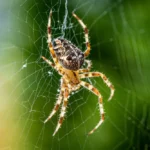 Cross Orb Weaver (Araneus diadematus) - Did you know the Cross Orb Weaver spider comes from Europe and North America? Their legs are super cool because they can spin special round webs.… Continue Reading >
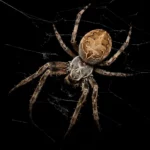 Gray Cross Spider (Larinioides sclopetarius) - Discover the world of the gray cross spider, part of the family of orb weavers. These unique spiders, although not fans of the company, often create their webs near one another.… Continue Reading >
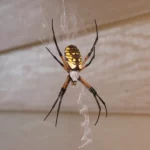 Yellow Garden (Argiope aurantia) - Imagine a spider with bright yellow and black colors, weaving an amazing web in the garden. That's the Yellow Garden Spider for you! They're super peaceful and really good at making fancy webs.… Continue Reading >
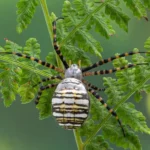 Banded Garden (Argiope trifasciata) - The banded garden spider is a common spider with two types: Argiope trifasciata deserticola and Argiope trifasciata kauaiensis. They prefer warm places and usually aren't around in cold winters because they don't like the chill.… Continue Reading >
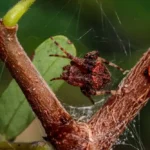 Spotted Orb Weaver (Neoscona crucifera) - The spotted orb weaver is a tiny spider that lives in places like Florida, Maine, Arizona, and Minnesota. Part of the orb weavers family, they usually roam at night.… Continue Reading >
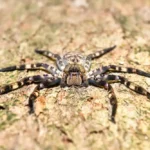 Dark Fishing (Dolomedes tenebrosus) - The Dark Fishing Spider is a special spider from the Pisauridae family. It looks a lot like the striped fishing spider. Here's something wild: after these spiders mate, the male often becomes a meal for the female!… Continue Reading >
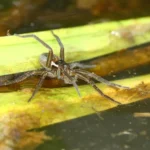 Six-spotted Fishing (Dolomedes triton) - Discover the Six-spotted Fishing Spider, often known as the dock spider. These large, semi-aquatic spiders are daytime hunters. They're experts at waiting near water edges, among bushes, ready to catch their next meal.… Continue Reading >
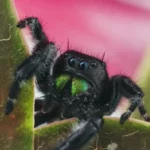 Bold Jumping (Phidippus audax) - Bold jumping spiders are super cool members of the Salticidae spider family. They get attention for their amazing jumps and colorful looks. Instead of using webs to catch food, they like to sneak up on bugs and jump on them!… Continue Reading >
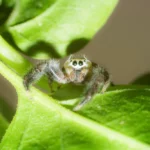 Tan Jumping (Platycryptus undatus) - Tan jumping spiders are super interesting! They hop around and belong to the jumping spider family. You can find them in places like North and Central America.… Continue Reading >
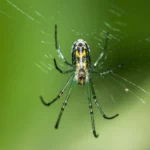 Orchard Orbweaver (Leucauge venusta) - The orchard spider is a special kind of spider called an orb-weaver. It has a long jaw and is found in places like the United States, southern Canada, and parts of Central America.… Continue Reading >
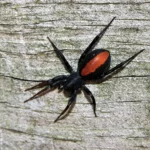 Red-spotted Ant Mimic (Castianeira descripta) - The red-spotted ant mimic spider is super clever! It walks on six legs and uses its front legs like ant antennas. This tricks the ants into thinking it's one of them.… Continue Reading >
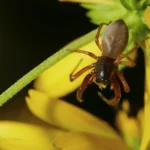 Broad-faced Sac Spider (Trachelas tranquillus) - The broad-faced sac spider belongs to the ground sac spiders family. These spiders call North America their home. Ready to uncover some cool facts about them?… Continue Reading >
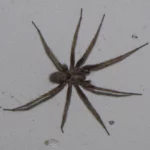 Barn Funnel Weaver (Tegenaria domestica) - Discover the Barn Funnel Weaving Spider, a spider known by various names worldwide, like the Domestic House Spider in Europe and the Common House Spider in the Pacific Northwest.… Continue Reading >
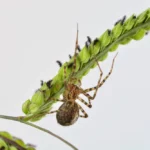 Common House (Parasteatoda tepidariorum) - Guess what? The American house spider is a popular spider many people meet! Even though its name says "American," it's also found in places like Pakistan and Myanmar.… Continue Reading >
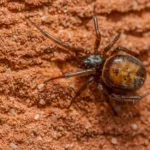 Rabbit Hutch Spider (Steatoda bipunctata) - Discover the intriguing world of the rabbit hutch spider, a comb-footed spider family member. Known for its unique habit of dwelling in places where rabbits live, this spider is more than just its name.… Continue Reading >
© 2024 (Spider Identifications). All rights reserved. Reproduction in whole or in part without permission is prohibited.
Follow us on: