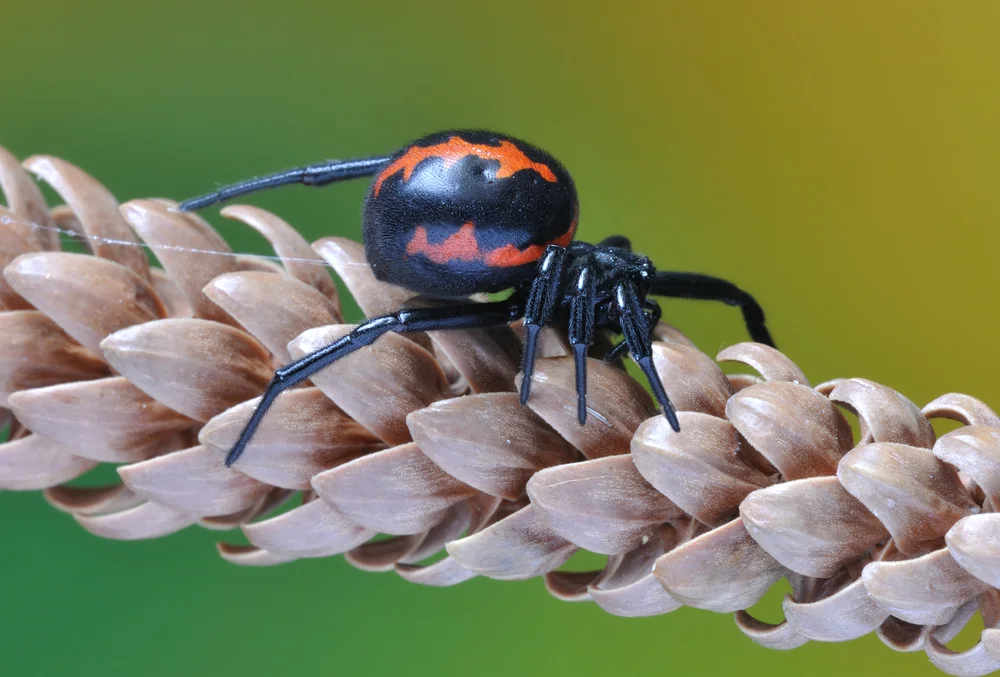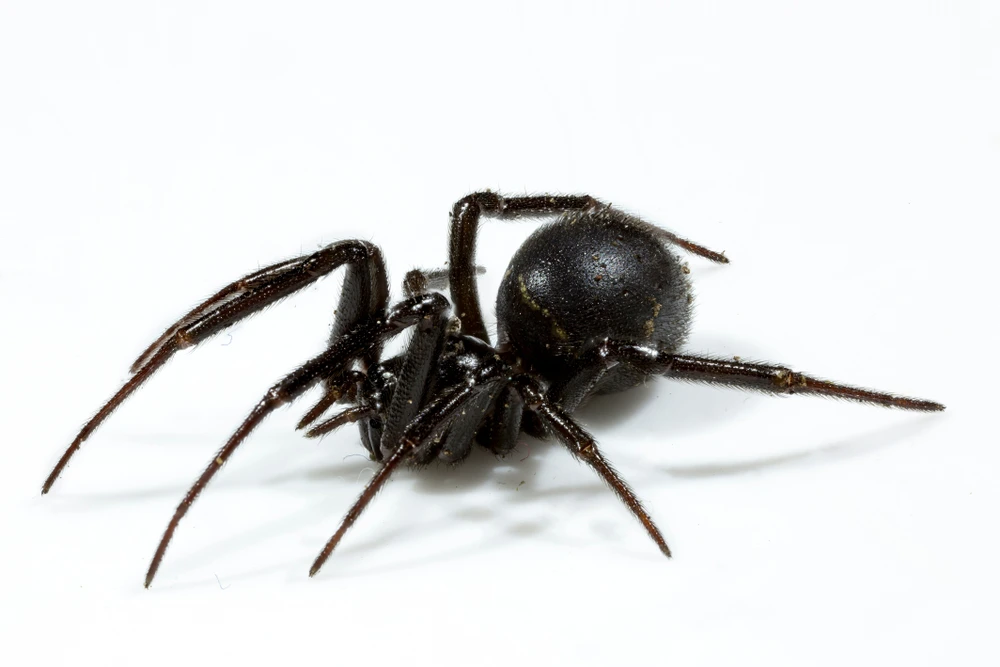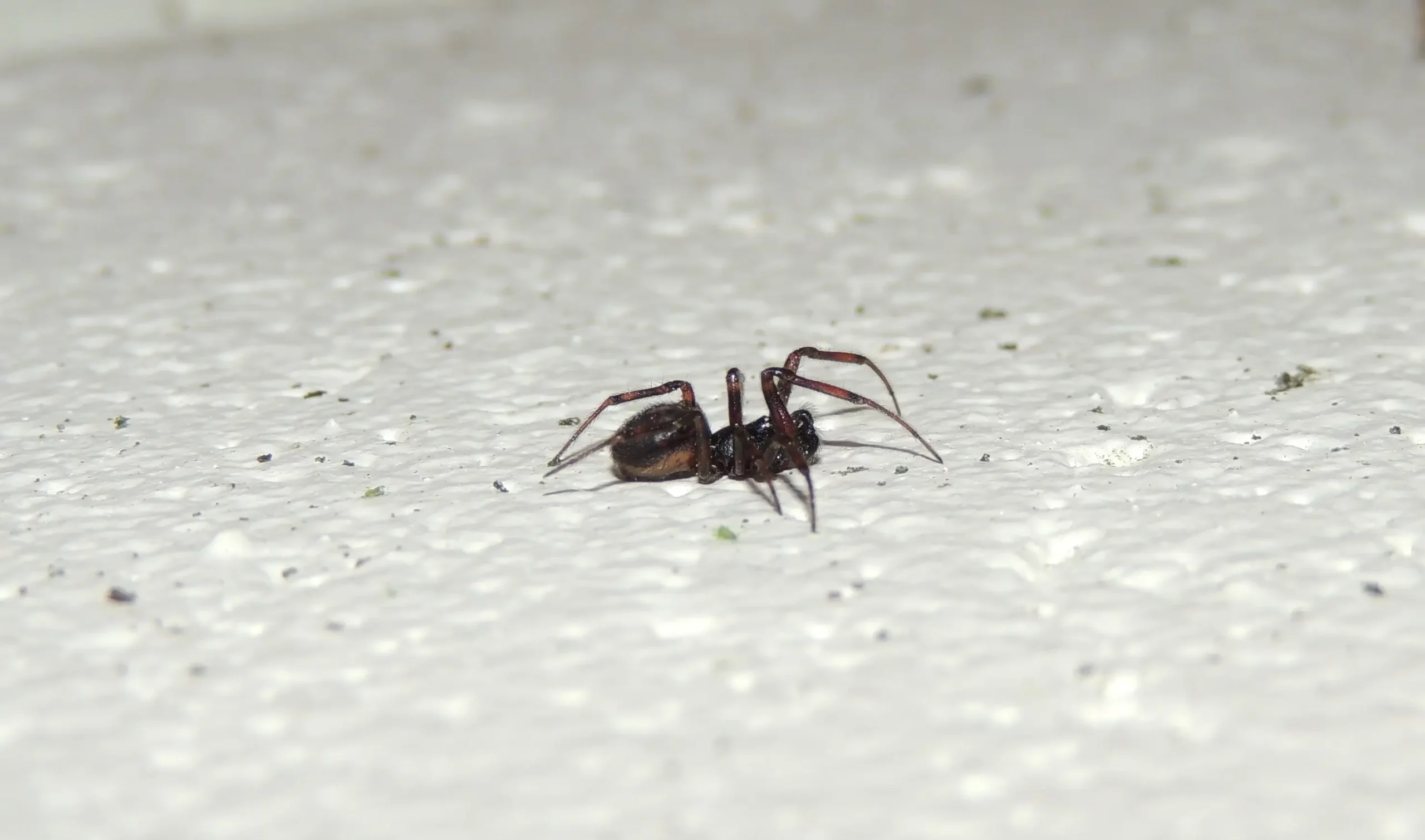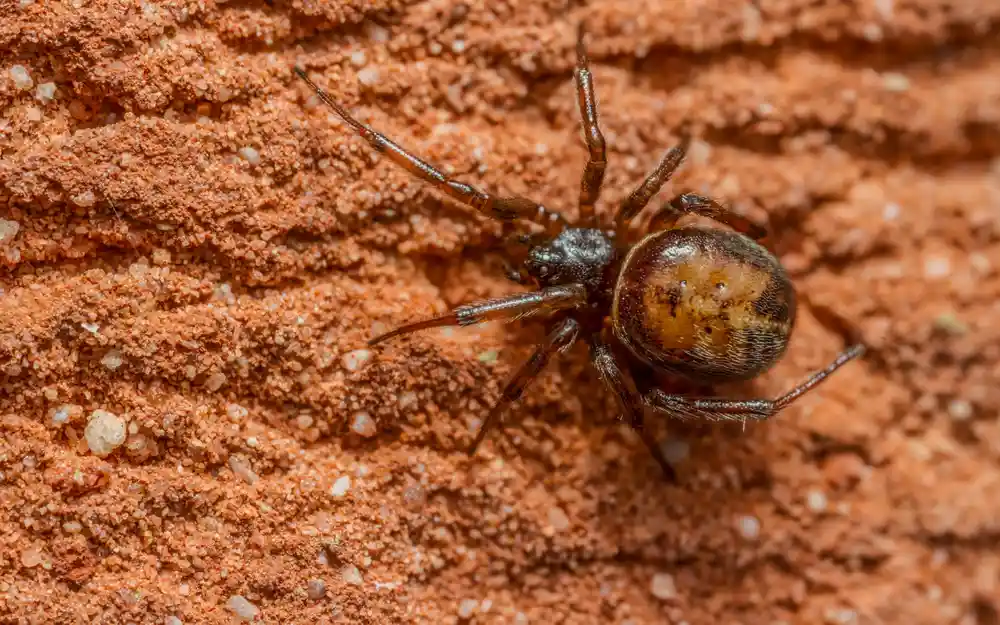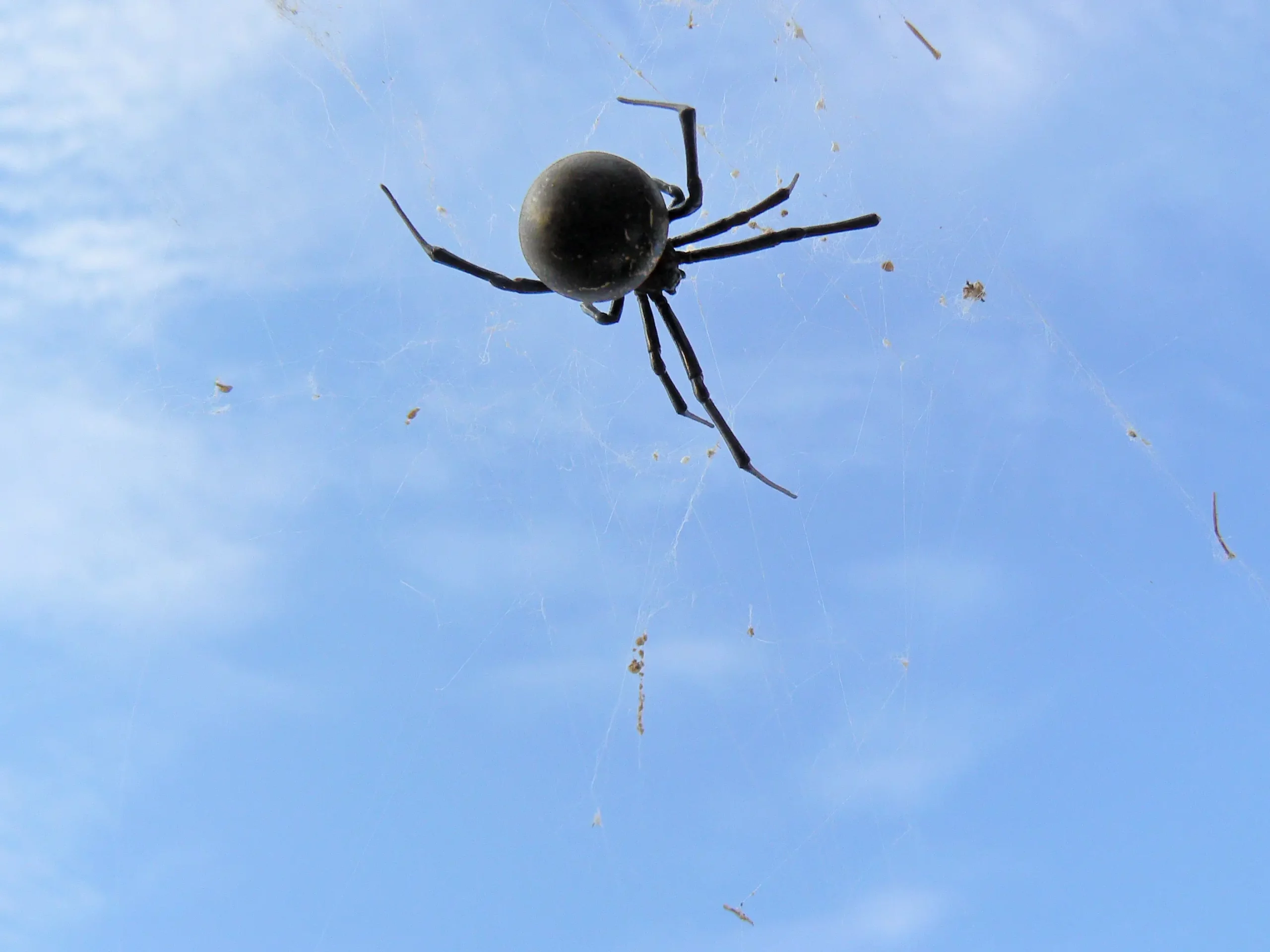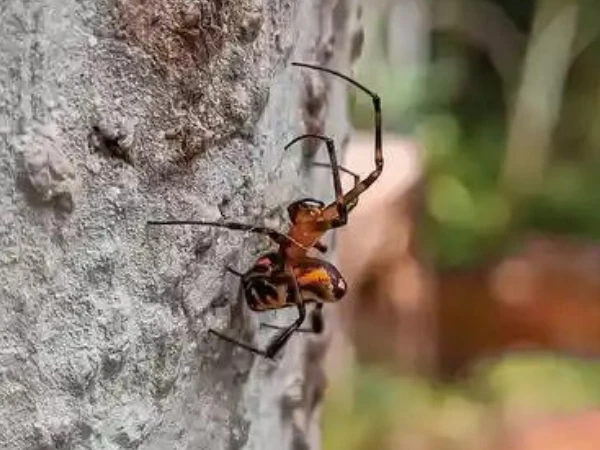


Guam is a small country isolated from major land masses. Though maybe small, it is packed with different forms of wildlife. The average daily temperature is at 85 degrees Fahrenheit, which is just perfect for exploring outdoors. If you want to want to visit Guam, make sure you educate yourself on the things that you might encounter, and yes, it includes different types of spider species. These creepy crawlers might make or break your stay in Guam.

Spiders in Guam Identification Chart
| Common House Spider (Parasteatoda tepidariorum) | Scarce Candy-striped Spider (Enoplognatha latimana) | Ogre faced spider (Deinopis spinosa) |
| Giant Huntsman Spider (Heteropoda maxima) | Pantropical Huntsman Spider (Heteropoda venatoria) | — |
 Brown Widow (Latrodectus geometricus) - The Brown Widow Spider is a cool spider that belongs to the cobweb spiders family. Some people know more about its cousin, the Black Widow, but the Brown Widow has its own interesting story.… Continue Reading >
 Widow (Latrodectus) - Meet the Latrodectus spiders, often known as true widows! They're part of the cobweb spider family. By July 2017, there were 31 types of them, living everywhere except Antarctica.… Continue Reading >
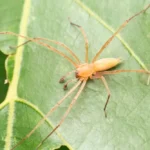 Black-Footed Yellow Sac (Cheiracanthium inclusum) - Meet the yellow sac spider! It's a spider that originally came from the Americas. Over time, it's been a part of different spider families, and now it's in the Eutichuridae family.… Continue Reading >
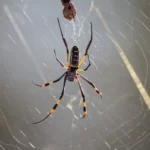 Golden Silk Orb-Weaver (Nephila) - Have you ever seen a spider's web that shines like gold? Meet the Golden Silk Orb-Weaver! With 23 different types living around the world, they're known for their special golden webs.… Continue Reading >
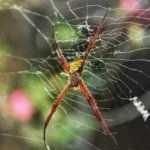 Hawaiian Garden (Argiope appensa) - The Hawaiian garden spider comes from places like Taiwan, Hawaii, Indonesia, and New Guinea. They're part of the orb-weaver spider family, known for their beautiful webs.… Continue Reading >
© 2024 (Spider Identifications). All rights reserved. Reproduction in whole or in part without permission is prohibited.
Follow us on: