Spiders in the United States of America

Frequently Asked Questions

icon

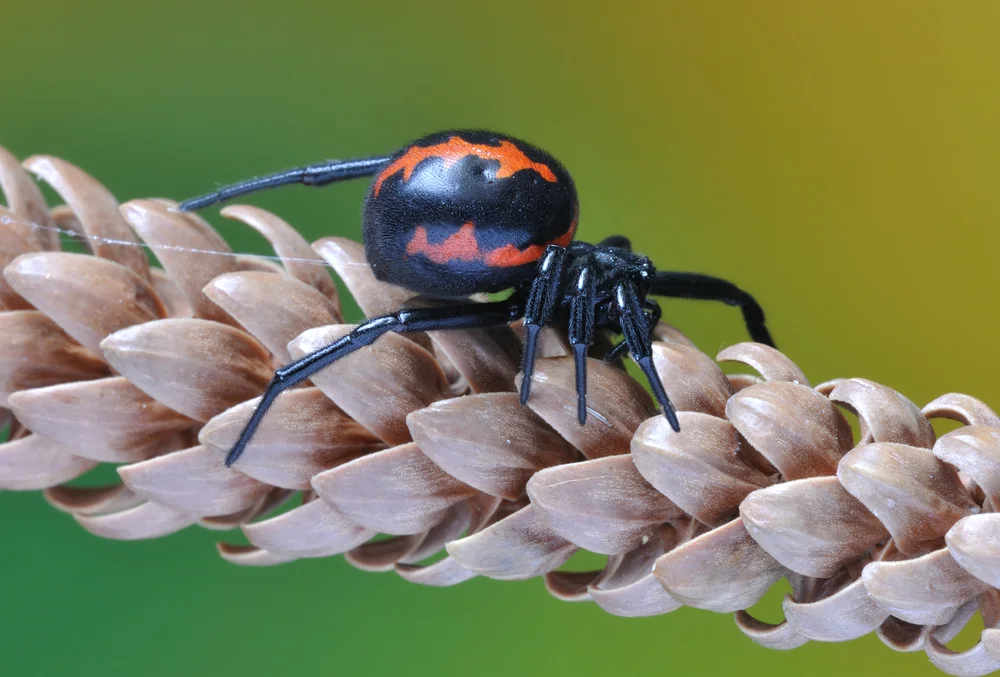
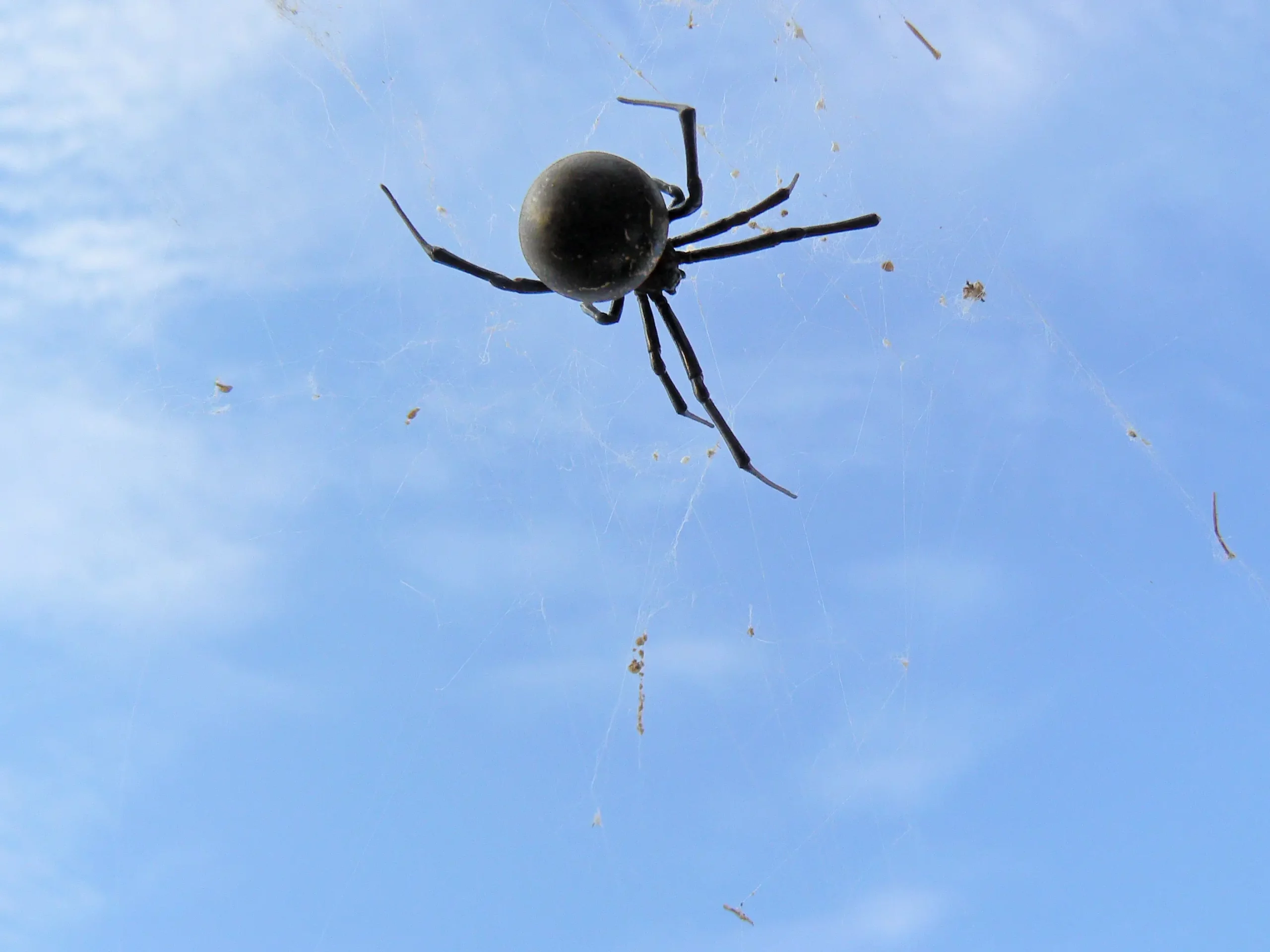
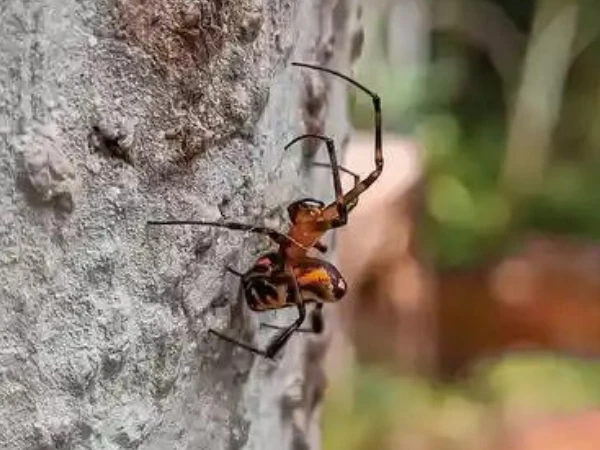
The most medically significant spiders in the United States are the black widow and the brown recluse. While nearly all spiders are venomous, only these two species possess venom potent enough to cause severe reactions in humans. A bite from either requires prompt medical evaluation to manage symptoms.

icon

Black widow spiders are found in every US state except for Alaska. These spiders are highly adaptable, thriving in temperate climates across the contiguous United States, Hawaii, and other territories. They typically build their webs in dark, undisturbed areas like woodpiles, sheds, and garages near human dwellings.

icon

You can identify a brown recluse spider by its uniform tan or brown color, six eyes arranged in pairs, and a distinct violin-shaped marking on its back. Unlike many common spiders, their legs lack spines and have a smooth appearance. They are primarily found in central and southern states.

icon

The largest spider by leg span native to the United States is the Carolina wolf spider (Hogna carolinensis). This ground-dwelling hunter can have a leg span reaching up to four inches. It is found throughout much of the country and relies on its size and speed to capture prey.

icon

Yes, wolf spiders are very common and can be found in diverse habitats across the entire United States, from Alaska to Florida. This large family of spiders is highly adaptable, living in grasslands, forests, and suburban gardens. They are active hunters that do not build webs for capturing prey.

icon

Yes, virtually all US states have venomous spiders, as most spiders use venom to subdue their insect prey. However, only a few species, like the black widow and brown recluse, have venom considered medically significant to humans. Most spider bites result in only minor, localized irritation similar to a bee sting.

icon

Spiders enter homes more often in regions with dramatic seasonal shifts, such as the Northeast and Midwest, seeking shelter from cold. In warmer southern states, they may enter homes seeking moisture during dry periods or to escape extreme heat. Abundant prey inside a home can also be a significant attractant.