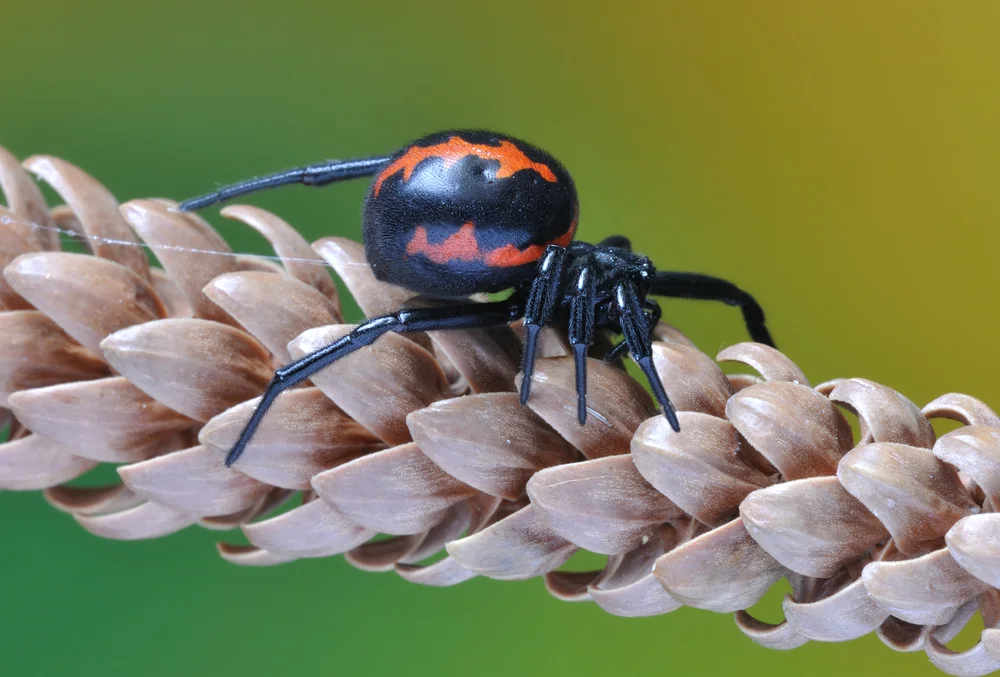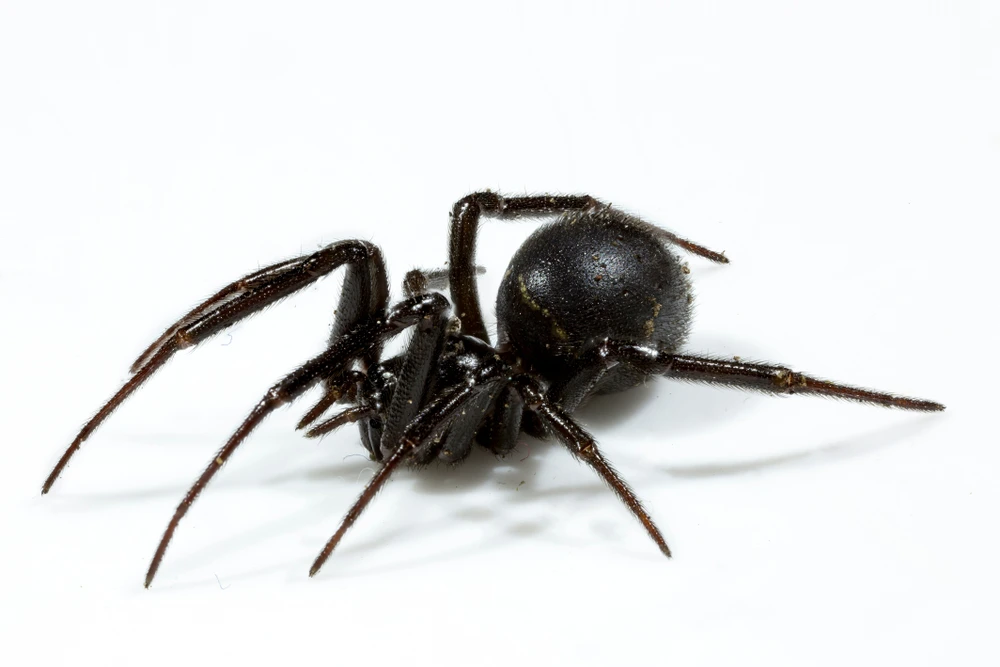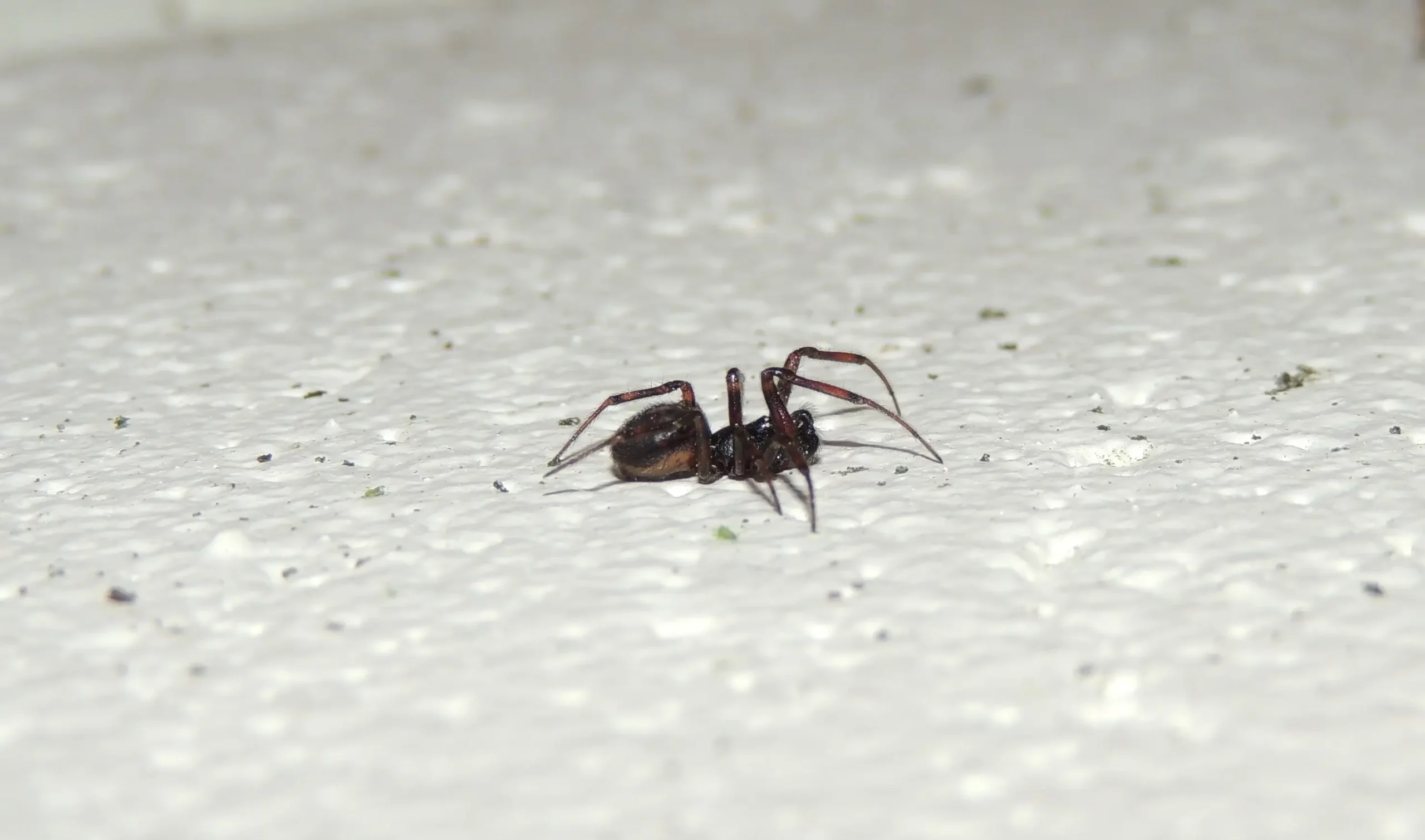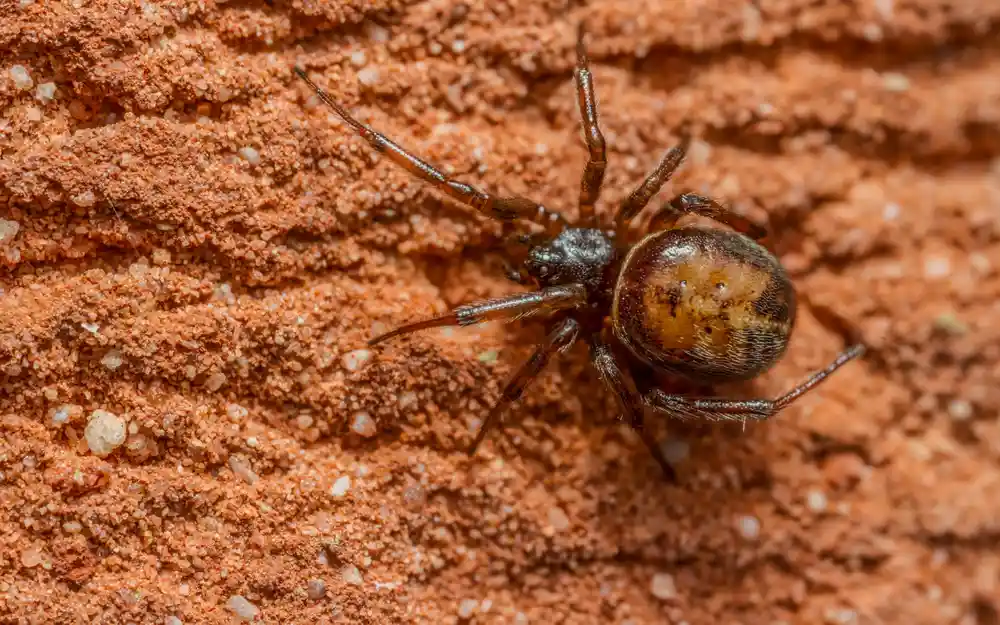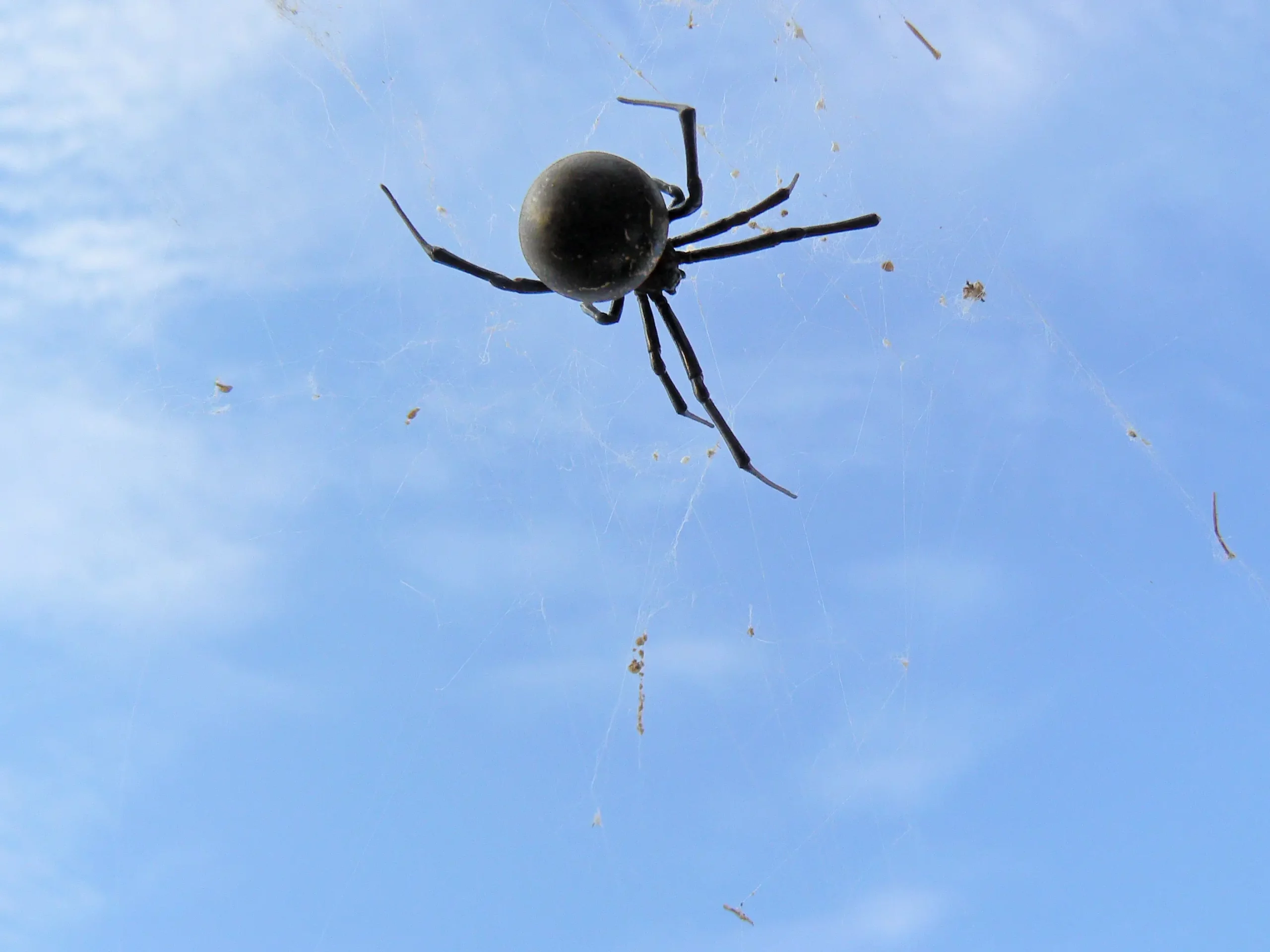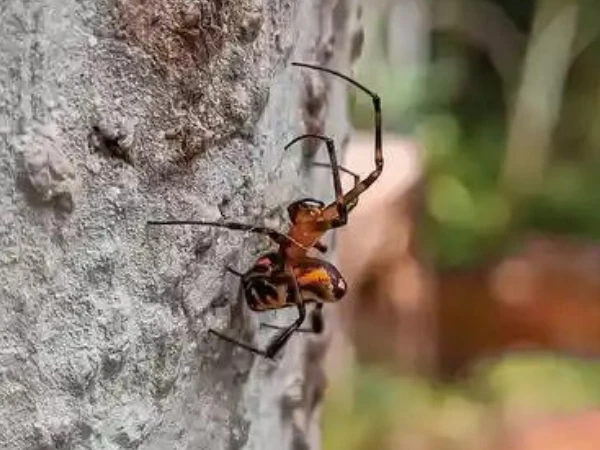


When talking about countries in the Caribbean, one of the most visited is Haiti. It has some of the most beautiful living creatures, but it also has some of the deadliest such as the notorious spiders. If you are planning to visit Haiti, make sure you equip yourself with knowledge about the different spider species in the country. Get to know more about spiders in Haiti by reading this article up to the end. It tackles not only the most common spiders but also the biggest and dangerous species.

Spiders in Haiti Identification Chart
| Berland’s Trashline Orb Weaver (Cyclosa berlandi) | Common House Spider (Parasteatoda tepidariorum) | — |
| Giant Crab Spider (Olios giganteus) | Pantropical Huntsman Spider (Heteropoda venatoria) | Golden Silk Orb Weaver (Trichonephila clavipes) |
 Widow (Latrodectus) - Meet the Latrodectus spiders, often known as true widows! They're part of the cobweb spider family. By July 2017, there were 31 types of them, living everywhere except Antarctica.… Continue Reading >
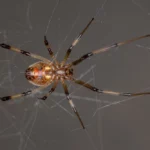 Brown Widow (Latrodectus geometricus) - The Brown Widow Spider is a cool spider that belongs to the cobweb spiders family. Some people know more about its cousin, the Black Widow, but the Brown Widow has its own interesting story.… Continue Reading >
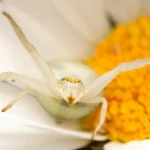 Goldenrod Crab (Misumena vatia) - Goldenrod Crab Spiders are super cool! They can change colors and hang out on flowers, waiting for their food. Instead of making big webs, they use silk for catching food or keeping their eggs safe.… Continue Reading >
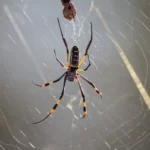 Golden Silk Orb-Weaver (Nephila) - Have you ever seen a spider's web that shines like gold? Meet the Golden Silk Orb-Weaver! With 23 different types living around the world, they're known for their special golden webs.… Continue Reading >
© 2024 (Spider Identifications). All rights reserved. Reproduction in whole or in part without permission is prohibited.
Follow us on: