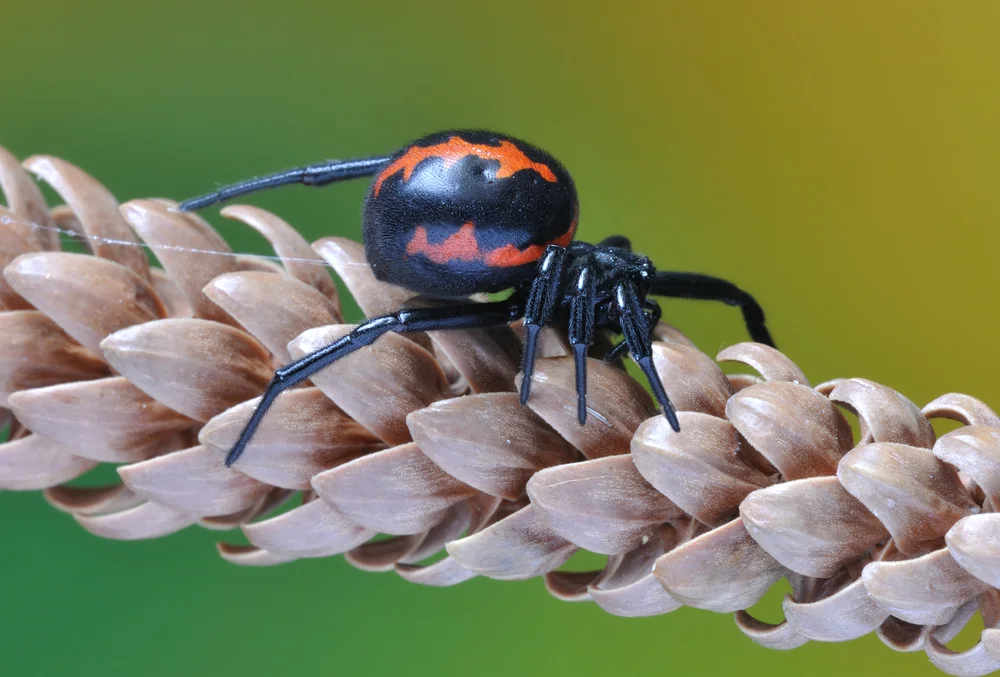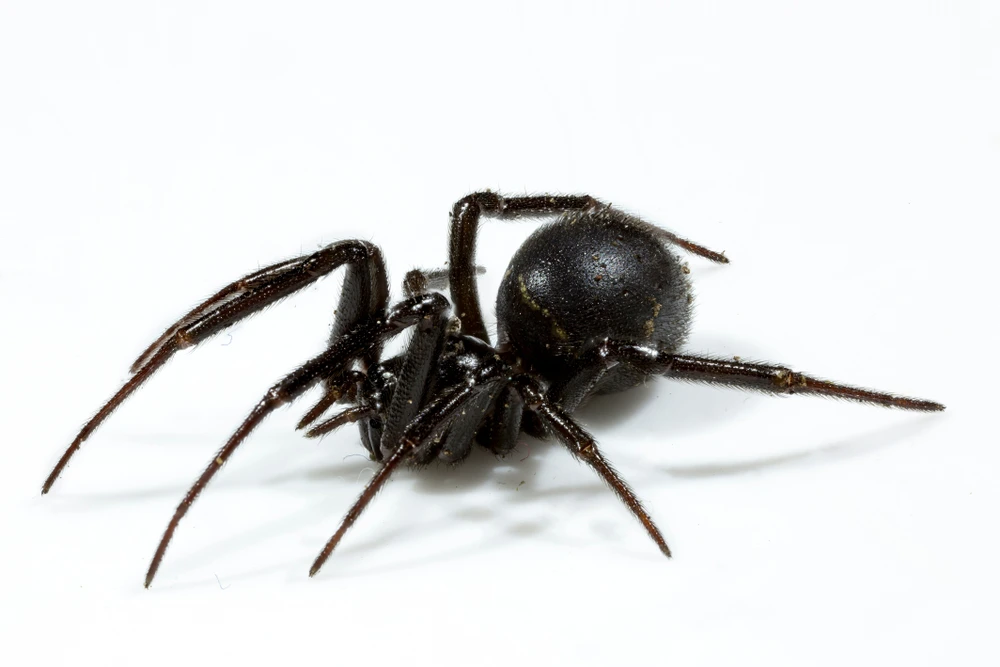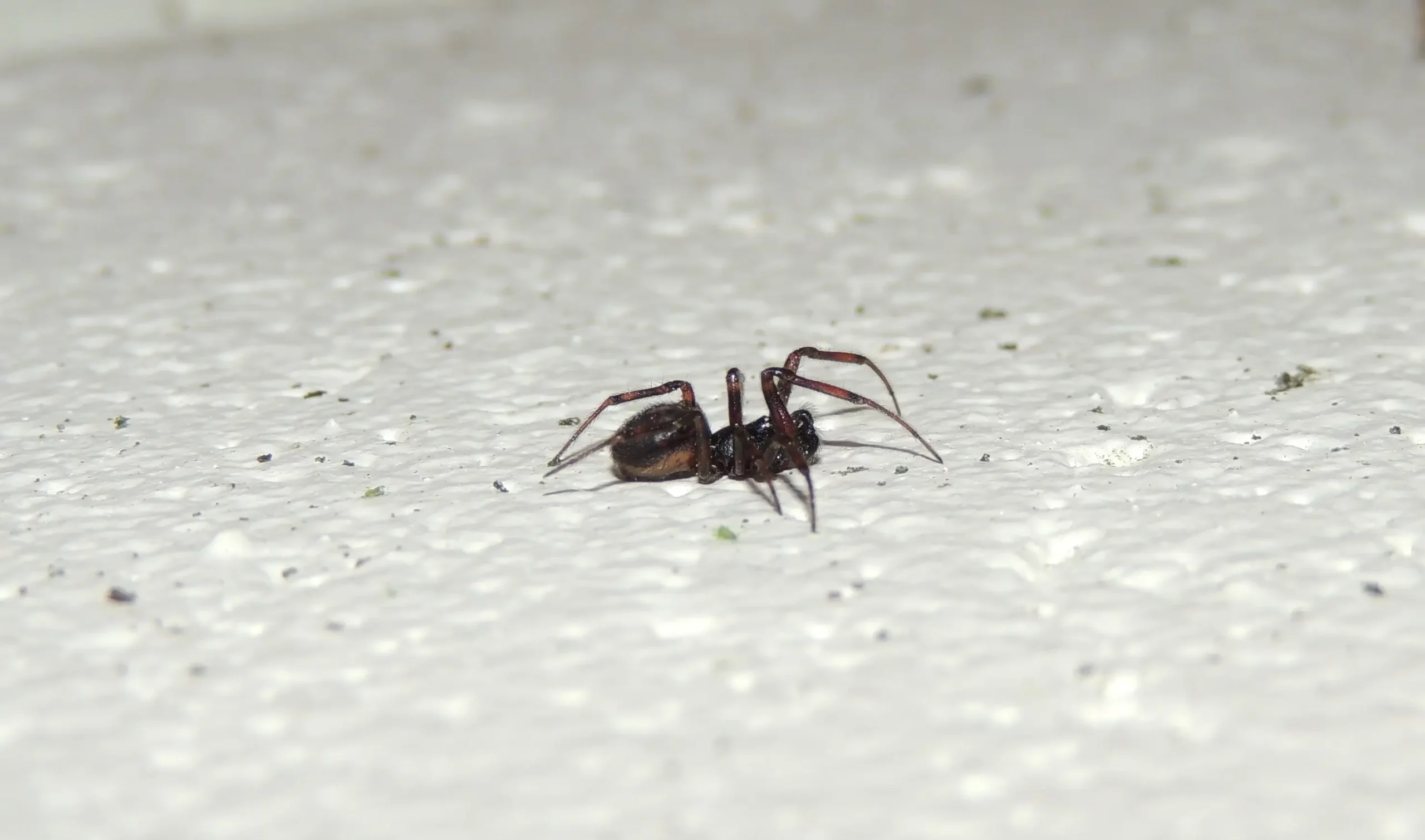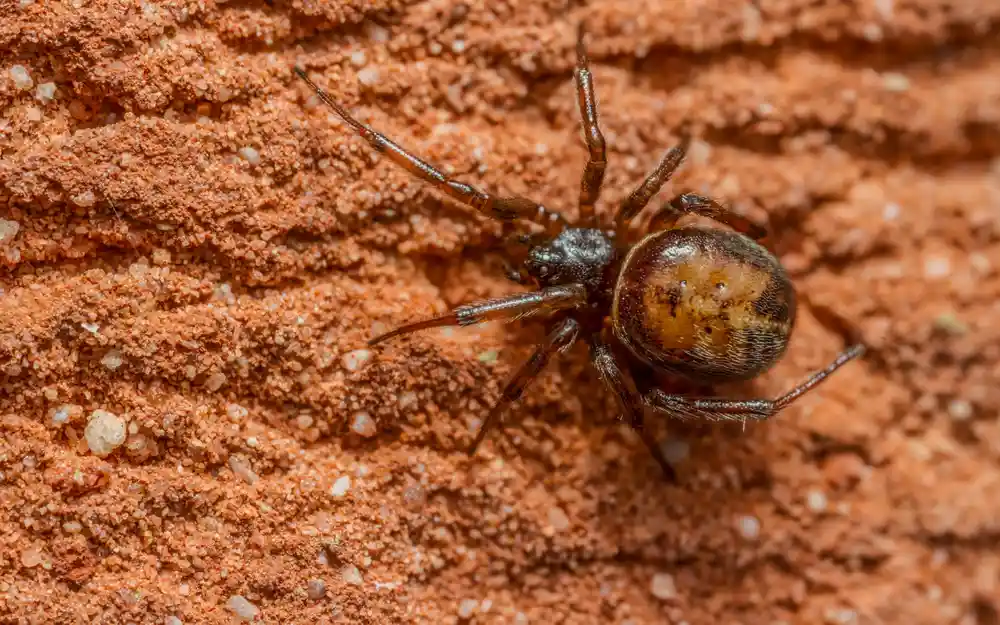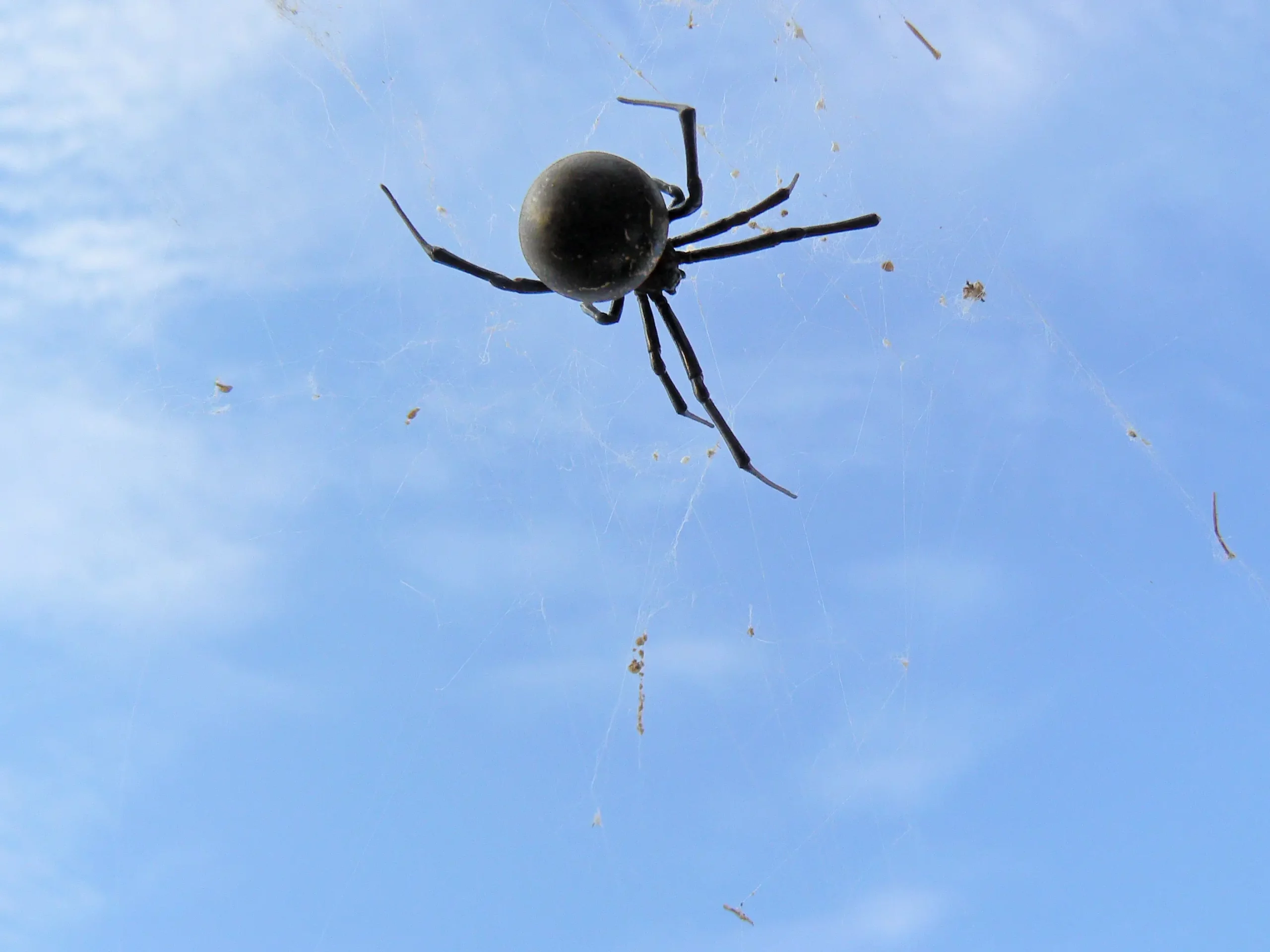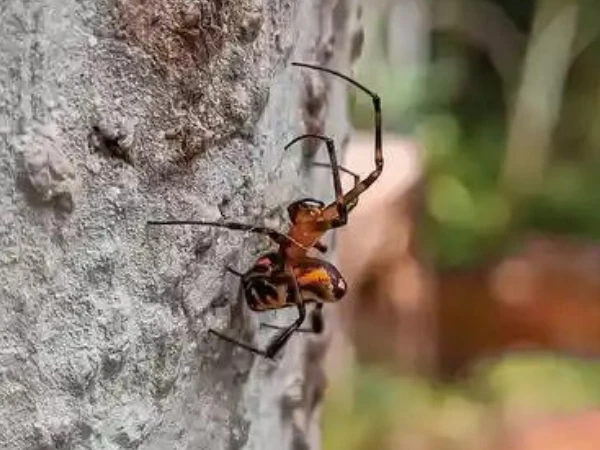


Sweden is a paradise for nature lovers for it has plenty of natural views to offer such as lakes, forest, and snow-capped mountains. This diverse location attracts a variety of wildlife such as brown bears, reindeers, and artic foxes. Oh, and did you know there are spiders too? In fact, Sweden has over 700 spider species. Fortunately, most spiders in Sweden are harmless to humans.

Spiders in Sweden Identification Chart
| Window spider (Amaurobius fenestralis) | Marbled Orb Weaver/Pumpkin Spider (Araneus marmoreus) | Charcoal Spider (Tegenaria ferruginea) |
| Giant Huntsman Spider (Heteropoda maxima) | Giant House Spider (Eratigena atrica) | Silver-sided Sector Spider (Zygiella x-notata) |
 Southern Black Widow (Latrodectus mactans) - Did you know there's a spider called the southern black widow? It's mostly found in North America. It has family members like the western black widow and northern black widow, and they look a bit alike.… Continue Reading >
 Cross Orb Weaver (Araneus diadematus) - Did you know the Cross Orb Weaver spider comes from Europe and North America? Their legs are super cool because they can spin special round webs.… Continue Reading >
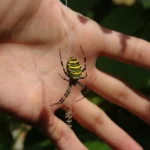 Wasp (Argiope Bruennichi) - The wasp spider is a unique member of the orb-weaver family. Originally from northern and Central Europe, you can also find them in parts of Asia and North Africa.… Continue Reading >
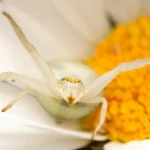 Goldenrod Crab (Misumena vatia) - Goldenrod Crab Spiders are super cool! They can change colors and hang out on flowers, waiting for their food. Instead of making big webs, they use silk for catching food or keeping their eggs safe.… Continue Reading >
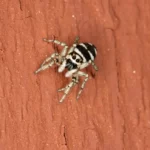 Zebra (Salticus scenicus) - Discover the fascinating world of the Zebra Spider, a creature from the northern hemisphere with stripes like a zebra. These lively spiders don't spin webs to catch their dinner.… Continue Reading >
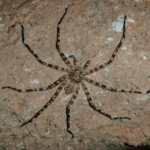 Giant Huntsman (Heteropoda maxima) - The Giant Huntsman spider has a big claim to fame: it has the longest legs among all spiders! Found in the Laos region, this spider is also super speedy. It chases its prey really fast!… Continue Reading >
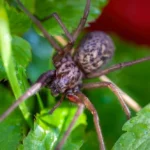 Giant House (Eratigena atrica) - Discover fascinating details about the Giant house spiders! Part of the Eratigena genus, these spiders may have a large appearance, but they're actually quite harmless.… Continue Reading >
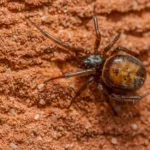 Rabbit Hutch Spider (Steatoda bipunctata) - Discover the intriguing world of the rabbit hutch spider, a comb-footed spider family member. Known for its unique habit of dwelling in places where rabbits live, this spider is more than just its name.… Continue Reading >
© 2024 (Spider Identifications). All rights reserved. Reproduction in whole or in part without permission is prohibited.
Follow us on: