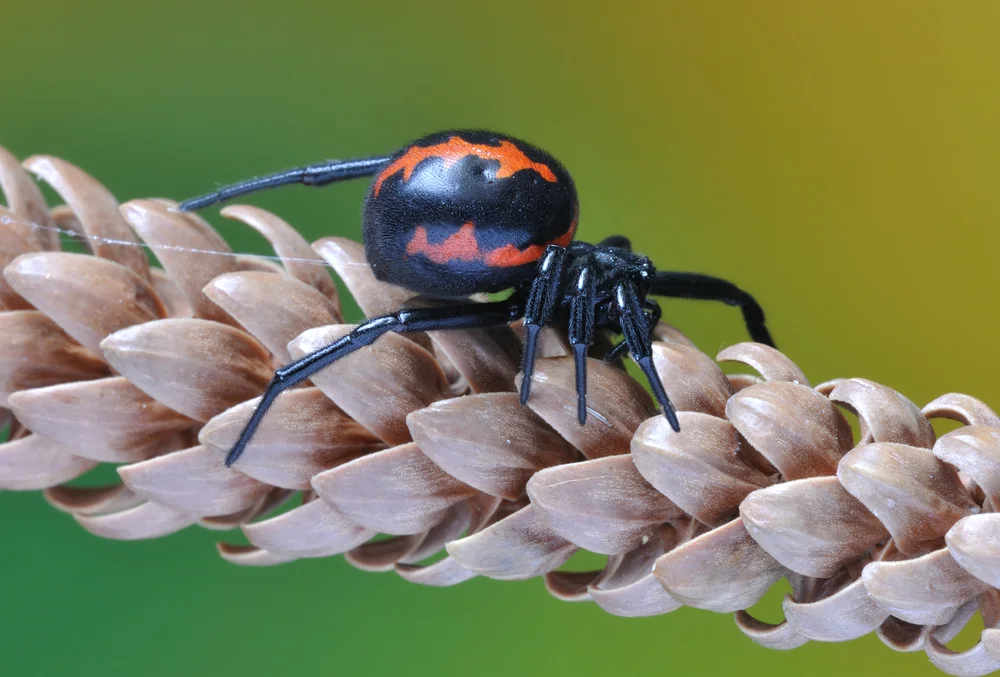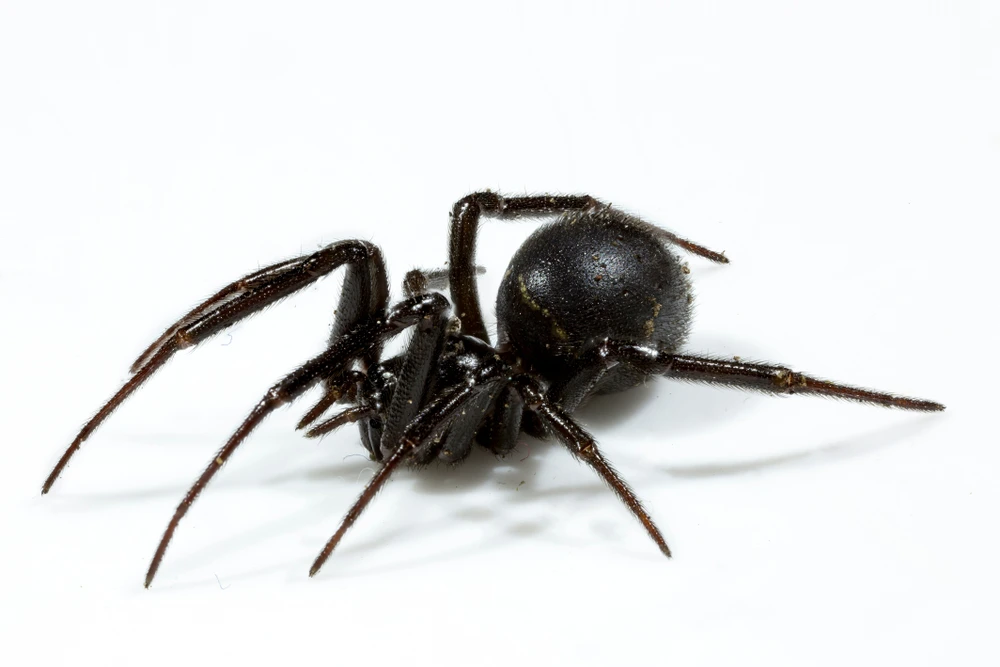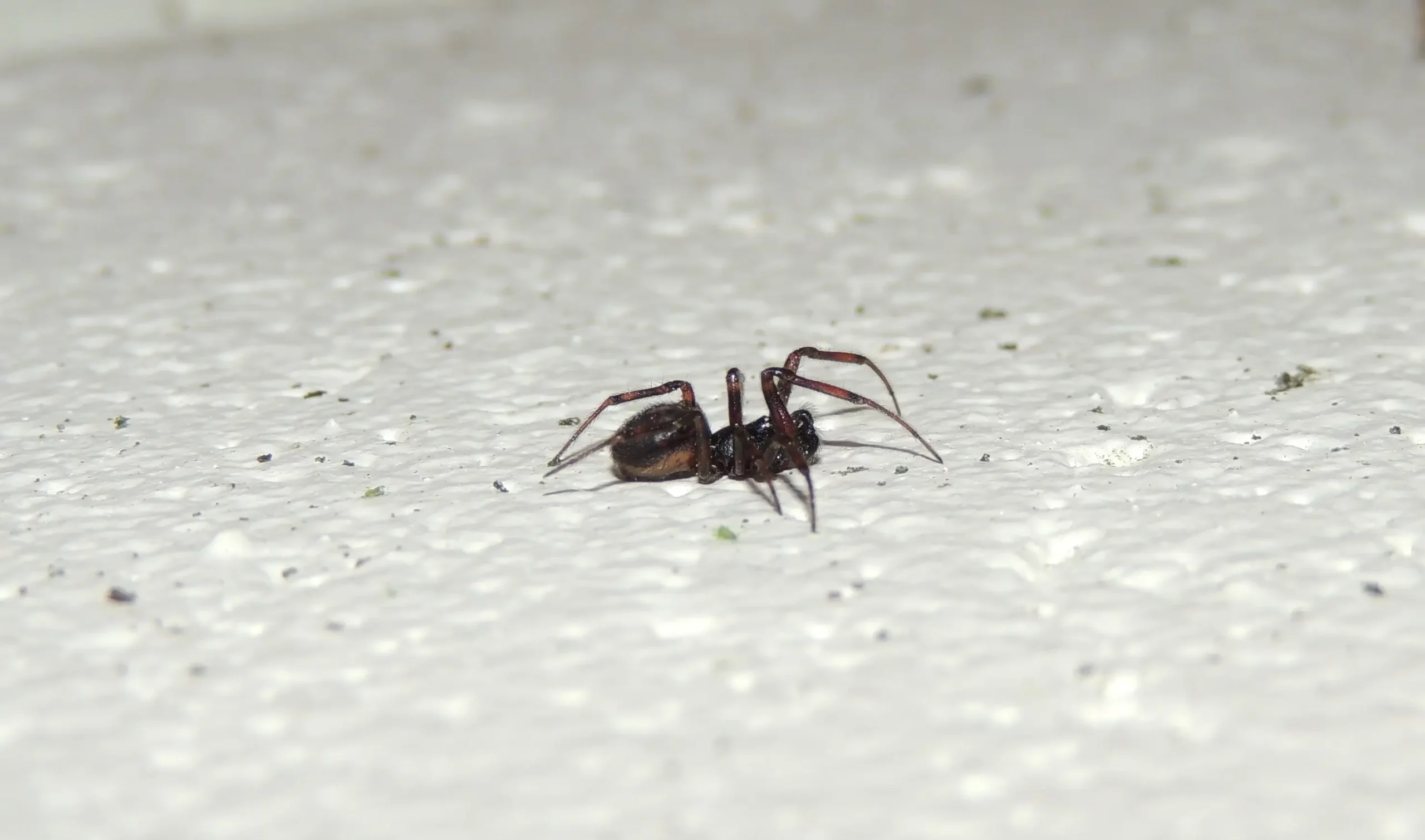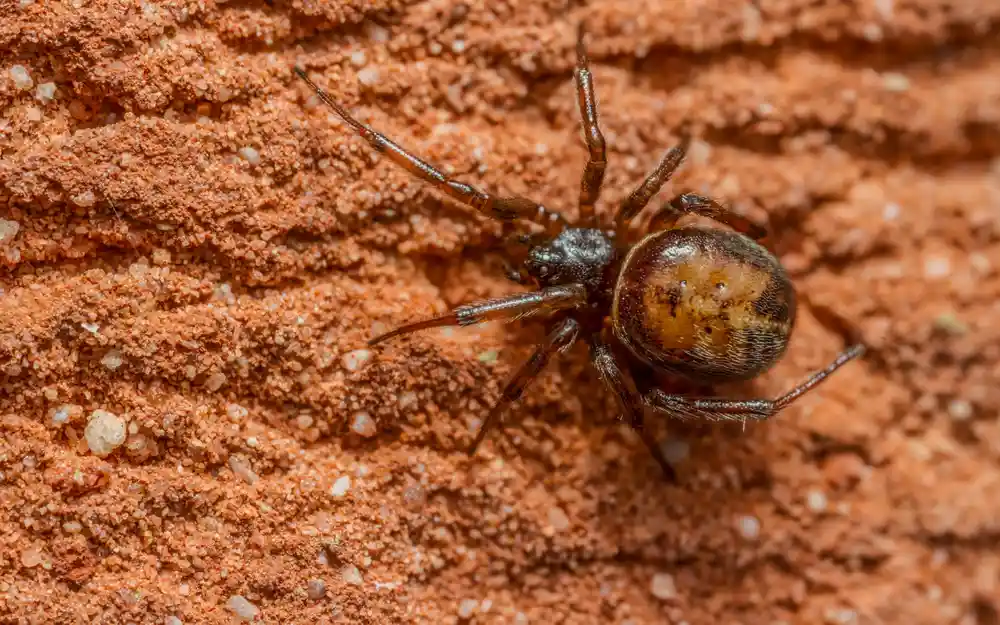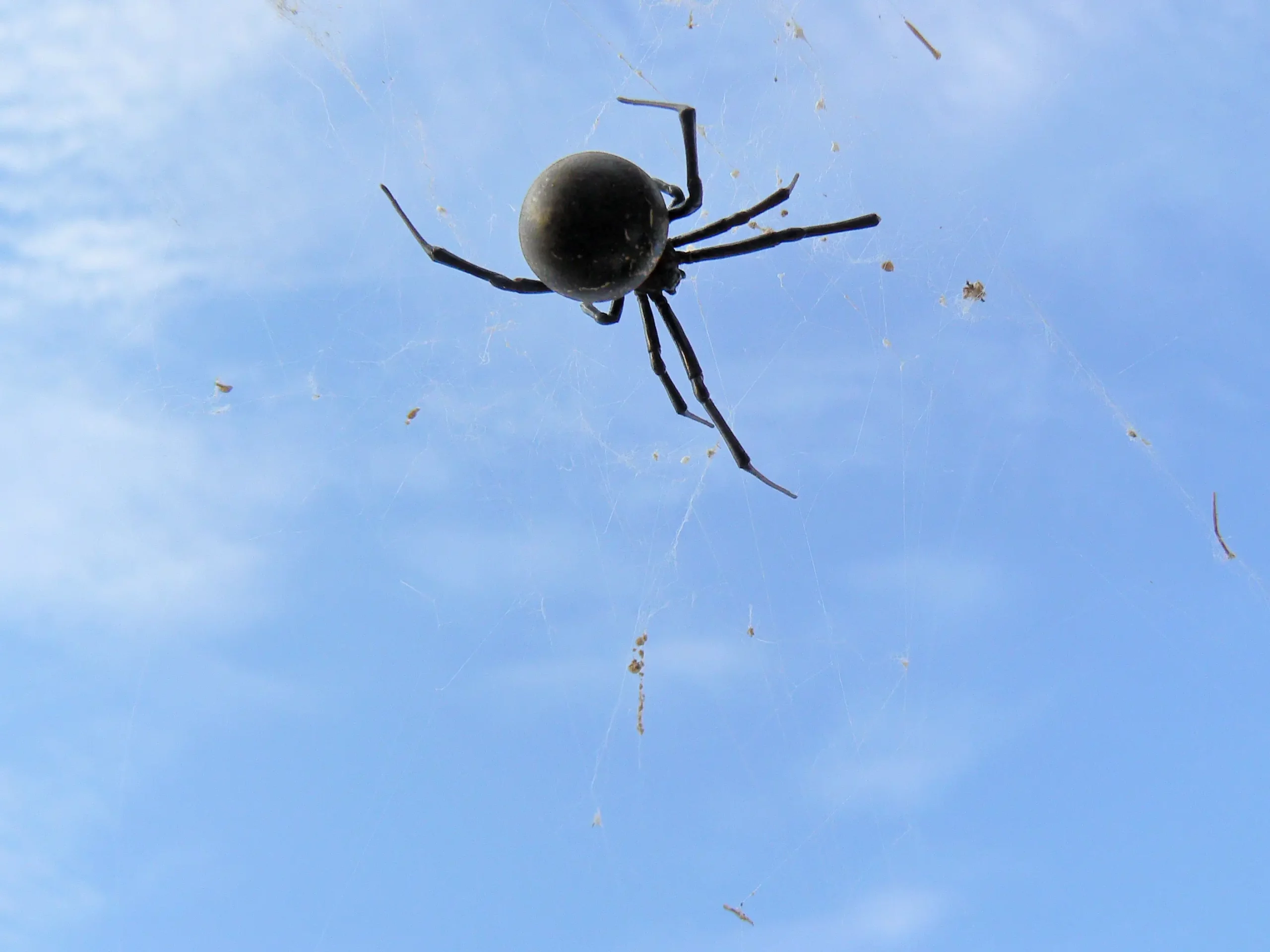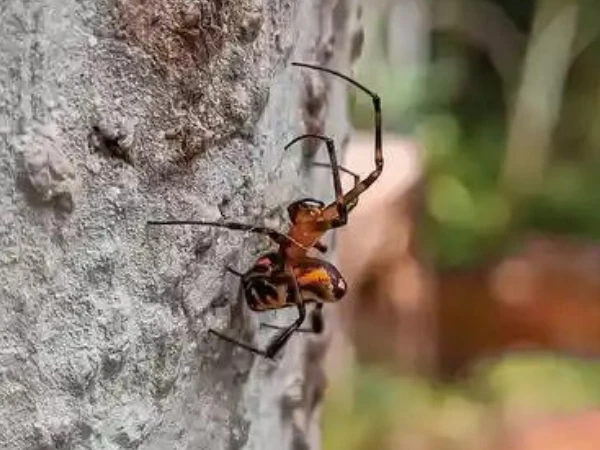


Cuba is a paradise of the Caribbean. Its location is one of the reasons why it has a diverse yet unique wildlife. It is home to a wide array of beautiful creatures including species of spiders. There are dangerous species of spiders, and they tend to blend with people in the island. If you have plans of visiting Cuba, it is best if you equip yourself with the right information about spider species that you might encounter during your trip.

Spiders in Cuba Identification Chart
| Swift Crab Spiders (Mecaphesa Celer) | Hentz Jumping Spiders (Hentzia Palmarum) | Bold Jumping Spiders / Bold Jumpers Spiders (Phiddipus audax) |
| Regal Jumper Spiders (Phidippus regius) | Silver Argiope or Silver Garden Orb Weaver Spiders (Argiope argentata) | — |
| Rustic Wolf Spider (Trochosa Ruricola) | Cuban Bronze Tarantula (Phormictopus Auratus) | — |
 Chilean Recluse (Loxosceles laeta) - Imagine a spider called the Chilean recluse. It's known to be the most dangerous of its kind because of its strong venom. While its name hints at its home in Chile, you can also find it in places like Ecuador, Argentina, and Brazil.… Continue Reading >
 Six-spotted Fishing (Dolomedes triton) - Discover the Six-spotted Fishing Spider, often known as the dock spider. These large, semi-aquatic spiders are daytime hunters. They're experts at waiting near water edges, among bushes, ready to catch their next meal.… Continue Reading >
© 2024 (Spider Identifications). All rights reserved. Reproduction in whole or in part without permission is prohibited.
Follow us on: