

Somalia is probably one of the most recognizable countries in Africa. It is located in Africa’s eastern coast, bordered by Kenya to the southwest and the Indian Ocean to the east. With its location, it is not surprising to know that there are plenty of living creatures in Somalia including big and small. It also has varied climate and topography making Somalia a home to many different creatures, especially spiders. Get to know more about different spider species you can find in Somalia.

Spiders in Somalia Identification Chart
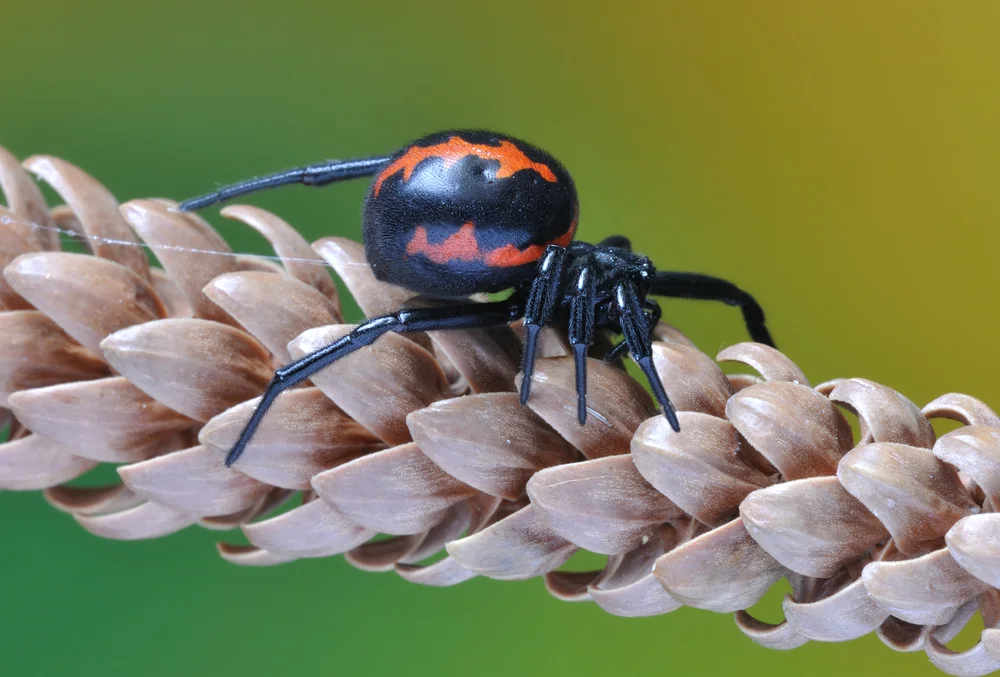
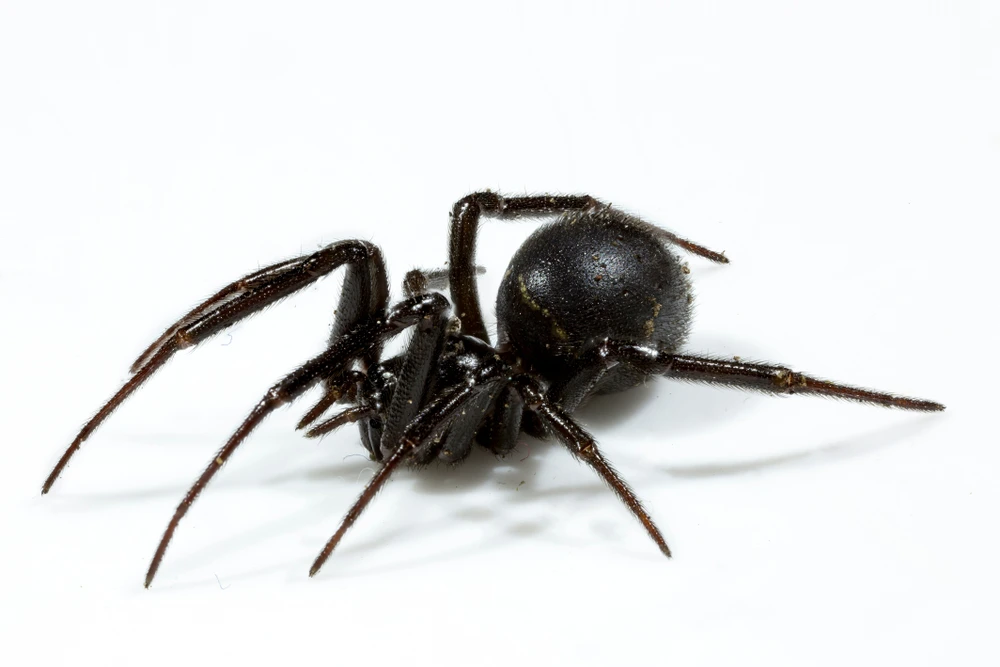
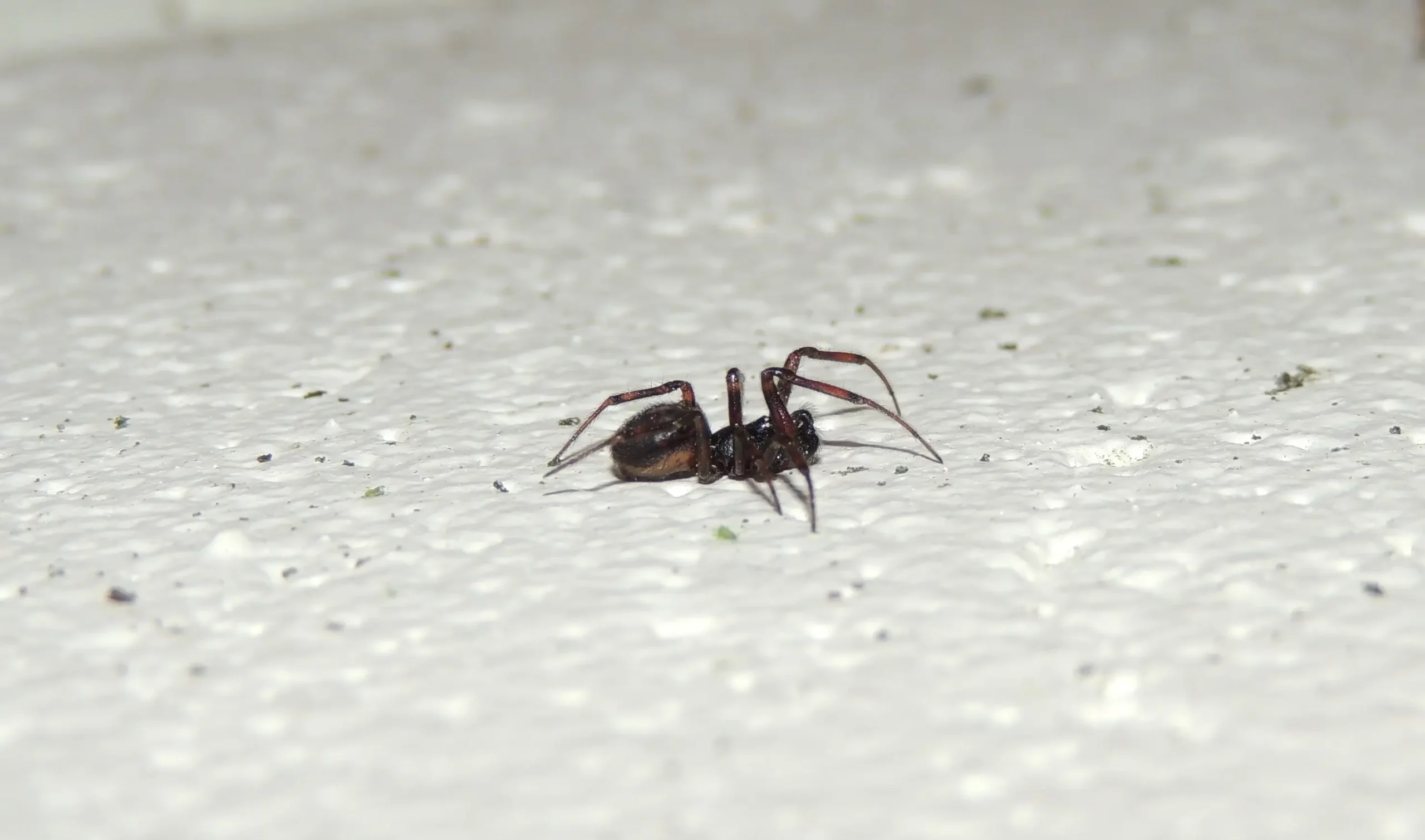
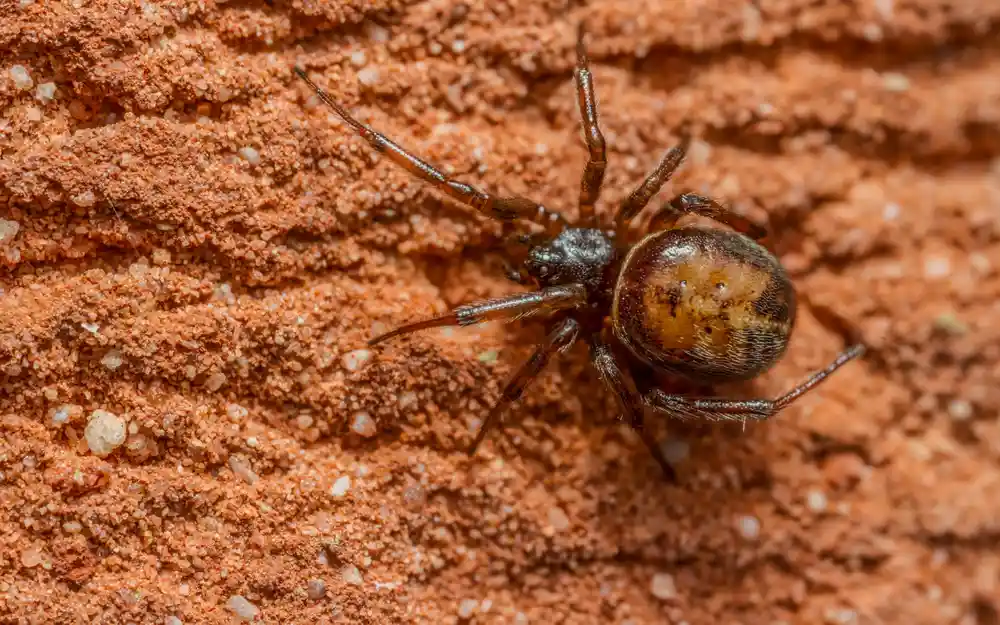
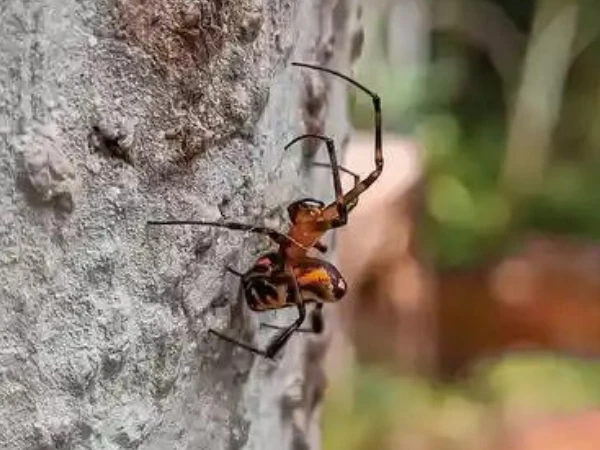
| Shorthorn Kite Spider (Gasteracantha sanguinolenta) | Common House Spider (Parasteatoda tepidariorum) | — |
| King Baboon Spiders (Pelinobius muticus) | Redback Spider (Latrodectus hasselti) | — |
 Brown Recluse Spider (Loxosceles reclusa) - The brown recluse spider is a special spider found mostly in the central and southern parts of the U.S. It's part of a small group of spiders in North America known for having strong venom, along with the Chilean recluse and black widow.… Continue Reading >
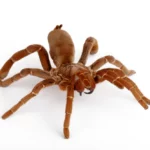 King Baboon Tarantula (Pelinobius muticus) - The King baboon tarantula is a unique spider from East Africa. It's the only one in the Pelinobius family! Many people who love spiders like to have them in their collections.… Continue Reading >
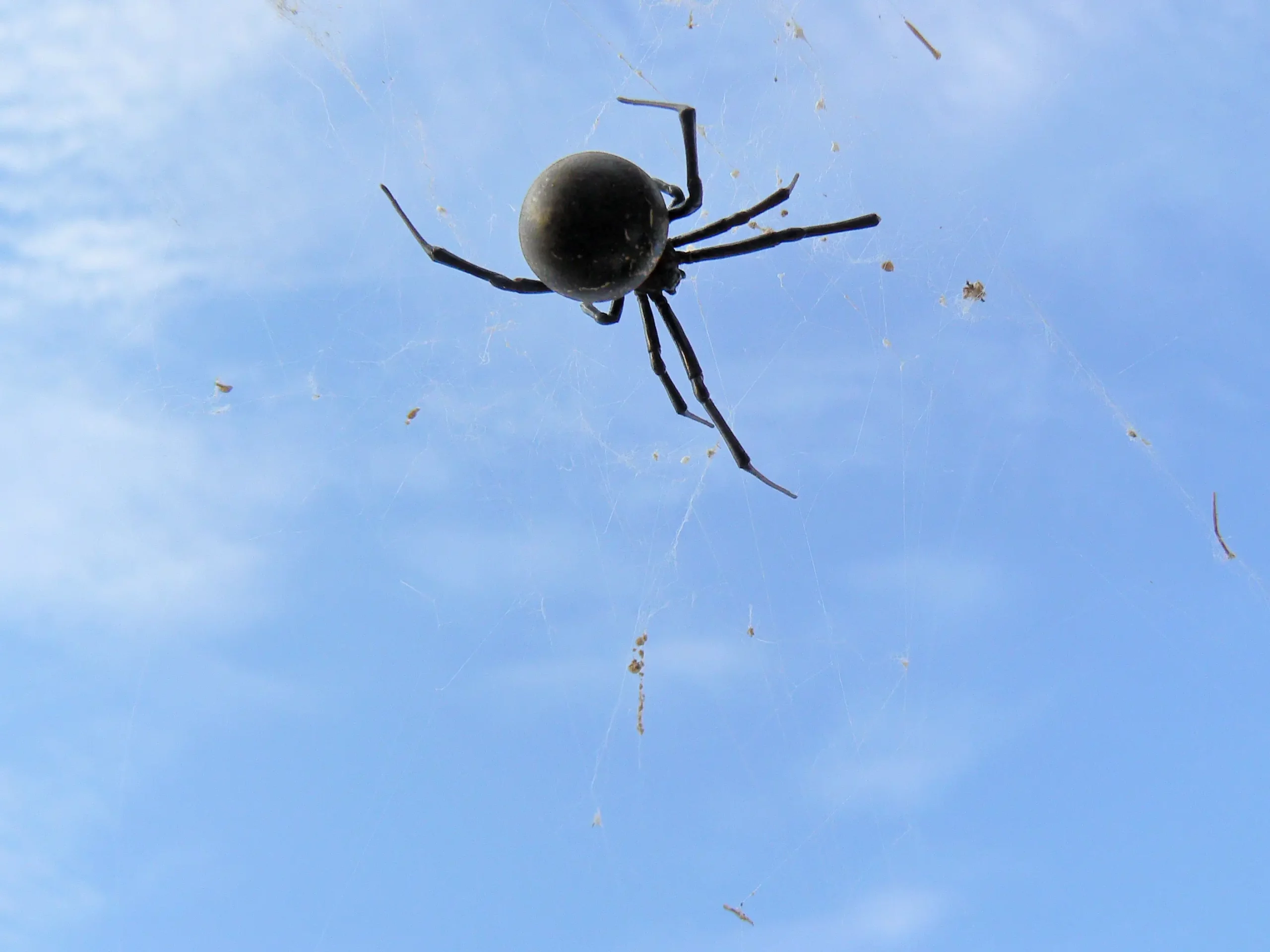
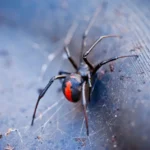 Redback Spider (Latrodectus hasseltii) - The Redback spider, often called the Australian black widow, comes from places in Australia. Nowadays, you can find it all over Australia and even in New Zealand.… Continue Reading >
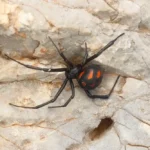 Widow (Latrodectus) - Meet the Latrodectus spiders, often known as true widows! They're part of the cobweb spider family. By July 2017, there were 31 types of them, living everywhere except Antarctica.… Continue Reading >
© 2024 (Spider Identifications). All rights reserved. Reproduction in whole or in part without permission is prohibited.
Follow us on: