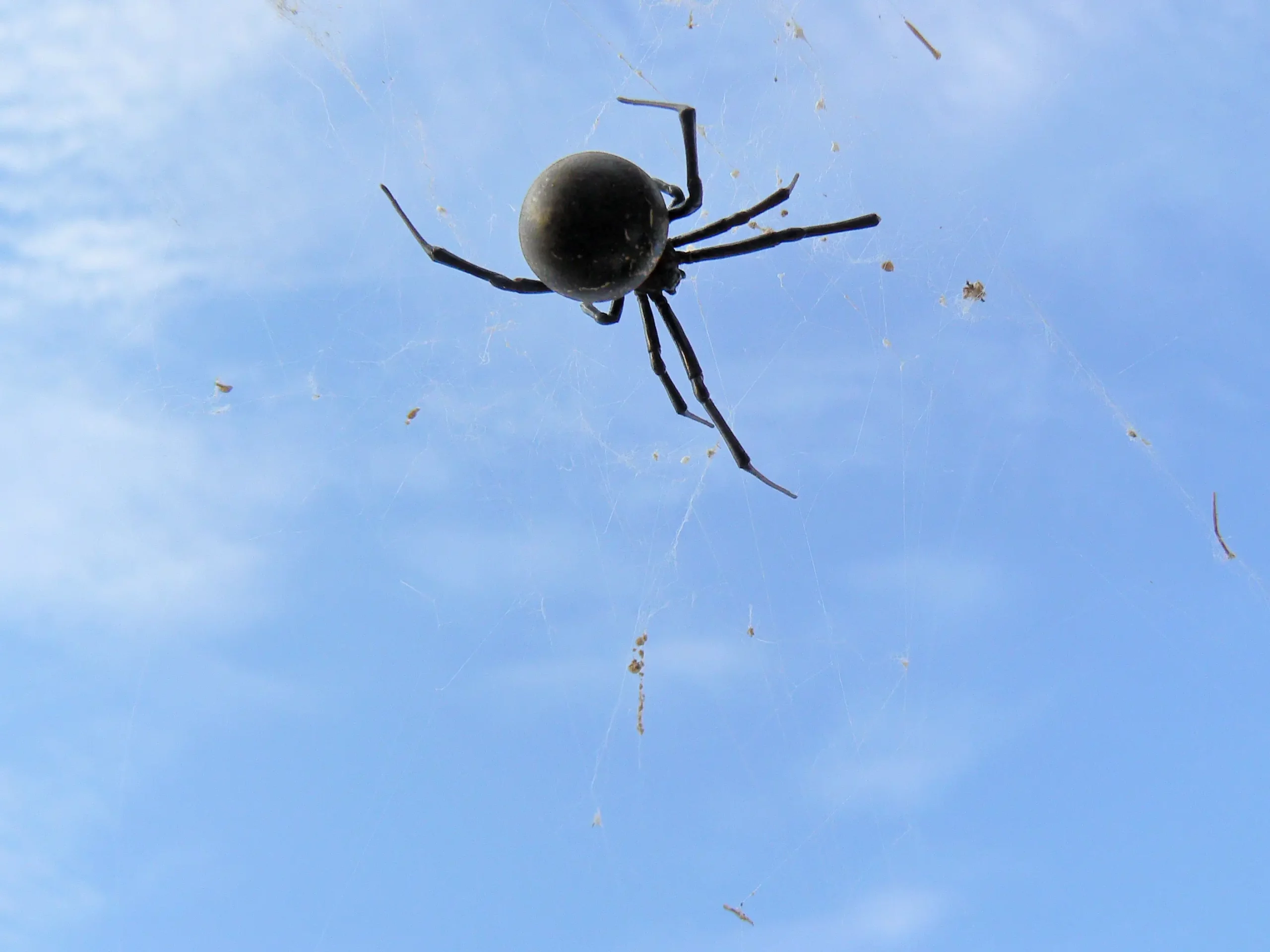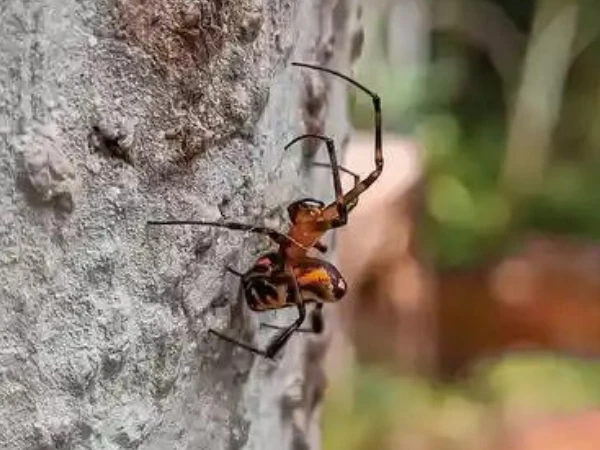


Curacao is one of the countries consisting the southern Caribbean Sea. It is also a part of the Dutch Caribbean. Although the island has its unique charm and beauty, you have to be mindful because there are exotic animals and some not so pleasant crawlers. If you have fear of spiders, you have to be very mindful as there are possibilities that you will encounter spiders during your visit. Some of these spider species are completely harmless to humans and other living creatures. However, there are a few that are highly venomous and their bites warrant immediate medical attention.

Spiders in Curaçao Identification Chart
| Common House Spider (Parasteatoda tepidariorum) | Common Harvestman Spider (Phalangium opilio) | Trap Door Spider (Ctenizidae) |
| Pantropical Huntsman Spider (Heteropoda venatoria) | — | — |
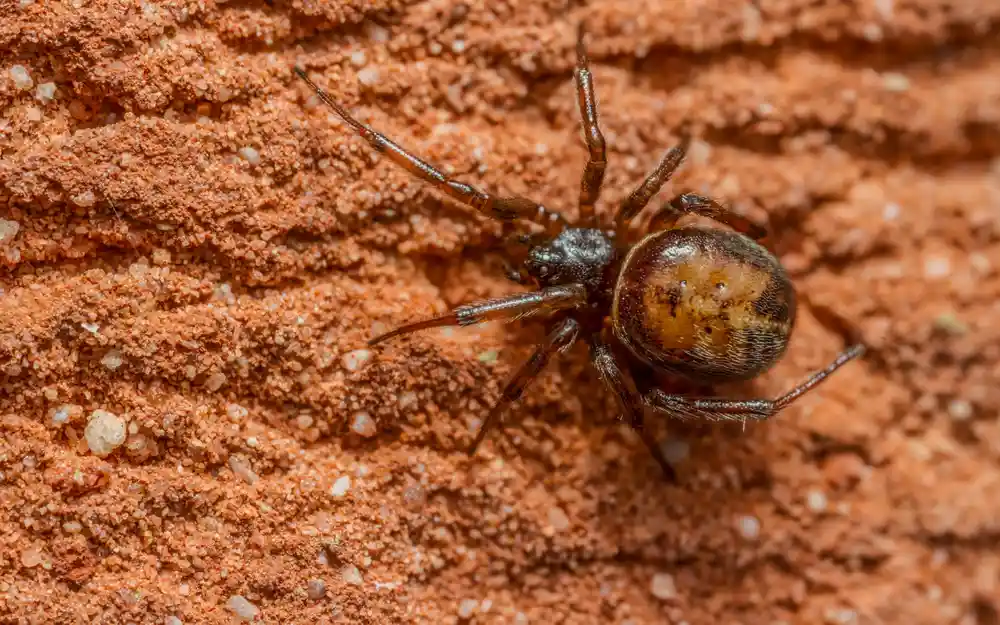
 Brown Widow (Latrodectus geometricus) - The Brown Widow Spider is a cool spider that belongs to the cobweb spiders family. Some people know more about its cousin, the Black Widow, but the Brown Widow has its own interesting story.… Continue Reading >
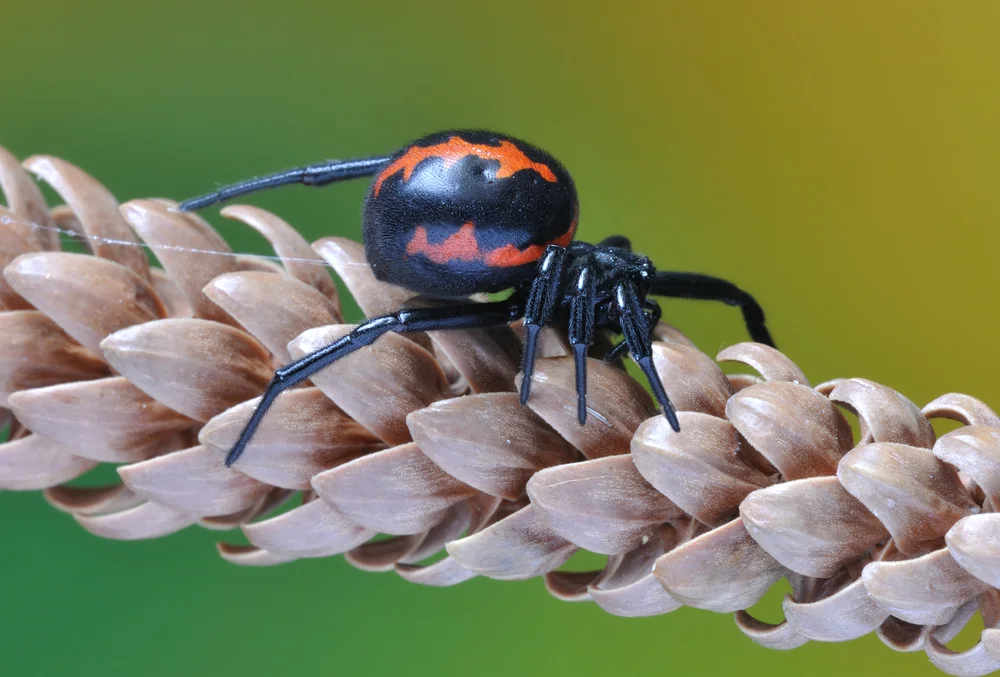
 Redback Spider (Latrodectus hasseltii) - The Redback spider, often called the Australian black widow, comes from places in Australia. Nowadays, you can find it all over Australia and even in New Zealand.… Continue Reading >
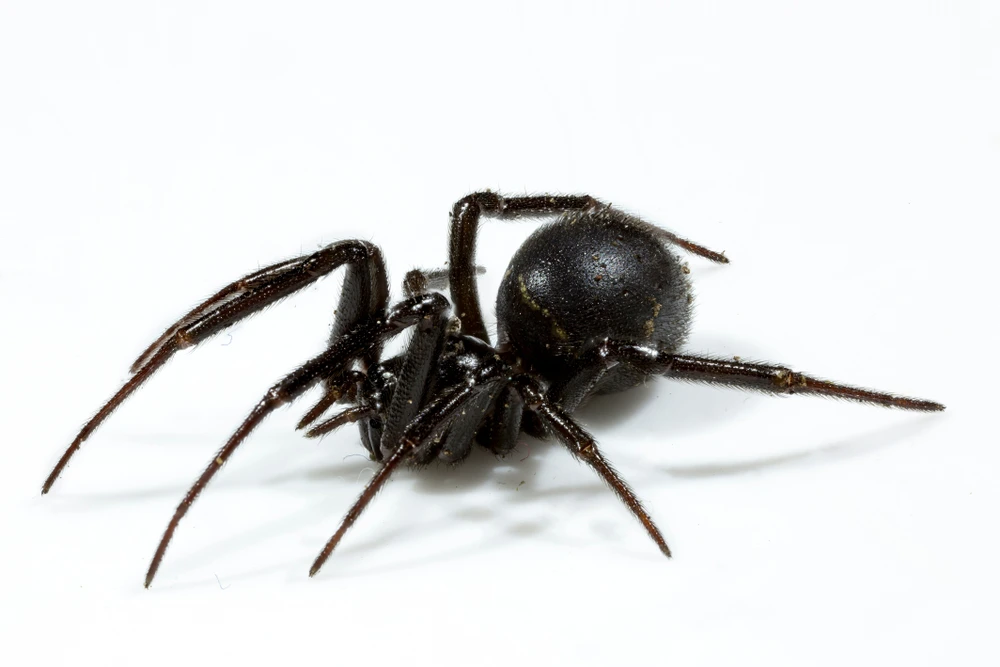
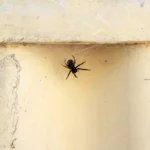 Black House (Badumna insignis) - The Black House Spider, sometimes called the common black spider, calls Australia home. But, you can also spot them in Japan and New Zealand. They have a dark, strong look but are quite shy.… Continue Reading >
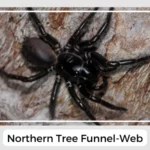 Northern Tree Funnel-web (Hadronyche formidabilis) - The Northern Tree Funnel-web spider is native to Australia and is part of the mygalomorph spider group. Known for its high venom level, it's considered one of the world's deadliest spiders.… Continue Reading >
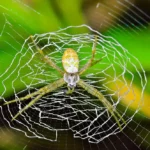 St. Andrews Cross (Argiope keyserlingi) - Did you know there's a spider named after a cross pattern? It's called the St. Andrews Cross spider. This spider lives in Australia and makes a web that looks like a special cross.… Continue Reading >
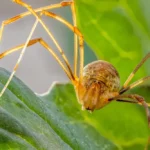 Long Bodied Cellar (Pholcus phalangioides) - The long-bodied cellar spiders are quite interesting! Often seen in America's dark and damp spots, they have really long legs. This is why some folks call them daddy-long-legs.… Continue Reading >
© 2024 (Spider Identifications). All rights reserved. Reproduction in whole or in part without permission is prohibited.
Follow us on: