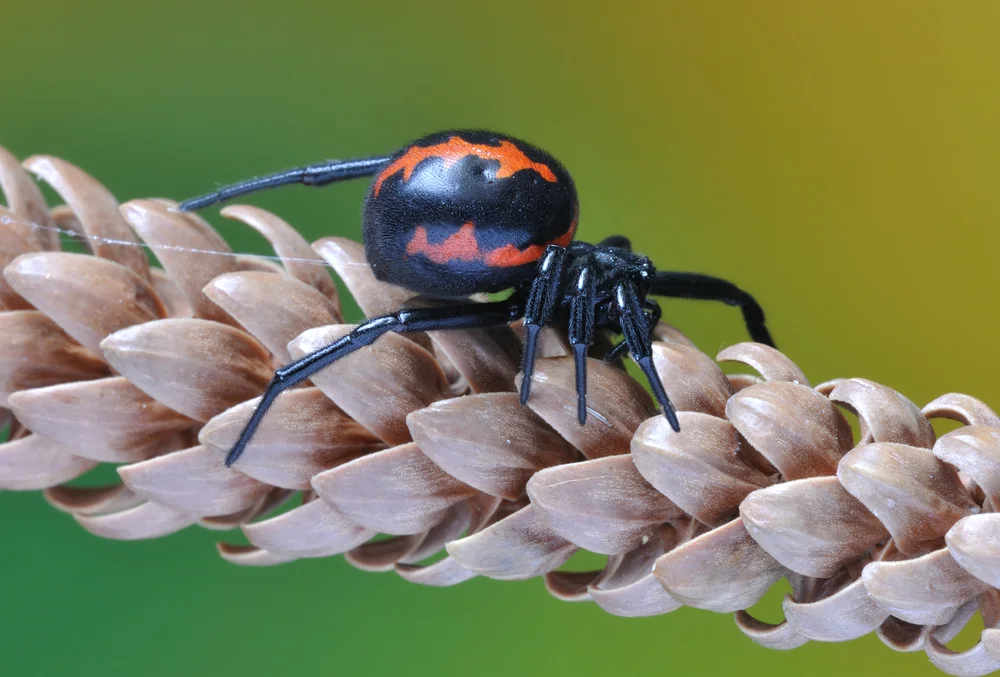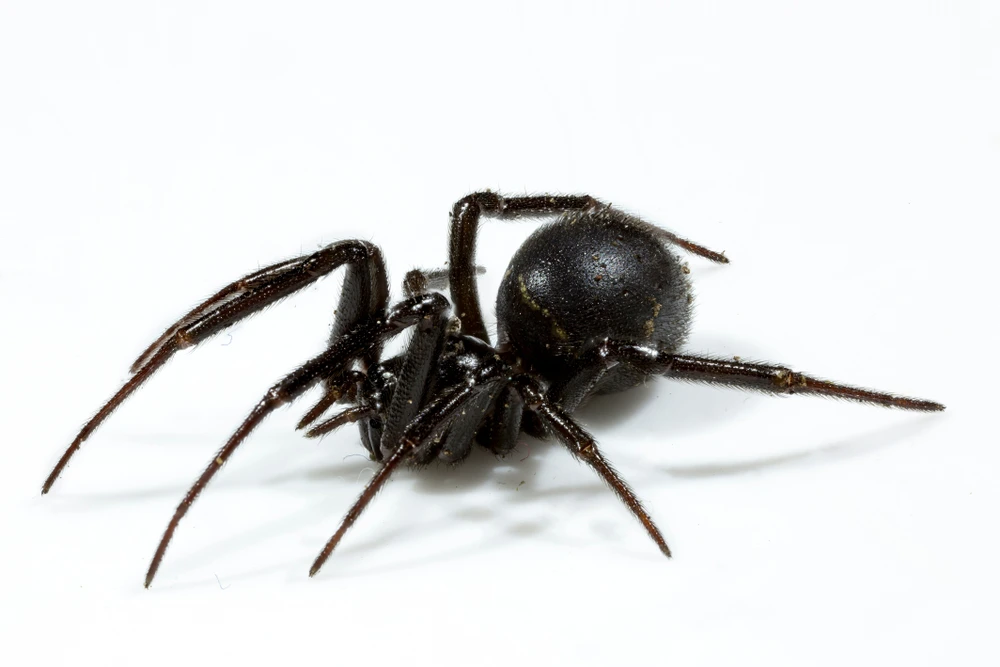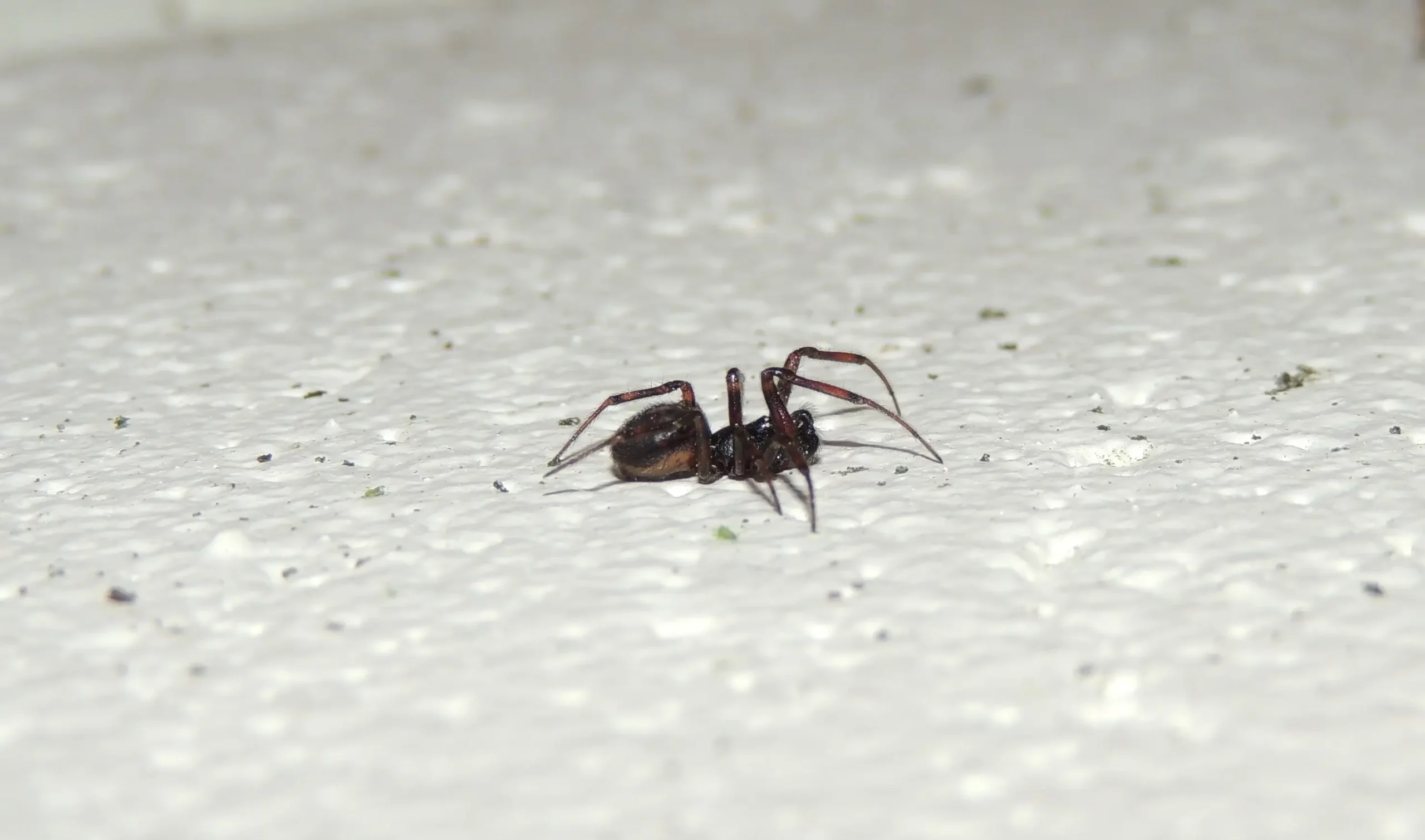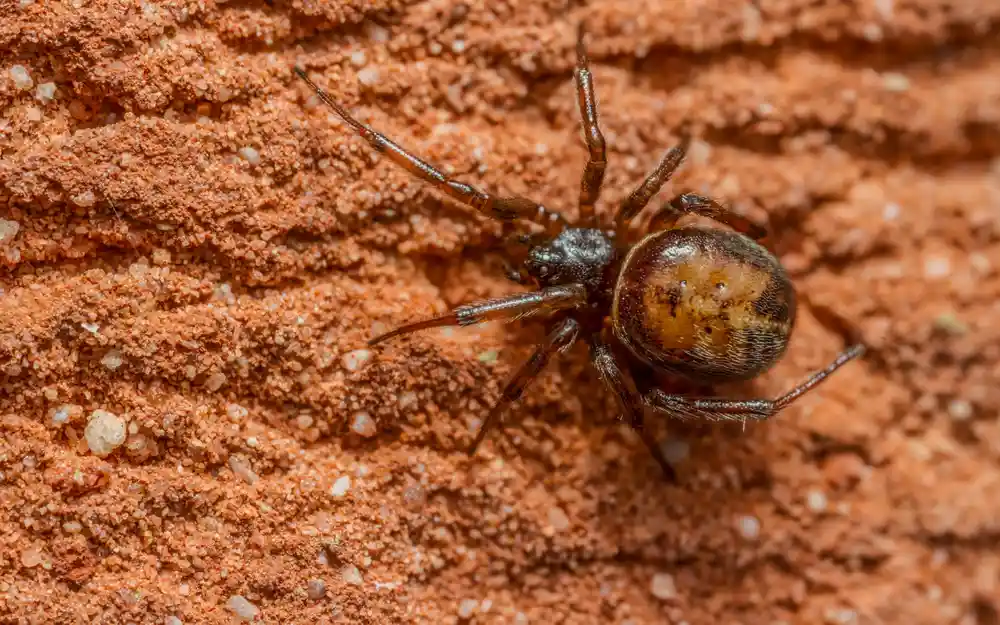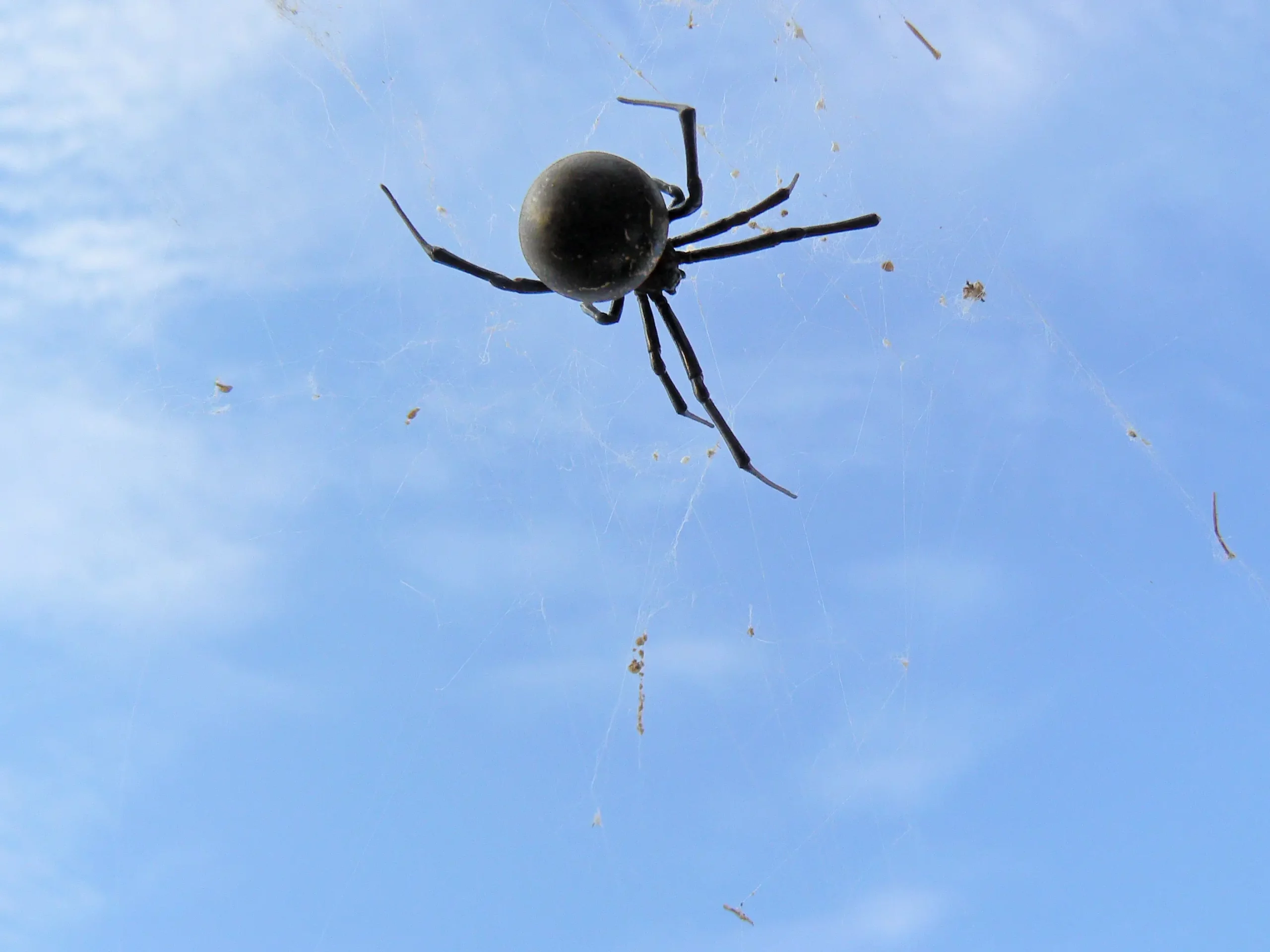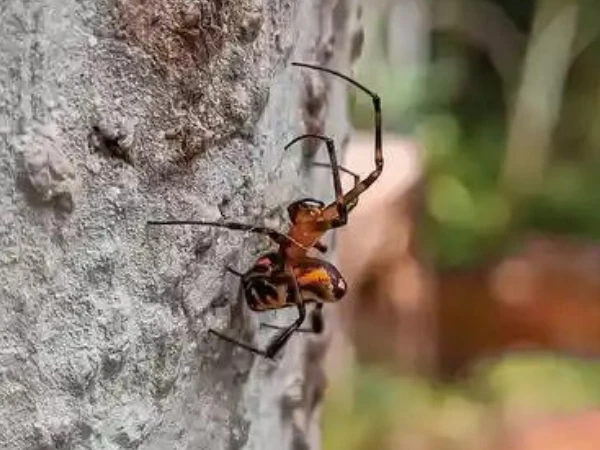


Do you have plans of going to the Dominican Republic anytime soon? If yes, then you should be wary of this beautiful country’s wildlife. By saying this, we also mean being mindful with the spiders that you might encounter. Dominican Republic has its fair share of venomous and non-venomous spiders, but most of these spiders shy away from humans. The incident of bite is rare, but once they bite you, it’s more of they see you as a threat to them as opposed to them being a threat to you.
Of all available species of spiders in Dominican Republic, only two are highly venomous and deadly to humans when not treated in a timely manner. Other spider species will bite you off and their bite might be painful, but does not cause any long-term effects. Needless to say, no matter whether the spider is venomous or not, nobody would want to risk being bitten by spiders. Hence, if you are planning a trip to the Dominican Republic, you need to equip yourself with the different kinds of spiders that you might encounter, especially if you are the type of person who is afraid of creepy crawlers.

Spiders in Dominican Republic Identification Chart
| Orchard Orb Weaver (Leucauge argyra) | Ciba seibo or also known as blind cave spider | Trichopelma maddeni |
| Dominican Blue leg tarantula (Phormictopus cancerides) | Citaracanthus spinicrus | — |
| Hispaniolan Giant Tarantula (Phormictopus Cancerides) | Cuban Cinnamon Tarantula (Citaracanthus spinicrus) | Giant Crab Spider/Banana Spider/Housekeeping Spider (Heteropoda venatoria) |
 Brown Widow (Latrodectus geometricus) - The Brown Widow Spider is a cool spider that belongs to the cobweb spiders family. Some people know more about its cousin, the Black Widow, but the Brown Widow has its own interesting story.… Continue Reading >
 Southern Black Widow (Latrodectus mactans) - Did you know there's a spider called the southern black widow? It's mostly found in North America. It has family members like the western black widow and northern black widow, and they look a bit alike.… Continue Reading >
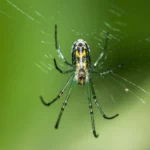 Orchard Orbweaver (Leucauge venusta) - The orchard spider is a special kind of spider called an orb-weaver. It has a long jaw and is found in places like the United States, southern Canada, and parts of Central America.… Continue Reading >
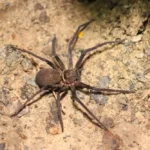 Cane (Heteropoda venatoria) - Picture a large spider called the Cane Spider. It lives in warm, tropical places and doesn't make webs. Instead, it hunts for food when the stars come out!… Continue Reading >
© 2024 (Spider Identifications). All rights reserved. Reproduction in whole or in part without permission is prohibited.
Follow us on: