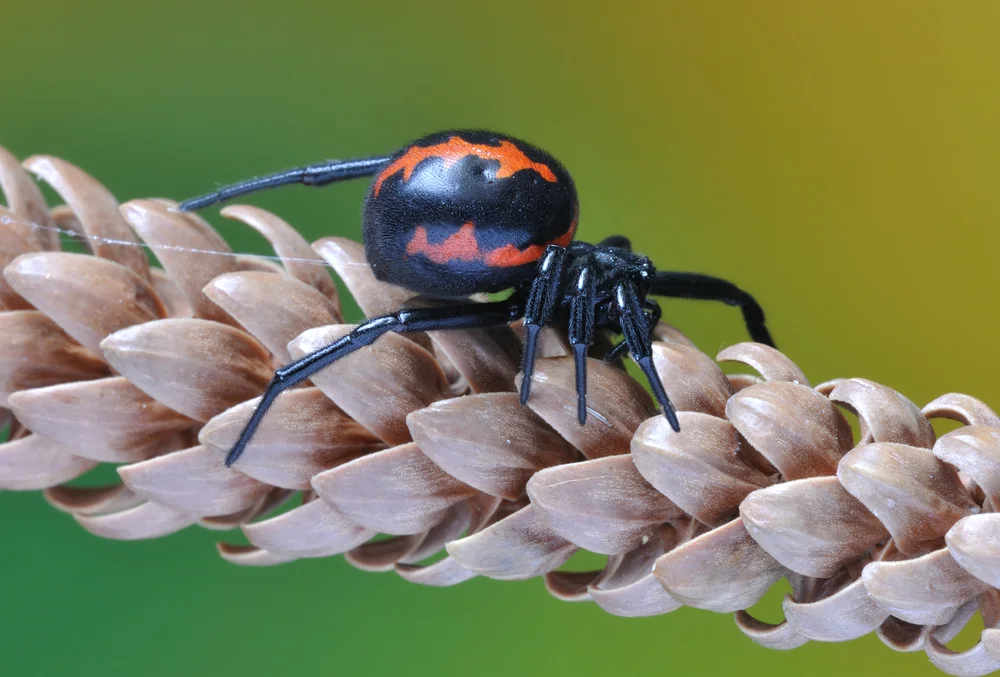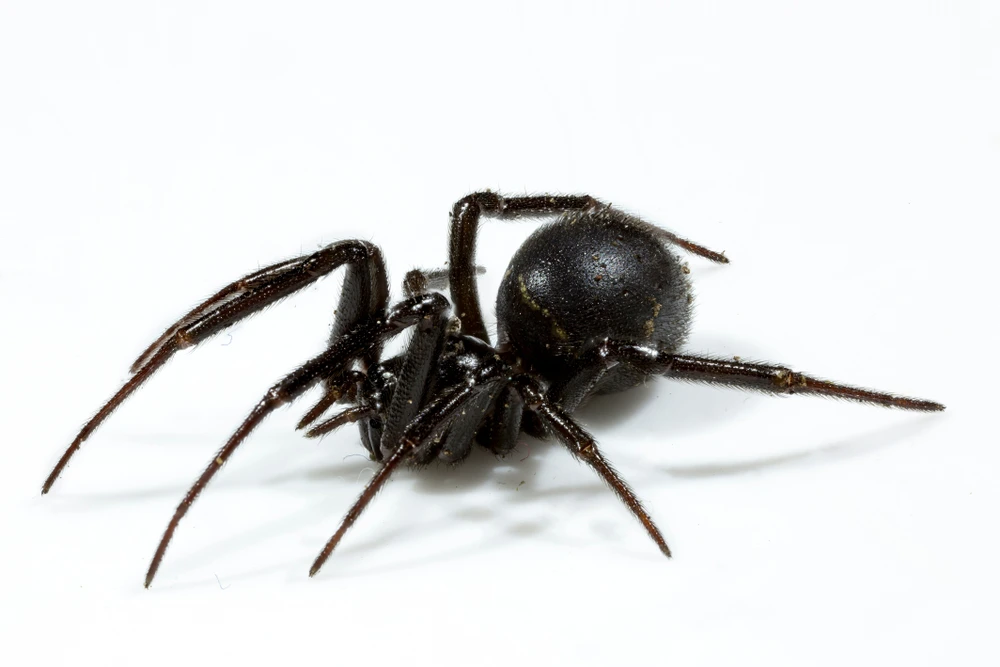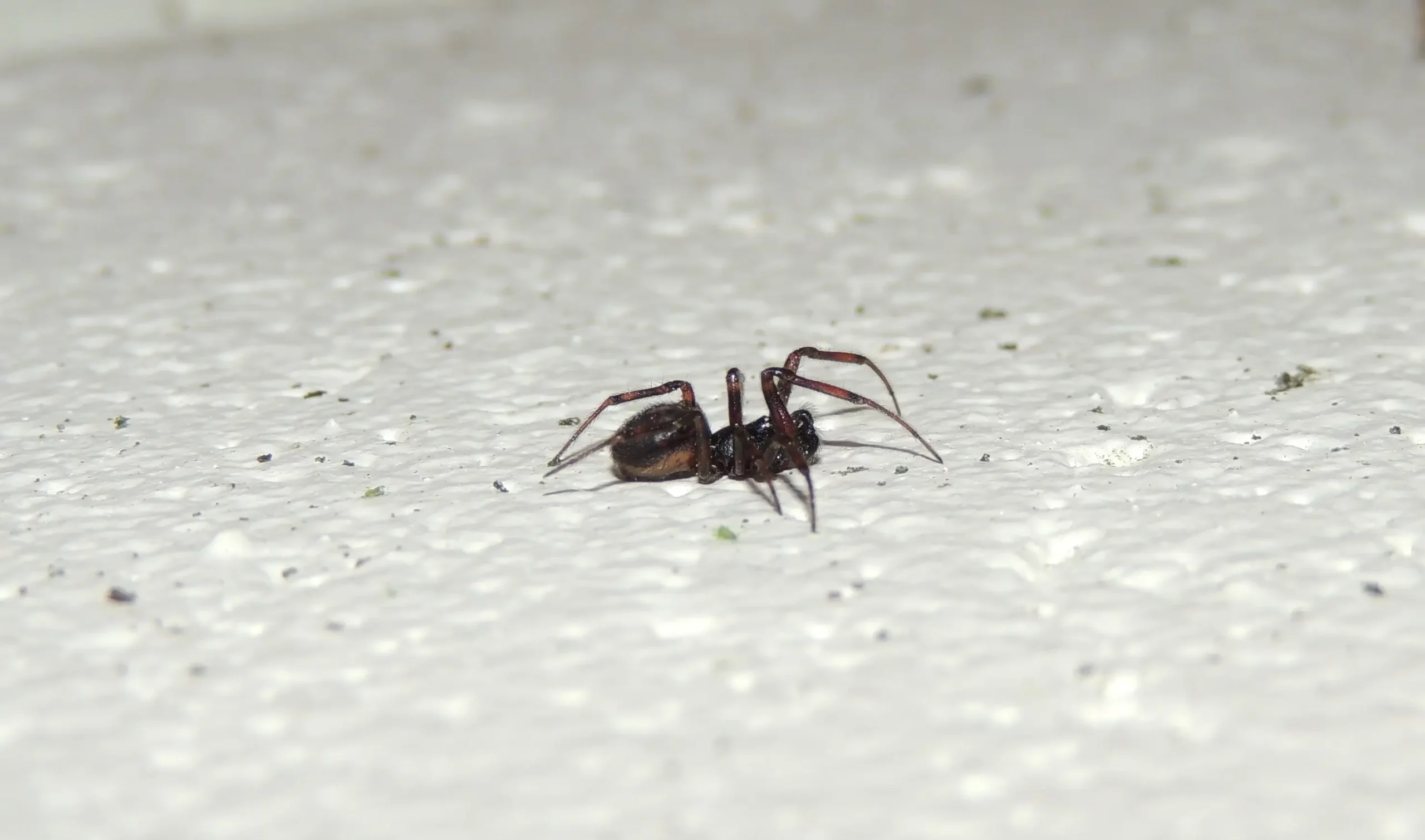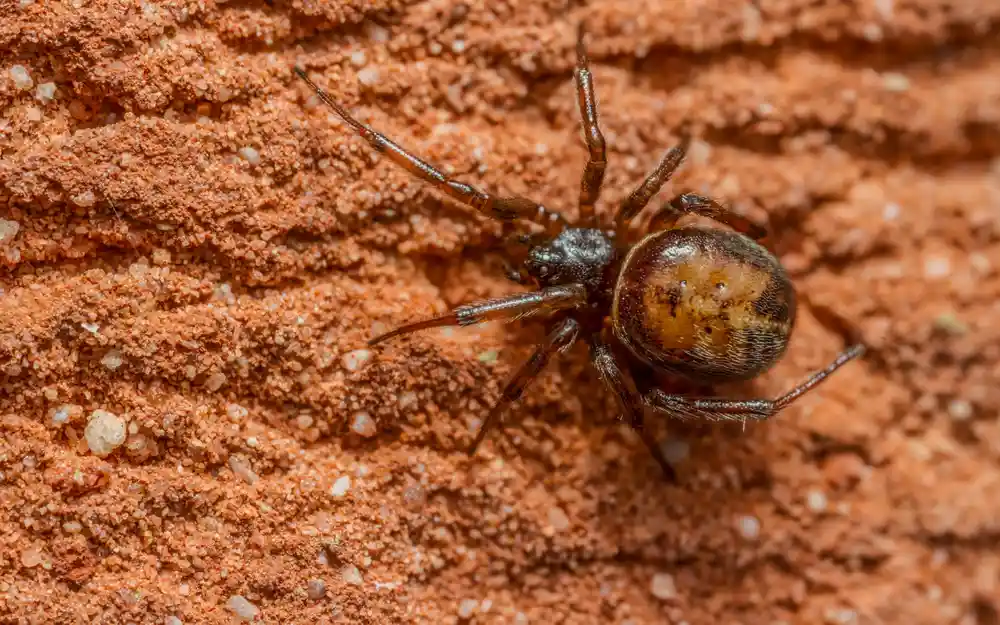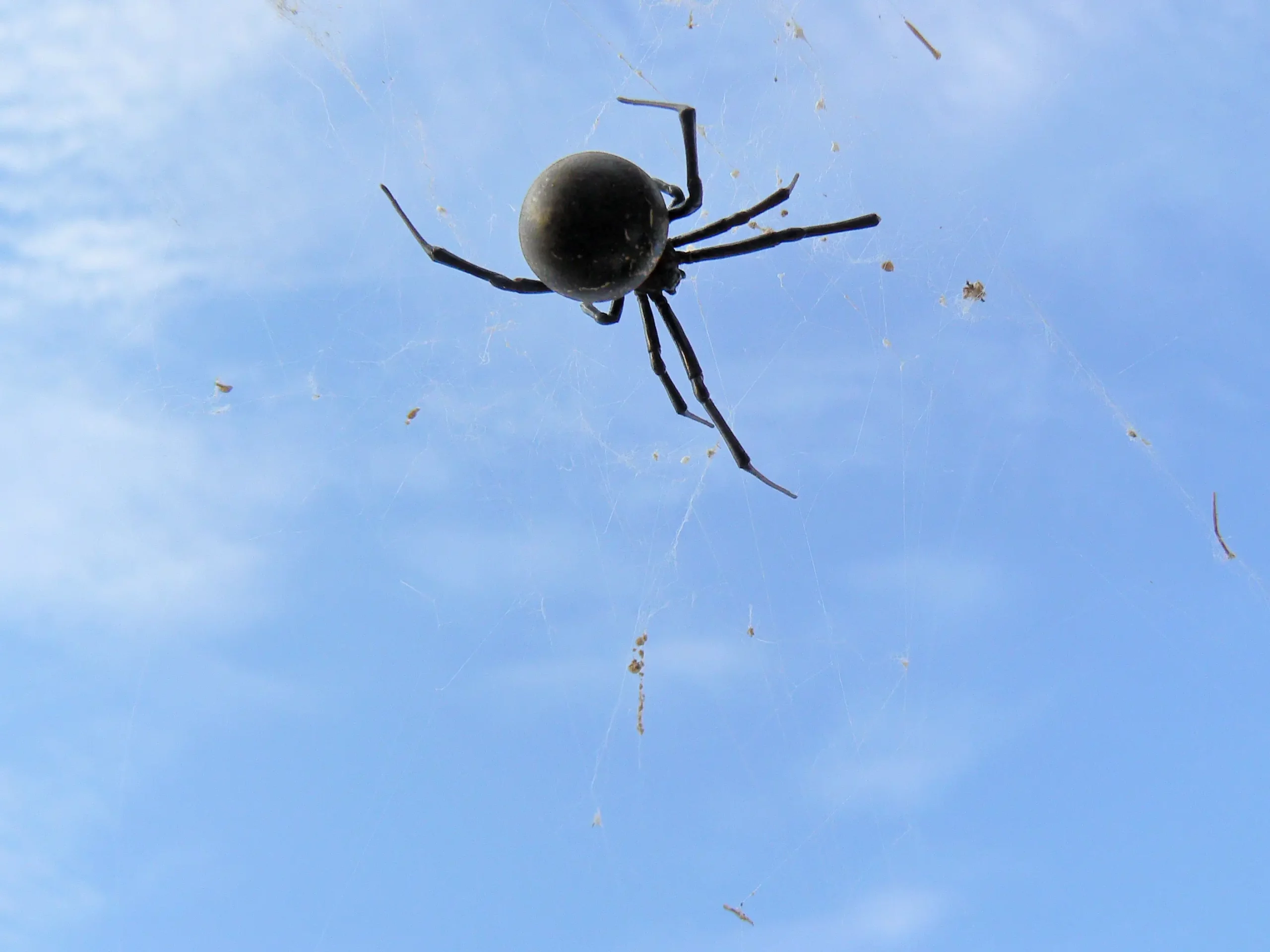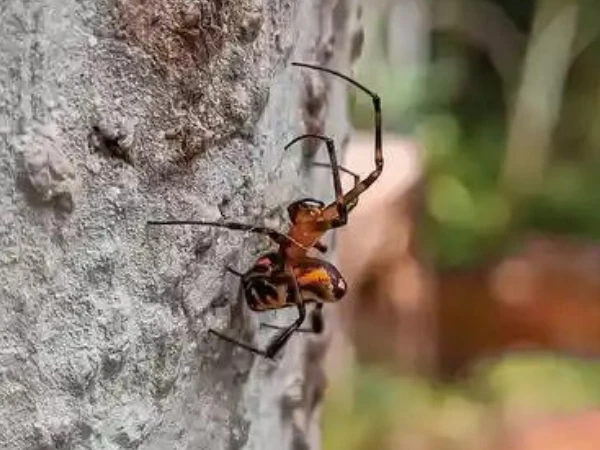


Jamaica is a tropical paradise, and its natural splendor makes it a perfect place for all sorts of living creatures. When visiting the island of Jamaica, be wary of the dangerous spider species as there are bite incidents. The best thing to do is to shy away from places where widow and other dangerous spiders reside to prevent bite incidents. More about Jamaica’s spider species is discussed below.

Spiders in Jamaica Identification Chart
| Daddy Long Legs Spider (Pholcidae Phalangioides) | Black Footed Yellow Sac Spiders | — |
| Huntsman Spiders (Neostasina spp.) | Golden Orbweaver (Nephila clavipes) | — |
 Brown Recluse Spider (Loxosceles reclusa) - The brown recluse spider is a special spider found mostly in the central and southern parts of the U.S. It's part of a small group of spiders in North America known for having strong venom, along with the Chilean recluse and black widow.… Continue Reading >
 Black House (Badumna insignis) - The Black House Spider, sometimes called the common black spider, calls Australia home. But, you can also spot them in Japan and New Zealand. They have a dark, strong look but are quite shy.… Continue Reading >
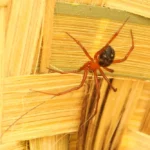 Red Widow (Latrodectus bishopi) - Have you ever seen a bright red spider? There's one called the Red Widow Spider, and it's part of the 'widow spider' family. This special spider lives in just a few places in the United States.… Continue Reading >
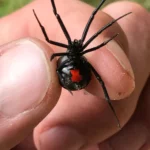 Southern Black Widow (Latrodectus mactans) - Did you know there's a spider called the southern black widow? It's mostly found in North America. It has family members like the western black widow and northern black widow, and they look a bit alike.… Continue Reading >
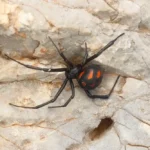 Widow (Latrodectus) - Meet the Latrodectus spiders, often known as true widows! They're part of the cobweb spider family. By July 2017, there were 31 types of them, living everywhere except Antarctica.… Continue Reading >
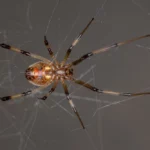 Brown Widow (Latrodectus geometricus) - The Brown Widow Spider is a cool spider that belongs to the cobweb spiders family. Some people know more about its cousin, the Black Widow, but the Brown Widow has its own interesting story.… Continue Reading >
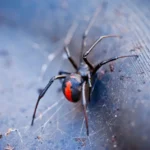 Redback Spider (Latrodectus hasseltii) - The Redback spider, often called the Australian black widow, comes from places in Australia. Nowadays, you can find it all over Australia and even in New Zealand.… Continue Reading >
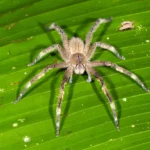 Phoneutria fera - Meet the Phoneutria fera, also known as the 'Brazilian wandering spider' or 'banana spider.' These spiders call the forests of South America their home.… Continue Reading >
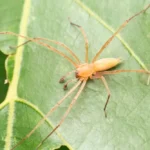 Black-Footed Yellow Sac (Cheiracanthium inclusum) - Meet the yellow sac spider! It's a spider that originally came from the Americas. Over time, it's been a part of different spider families, and now it's in the Eutichuridae family.… Continue Reading >
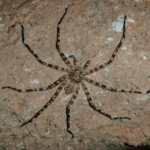 Giant Huntsman (Heteropoda maxima) - The Giant Huntsman spider has a big claim to fame: it has the longest legs among all spiders! Found in the Laos region, this spider is also super speedy. It chases its prey really fast!… Continue Reading >
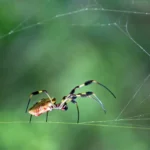 Nephila Clavipes - The Golden-orb weaver family has a special member called Nephila Clavipes. This unique spider lives in both Northern and Southern America. Some people in the United States even call it the banana spider.… Continue Reading >
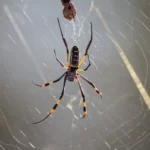 Golden Silk Orb-Weaver (Nephila) - Have you ever seen a spider's web that shines like gold? Meet the Golden Silk Orb-Weaver! With 23 different types living around the world, they're known for their special golden webs.… Continue Reading >
© 2024 (Spider Identifications). All rights reserved. Reproduction in whole or in part without permission is prohibited.
Follow us on: