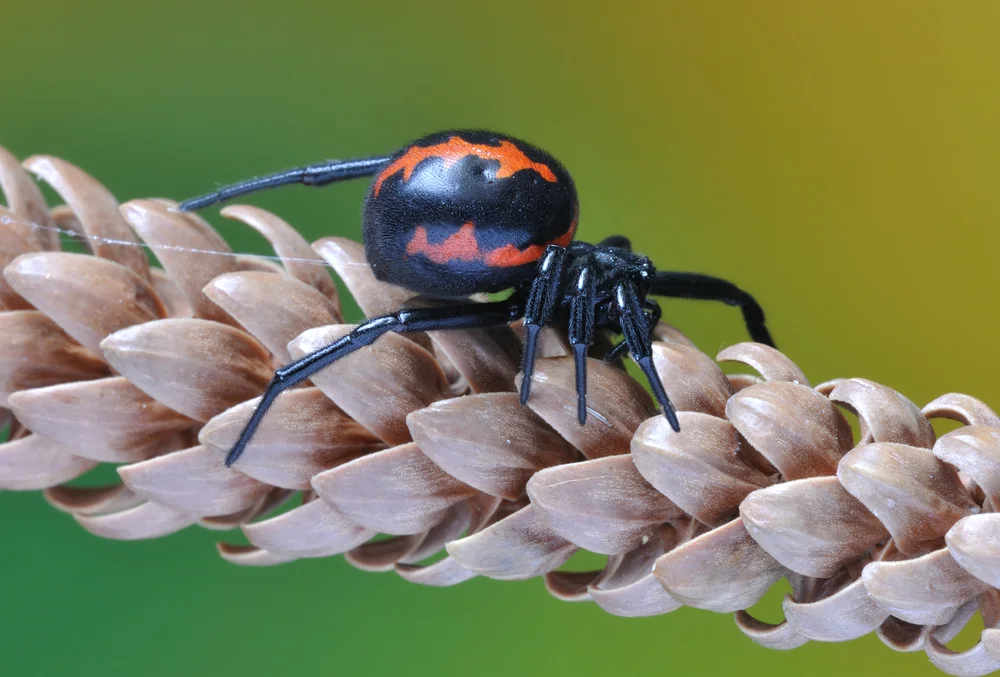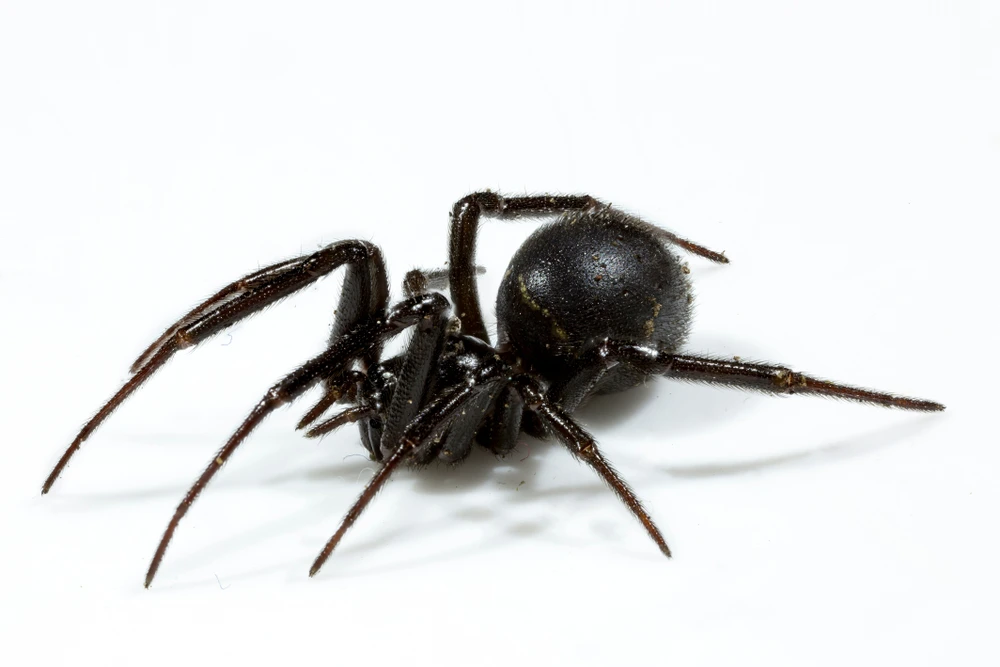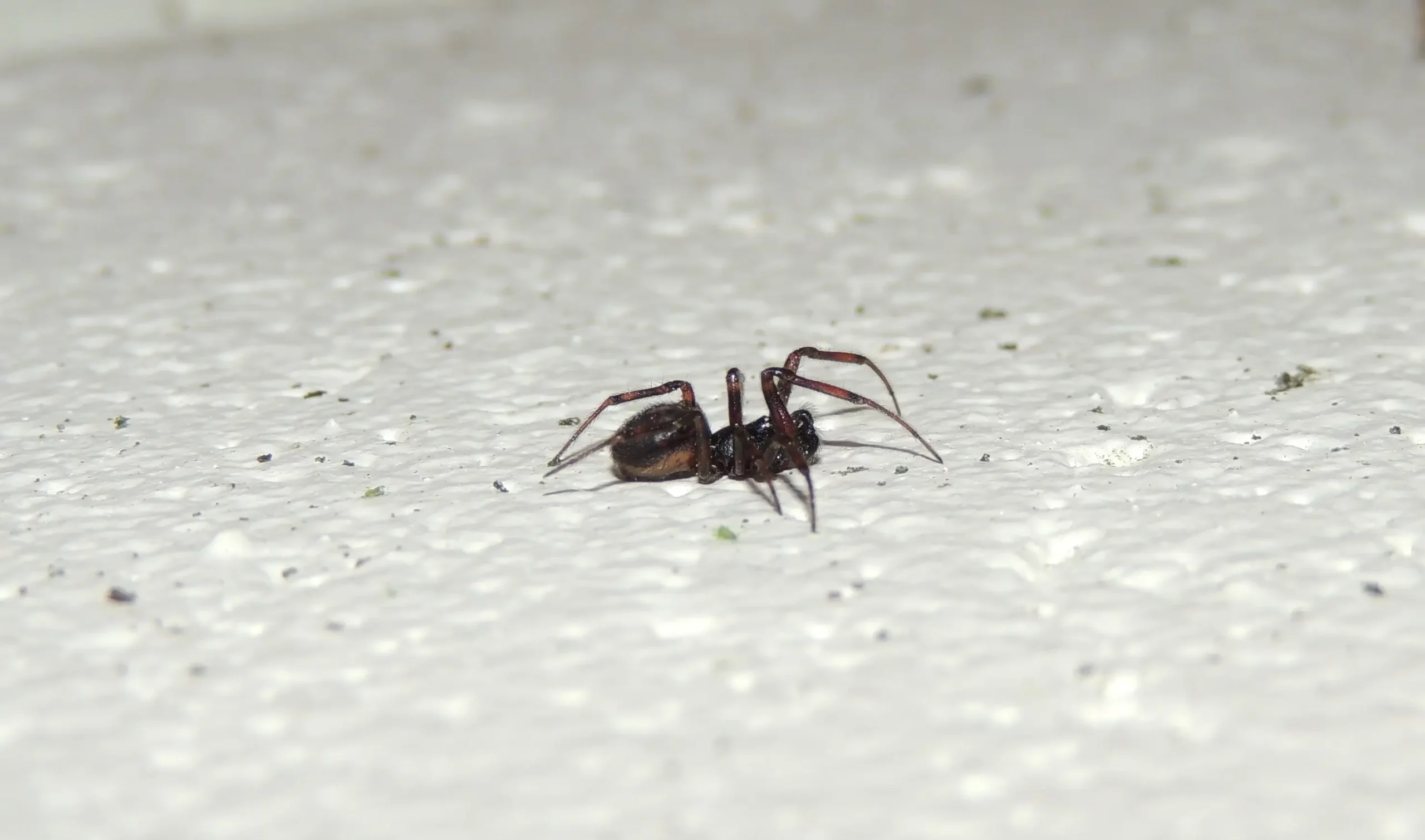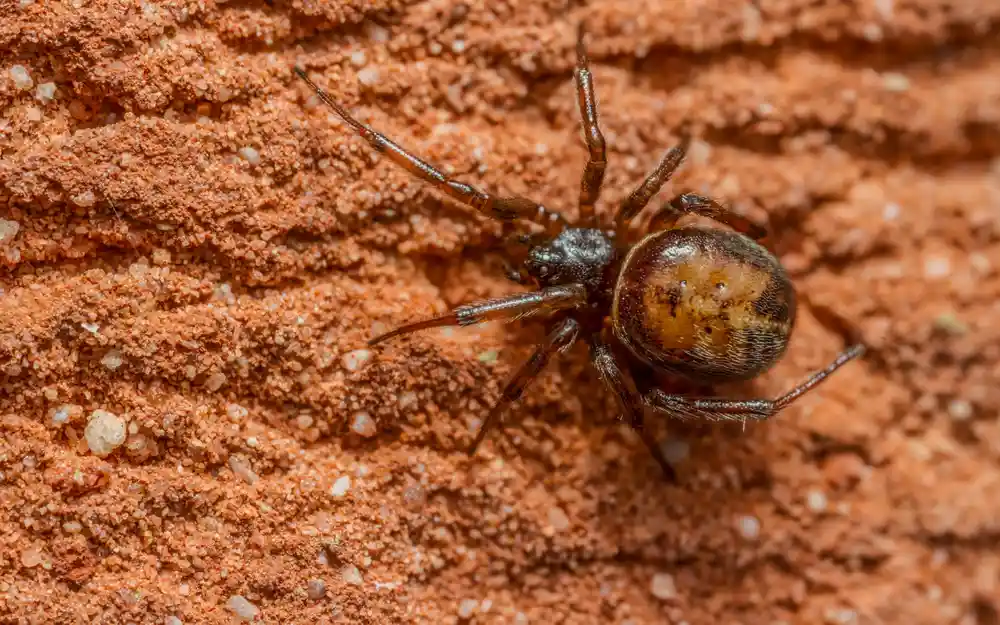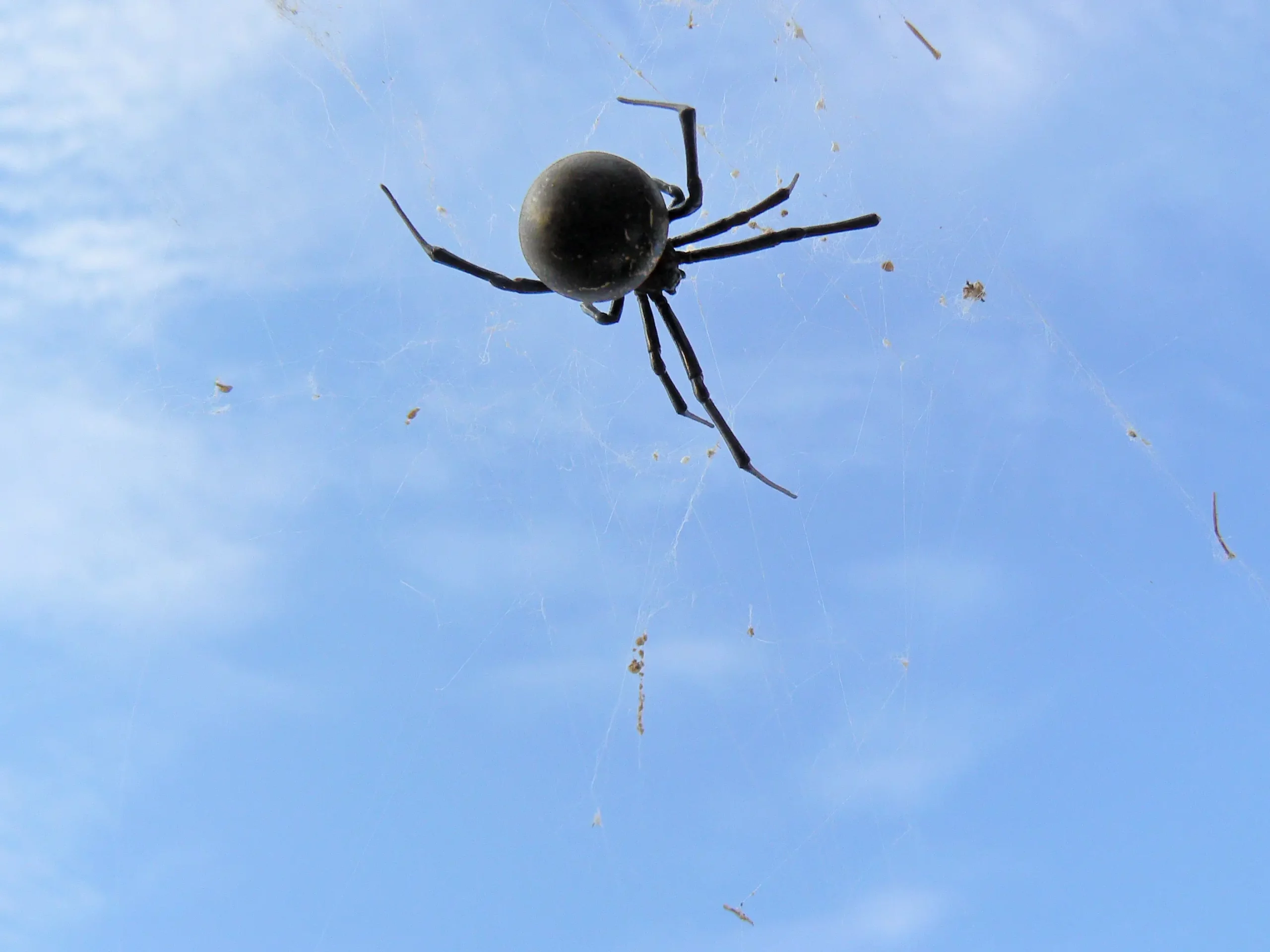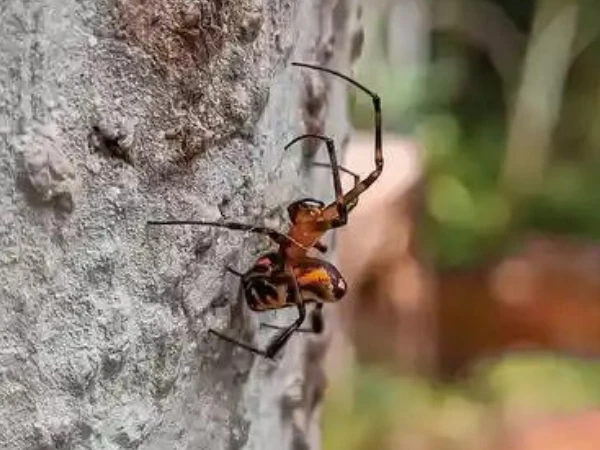


Do you want to know the different spider species commonly found in Nigeria? If yes, then we strongly encourage you to read this article up to the very end. Nigeria has the most creepy and terrifying spider species. Many people have this notion that they are dangerous and this is partly true. Some spider species’ bites are not only painful, but will cause severe inflammation too, especially if you are allergic to the venom. Explore Nigeria’s spider world below.

Spiders in Nigeria Identification Chart
| Common House Spider (Parasteatoda tepidariorum) | Local Jumping Spider (Hyllus nigeriensis) | Nigerian Wolf Spiders (Lycosidae spp) |
| Hercules baboon spider (Hysterocrates hercules) | — | — |
 Widow (Latrodectus) - Meet the Latrodectus spiders, often known as true widows! They're part of the cobweb spider family. By July 2017, there were 31 types of them, living everywhere except Antarctica.… Continue Reading >
 Redback Spider (Latrodectus hasseltii) - The Redback spider, often called the Australian black widow, comes from places in Australia. Nowadays, you can find it all over Australia and even in New Zealand.… Continue Reading >
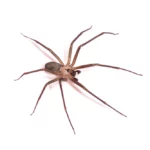 Brown Recluse Spider (Loxosceles reclusa) - The brown recluse spider is a special spider found mostly in the central and southern parts of the U.S. It's part of a small group of spiders in North America known for having strong venom, along with the Chilean recluse and black widow.… Continue Reading >
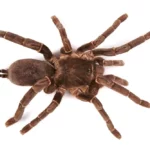 Hercules Baboon (Hysterocrates Hercules) - The Hercules Baboon spider is a big deal in the tarantulas family. It's a huge spider that comes from places in Africa, like Nigeria.… Continue Reading >
© 2024 (Spider Identifications). All rights reserved. Reproduction in whole or in part without permission is prohibited.
Follow us on: