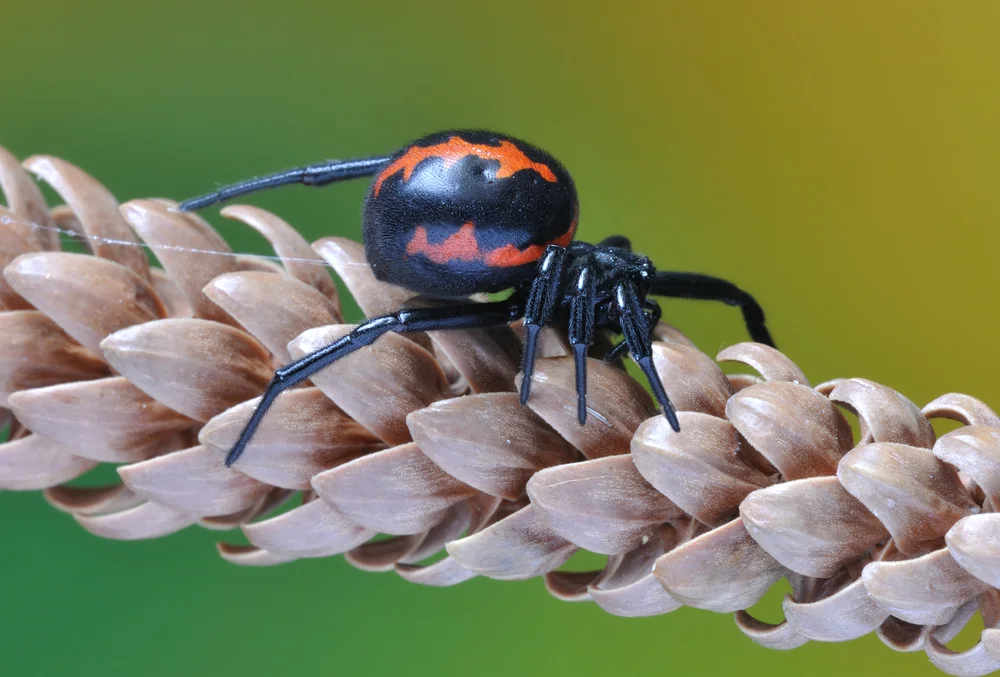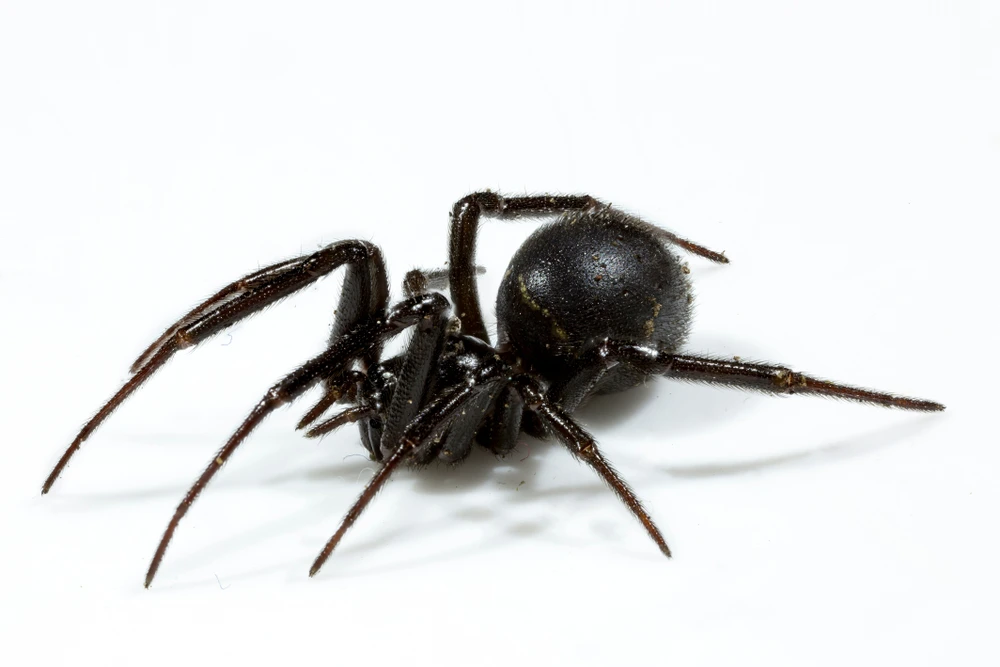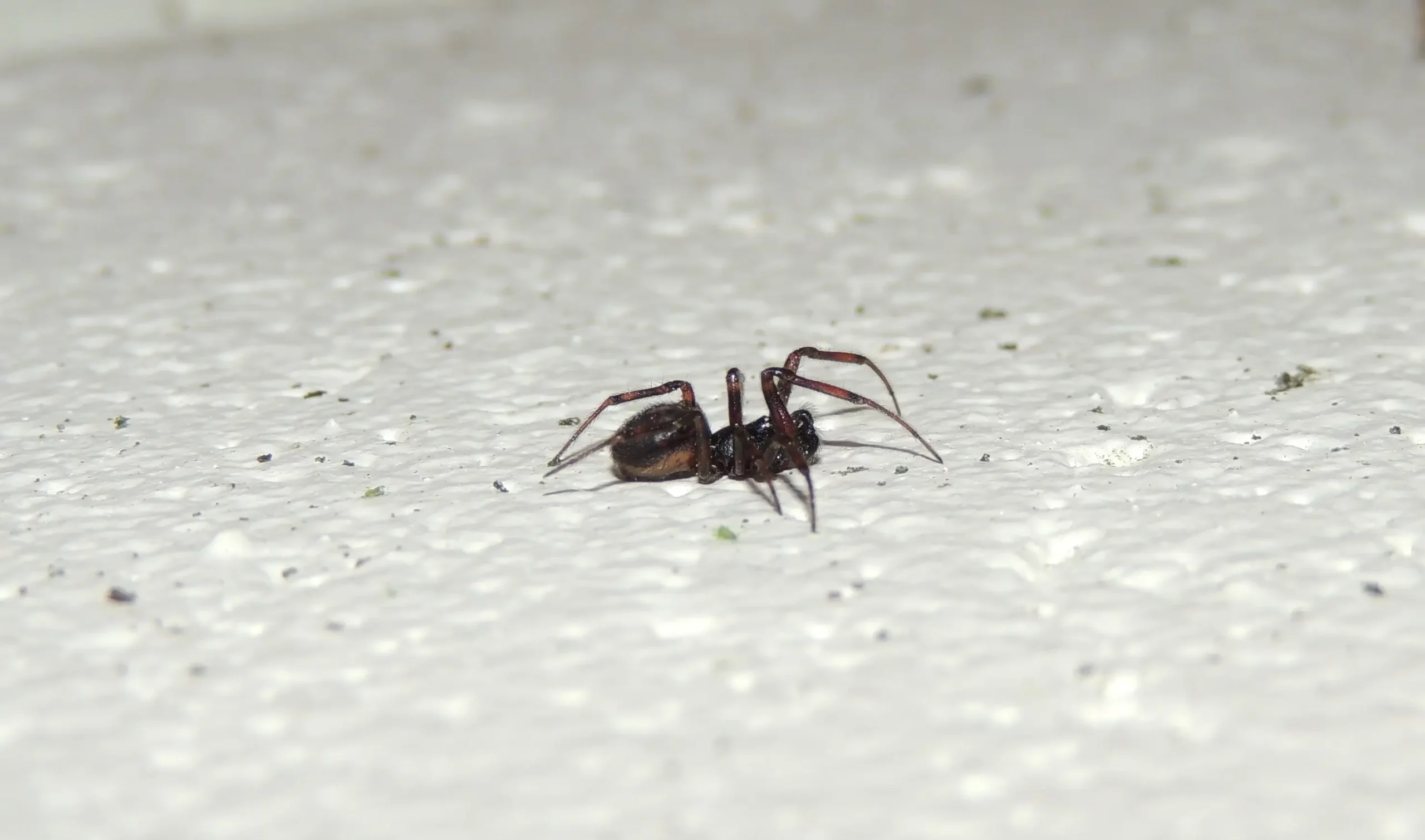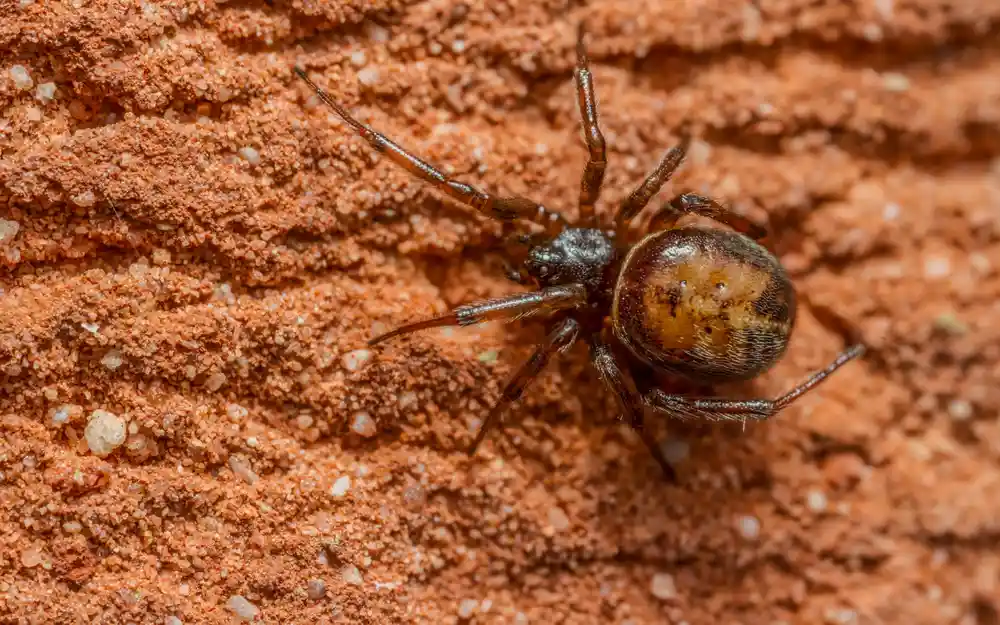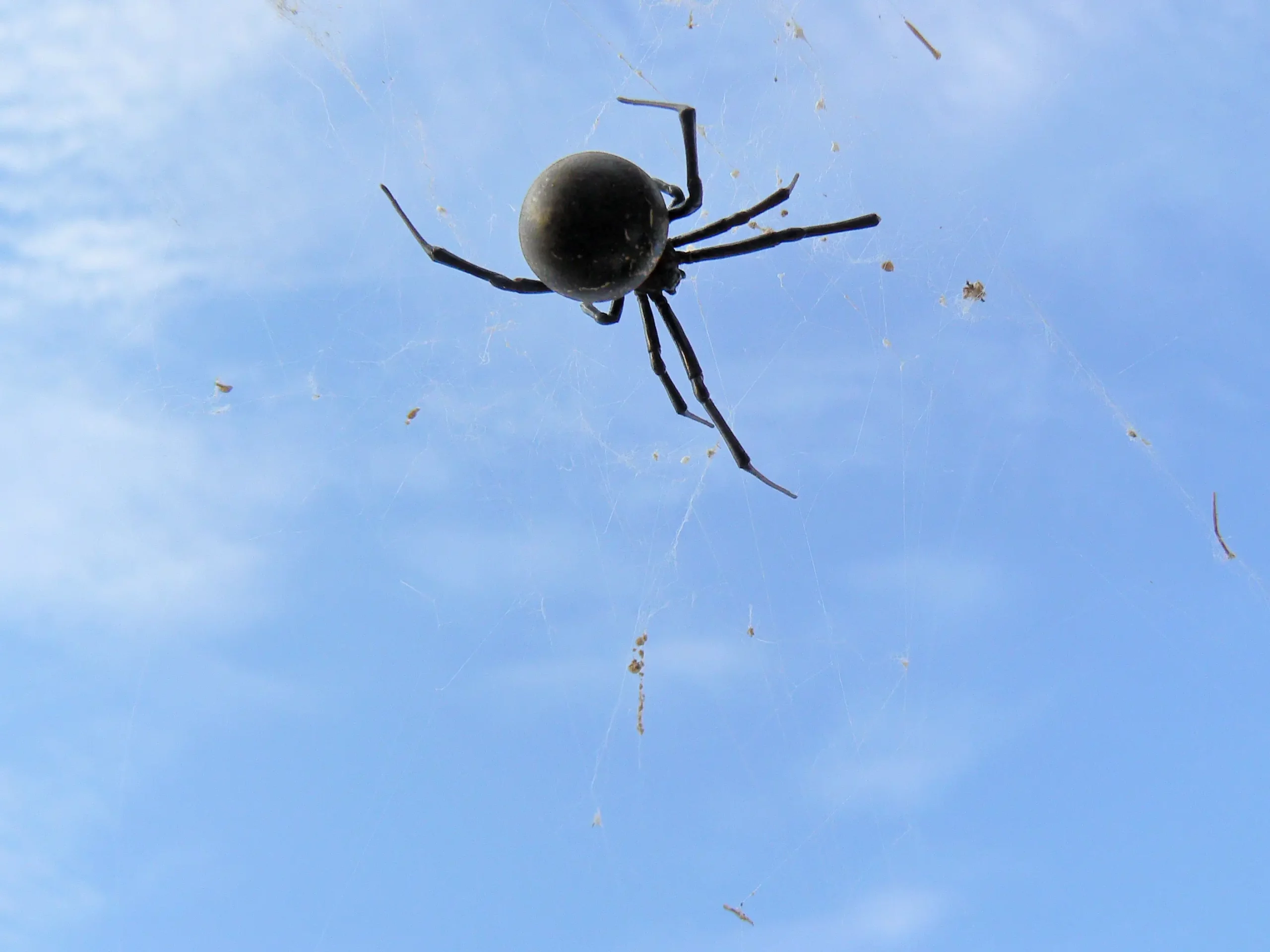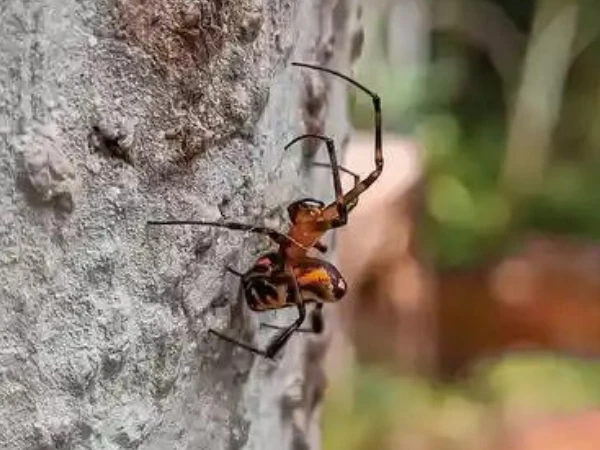


Qatar, a country situated in the western part of Asia is known for its beautiful sand deserts. It has a small Qatari Peninsula and shares borders with Saudi Arabia. Some parts of Qatar are surrounded by the Persian Gulf. Considering its location and the typical weather in countries like Qatar, you most likely wonder what its wildlife could be. In this article, we will discuss about the different spider species you might encounter in Qatar. We have included the most common spiders that you can come across in town as well as those notorious ones.

Spiders in Qatar Identification Chart
| Common House Spider (Parasteatoda tepidariorum) | Grass Cross Spider (Argiope catenulate) | Red tent spider (Cyrtophora unicolor) |
| Giant Huntsman Spider (Heteropoda maxima) | — | — |
 Brown Widow (Latrodectus geometricus) - The Brown Widow Spider is a cool spider that belongs to the cobweb spiders family. Some people know more about its cousin, the Black Widow, but the Brown Widow has its own interesting story.… Continue Reading >
 Widow (Latrodectus) - Meet the Latrodectus spiders, often known as true widows! They're part of the cobweb spider family. By July 2017, there were 31 types of them, living everywhere except Antarctica.… Continue Reading >
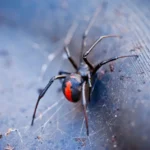 Redback Spider (Latrodectus hasseltii) - The Redback spider, often called the Australian black widow, comes from places in Australia. Nowadays, you can find it all over Australia and even in New Zealand.… Continue Reading >
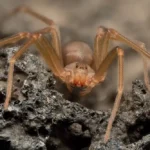 Mediterranean Recluse (Loxosceles rufescens) - Guess where the Mediterranean recluse spider comes from? That's right, the Mediterranean areas! Even though it started there, now you can find this spider all over the world.… Continue Reading >
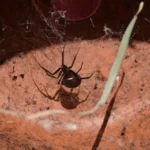 False Black Widow (Steatoda grossa) - The False Black Widow spider is part of the Steatoda genus and is frequently confused with the more dangerous Black Widow Spider. Known by various names, including 'cupboard spider' and 'brown house spider' in Australia, this species sometimes earns the label of a pest in certain areas.… Continue Reading >
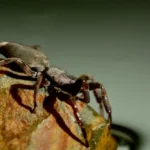 White-tailed (Lampona cylindrata & Lampona murina) - Discover the intriguing world of the white-tailed spider, known scientifically as Lampona murina and Lampona cylindrata. Both these spiders hail from the Lampona genus, which means ‘to shine’.… Continue Reading >
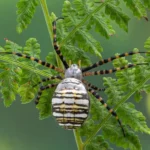 Banded Garden (Argiope trifasciata) - The banded garden spider is a common spider with two types: Argiope trifasciata deserticola and Argiope trifasciata kauaiensis. They prefer warm places and usually aren't around in cold winters because they don't like the chill.… Continue Reading >
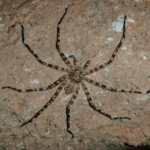 Giant Huntsman (Heteropoda maxima) - The Giant Huntsman spider has a big claim to fame: it has the longest legs among all spiders! Found in the Laos region, this spider is also super speedy. It chases its prey really fast!… Continue Reading >
© 2024 (Spider Identifications). All rights reserved. Reproduction in whole or in part without permission is prohibited.
Follow us on: