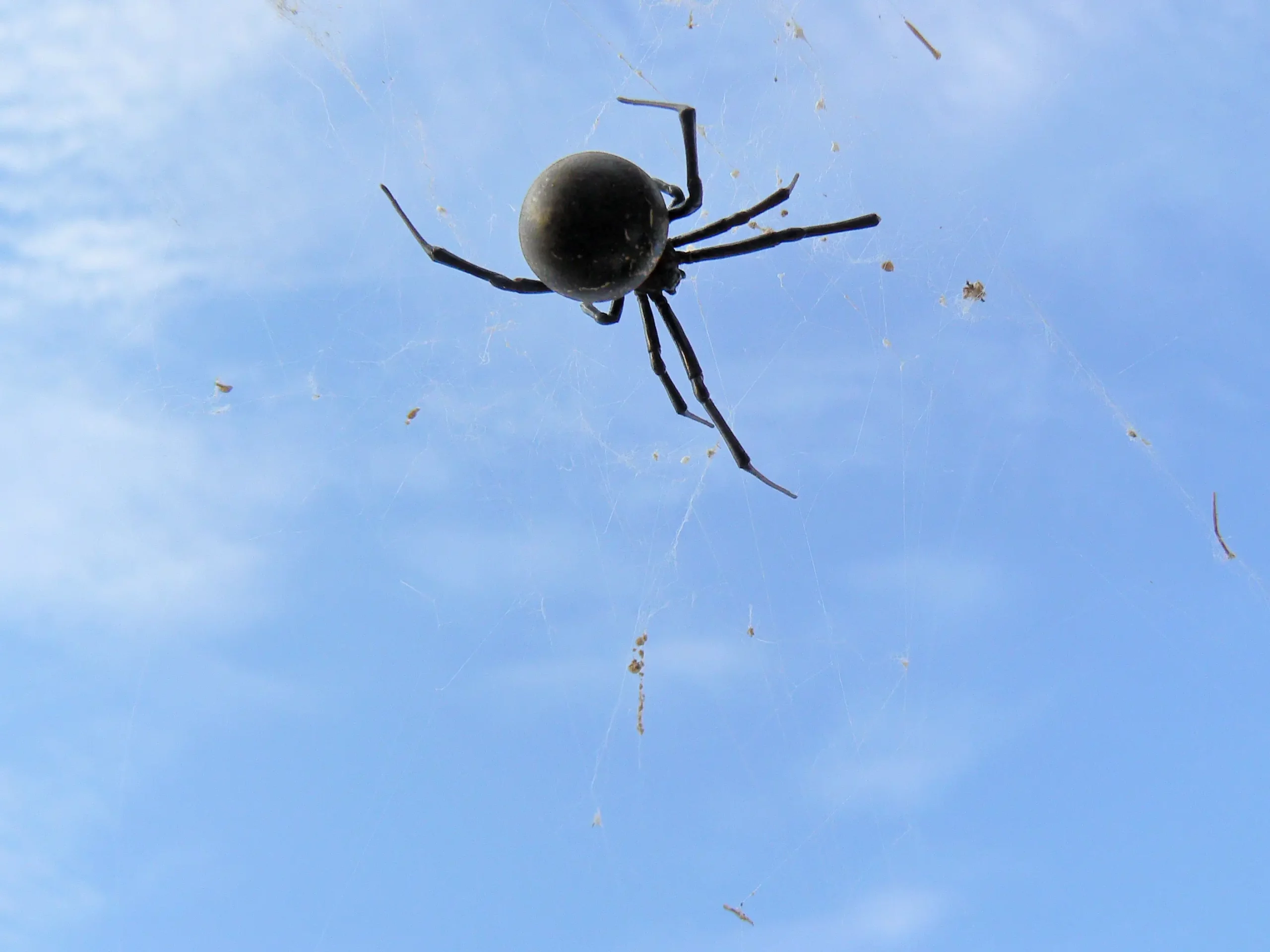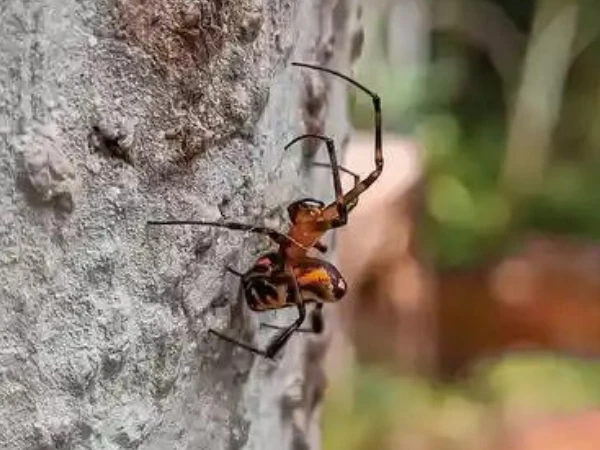


Saudi Arabia is one of the talked about countries in the Middle East. Many people want to visit Saudi Arabia for an experience of a lifetime. It is a country known for its deserts and oil refines, which makes it one of the richest countries in the world. If you visit outside of the cities, there is a possibility that you will spot not-so-friendly creatures such as scorpions, snakes, and, of course, spiders. If you have fear of spiders or, on the contrary, fascinated with different species of spiders, then make sure you read this article up to the end.

Spiders in Saudi Arabia Identification Chart
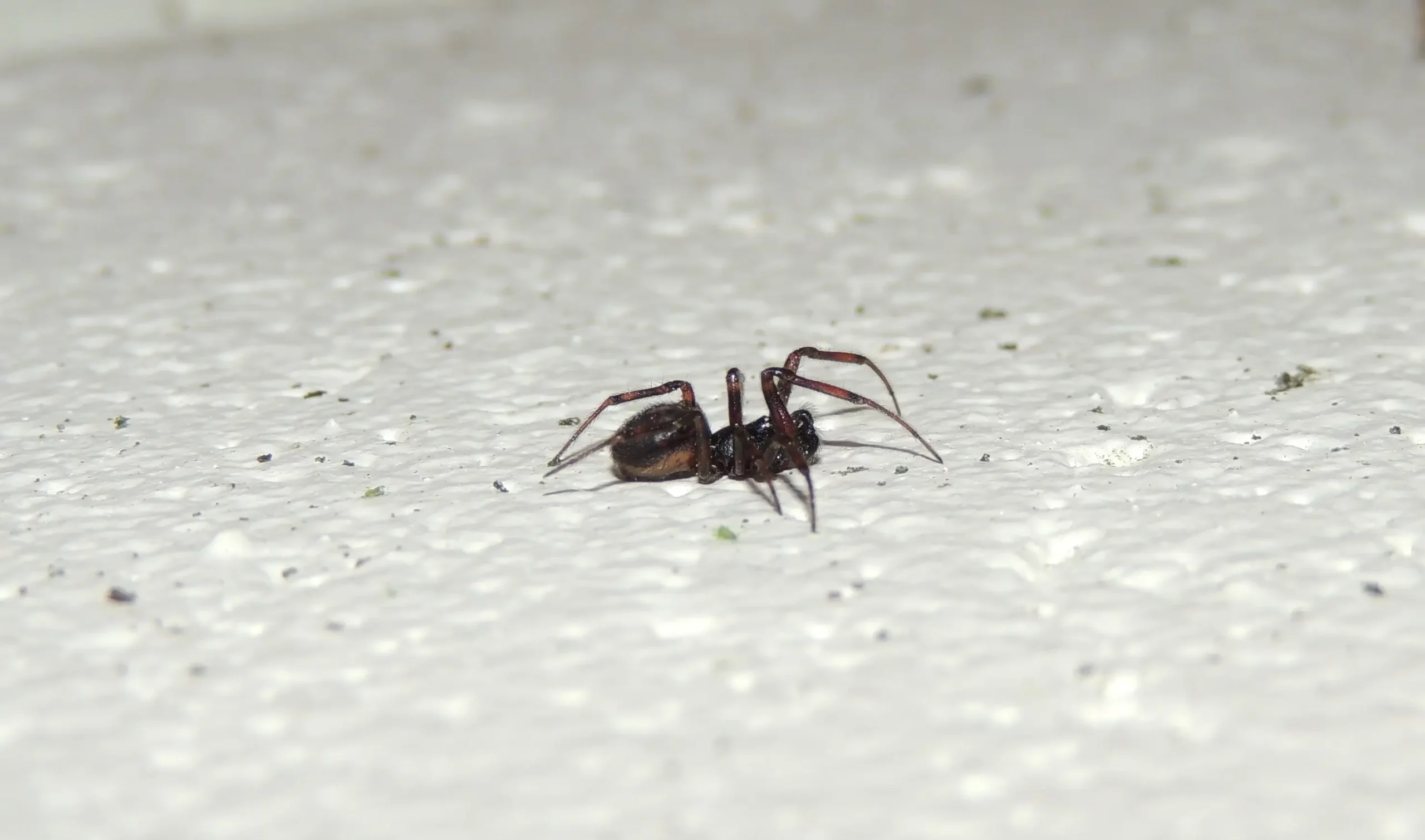
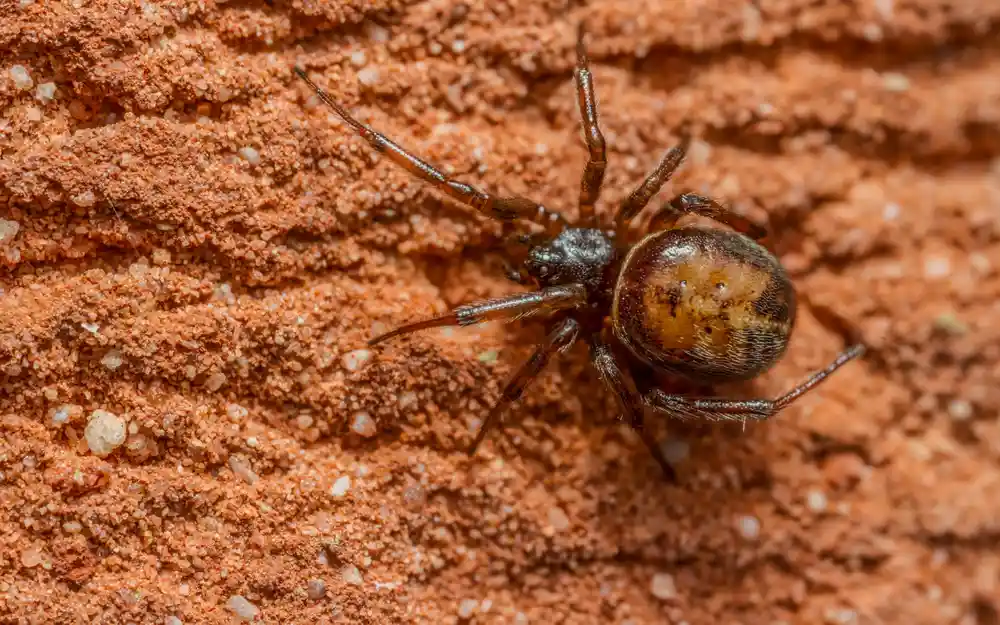
| Common House Spider (Parasteatoda tepidariorum) | Dwarf weaver (Prinerigone vagans) | — |
| Sand-dwelling Huntsman Spider (Cerbalus aravaensis) | — | — |
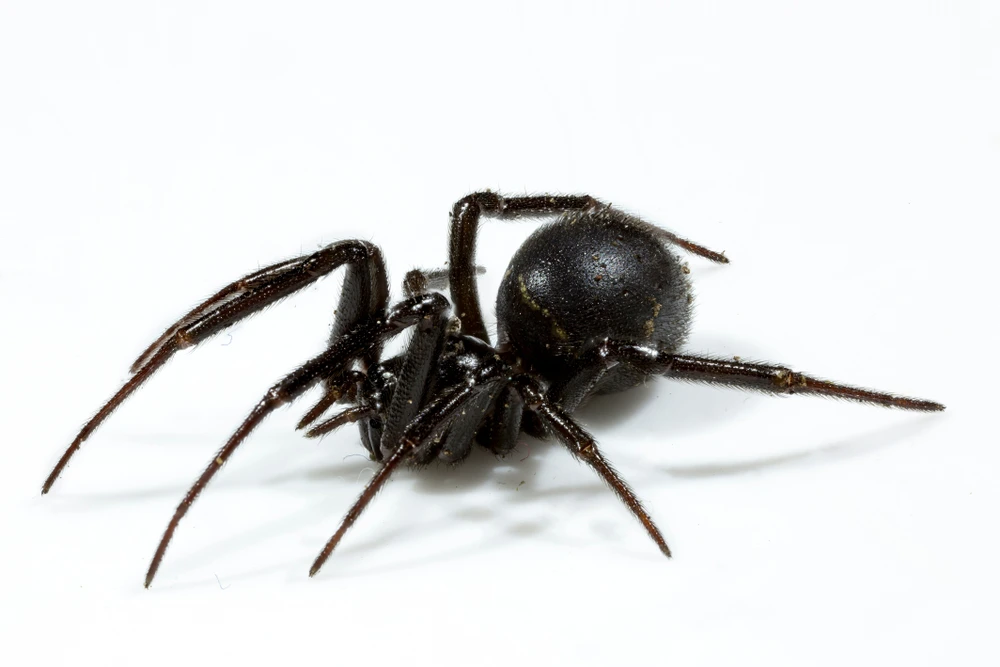
 False Black Widow (Steatoda grossa) - The False Black Widow spider is part of the Steatoda genus and is frequently confused with the more dangerous Black Widow Spider. Known by various names, including 'cupboard spider' and 'brown house spider' in Australia, this species sometimes earns the label of a pest in certain areas.… Continue Reading >
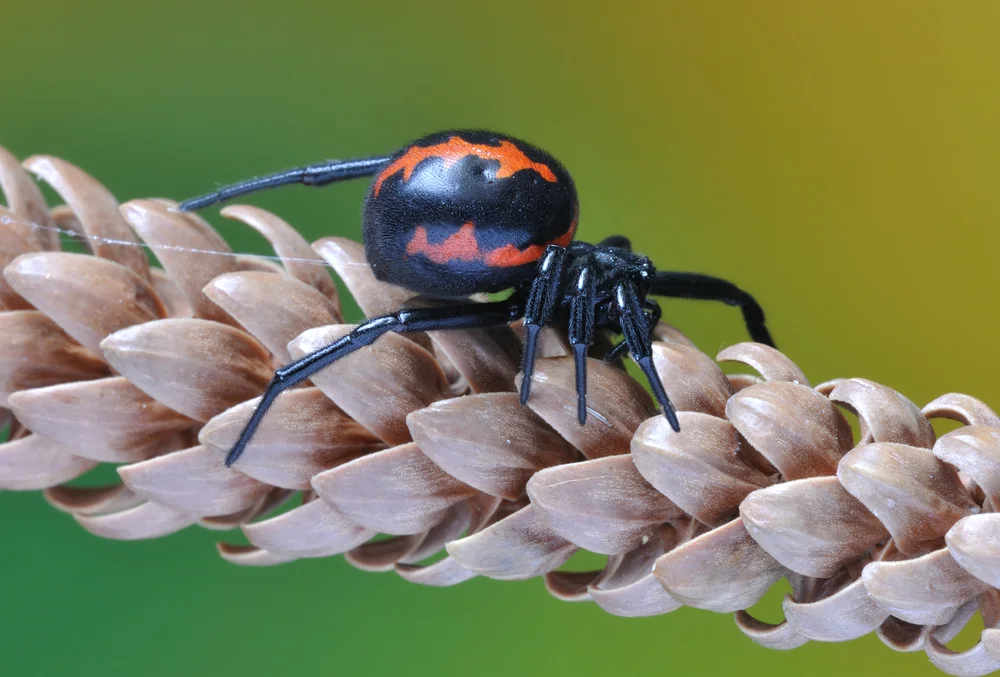
 Widow (Latrodectus) - Meet the Latrodectus spiders, often known as true widows! They're part of the cobweb spider family. By July 2017, there were 31 types of them, living everywhere except Antarctica.… Continue Reading >
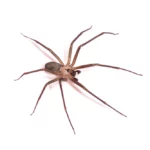 Brown Recluse Spider (Loxosceles reclusa) - The brown recluse spider is a special spider found mostly in the central and southern parts of the U.S. It's part of a small group of spiders in North America known for having strong venom, along with the Chilean recluse and black widow.… Continue Reading >
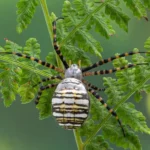 Banded Garden (Argiope trifasciata) - The banded garden spider is a common spider with two types: Argiope trifasciata deserticola and Argiope trifasciata kauaiensis. They prefer warm places and usually aren't around in cold winters because they don't like the chill.… Continue Reading >
© 2024 (Spider Identifications). All rights reserved. Reproduction in whole or in part without permission is prohibited.
Follow us on: