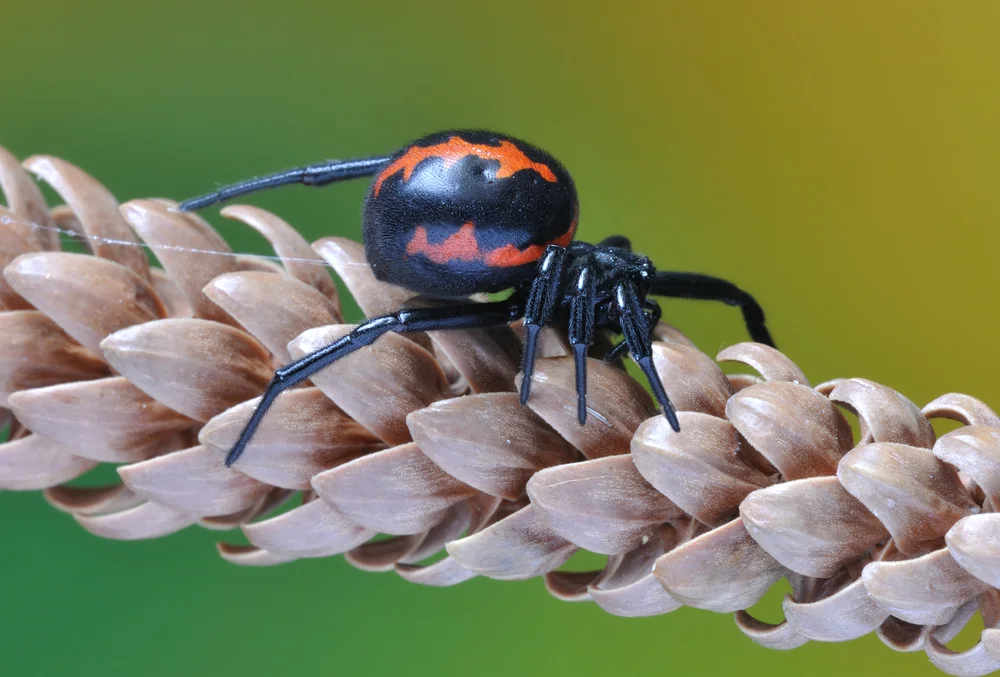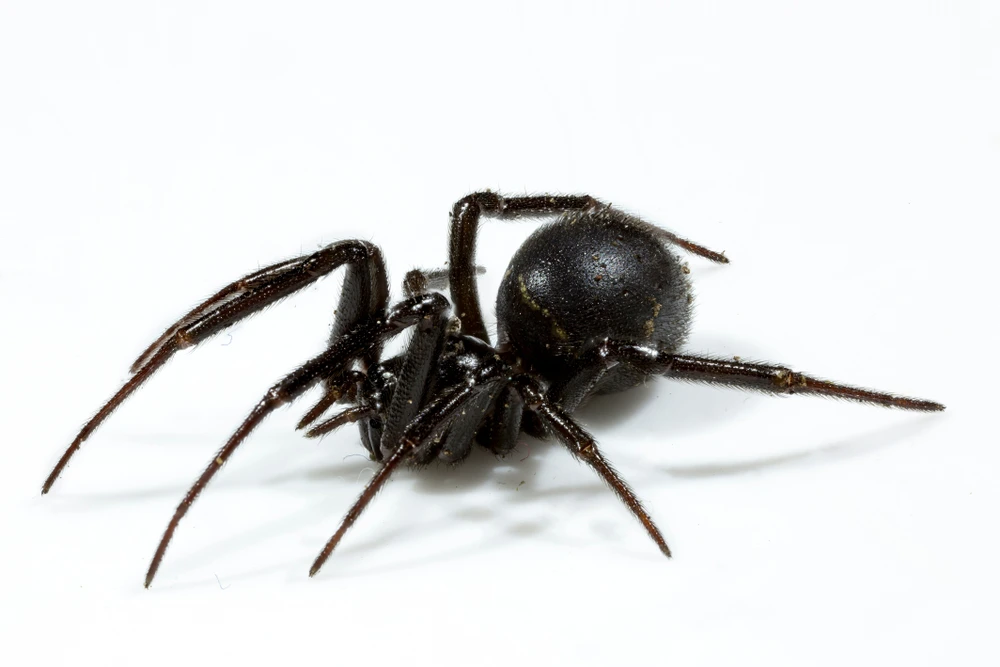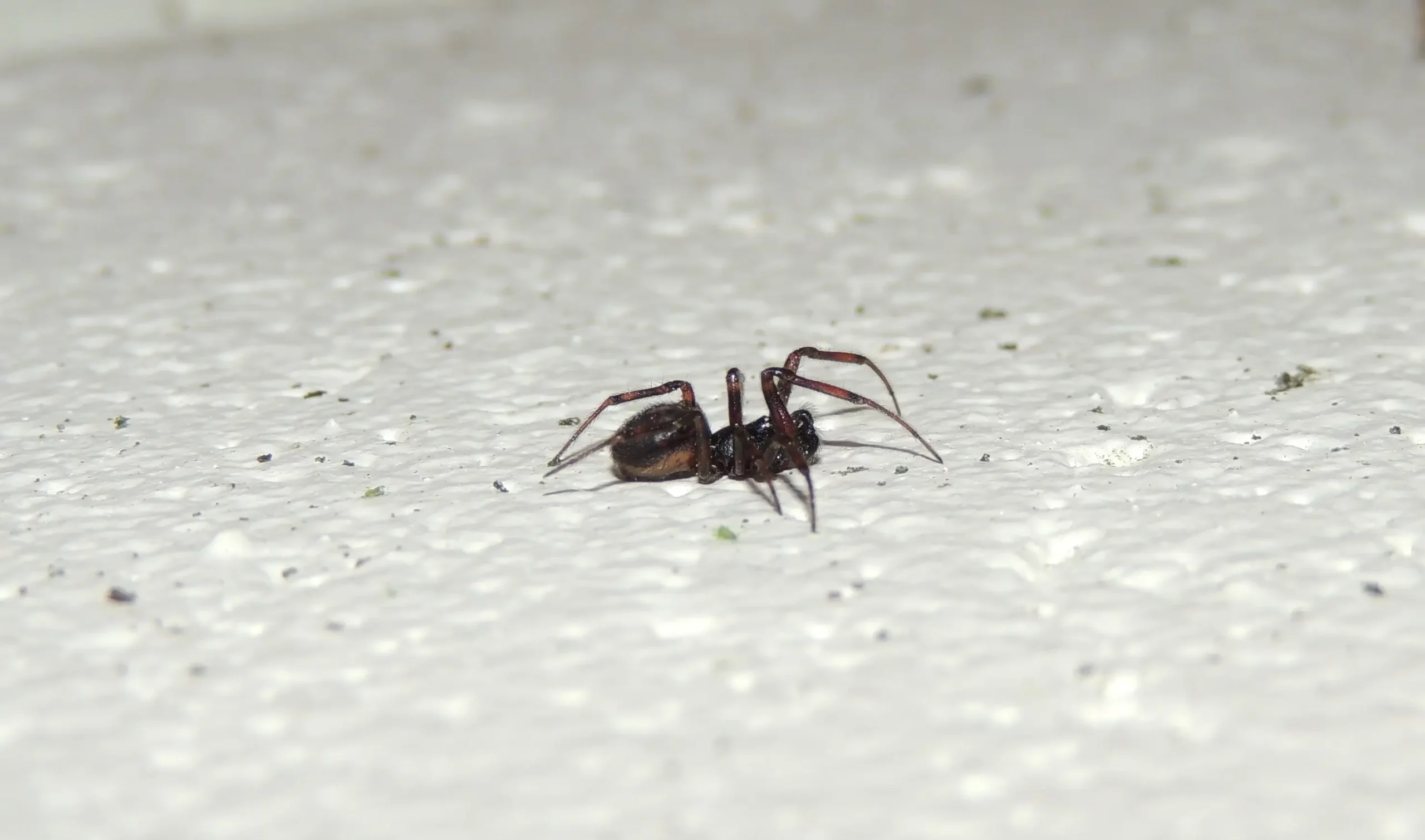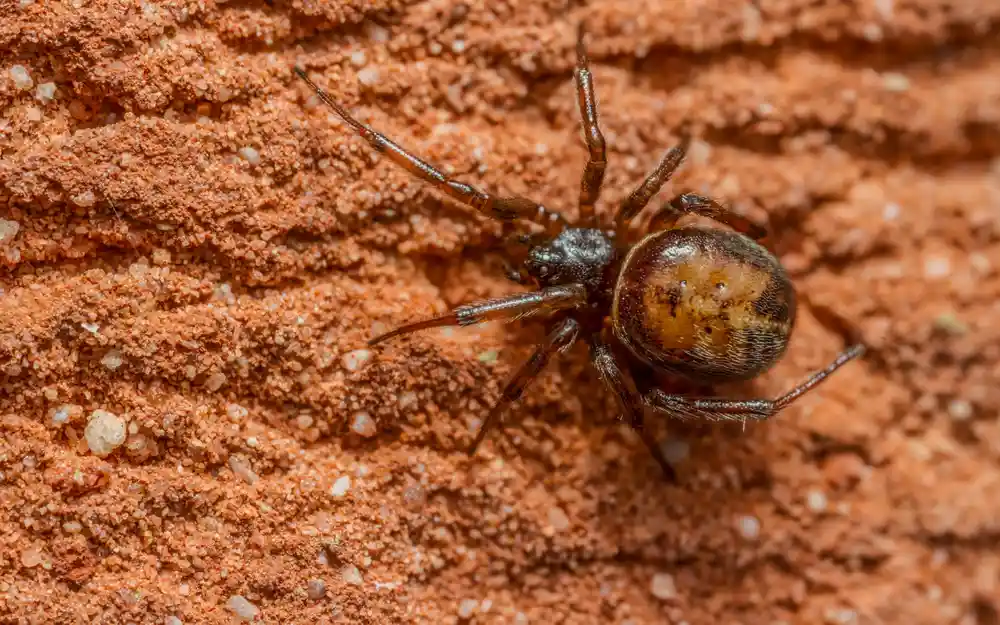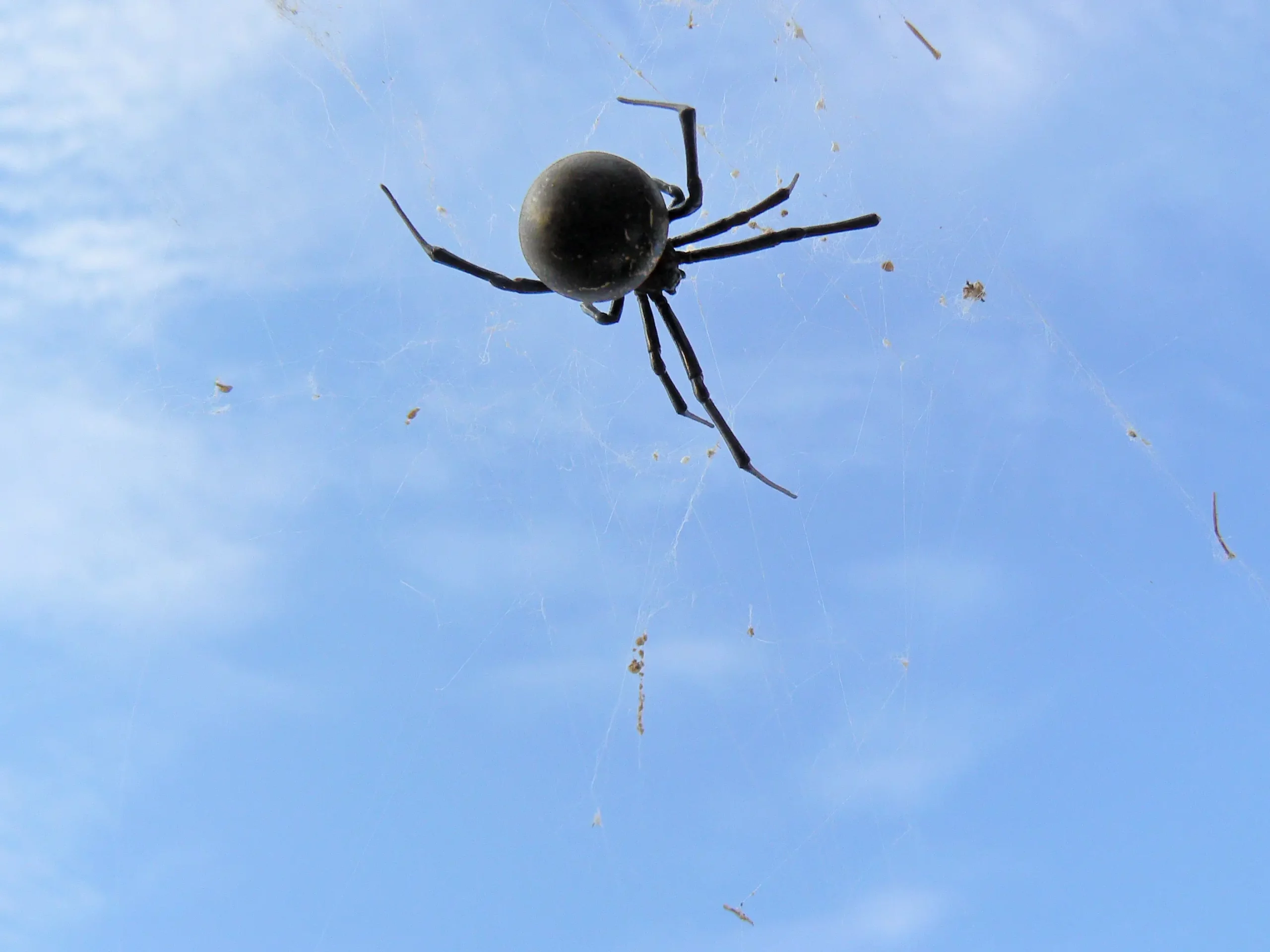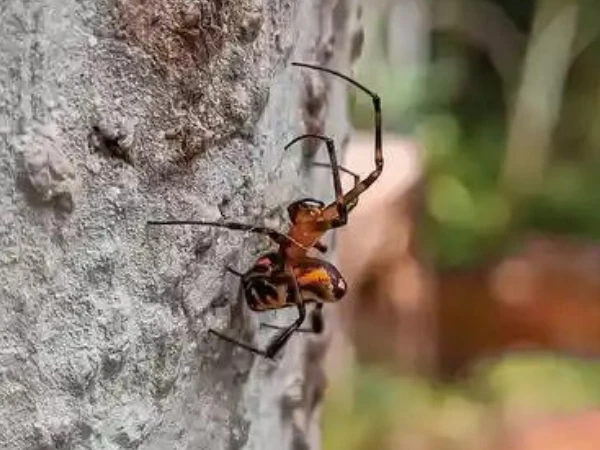


Alaska, having an extremely cold climate throughout the year, houses only six species. The brown recluse or wolf spiders, present in most other states of America do not thrive here. The hobo spider spotted in some parts of this state is considered to be the most venomous of all, though its degree of toxicity on mankind still remains a matter of debate.
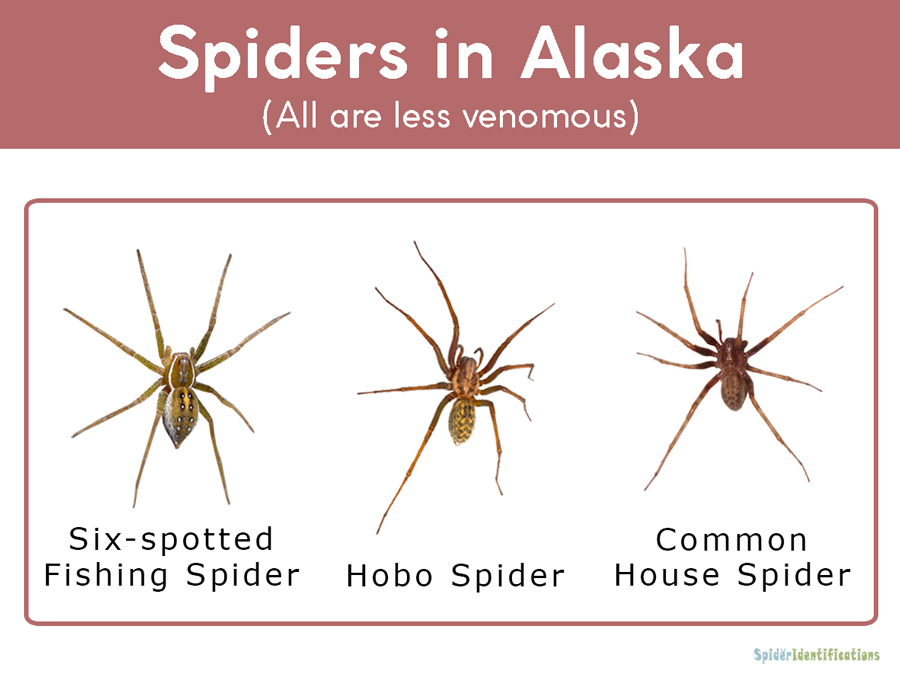
| Members of the Fishing (Dolomedes) family | — | — |
This state has no venomous spiders.
 Six-spotted Fishing (Dolomedes triton) - Discover the Six-spotted Fishing Spider, often known as the dock spider. These large, semi-aquatic spiders are daytime hunters. They're experts at waiting near water edges, among bushes, ready to catch their next meal.… Continue Reading >
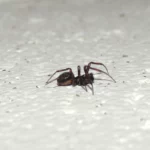 Steatoda borealis - Guess what? There's a spider called Steatoda borealis, and it's part of the comb-footed spider family. Some people call it a 'false widow spider' because of how it looks. But it's not the same as the real widow spiders.… Continue Reading >
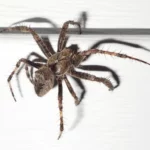 Fierce Orbweaver Spider (Araneus saevus) - The fierce orb weaver spider spins its web in interesting patterns. Part of the orb weaver spider family, it looks a lot like the Araneus nordmanni.… Continue Reading >
© 2024 (Spider Identifications). All rights reserved. Reproduction in whole or in part without permission is prohibited.
Follow us on: