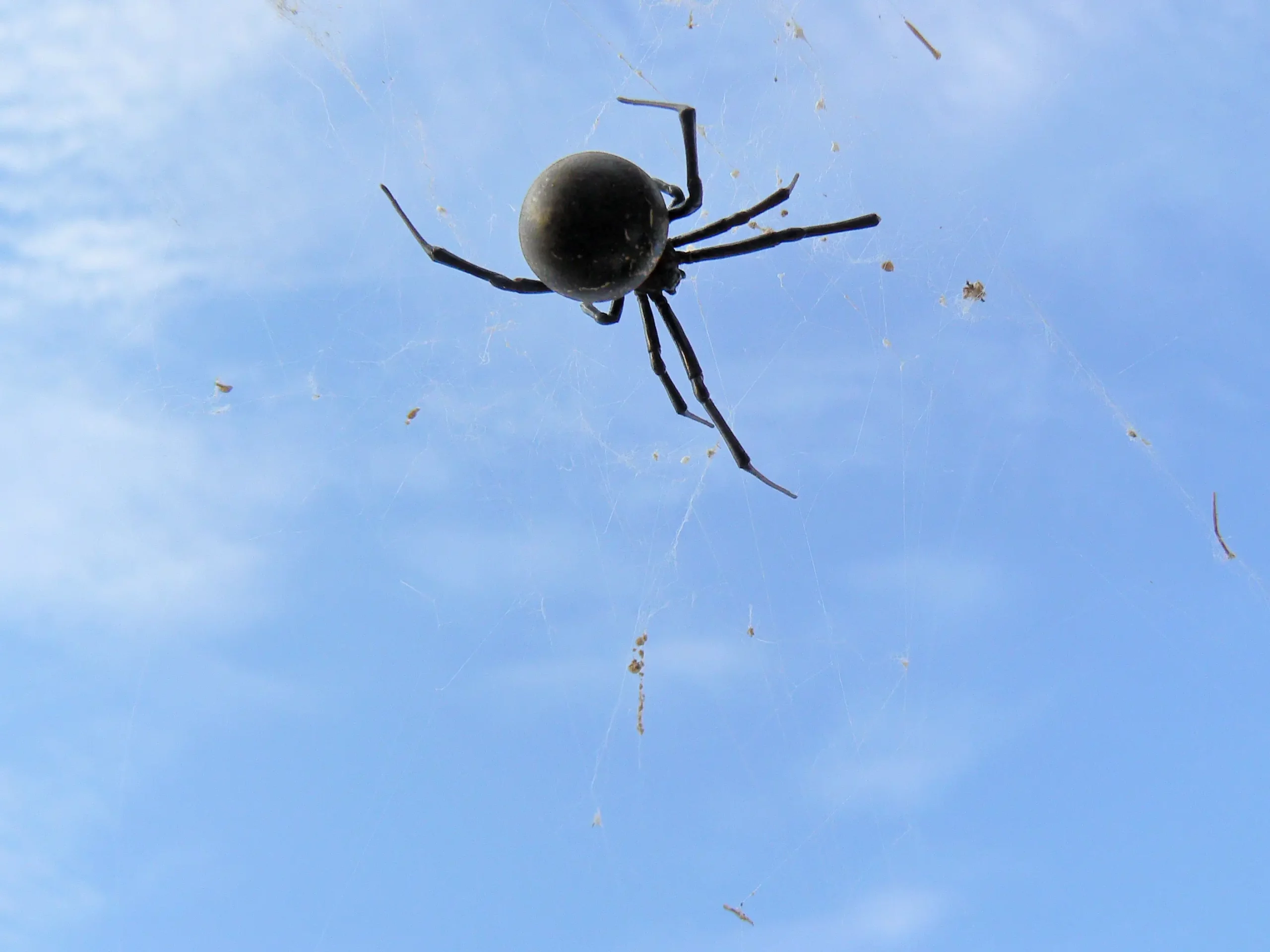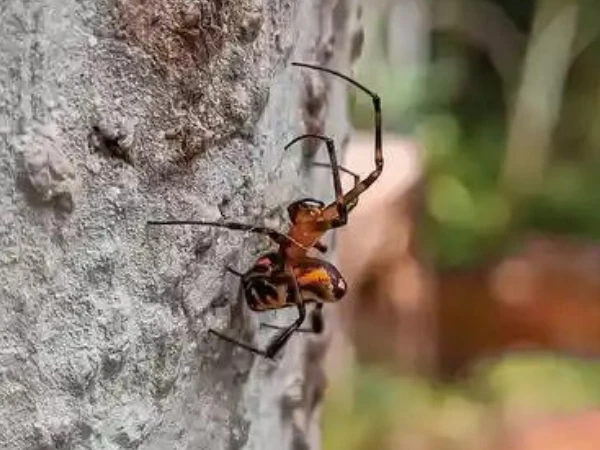


When talking about Cyprus the first things that come to mind are beautiful beaches and lively nightlife. However, it is also known for its exotic wildlife, creepy crawlies, and predators. Truth be told, spiders might surprise you when you visit the forestry parts of the island. If you have any plans of traveling to Cyprus, it would be best if you take extra caution in areas known to be heavily infested with spiders, especially if you have fear of creepy crawlers.

Spiders in Cyprus Identification Chart
| Common Garden Spiders | Wolf Spiders | — |
| European Tarantula | Walckenaer’s Huntsman Spider also called Cyprus Huntsman (Eusparassus walckenaeri) | Middle East Black Tarantula / Black Furry |
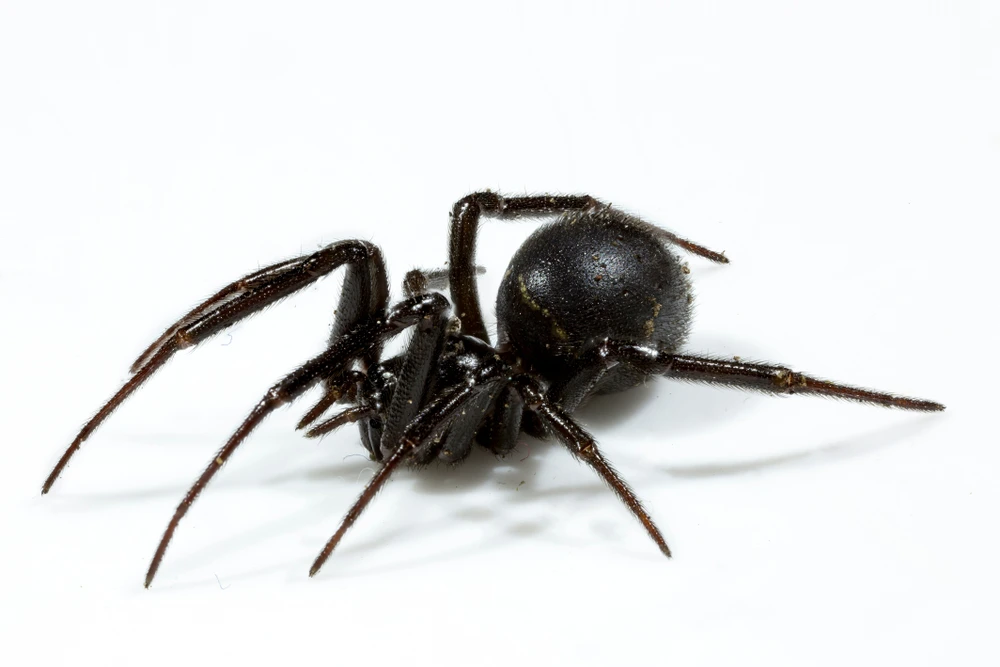
 Steatoda paykulliana - Meet the Steatoda paykulliana spider! It belongs to the comb-footed spiders family. Fun fact: it was named after a famous explorer from Sweden, Gustaf von Paykull.… Continue Reading >
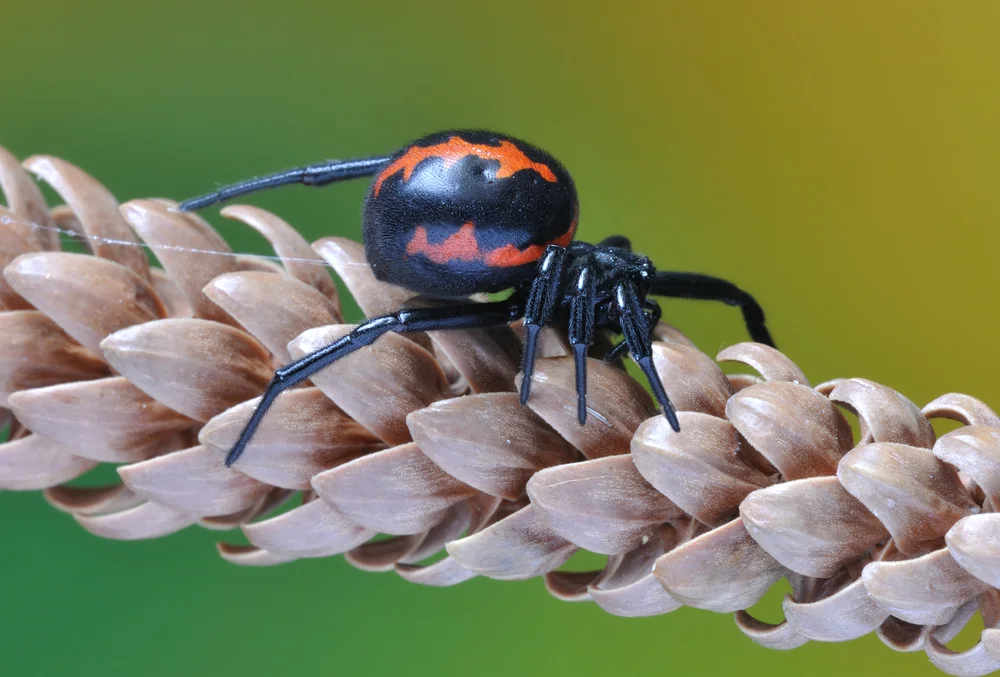
 Mediterranean Black Widow (Latrodectus tredecimguttatus) - The Mediterranean black widow spider has a history that dates back to 1790 when Italian expert Pietro Rossi introduced us to it. These spiders belong to the comb-footed family.… Continue Reading >
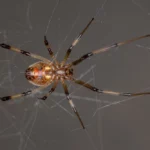 Brown Widow (Latrodectus geometricus) - The Brown Widow Spider is a cool spider that belongs to the cobweb spiders family. Some people know more about its cousin, the Black Widow, but the Brown Widow has its own interesting story.… Continue Reading >
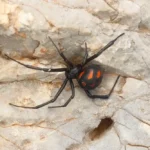 Widow (Latrodectus) - Meet the Latrodectus spiders, often known as true widows! They're part of the cobweb spider family. By July 2017, there were 31 types of them, living everywhere except Antarctica.… Continue Reading >
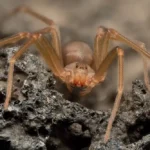 Mediterranean Recluse (Loxosceles rufescens) - Guess where the Mediterranean recluse spider comes from? That's right, the Mediterranean areas! Even though it started there, now you can find this spider all over the world.… Continue Reading >
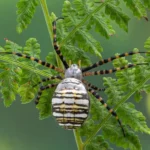 Banded Garden (Argiope trifasciata) - The banded garden spider is a common spider with two types: Argiope trifasciata deserticola and Argiope trifasciata kauaiensis. They prefer warm places and usually aren't around in cold winters because they don't like the chill.… Continue Reading >
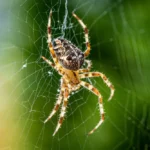 Cross Orb Weaver (Araneus diadematus) - Did you know the Cross Orb Weaver spider comes from Europe and North America? Their legs are super cool because they can spin special round webs.… Continue Reading >
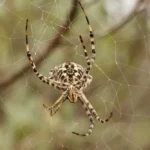 Lobed Argiope (Argiope lobata) - Discover the Argiope lobata, a fascinating orb weaver spider that makes its home across three continents. Here, you'll find intriguing facts and details about this widespread spider.… Continue Reading >
© 2024 (Spider Identifications). All rights reserved. Reproduction in whole or in part without permission is prohibited.
Follow us on: