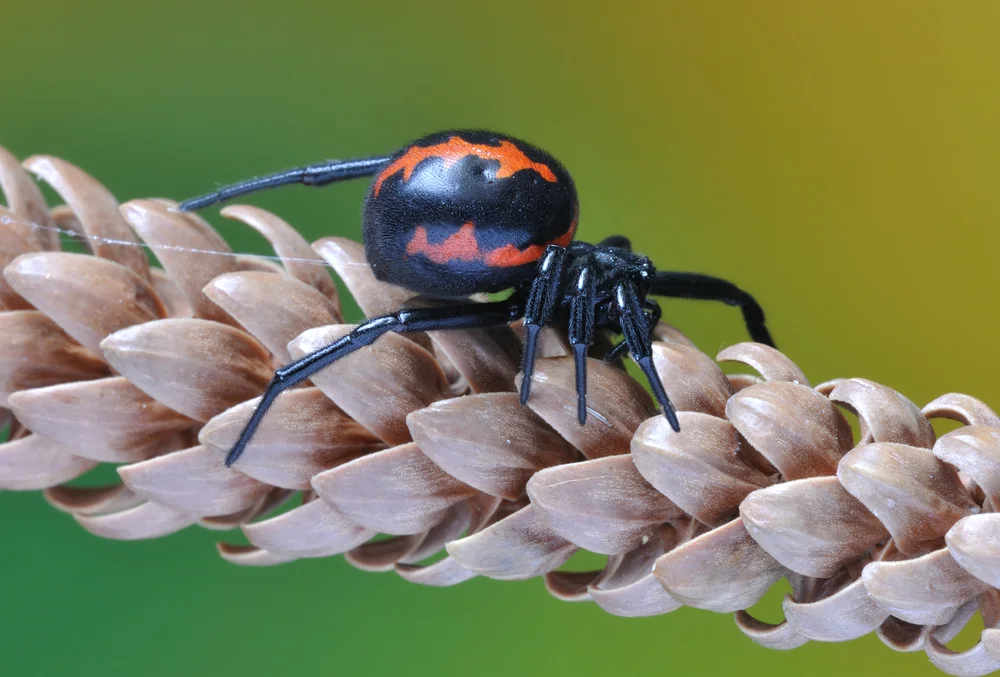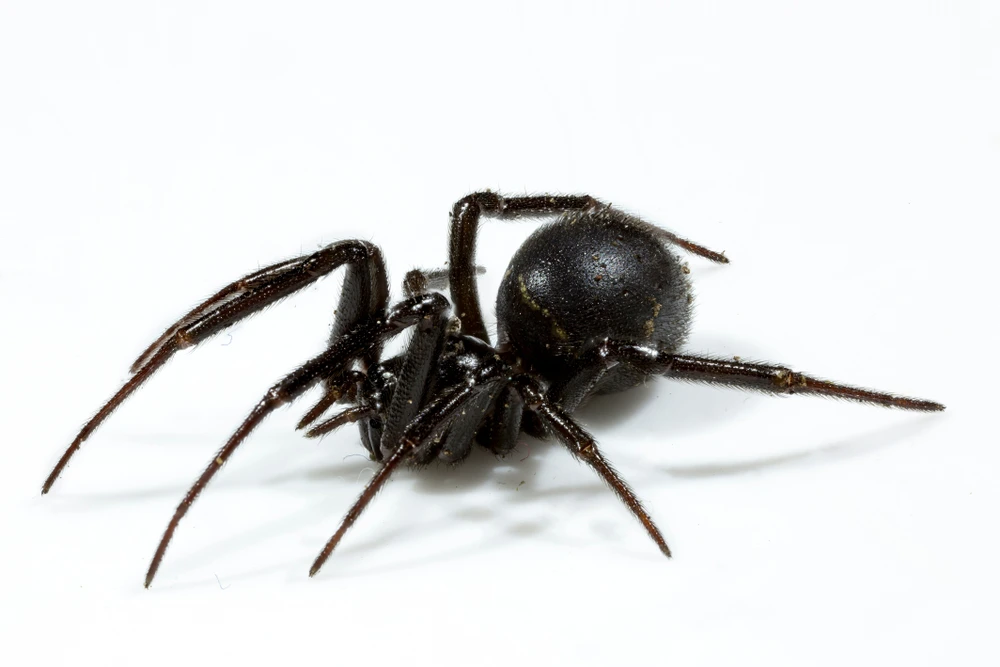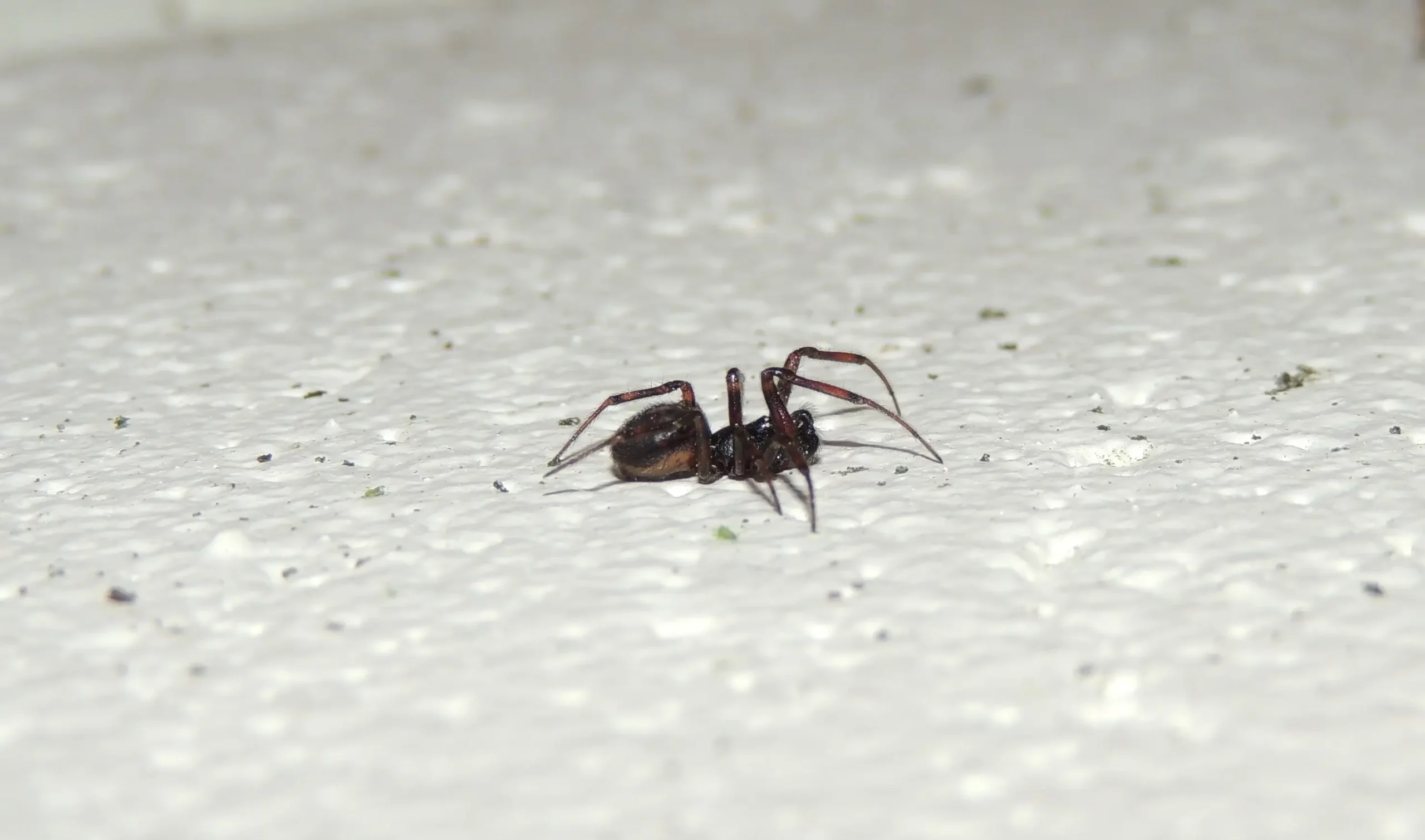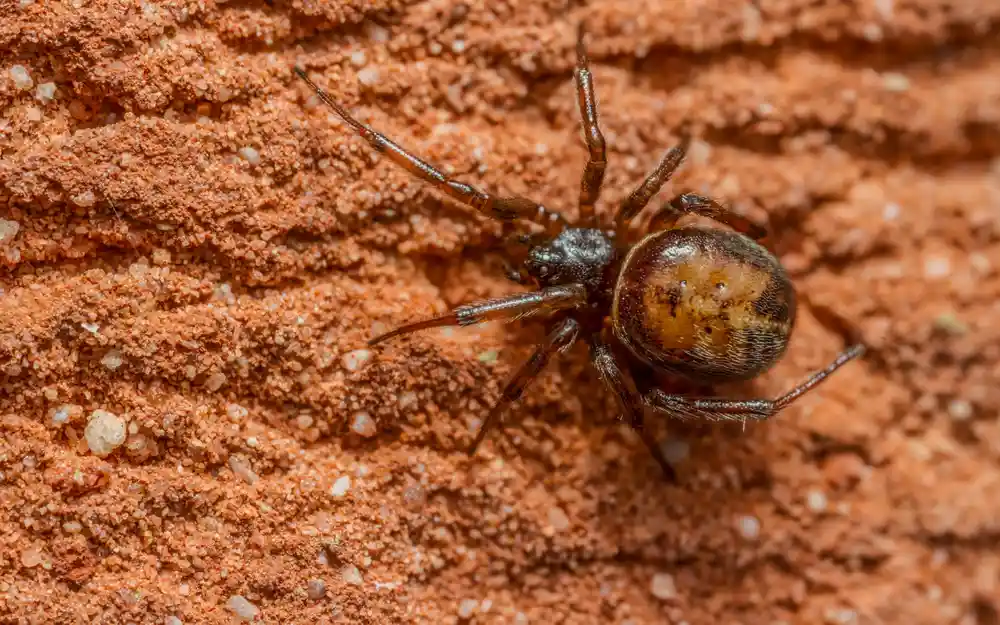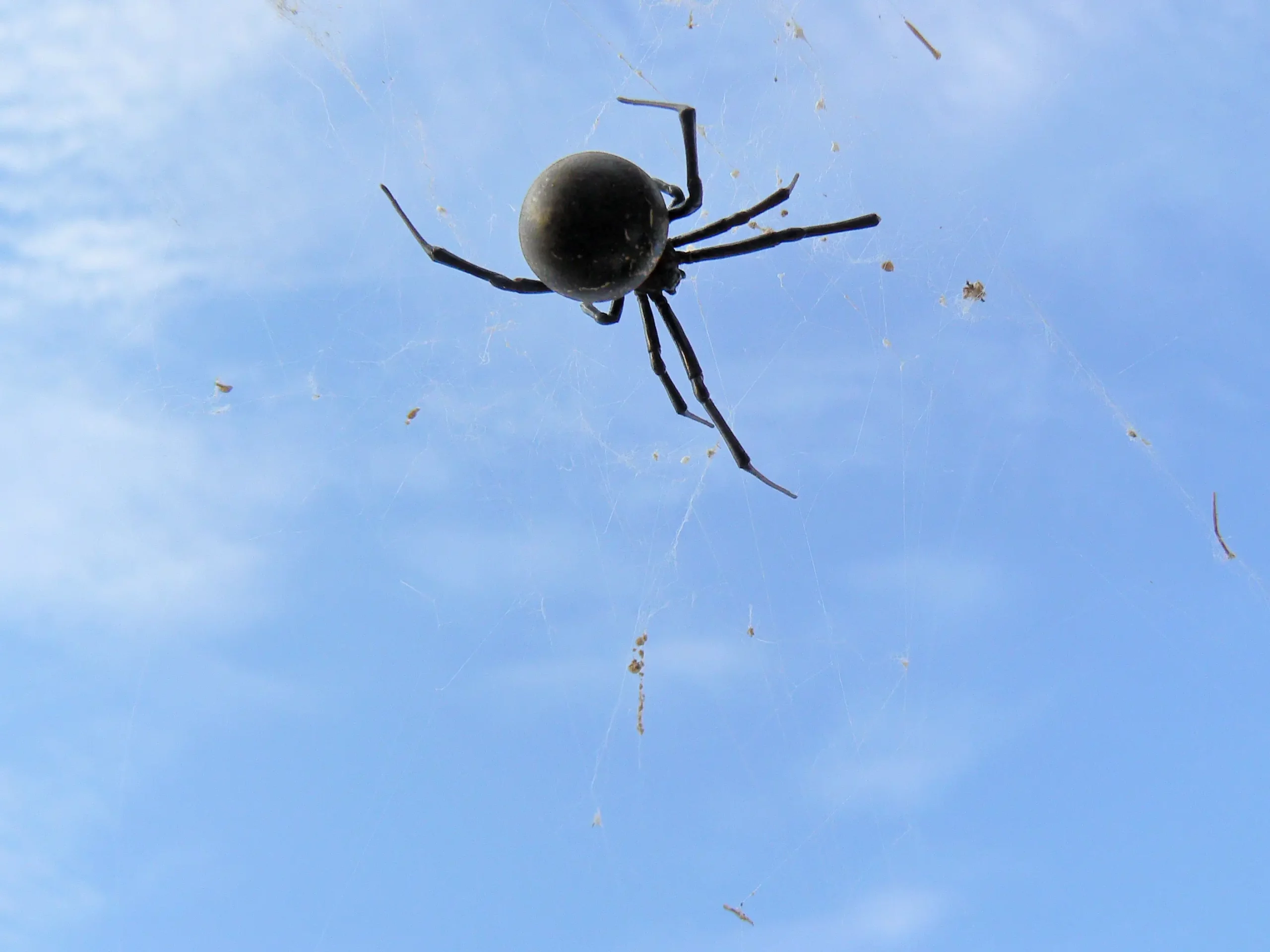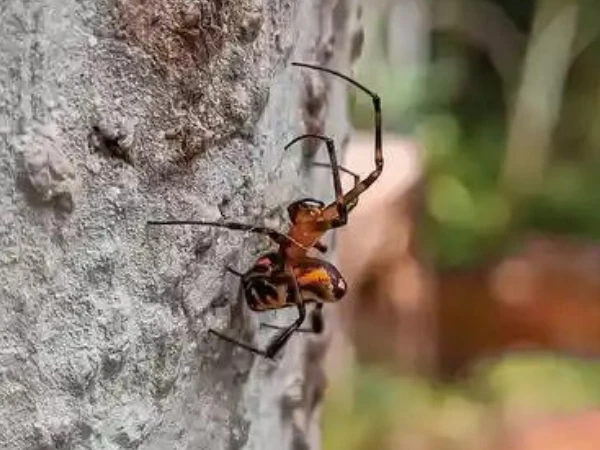


Spiders are a cause for concern when traveling to Egypt. There are many spider species in this historic country and there is a possibility that you will come across them, especially if you visit historical spots such as the Valley of the Kings, Giza Pyramids, and hidden Cairo places. Therefore, if you plan to travel to Egypt, ensure you equip yourself with knowledge about spiders and other arachnids you might encounter. To give you an idea, some spider species you might encounter are the notorious red house spiders and fuzzy tarantulas. Most of these spiders are non-venomous, but please know that some are highly potent venomous, which can cause necrosis.

Spiders in Egypt Identification Chart
| Common Red House Spiders | Banded Garden Spider (Argiope trifasciata) | Adanson’s House Jumper (Hasarius adansoni) |
| Tropical Tent-web Spider (Cyrtophora citricola) | Lobed Argiope (Argiope lobata) | Camel Spiders (Solifugae) |
| Crab Spiders (Thomisidae) | — | — |
| Middle East Black Tarantula also called Middle East Gold | Black Tarantula, and Black Furry (Chaetopelma olivaceum) | — |
 White Widow (Latrodectus pallidus) - The White Widow Spider is a unique member of the cobweb spiders family. While you might have heard of black or redback spiders, the White Widow is different.… Continue Reading >
 Southern Black Widow (Latrodectus mactans) - Did you know there's a spider called the southern black widow? It's mostly found in North America. It has family members like the western black widow and northern black widow, and they look a bit alike.… Continue Reading >
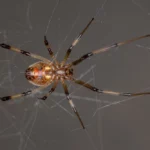 Brown Widow (Latrodectus geometricus) - The Brown Widow Spider is a cool spider that belongs to the cobweb spiders family. Some people know more about its cousin, the Black Widow, but the Brown Widow has its own interesting story.… Continue Reading >
© 2024 (Spider Identifications). All rights reserved. Reproduction in whole or in part without permission is prohibited.
Follow us on: