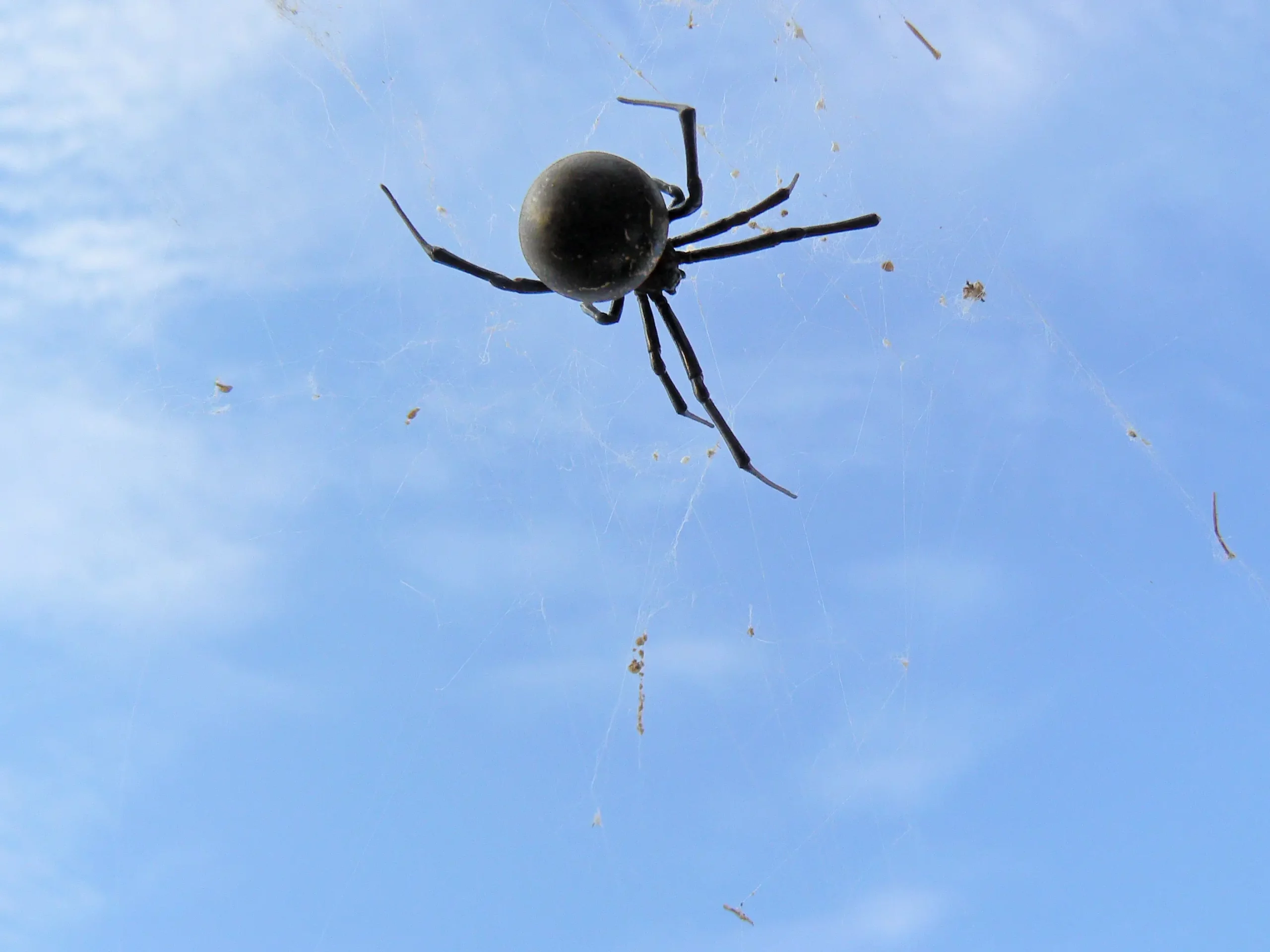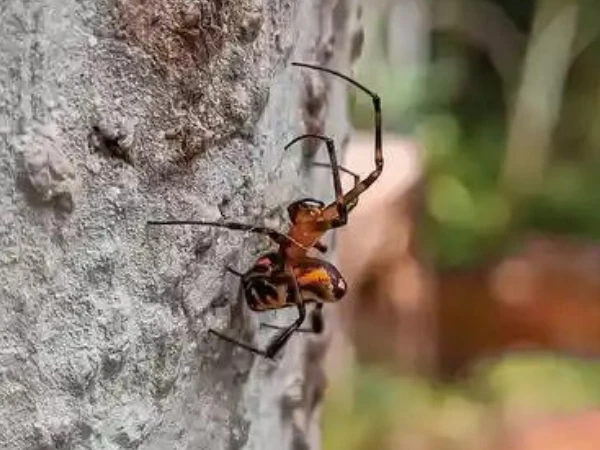


Did you know that Indonesia is home to more than 50,000 spider species? Yes, the number is massive, but it does not necessarily mean that the country is heavily infested with spiders. In fact, most of spider species you can find in Indonesia are harmless and tend to shy away from humans. So, there is really no cause for alarm or concerns. Although it is best to be aware of what could possibly be lurking around the corner, especially if you plan to visit some of the must-visit tourism places in Indonesia such as Bali.

Spiders in Indonesia Identification Chart
| Common Housefly Catcher (Plexippus petersi) | Black and White Spiny Spider (Gasteracantha kuhli) | Abandoned-web Orb-weaver (Parawixia dehaani) |
| Hasselt’s Spiny Spider | Tree Trunk Spiders | Common House Spiders (Parasteatoda tepidariorum) |
| Asian Hermit Spider (Nephilengys malabarensis) | — | — |
| Giant Golden Orb Weaver Spider (Nephila pilipes) | Giant Huntsman Spider (Heteropoda maxima) | — |
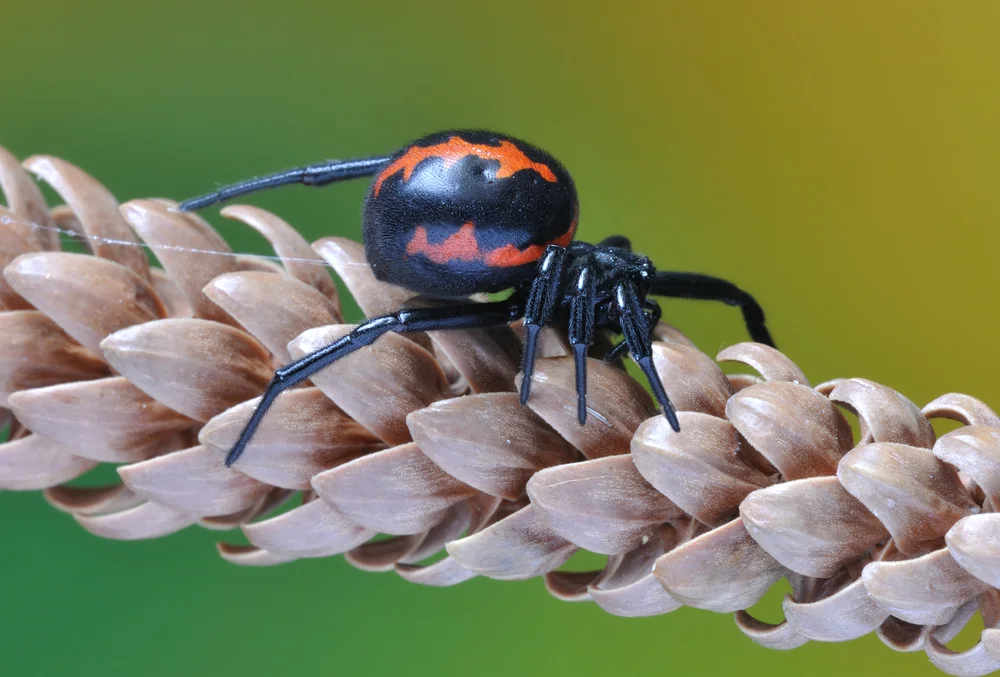
 Widow (Latrodectus) - Meet the Latrodectus spiders, often known as true widows! They're part of the cobweb spider family. By July 2017, there were 31 types of them, living everywhere except Antarctica.… Continue Reading >
 Brown Recluse Spider (Loxosceles reclusa) - The brown recluse spider is a special spider found mostly in the central and southern parts of the U.S. It's part of a small group of spiders in North America known for having strong venom, along with the Chilean recluse and black widow.… Continue Reading >
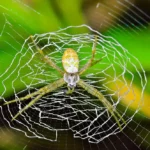 St. Andrews Cross (Argiope keyserlingi) - Did you know there's a spider named after a cross pattern? It's called the St. Andrews Cross spider. This spider lives in Australia and makes a web that looks like a special cross.… Continue Reading >
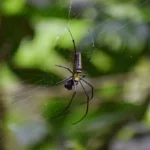 Giant Wood Spider (Nephila pilipes) - Meet the Nephila Pilipes! This golden orb-weaver spider calls many places home, from Asian countries like China and India to faraway Australia. It's one of the biggest orb-weaving spiders out there.… Continue Reading >
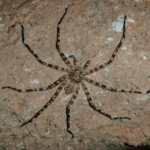 Giant Huntsman (Heteropoda maxima) - The Giant Huntsman spider has a big claim to fame: it has the longest legs among all spiders! Found in the Laos region, this spider is also super speedy. It chases its prey really fast!… Continue Reading >
© 2024 (Spider Identifications). All rights reserved. Reproduction in whole or in part without permission is prohibited.
Follow us on: