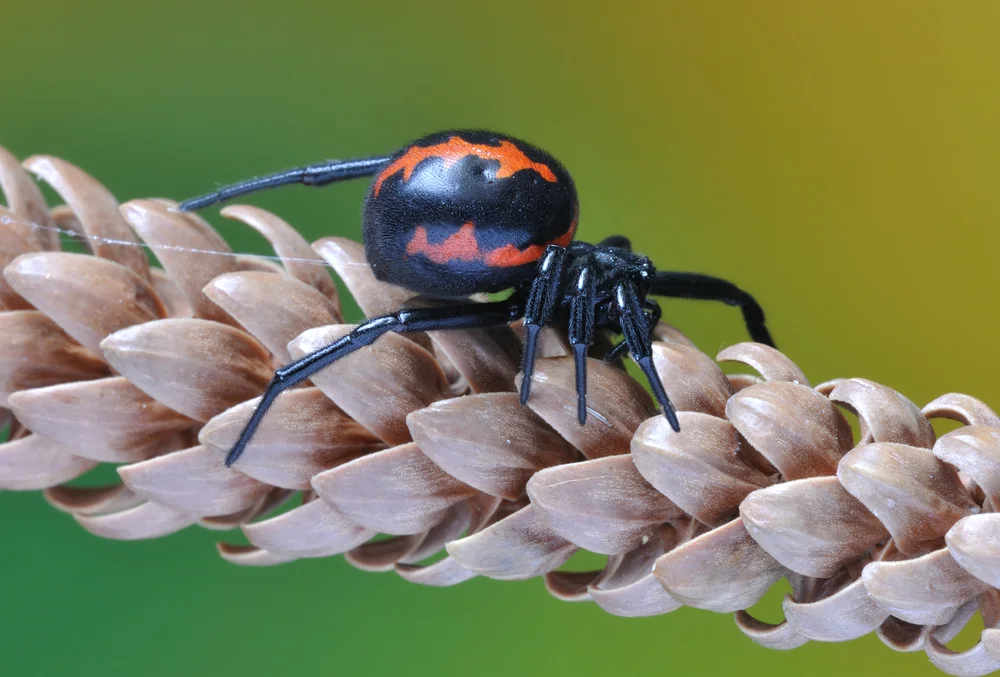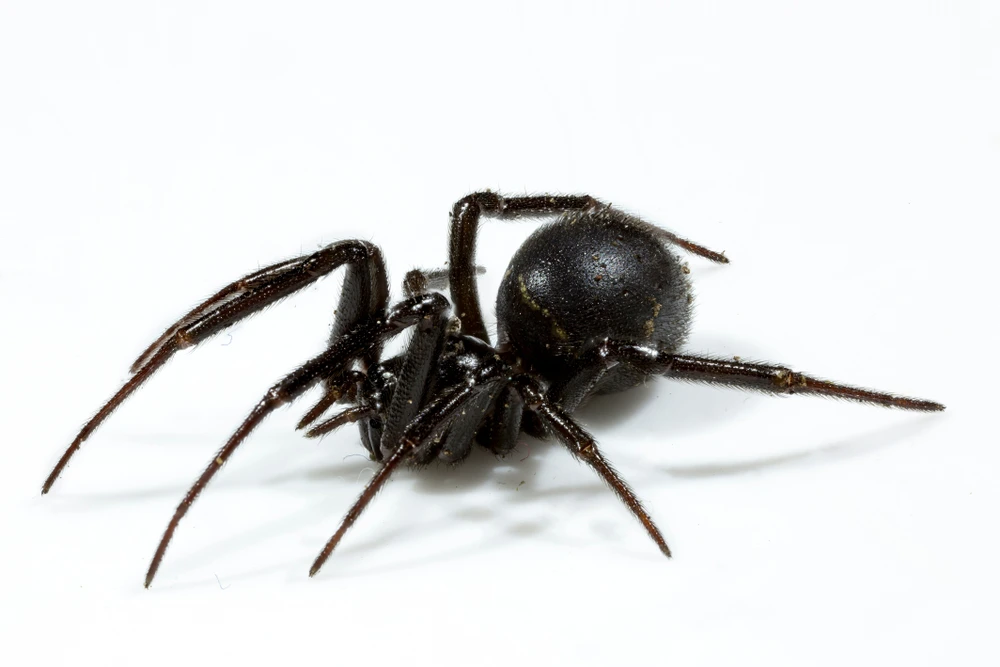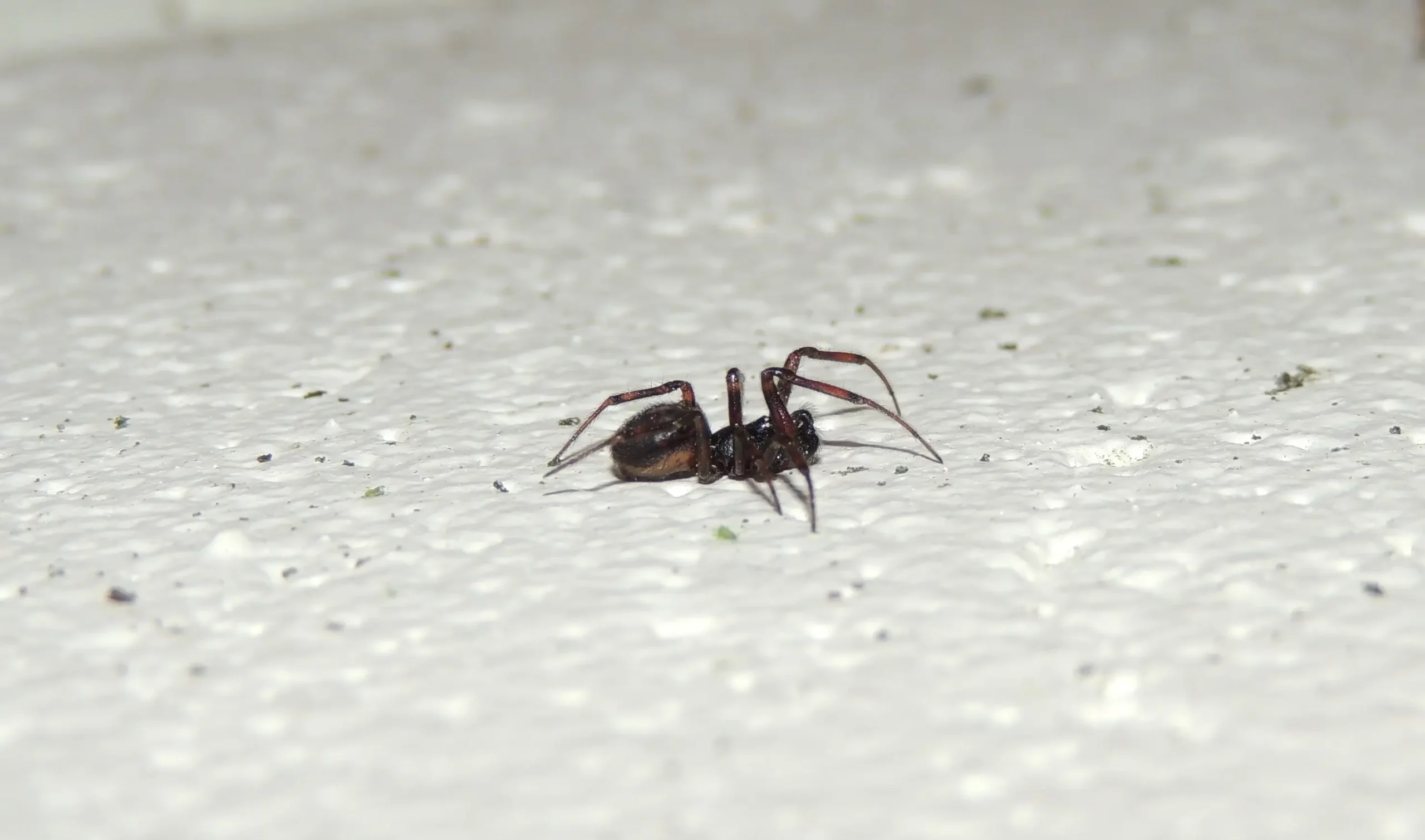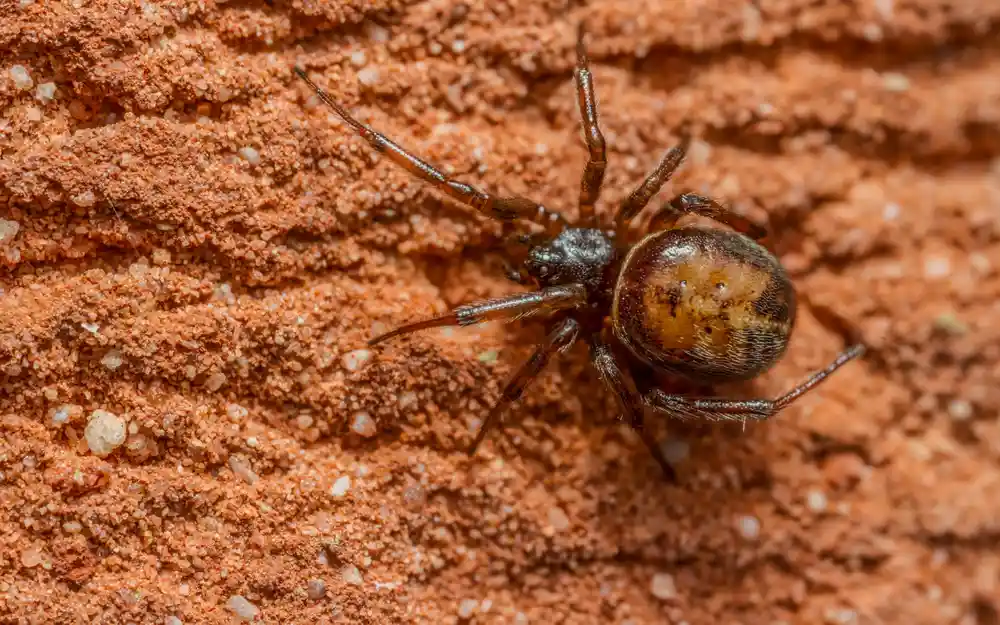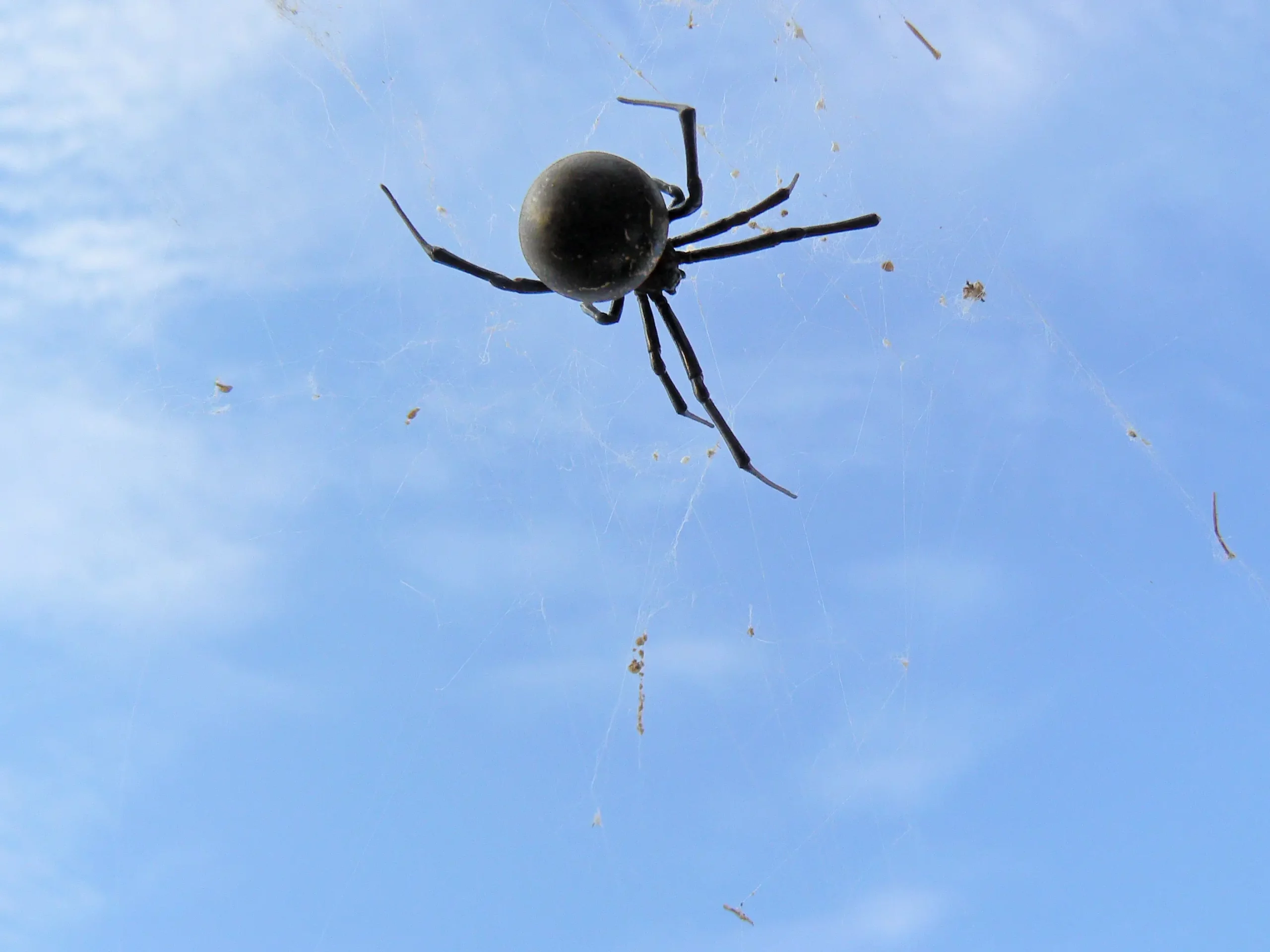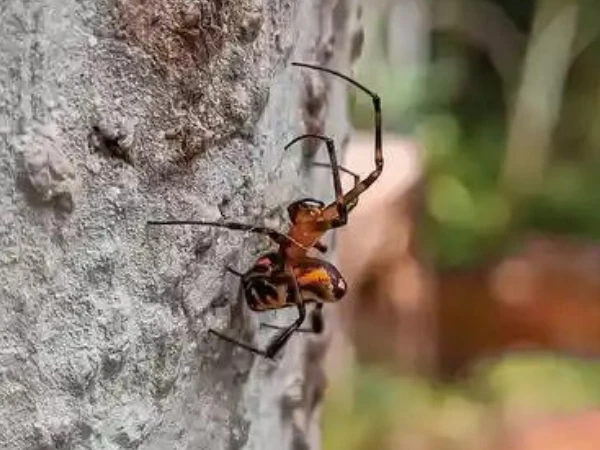


Spiders are without a doubt among the most terrifying critters on the planet. They have scary fangs and long wiry legs that will surely scare away people, especially those who have a phobia of spiders. In Ireland, there is this called spider season – the time of the year when spiders make their way to your homes, especially in the nooks and crannies. The good news is that only a few spider species have venom potent enough to inflict harm on humans. Most of their venoms aim to target their prey, but even so, you still need to keep an eye on these crawlers.

Spiders in Ireland Identification Chart
| Silver-sided Sector Spider also known as Missing Sector Orb Weaver (Zygiella x-notata) | Window Lace Weaver Spiders (Amaurobius fenestralis) | Black Lace Weaver Spiders (Amaurobius ferox) |
| Pumpkin Spiders | Candy Striped Spiders (Enoplognatha ovata) | Stripe legged Spider (Harpactea hombergi) |
| European Cave Spider (Meta menardi) | Rabbit Hutch Spiders (Steatoda bipunctata) | False Black Widow Spiders (Steatoda grossa) |
| Noble False Widow Spiders (Steatoda nobilis) | Toothed Weaver (Textrix denticulate) | Missing Sector Orb Weaver Spiders (Zygiella x-notata) |
| Spitting Spider (Scytodes thoracica) | — | — |
| Giant House Spider (Eratigena atrica) | Fen Raft Spider (Dolomedes plantarius) | Furrow Orb-Weaver (Larinioides cornutus) |
| Woodlouse Spider (Dysdera crocata) | — | — |
 False Black Widow (Steatoda grossa) - The False Black Widow spider is part of the Steatoda genus and is frequently confused with the more dangerous Black Widow Spider. Known by various names, including 'cupboard spider' and 'brown house spider' in Australia, this species sometimes earns the label of a pest in certain areas.… Continue Reading >
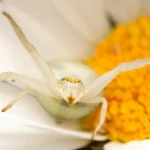 Goldenrod Crab (Misumena vatia) - Goldenrod Crab Spiders are super cool! They can change colors and hang out on flowers, waiting for their food. Instead of making big webs, they use silk for catching food or keeping their eggs safe.… Continue Reading >
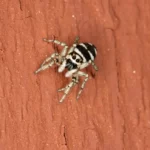 Zebra (Salticus scenicus) - Discover the fascinating world of the Zebra Spider, a creature from the northern hemisphere with stripes like a zebra. These lively spiders don't spin webs to catch their dinner.… Continue Reading >
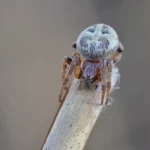 Furrow (Larinioides cornutus) - Did you know there's a spider called the Furrow spider? It belongs to the orb-weaver family. You can find them in places like North Africa, Europe, parts of Asia, and even in North and South America!… Continue Reading >
© 2024 (Spider Identifications). All rights reserved. Reproduction in whole or in part without permission is prohibited.
Follow us on: