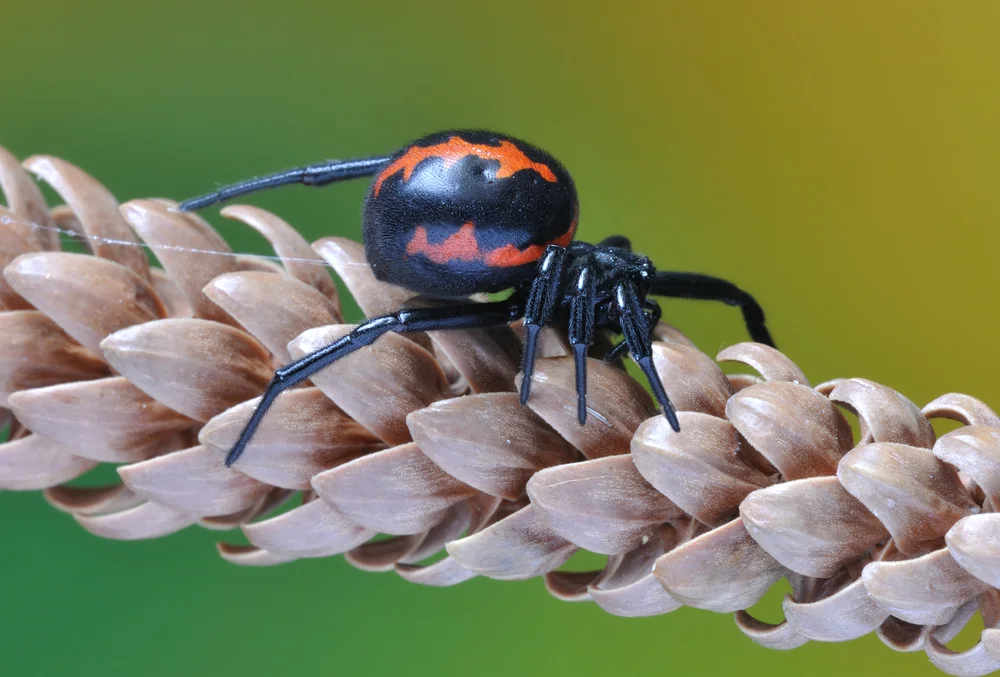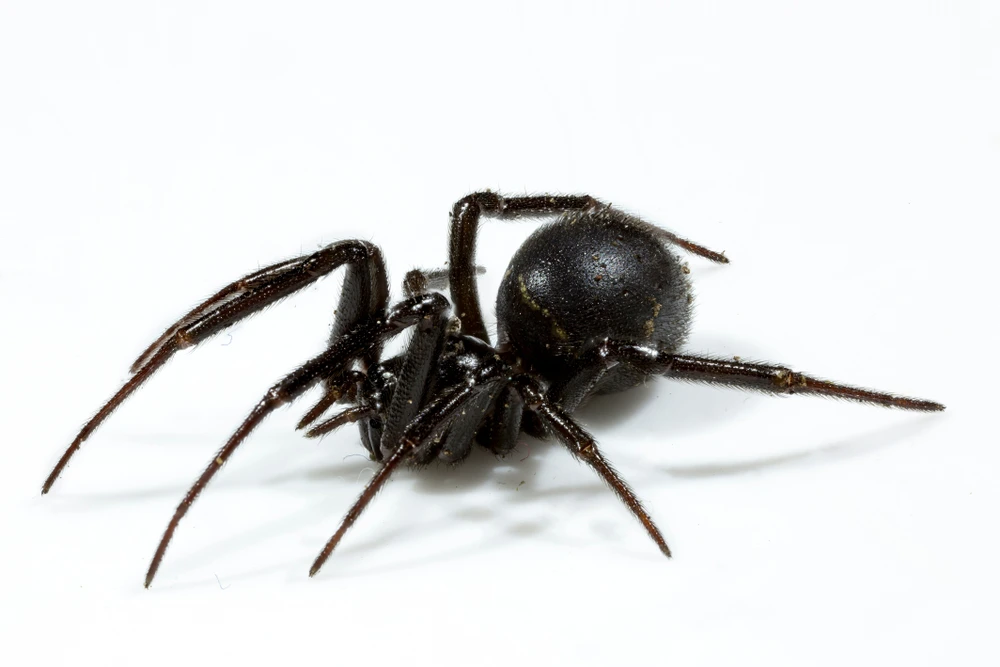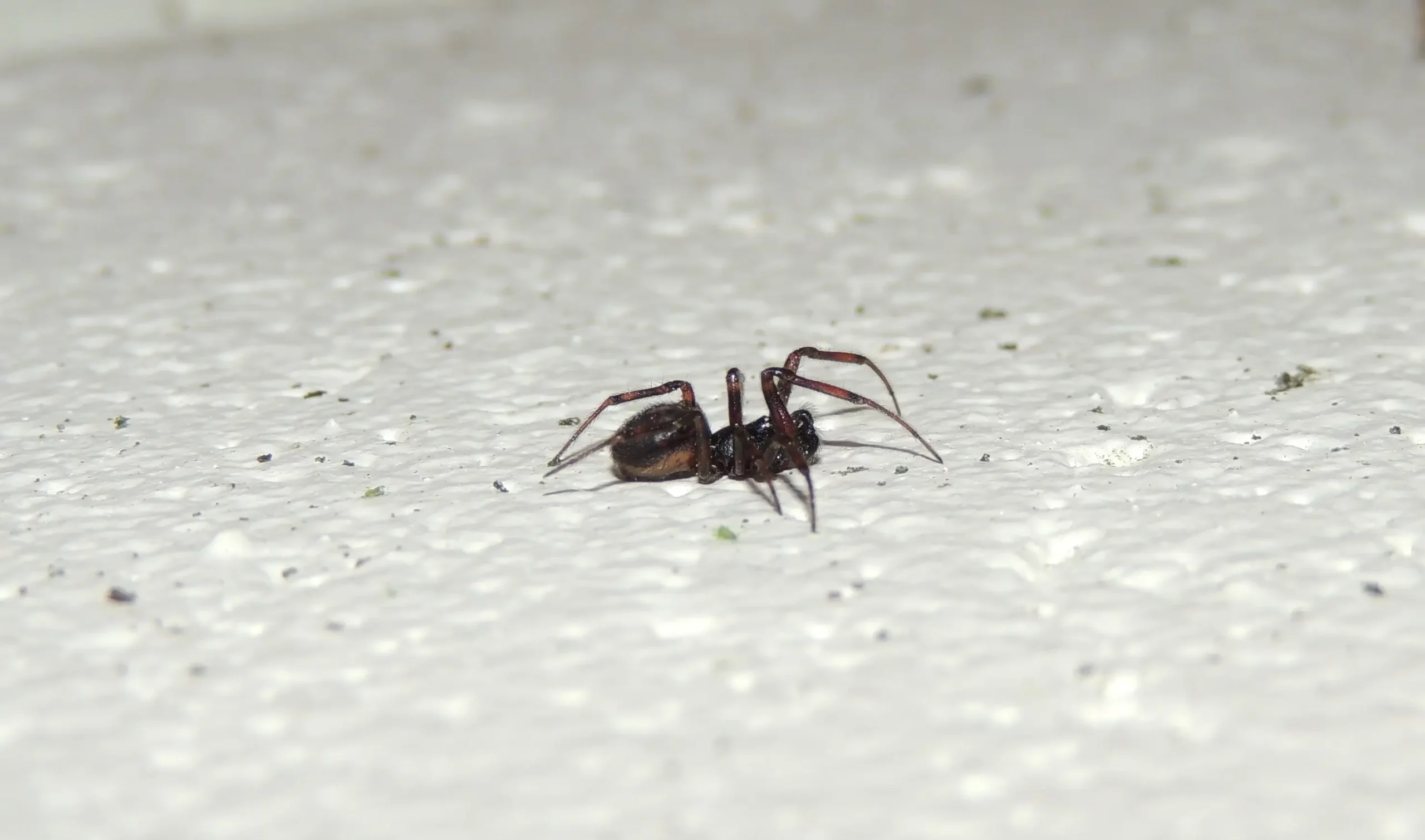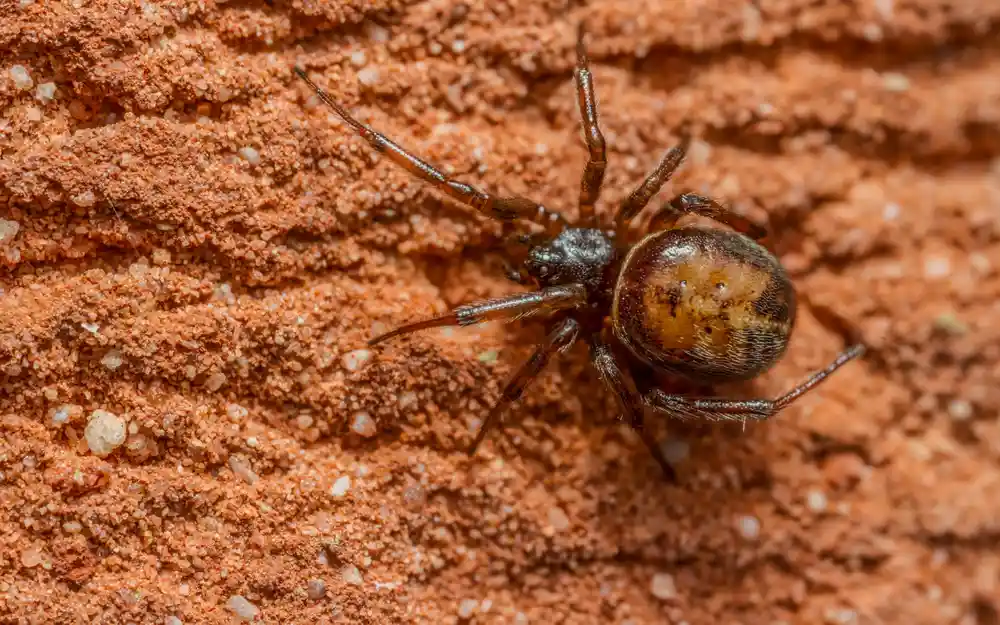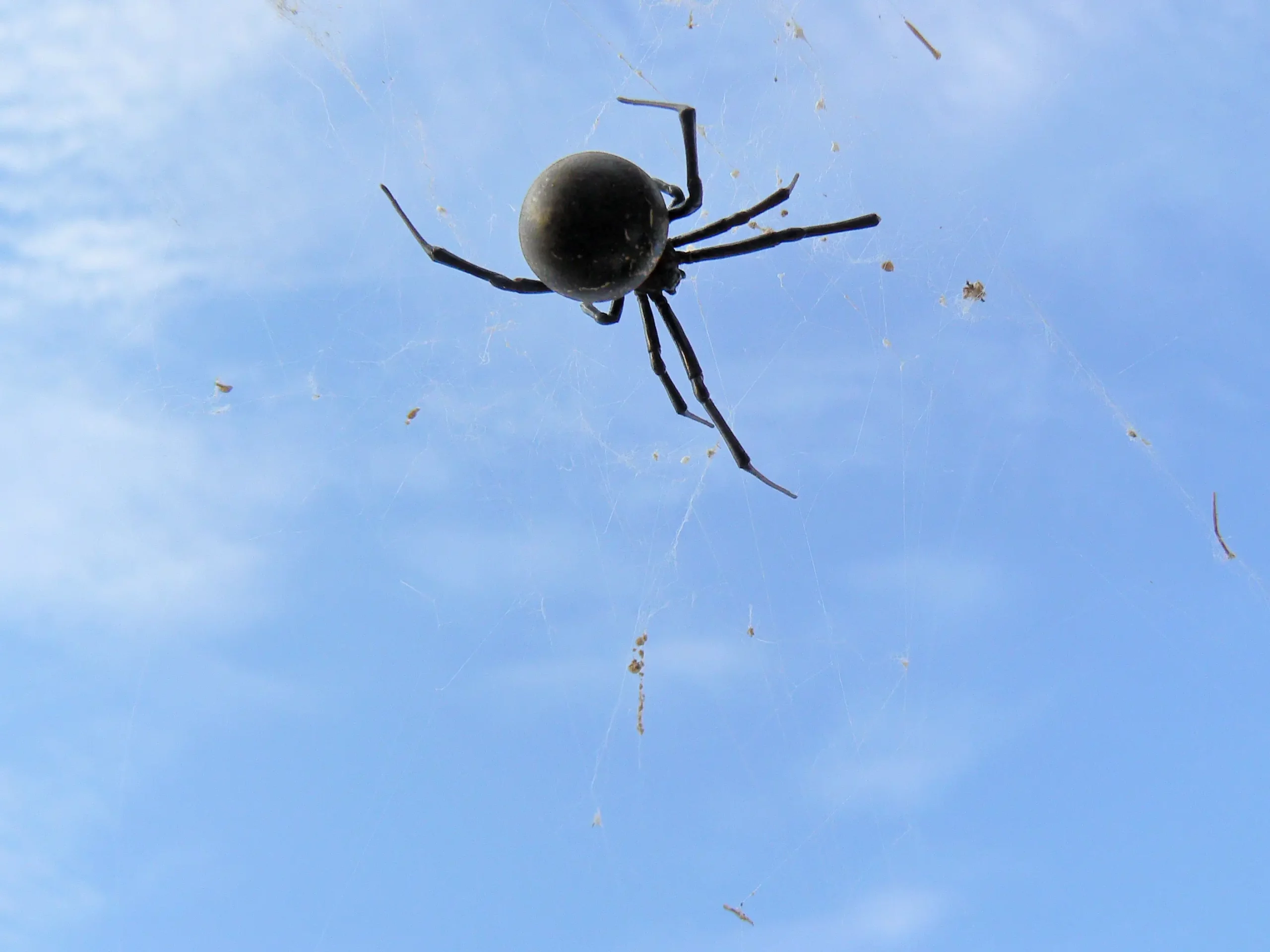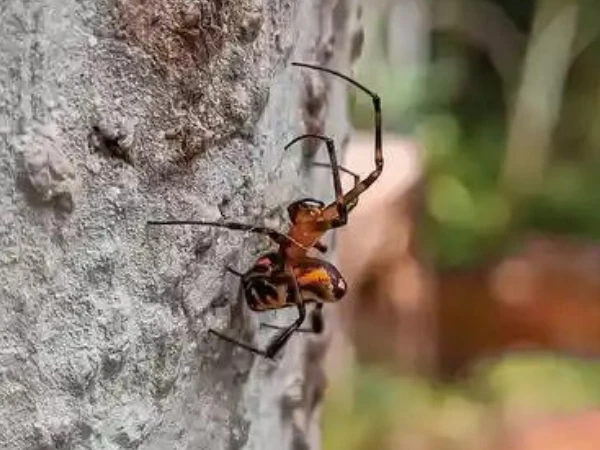


Montenegro might be a small country, but it does not fall short in beauty and adventure. It is a great place for animal lovers, especially those fond of the wild. Speaking of wild creatures, did you know that the most venomous spiders are lurking in Montenegro? It includes False Black Widow Spiders and European Black Widow Spiders known for their poisonous venom. Should you wish to visit Montenegro, it is a must to equip yourself about spiders that you might encounter in this beautiful paradise.

Spiders in Montenegro Identification Chart
| Red-sided Sector Spider (Zygiella atrica) | Common Dewdrop Spider (Argyrodes argyrodes) | Ant Comb-Footed Spider (Asagena phalerata) |
| Scarce Candy-striped Spider (Enoplognatha latimana) | Common House Spider (Parasteatoda tepidariorum) | Tropical Tent-web Spider (Cyrtophora citricola) |
| Silver-sided Sector Spider (Zygiella x-notata) | — | — |
 Mediterranean Black Widow (Latrodectus tredecimguttatus) - The Mediterranean black widow spider has a history that dates back to 1790 when Italian expert Pietro Rossi introduced us to it. These spiders belong to the comb-footed family.… Continue Reading >
 False Black Widow (Steatoda grossa) - The False Black Widow spider is part of the Steatoda genus and is frequently confused with the more dangerous Black Widow Spider. Known by various names, including 'cupboard spider' and 'brown house spider' in Australia, this species sometimes earns the label of a pest in certain areas.… Continue Reading >
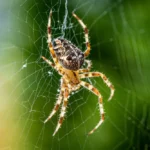 Cross Orb Weaver (Araneus diadematus) - Did you know the Cross Orb Weaver spider comes from Europe and North America? Their legs are super cool because they can spin special round webs.… Continue Reading >
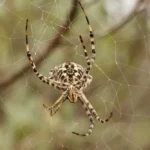 Lobed Argiope (Argiope lobata) - Discover the Argiope lobata, a fascinating orb weaver spider that makes its home across three continents. Here, you'll find intriguing facts and details about this widespread spider.… Continue Reading >
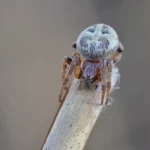 Furrow (Larinioides cornutus) - Did you know there's a spider called the Furrow spider? It belongs to the orb-weaver family. You can find them in places like North Africa, Europe, parts of Asia, and even in North and South America!… Continue Reading >
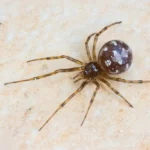 Triangulate Cobweb (Steatoda triangulosa) - Meet the triangulate cobweb spider from the Steatoda genus! Found in places like North America, New Zealand, and Europe, this little spider has a neat triangular pattern on its back.… Continue Reading >
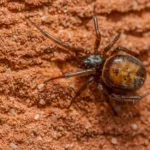 Rabbit Hutch Spider (Steatoda bipunctata) - Discover the intriguing world of the rabbit hutch spider, a comb-footed spider family member. Known for its unique habit of dwelling in places where rabbits live, this spider is more than just its name.… Continue Reading >
© 2024 (Spider Identifications). All rights reserved. Reproduction in whole or in part without permission is prohibited.
Follow us on: