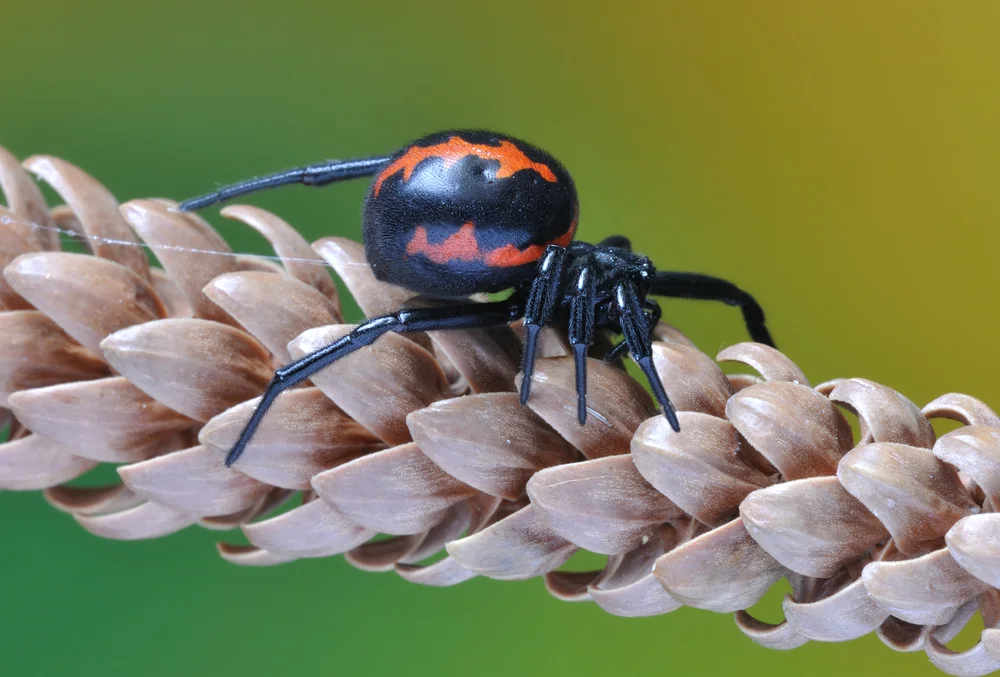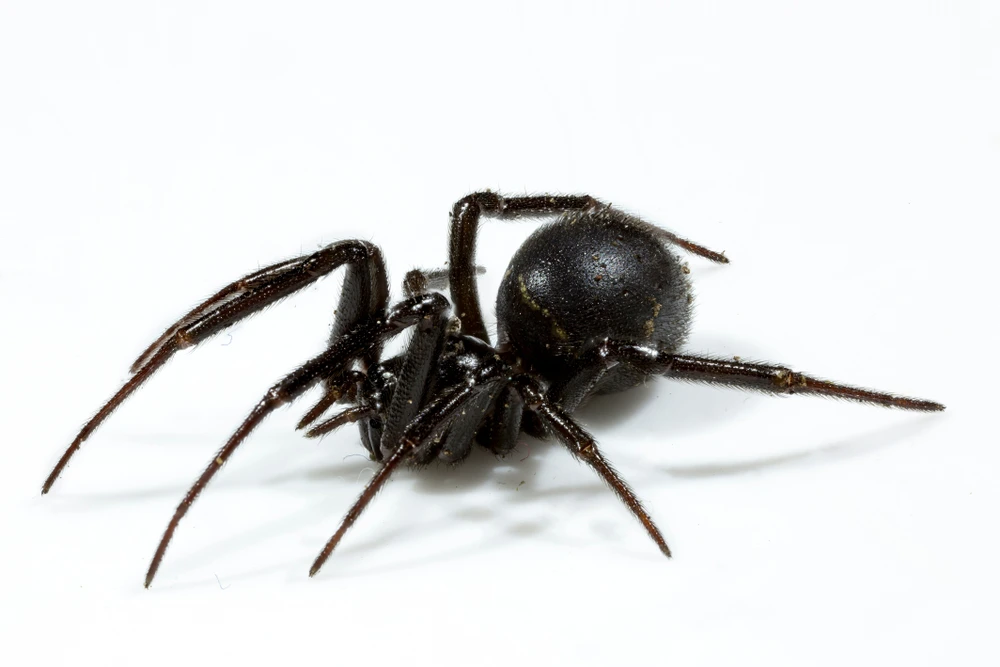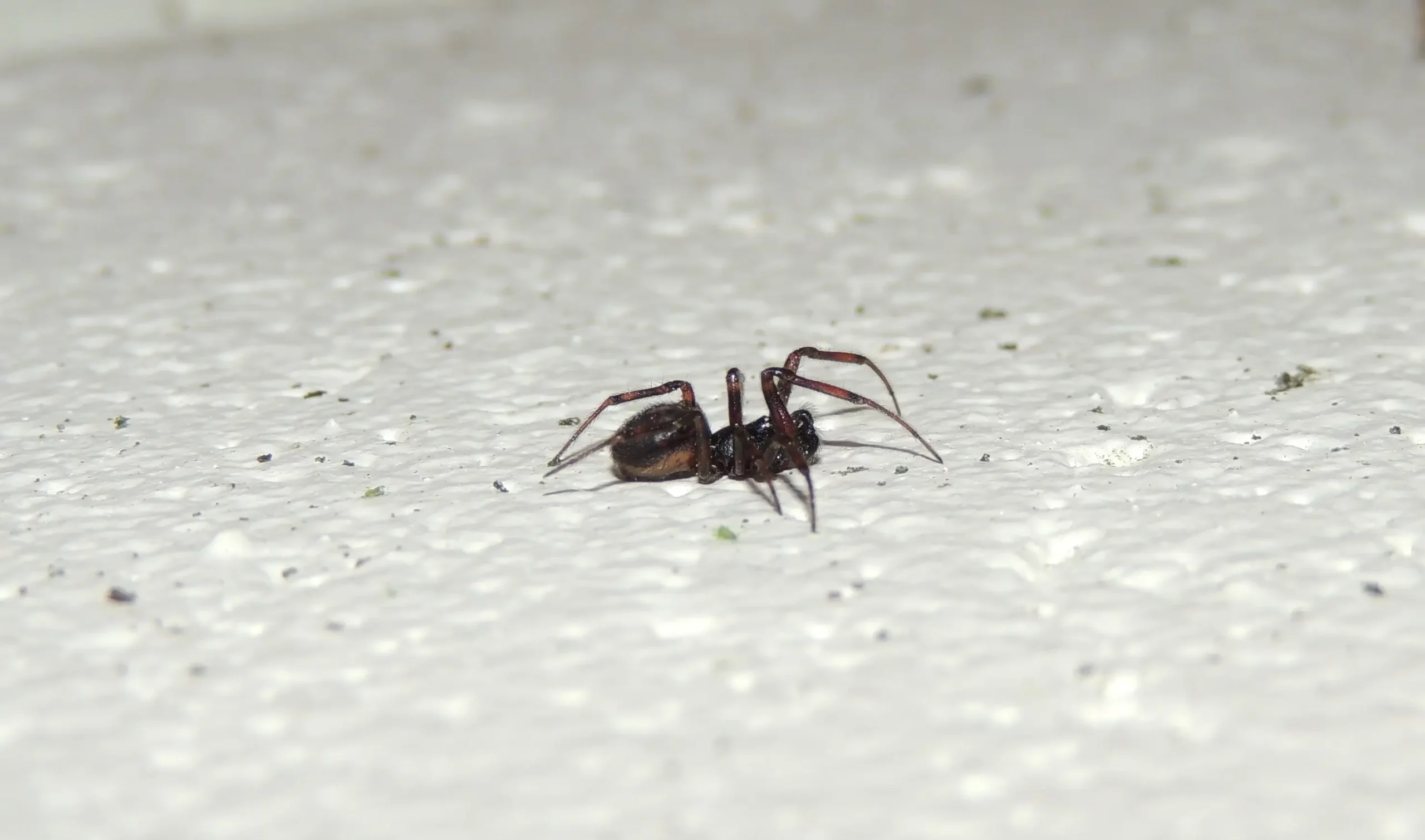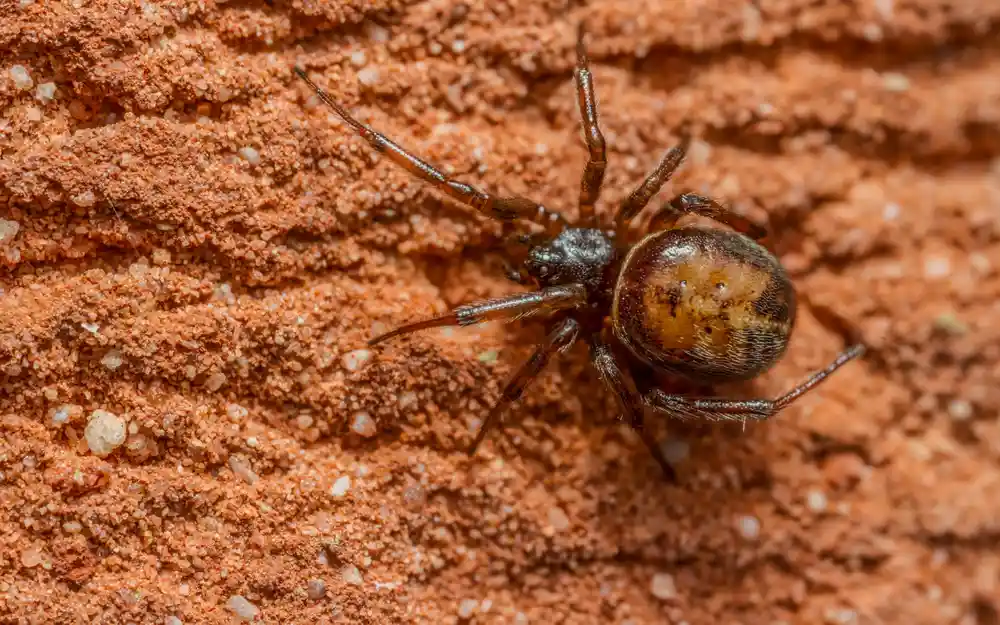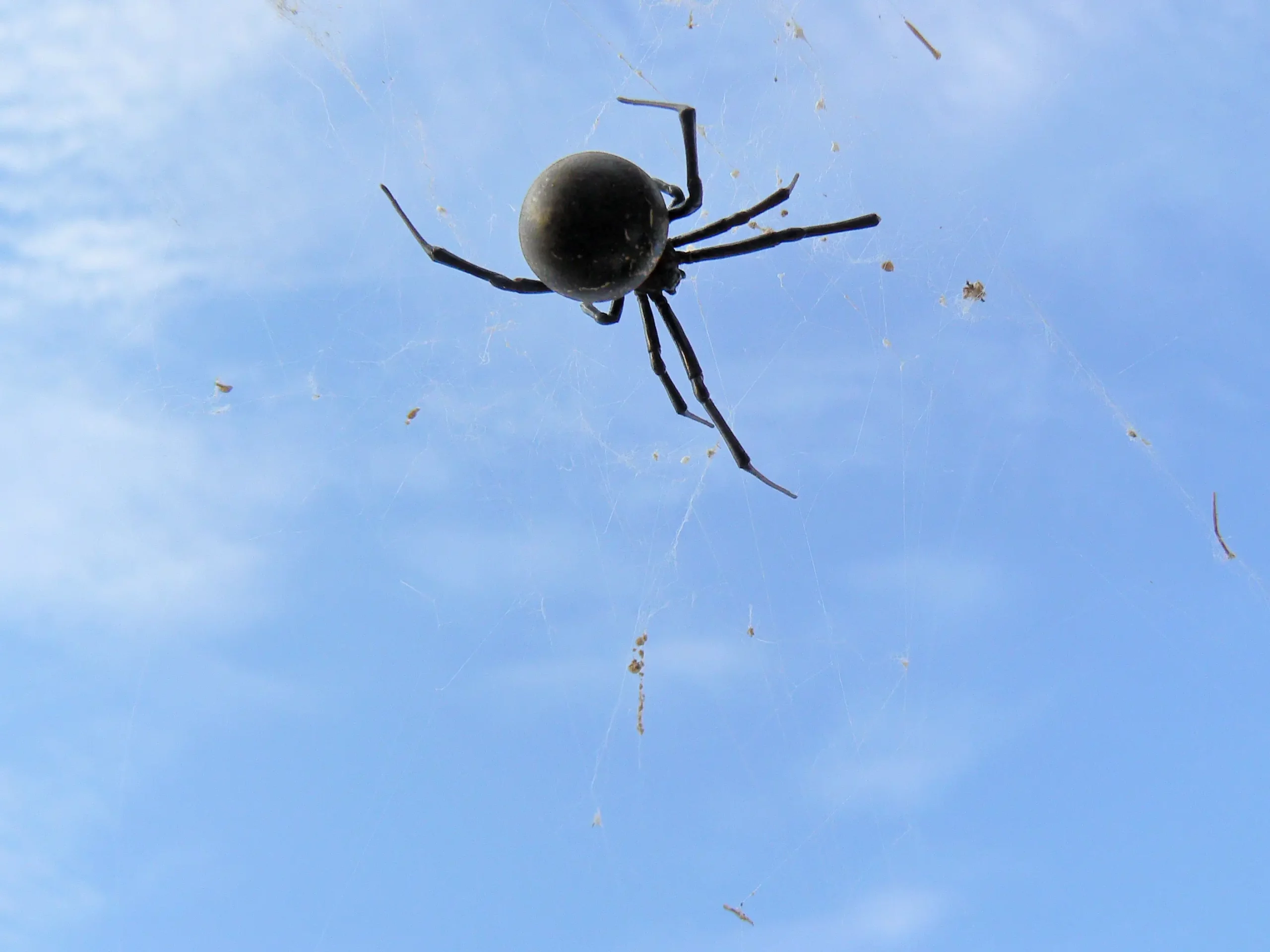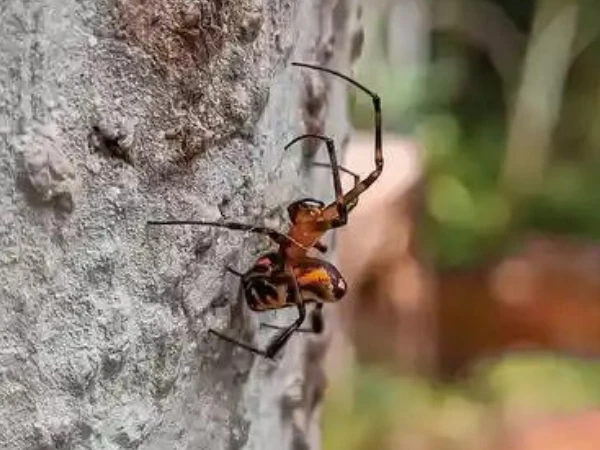


Are you curious about the different spider species you can find in Sri Lanka? If yes, then you have to read this article up to the end. This article uncovers the different spider species you can find in Sri Lanka and whether their bite is venomous or not. One thing is for sure – there are a number of creepy crawlers in Sri Lanka from the harmless to the most dangerous and highly venomous.

Spiders in Sri Lanka Identification Chart
| Red tent spider (Cyrtophora unicolor) | Grass Cross Spider (Argiope catenulate) | Asian Hermit Spider (Nephilengys malabarensis) |
| Double spotted spiny spider (Thelacantha brevispina) | Abandoned-web Orb-weaver (Parawixia dehaani) | — |
| Giant Golden Orb Weaver Spider (Nephila pilipes) | Rameshwaram ornamental tarantula (Poecilotheria hanumavilasumica) | — |
 Ivory Ornamental Tarantula (Poecilotheria subfusca) - Meet the ivory ornamental tarantula! This unique spider loves to climb trees in Sri Lanka. With a quick pounce, they catch their food. Join us to discover cool facts about this amazing tree-loving spider!… Continue Reading >
 Rameshwaram Ornamental Tarantula (Poecilotheria hanumavilasumica) - The Rameshwaram ornamental tarantula is a special spider from India and Sri Lanka. It's named after Rameshwaram, a place in India where people first found it.… Continue Reading >
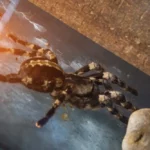 Yellow-backed Ornamental Tarantula (Poecilotheria smithi) - The yellow-backed ornamental tarantula is a special spider from Sri Lanka. Many people like them as pets because they're calm and gentle. But, in the wild, their numbers are getting lower.… Continue Reading >
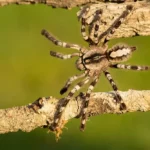 Fringed Ornamental Tarantula (Poecilotheria ornata) - The fringed ornamental tarantula is a special spider from Sri Lanka. A smart scientist named Reginald Innes Pocock talked about this spider for the first time in 1899.… Continue Reading >
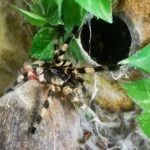 Sri Lanka Ornamental Tarantula (Poecilotheria fasciata) - The Sri Lanka ornamental tarantula is a special kind of spider that lives in certain parts of Sri Lanka. This post is packed with interesting facts about this unique tarantula family member.… Continue Reading >
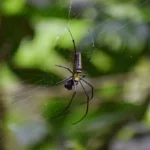 Giant Wood Spider (Nephila pilipes) - Meet the Nephila Pilipes! This golden orb-weaver spider calls many places home, from Asian countries like China and India to faraway Australia. It's one of the biggest orb-weaving spiders out there.… Continue Reading >
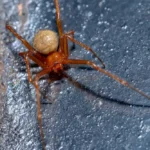 Red House (Nesticodes rufipes) - Have you ever spotted a red spider in your home? It might be the red house spider! They're often found chilling in cool spots or near doorframes.… Continue Reading >
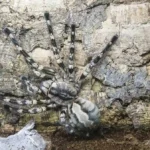 Poecilotheria rajaei - Step into the world of Poecilotheria rajaei ! This special tarantula was discovered in 2009 and calls Sri Lanka its home. We've gathered some interesting facts about this rare spider for you to explore.… Continue Reading >
© 2024 (Spider Identifications). All rights reserved. Reproduction in whole or in part without permission is prohibited.
Follow us on: