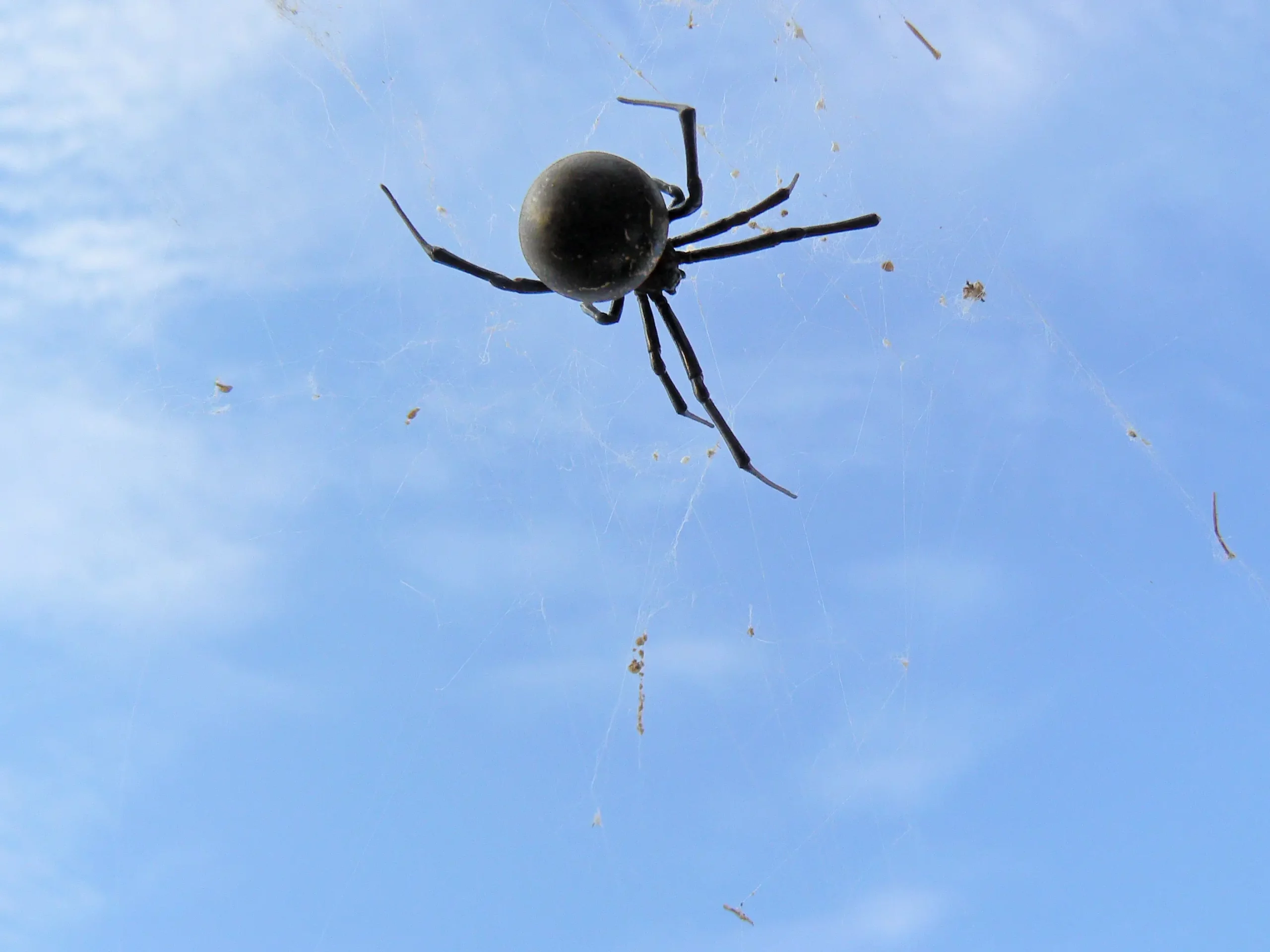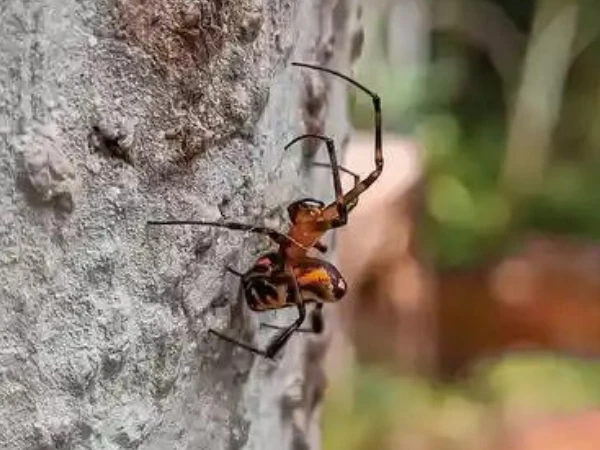


When visiting Denmark, it is a must to equip your knowledge about the different species you might come across. Without a doubt, Denmark is a beautiful country, but if you are afraid of little creepy creatures, then you need this article up to the very end. It tackles the most intriguing and fascinating eight-legged crawly critters. We tackle not only the common spider species in Denmark, but as well as the most dangerous one.

Spiders in Denmark Identification Chart
| Leaf curling sac spiders (Clubiona phragmitis) | Cricket-bat Orb weaver spider (Mangora acalypha) | Red-sided Sector Spider (Zygiella atrica) |
| Long-bodied Cellar Spider (Pholcus phalangioides) | — | — |
| Giant House Spider (Eratigena atrica) | Silver-sided Sector Spider (Zygiella x-notata) | — |
 Black-Footed Yellow Sac (Cheiracanthium inclusum) - Meet the yellow sac spider! It's a spider that originally came from the Americas. Over time, it's been a part of different spider families, and now it's in the Eutichuridae family.… Continue Reading >
 False Black Widow (Steatoda grossa) - The False Black Widow spider is part of the Steatoda genus and is frequently confused with the more dangerous Black Widow Spider. Known by various names, including 'cupboard spider' and 'brown house spider' in Australia, this species sometimes earns the label of a pest in certain areas.… Continue Reading >
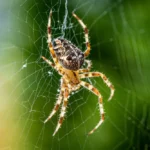 Cross Orb Weaver (Araneus diadematus) - Did you know the Cross Orb Weaver spider comes from Europe and North America? Their legs are super cool because they can spin special round webs.… Continue Reading >
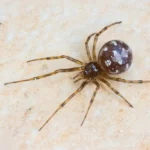 Triangulate Cobweb (Steatoda triangulosa) - Meet the triangulate cobweb spider from the Steatoda genus! Found in places like North America, New Zealand, and Europe, this little spider has a neat triangular pattern on its back.… Continue Reading >
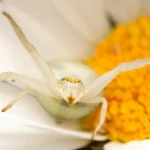 Goldenrod Crab (Misumena vatia) - Goldenrod Crab Spiders are super cool! They can change colors and hang out on flowers, waiting for their food. Instead of making big webs, they use silk for catching food or keeping their eggs safe.… Continue Reading >
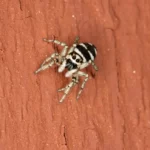 Zebra (Salticus scenicus) - Discover the fascinating world of the Zebra Spider, a creature from the northern hemisphere with stripes like a zebra. These lively spiders don't spin webs to catch their dinner.… Continue Reading >
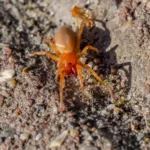 Woodlouse (Dysdera crocata) - Guess what? There's a spider called the woodlouse spider because it loves eating woodlice! It comes from places near the Mediterranean Sea.… Continue Reading >
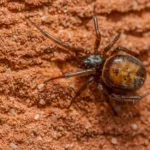 Rabbit Hutch Spider (Steatoda bipunctata) - Discover the intriguing world of the rabbit hutch spider, a comb-footed spider family member. Known for its unique habit of dwelling in places where rabbits live, this spider is more than just its name.… Continue Reading >
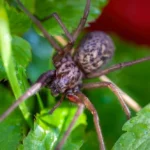 Giant House (Eratigena atrica) - Discover fascinating details about the Giant house spiders! Part of the Eratigena genus, these spiders may have a large appearance, but they're actually quite harmless.… Continue Reading >
© 2024 (Spider Identifications). All rights reserved. Reproduction in whole or in part without permission is prohibited.
Follow us on: