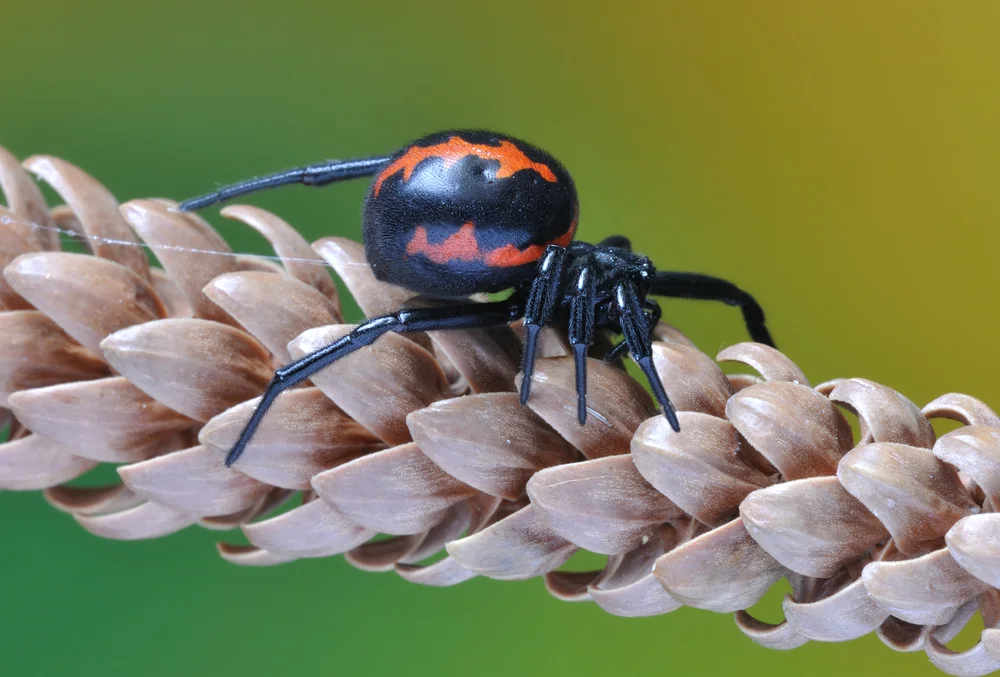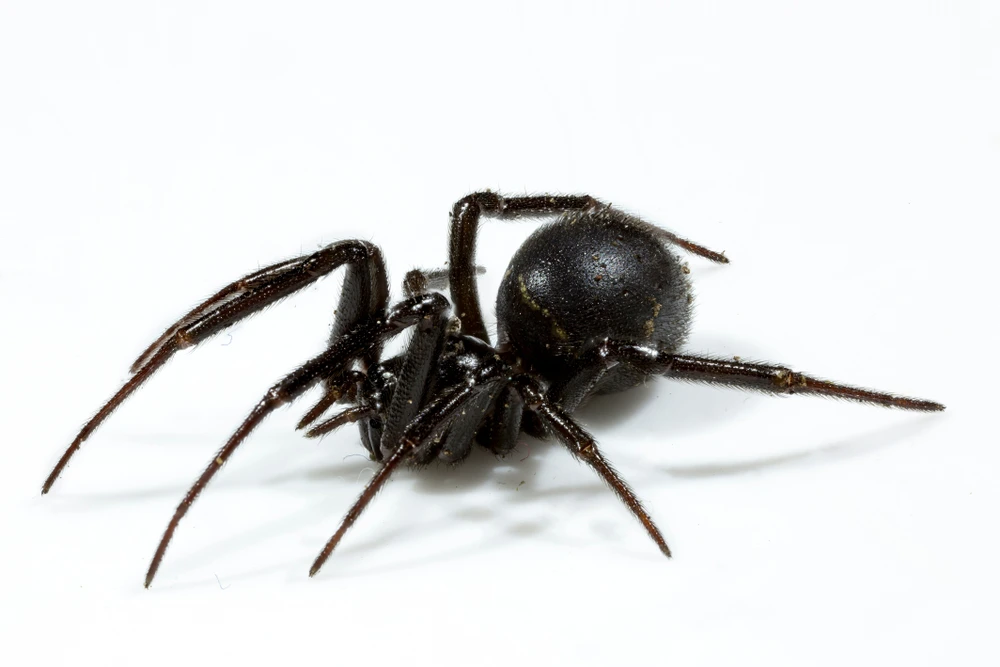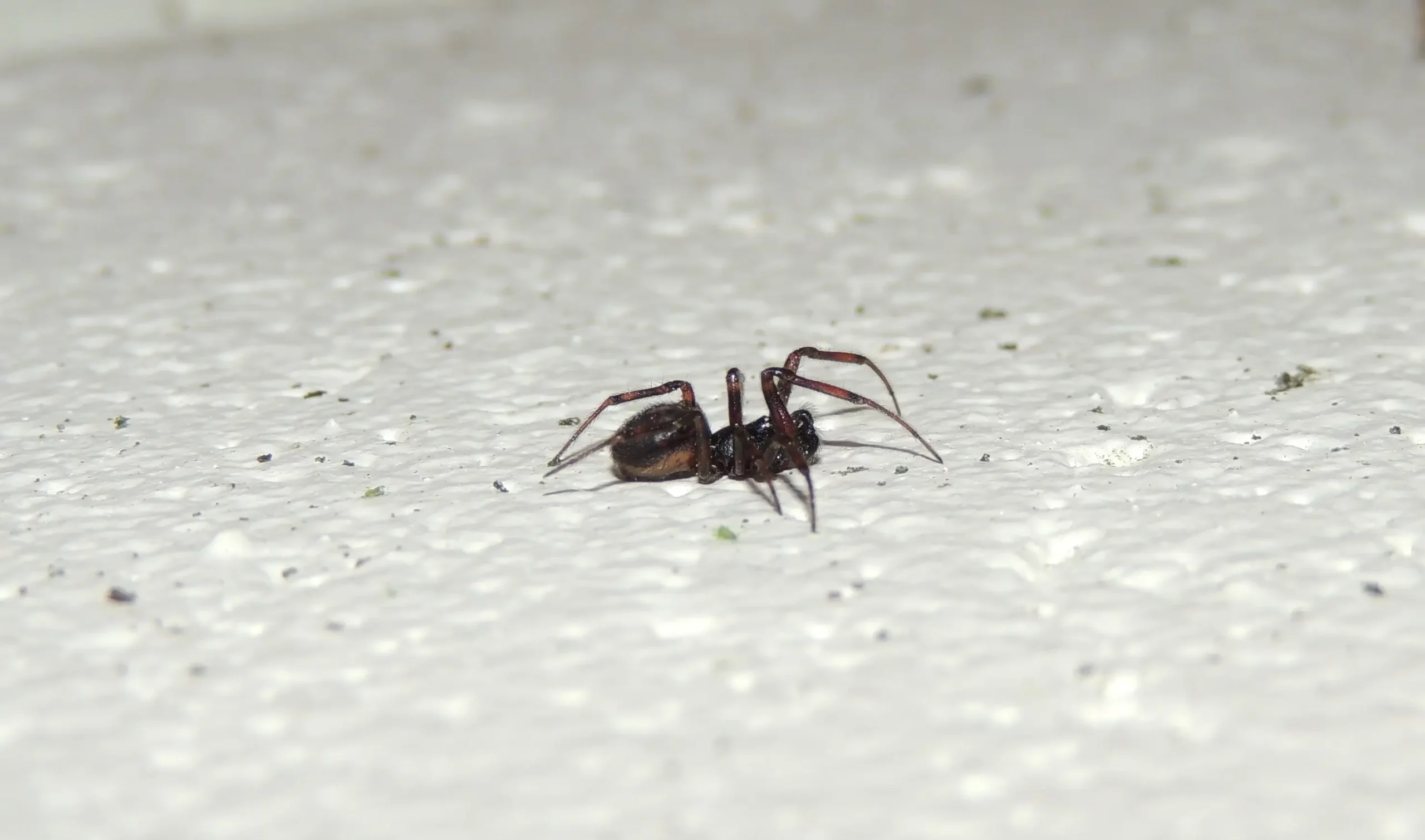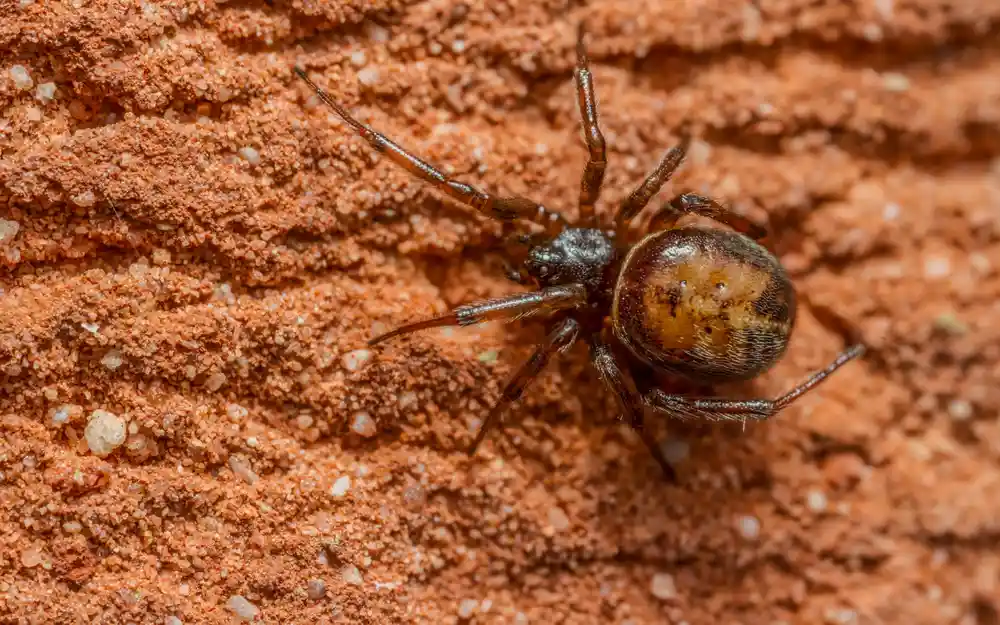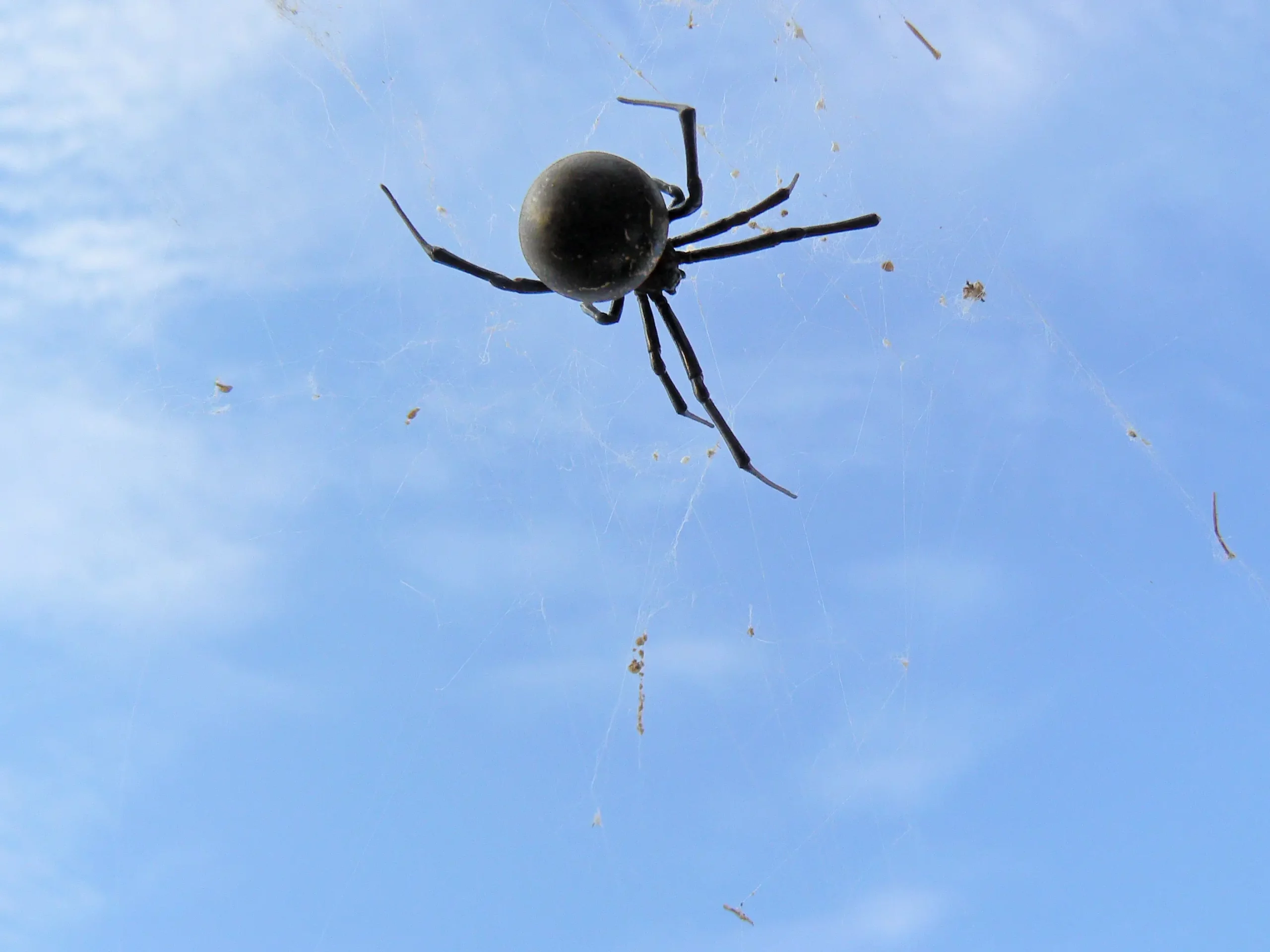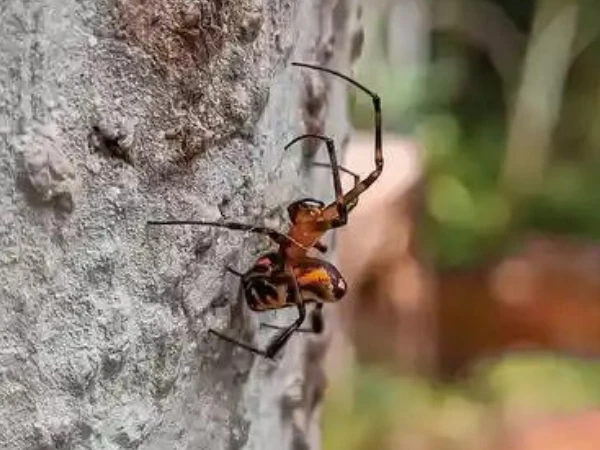


While Europe is typically a safe continent, there are certain dangerous creatures to be aware of in Greece. Spiders, a creature many people are afraid of, are not that scary at all. Although the truth remains that some types of spiders are highly venomous and their bite can cause intense pain and inflammation. It’s fortunate that in Greece, most of the spiders are harmless, they will not bite humans, in fact, they tend to shy away once they see people. However, knowing how to recognize and spot spiders in Greece is still useful.

Spiders in Greece Identification Chart
| Cross Spider | European Garden Spider | Wasp Spiders |
| Tropical tent web spider (Cyrtophora citricola) | Lady Bird Spider | Gorse-Orb Weaver (Agalenatea redii) |
| Zoropsis or False Wolf Spider | — | — |
| Radiated Wolf Spider (Hogna radiata) | Stone Huntsman Spider (genus Eusparassus) | Walckenaer’s Huntsman Spider (Eusparassus walckenaeri) |
 Mediterranean Black Widow (Latrodectus tredecimguttatus) - The Mediterranean black widow spider has a history that dates back to 1790 when Italian expert Pietro Rossi introduced us to it. These spiders belong to the comb-footed family.… Continue Reading >
 Brown Widow (Latrodectus geometricus) - The Brown Widow Spider is a cool spider that belongs to the cobweb spiders family. Some people know more about its cousin, the Black Widow, but the Brown Widow has its own interesting story.… Continue Reading >
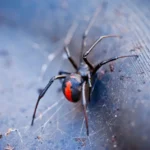 Redback Spider (Latrodectus hasseltii) - The Redback spider, often called the Australian black widow, comes from places in Australia. Nowadays, you can find it all over Australia and even in New Zealand.… Continue Reading >
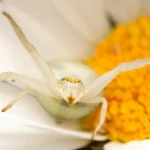 Goldenrod Crab (Misumena vatia) - Goldenrod Crab Spiders are super cool! They can change colors and hang out on flowers, waiting for their food. Instead of making big webs, they use silk for catching food or keeping their eggs safe.… Continue Reading >
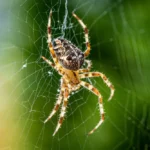 Cross Orb Weaver (Araneus diadematus) - Did you know the Cross Orb Weaver spider comes from Europe and North America? Their legs are super cool because they can spin special round webs.… Continue Reading >
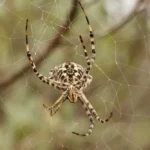 Lobed Argiope (Argiope lobata) - Discover the Argiope lobata, a fascinating orb weaver spider that makes its home across three continents. Here, you'll find intriguing facts and details about this widespread spider.… Continue Reading >
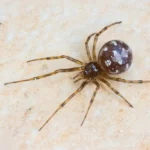 Triangulate Cobweb (Steatoda triangulosa) - Meet the triangulate cobweb spider from the Steatoda genus! Found in places like North America, New Zealand, and Europe, this little spider has a neat triangular pattern on its back.… Continue Reading >
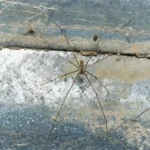 Marbled Cellar Spider (Holocnemus pluchei) - Meet the marbled cellar spider! Many call it the "daddy-long-legs" because of its long, thin legs. These cellar spiders love to hang out in homes, especially in attics and basements, making silky webs.… Continue Reading >
© 2024 (Spider Identifications). All rights reserved. Reproduction in whole or in part without permission is prohibited.
Follow us on: