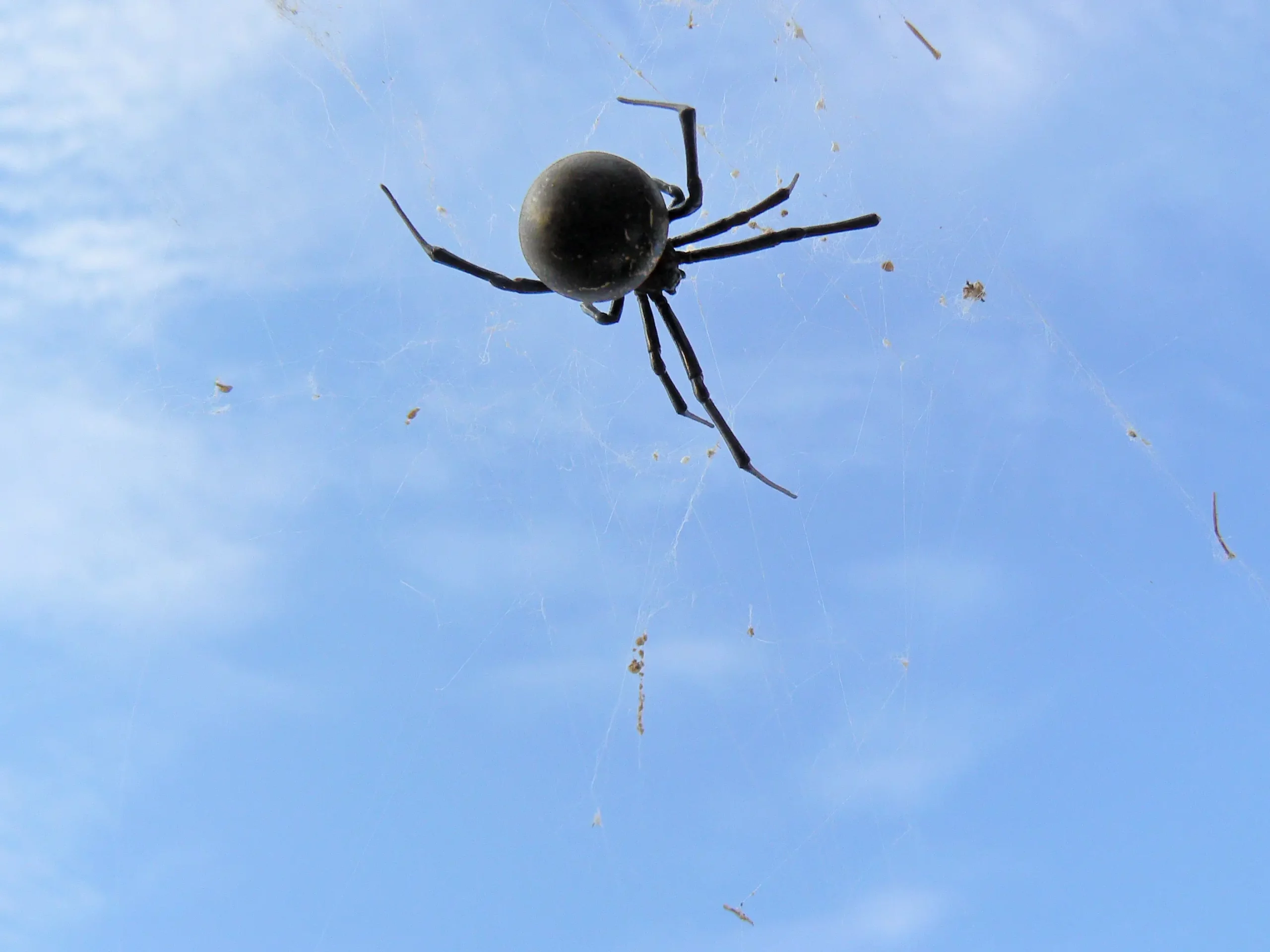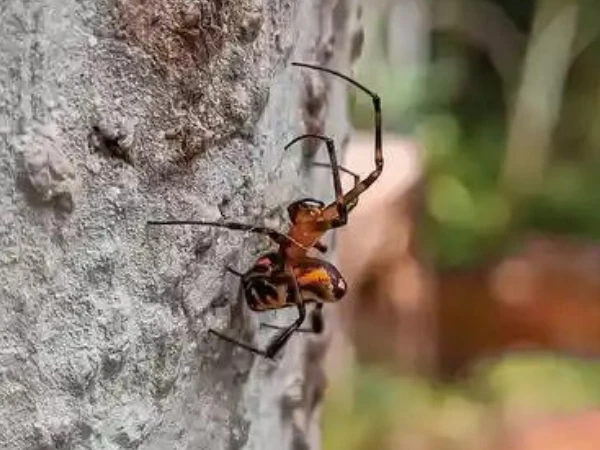


Namibia takes pride in its beautiful desert, but the climate can be unforgiving. People and other living creatures easily adapted to the climate, but it does not necessarily mean you can be lax when living in the Namib Desert’s beauty. One thing you should keep in mind is that there are all sorts of living creatures and some of them can be potentially dangerous if not handled well. Yes, it includes the creepy spiders. Get to know more about the amazing spider species Namibia has to offer by reading this article up to the very end.

Spiders in Namibia Identification Chart
| Common Garden Orb Web Spider also known as Garden Orb Spider and Black and Yellow Garden Spider (Argiope australis) | Tropical Tent-web Spider (Cyrtophora citricola) | Bark Spiders (Genus Caerostris) |
| Southern Baboon Spiders (Harpactirinae) | — | — |
 Brown Widow (Latrodectus geometricus) - The Brown Widow Spider is a cool spider that belongs to the cobweb spiders family. Some people know more about its cousin, the Black Widow, but the Brown Widow has its own interesting story.… Continue Reading >
 Six-eyed Sand (Hexophthalma hahni) - The six-eyed sand spider is an interesting creature! Even though it's a bit shy, it has one of the most powerful bites among spiders. With its special look, it blends right into desert sands.… Continue Reading >
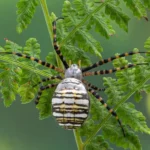 Banded Garden (Argiope trifasciata) - The banded garden spider is a common spider with two types: Argiope trifasciata deserticola and Argiope trifasciata kauaiensis. They prefer warm places and usually aren't around in cold winters because they don't like the chill.… Continue Reading >
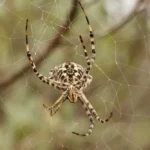 Lobed Argiope (Argiope lobata) - Discover the Argiope lobata, a fascinating orb weaver spider that makes its home across three continents. Here, you'll find intriguing facts and details about this widespread spider.… Continue Reading >
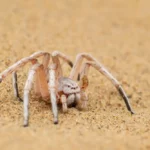 Cartwheel (Carparachne aureoflava) - Imagine a spider that does cartwheels! That's right, there's a spider called the Cartwheel, and it's found in the deserts of southern Africa. Instead of just running away, this tiny spider rolls super fast in the sand when it's scared.… Continue Reading >
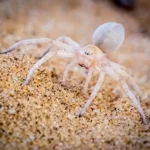 White Lady (Leucorchestris arenicola) - The white lady spider is a member of the huntsman family and lives in Namibian deserts. They have a pretty creamy color and are sometimes called the dancing white lady because of their tap-dancing moves.… Continue Reading >
© 2024 (Spider Identifications). All rights reserved. Reproduction in whole or in part without permission is prohibited.
Follow us on: