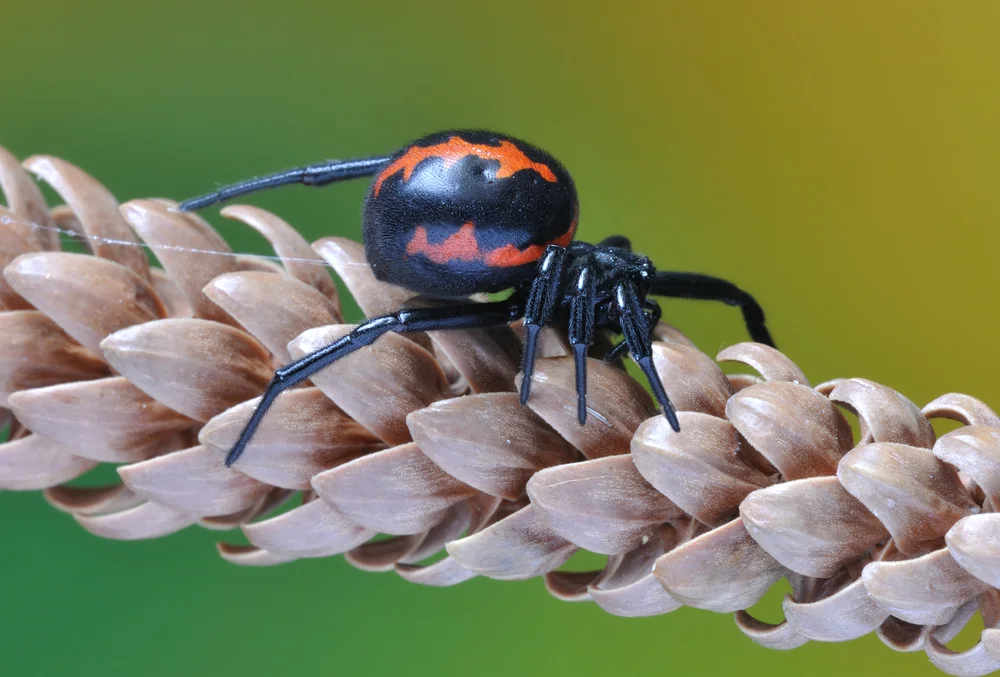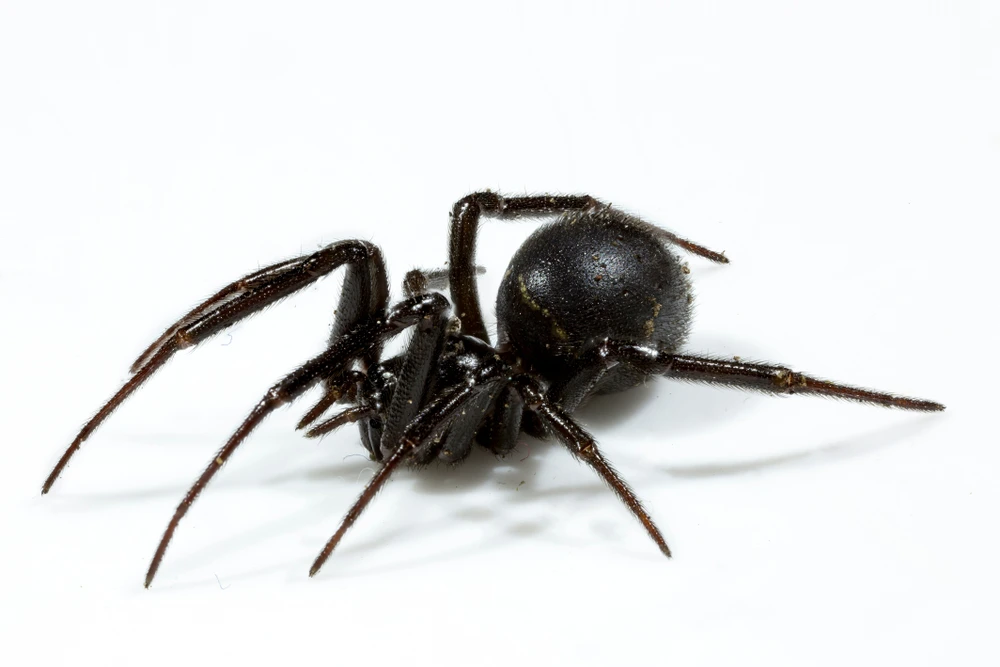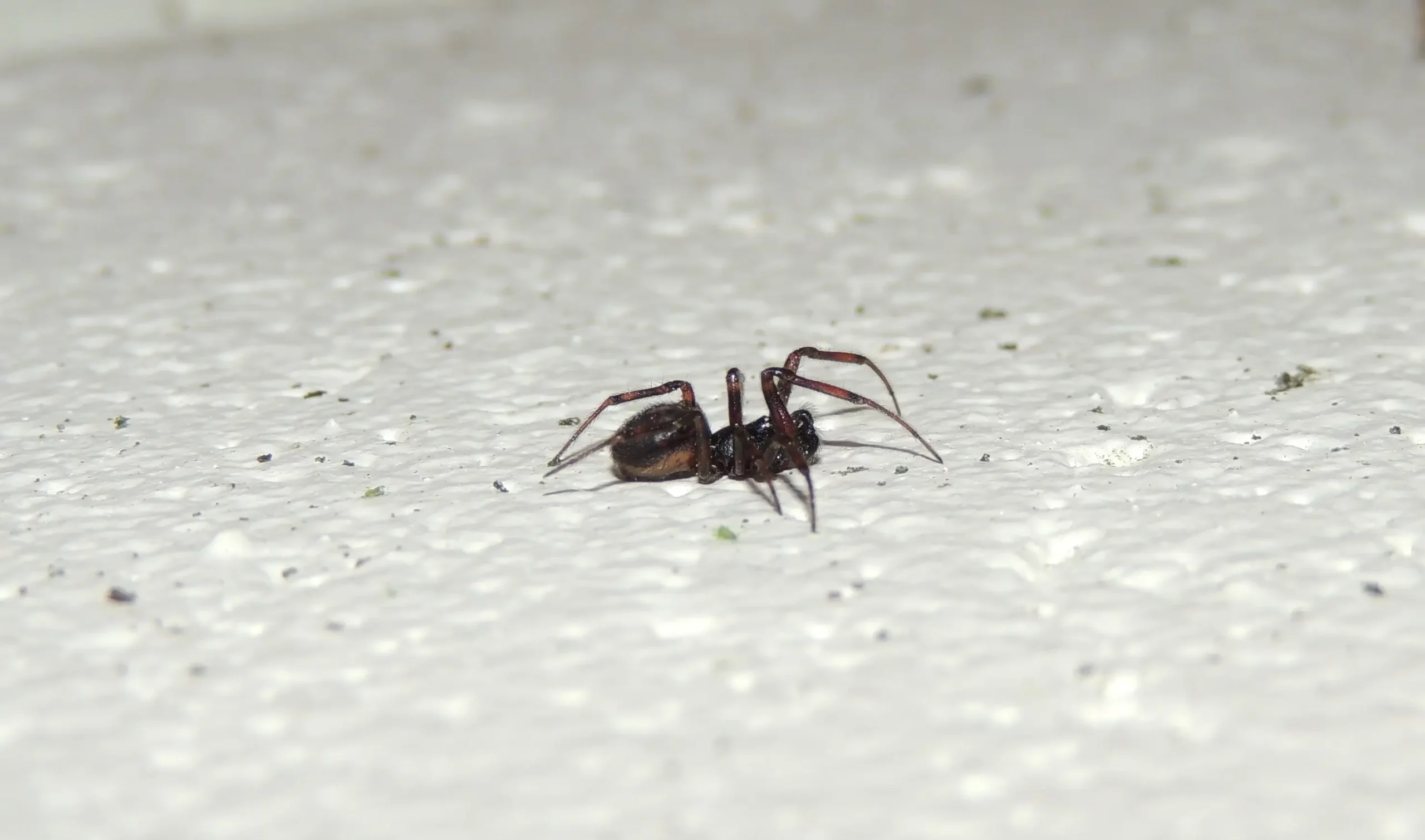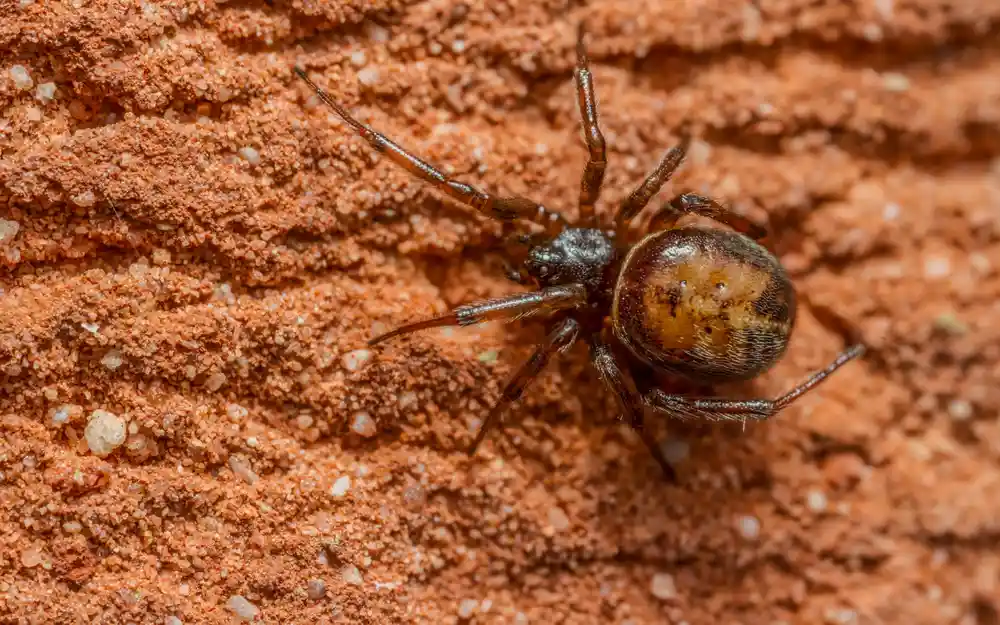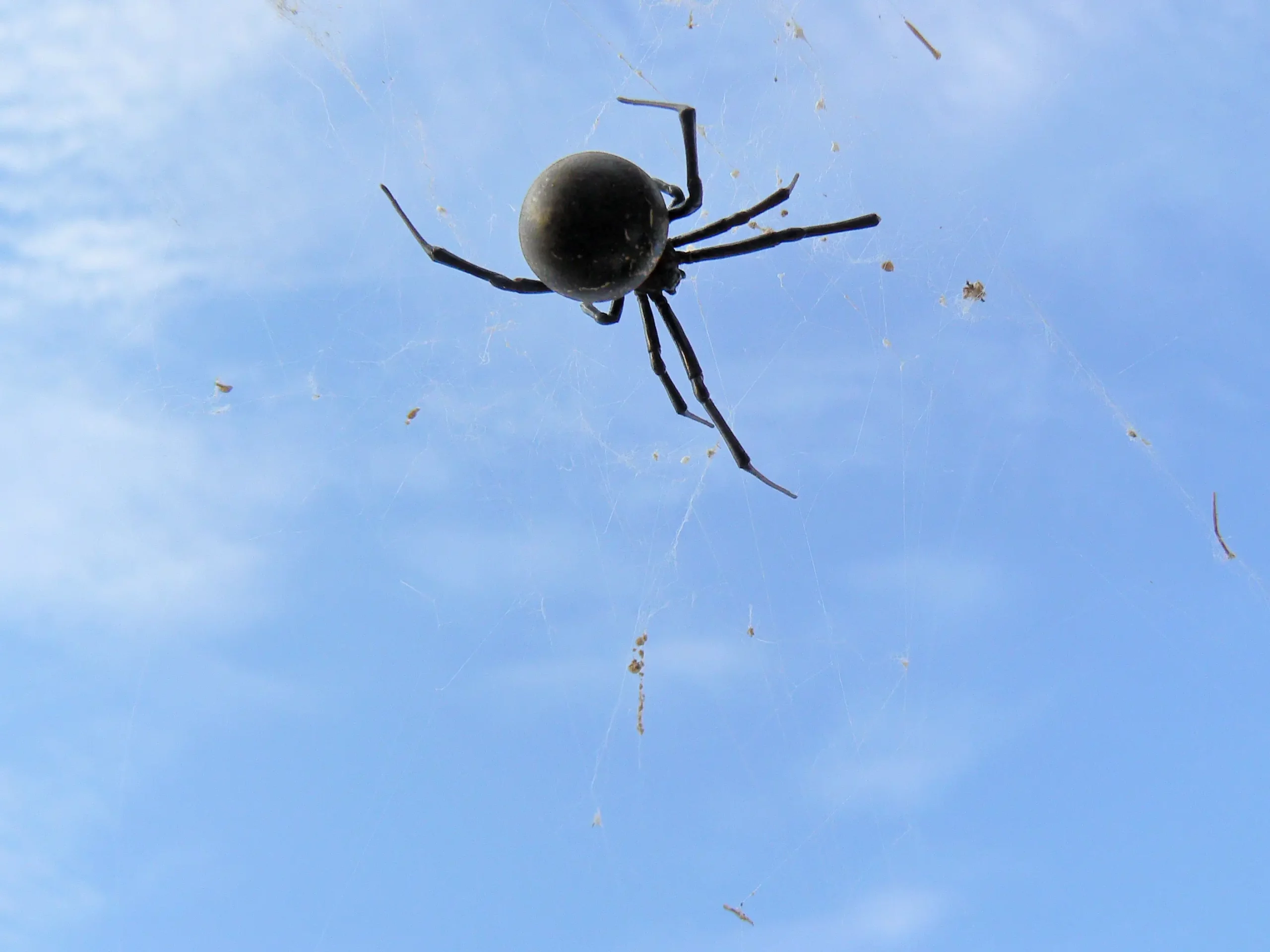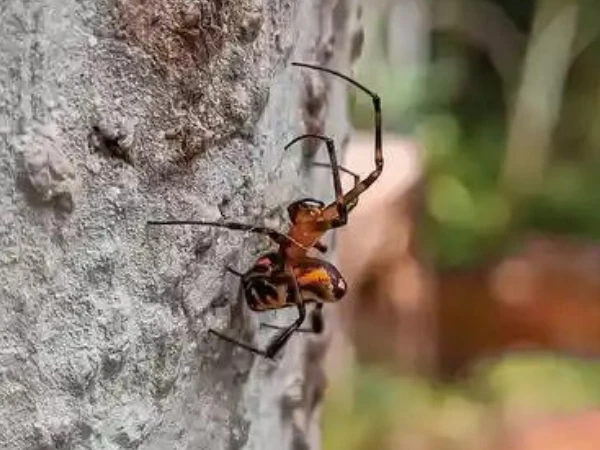


Spiders are found all over South Korea, from the busy cities to quiet countryside. These eight-legged creatures come in many sizes and colors. Some build webs in corners or between trees, while others hide under rocks or in the grass. Most spiders in Korea are not dangerous to people and play an important role in nature by eating insects. In this article, we will take a closer look at the kinds of spiders you might see in South Korea, including which ones are common and if there are any you should be careful around.

Spiders in South Korea Identification Chart
| Black and White Spiny Spider (Gasteracantha kuhli) | Pointillist Neoscona (Neoscona punctigera) | Bird-dropping Spider (Celaenia excavate) |
| Common House Spider (Parasteatoda tepidariorum) | Triangle Crab Spider (Ebrechtella tricuspidata) | Wasp Spiders |
| Joro Spiders (Trichonephila clavata) | Golden Silk Orb Weaver (Trichonephila clavipes) | Radiated Wolf Spider (Hogna radiata) |
 Brown Recluse Spider (Loxosceles reclusa) - The brown recluse spider is a special spider found mostly in the central and southern parts of the U.S. It's part of a small group of spiders in North America known for having strong venom, along with the Chilean recluse and black widow.… Continue Reading >
 Northern Tree Funnel-web (Hadronyche formidabilis) - The Northern Tree Funnel-web spider is native to Australia and is part of the mygalomorph spider group. Known for its high venom level, it's considered one of the world's deadliest spiders.… Continue Reading >
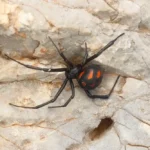 Widow (Latrodectus) - Meet the Latrodectus spiders, often known as true widows! They're part of the cobweb spider family. By July 2017, there were 31 types of them, living everywhere except Antarctica.… Continue Reading >
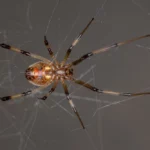 Brown Widow (Latrodectus geometricus) - The Brown Widow Spider is a cool spider that belongs to the cobweb spiders family. Some people know more about its cousin, the Black Widow, but the Brown Widow has its own interesting story.… Continue Reading >
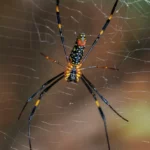 Jorō (Trichonephila clavata) - The Joro spider is a big, colorful spider that originally came from places like Japan, Korea, China, and Taiwan. But guess what? Scientists found them in North America in 2015!… Continue Reading >
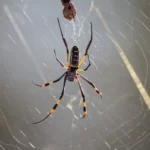 Golden Silk Orb-Weaver (Nephila) - Have you ever seen a spider's web that shines like gold? Meet the Golden Silk Orb-Weaver! With 23 different types living around the world, they're known for their special golden webs.… Continue Reading >
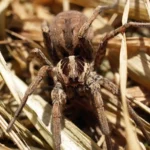 Hogna radiata - The Hogna radiata is a big spider that's part of the wolf spider family. If you're looking at spiders in Italy, this one's hard to miss because of how big it is and its cool looks.… Continue Reading >
© 2024 (Spider Identifications). All rights reserved. Reproduction in whole or in part without permission is prohibited.
Follow us on: