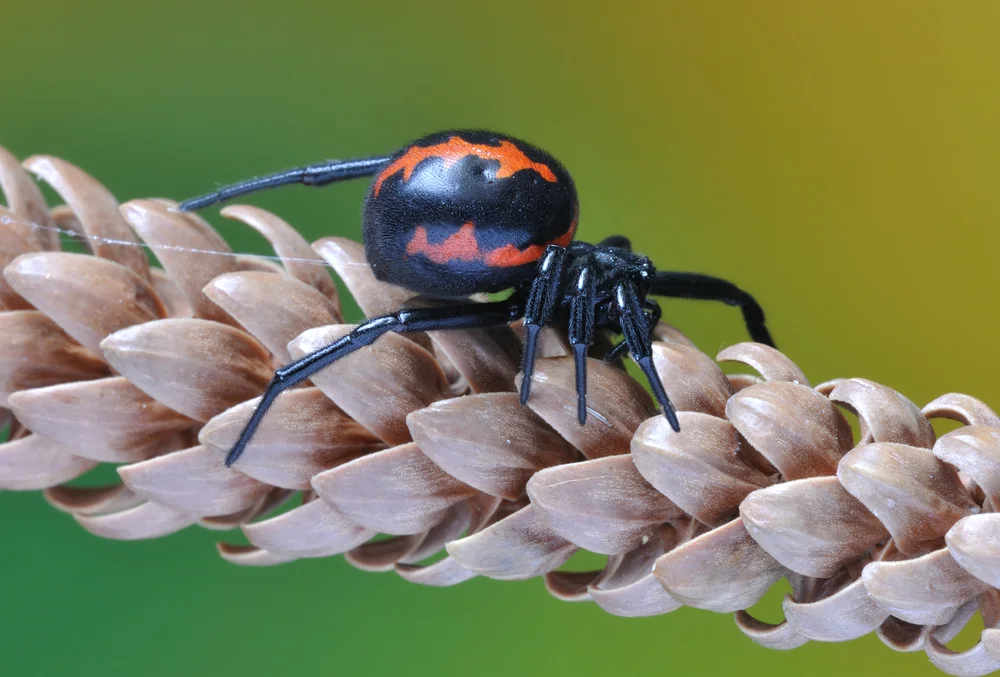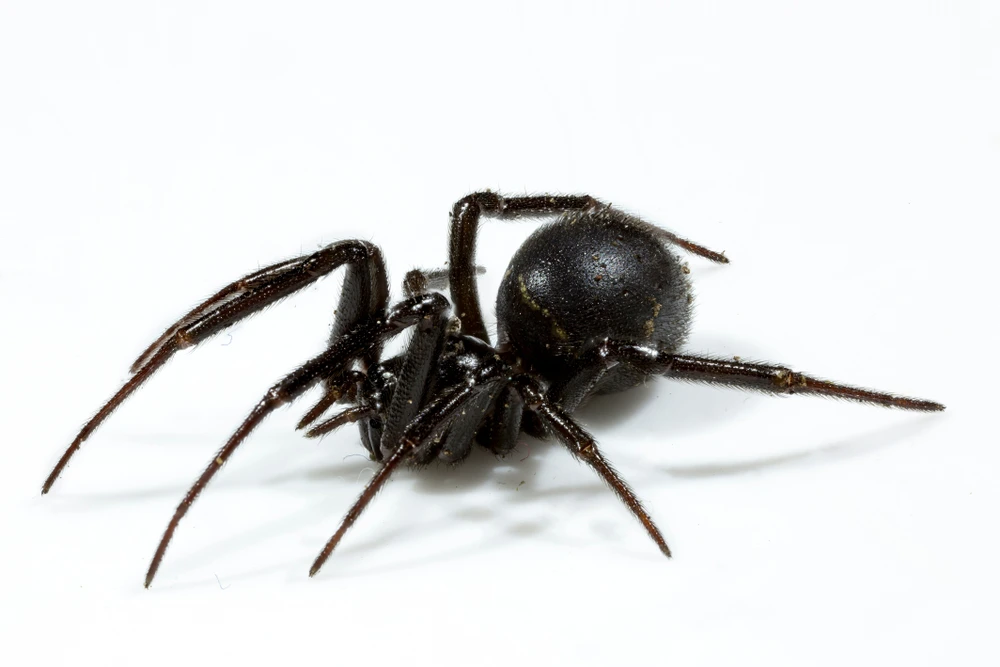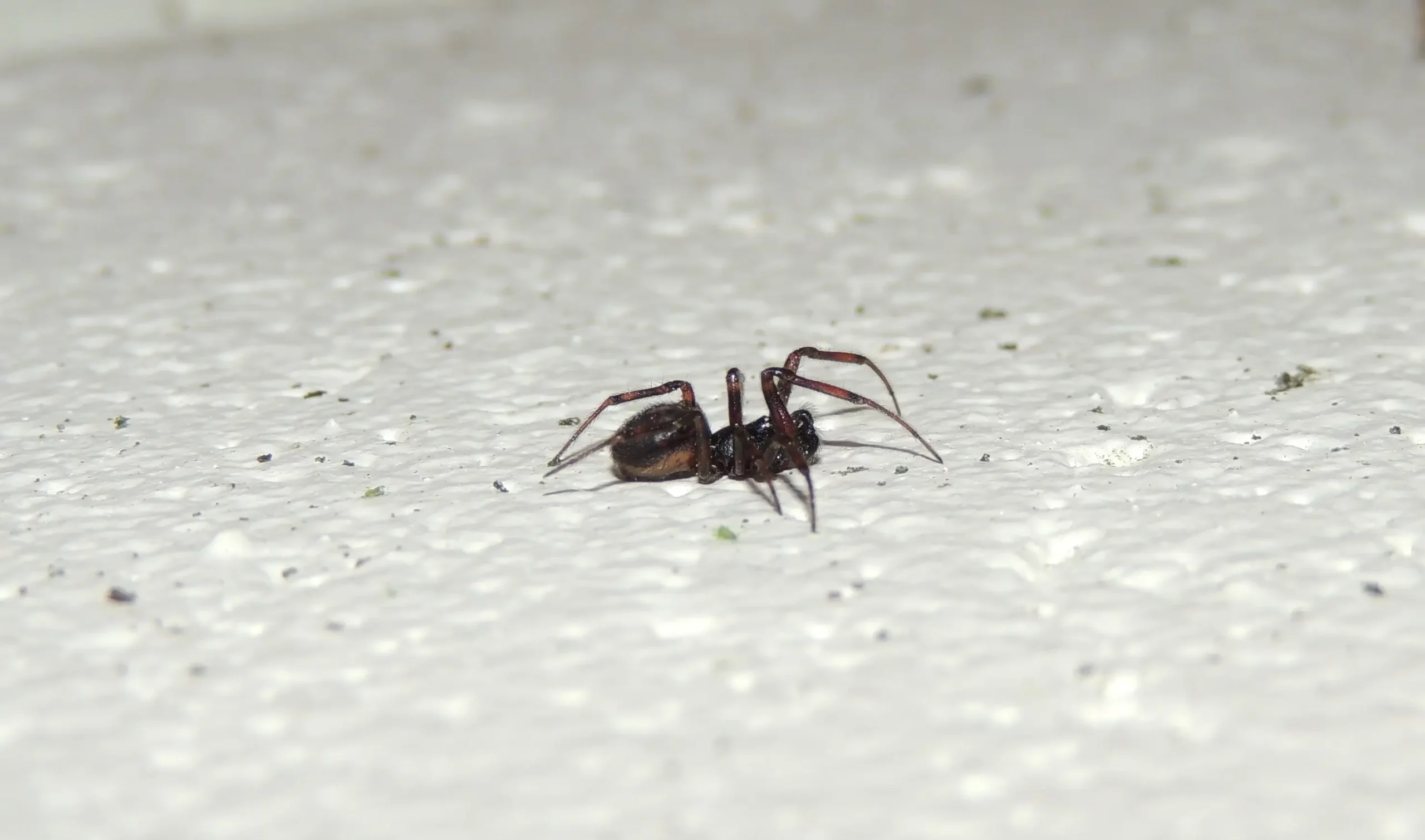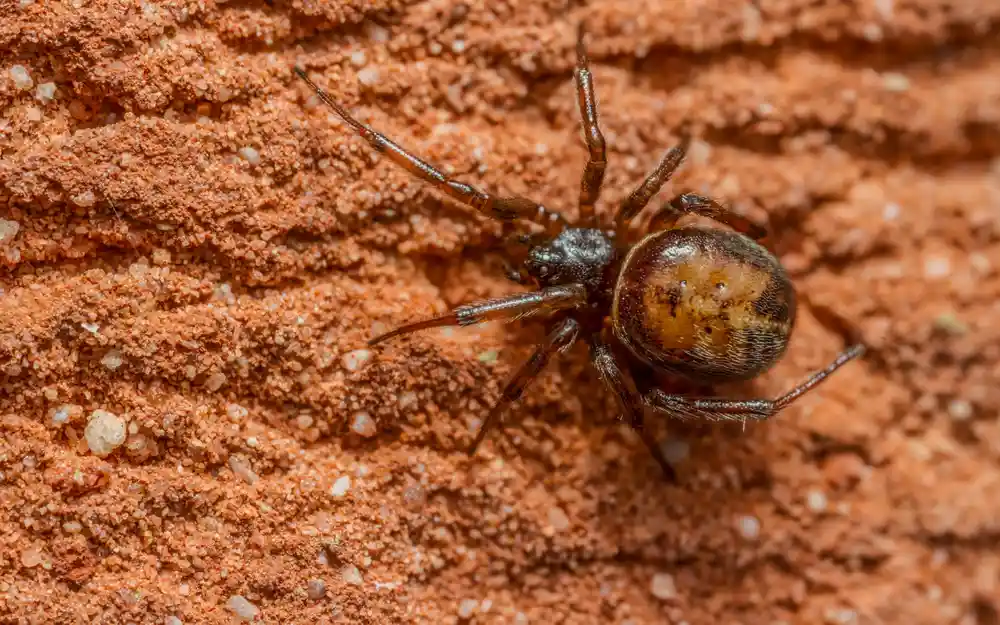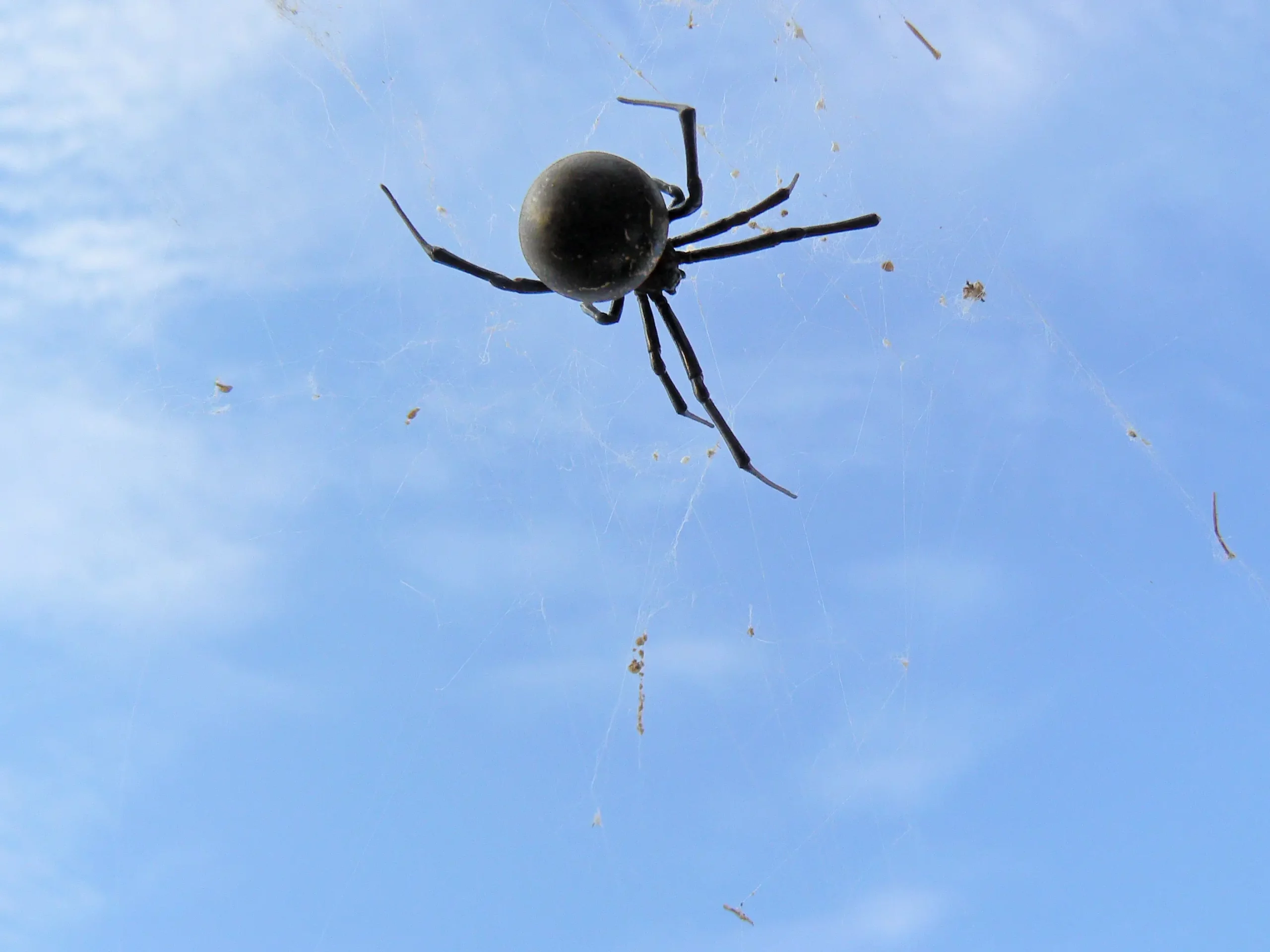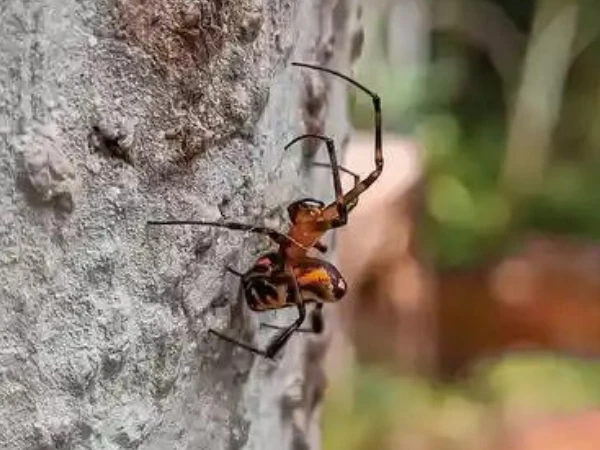


Italy is without a doubt a beauty waiting to be discovered by you. There are obvious tourist attractions but there are also hidden treasures. It is also the home of natural landscapes such as breathtaking mountain views, brown bears, lynxes, and gray wolves. However, you also need to be wary of creepy crawlies such as different species of spiders. Yes, it has a large number of spiders, but the good news is that most of these spiders are non-venomous. If there are three particular spiders you should avoid when visiting Italy, it is the Mediterranean Black Widow, Yellow Sac Spider, and Mediterranean Recluse Spider.

Spiders in Italy Identification Chart
| Tarantula Wolf Spiders | Trapdoor Spider | Wasp Spider |
| Cross Orbweaver (Araneus diadematus) | Long-bodied Cellar Spider (Pholcus phalangioides) | Pink Crab Spiders (Thomisus onustus) |
| Wasp Spider (Argiope bruennichi) | Cricket-bat Orbweaver (Mangora acalypha) | Tropical Tent-web Spider (Cyrtophora citricola) |
| Lobed Argiope (Argiope lobata) | Marbled Cellar Spider (Holocnemus pluchei) | Triangle Crab Spider (Ebrechtella tricuspidate) |
| Fen Raft Spider (Dolomedes plantarius) | Triangulate Combfoot (Steatoda triangulosa) | — |
| Radiated Wolf Spider (Hogna radiata) | Mediterranean Spiny False Wolf Spider (Zoropsis spinimana) | Silver-sided Sector Spider (Zygiella x-notata) |
 Black-Footed Yellow Sac (Cheiracanthium inclusum) - Meet the yellow sac spider! It's a spider that originally came from the Americas. Over time, it's been a part of different spider families, and now it's in the Eutichuridae family.… Continue Reading >
 Mediterranean Recluse (Loxosceles rufescens) - Guess where the Mediterranean recluse spider comes from? That's right, the Mediterranean areas! Even though it started there, now you can find this spider all over the world.… Continue Reading >
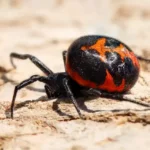 Mediterranean Black Widow (Latrodectus tredecimguttatus) - The Mediterranean black widow spider has a history that dates back to 1790 when Italian expert Pietro Rossi introduced us to it. These spiders belong to the comb-footed family.… Continue Reading >
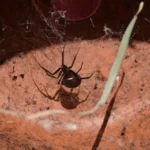 False Black Widow (Steatoda grossa) - The False Black Widow spider is part of the Steatoda genus and is frequently confused with the more dangerous Black Widow Spider. Known by various names, including 'cupboard spider' and 'brown house spider' in Australia, this species sometimes earns the label of a pest in certain areas.… Continue Reading >
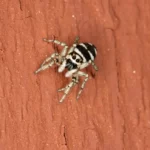 Zebra (Salticus scenicus) - Discover the fascinating world of the Zebra Spider, a creature from the northern hemisphere with stripes like a zebra. These lively spiders don't spin webs to catch their dinner.… Continue Reading >
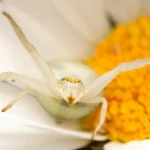 Goldenrod Crab (Misumena vatia) - Goldenrod Crab Spiders are super cool! They can change colors and hang out on flowers, waiting for their food. Instead of making big webs, they use silk for catching food or keeping their eggs safe.… Continue Reading >
© 2024 (Spider Identifications). All rights reserved. Reproduction in whole or in part without permission is prohibited.
Follow us on: