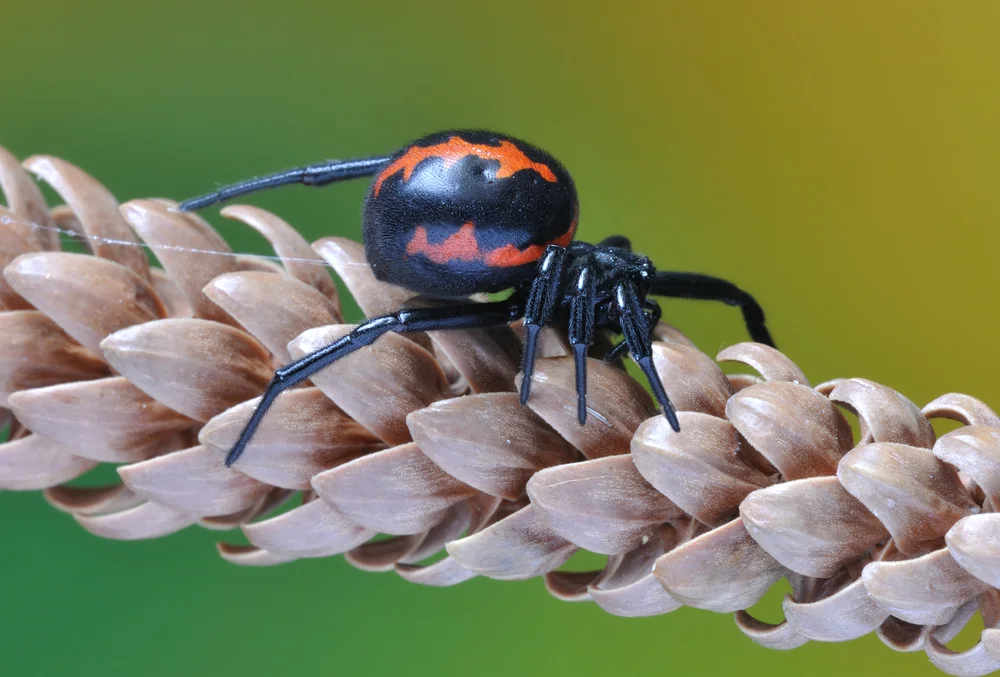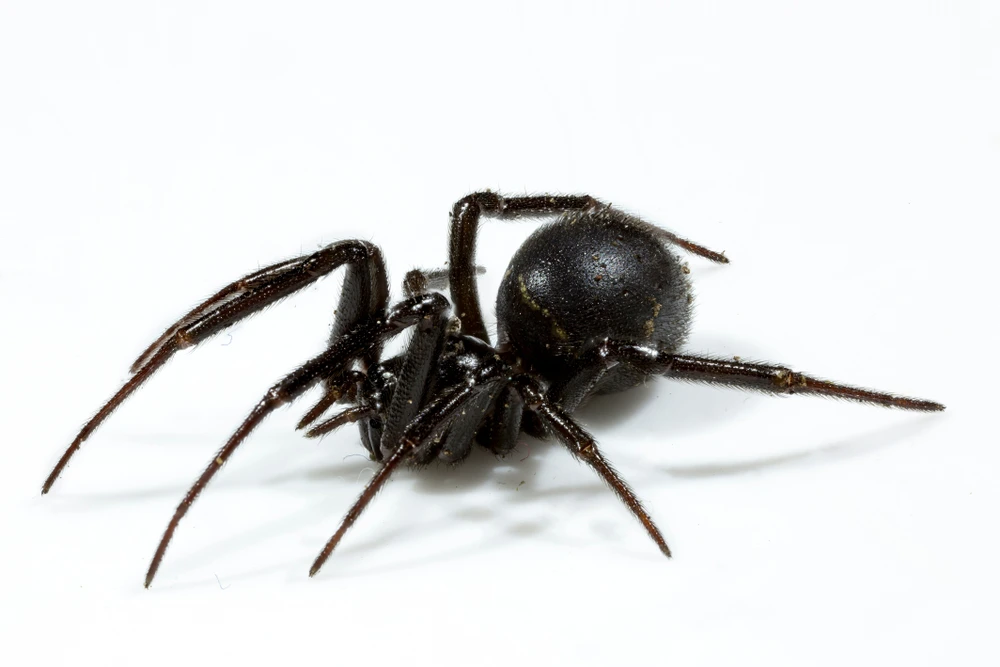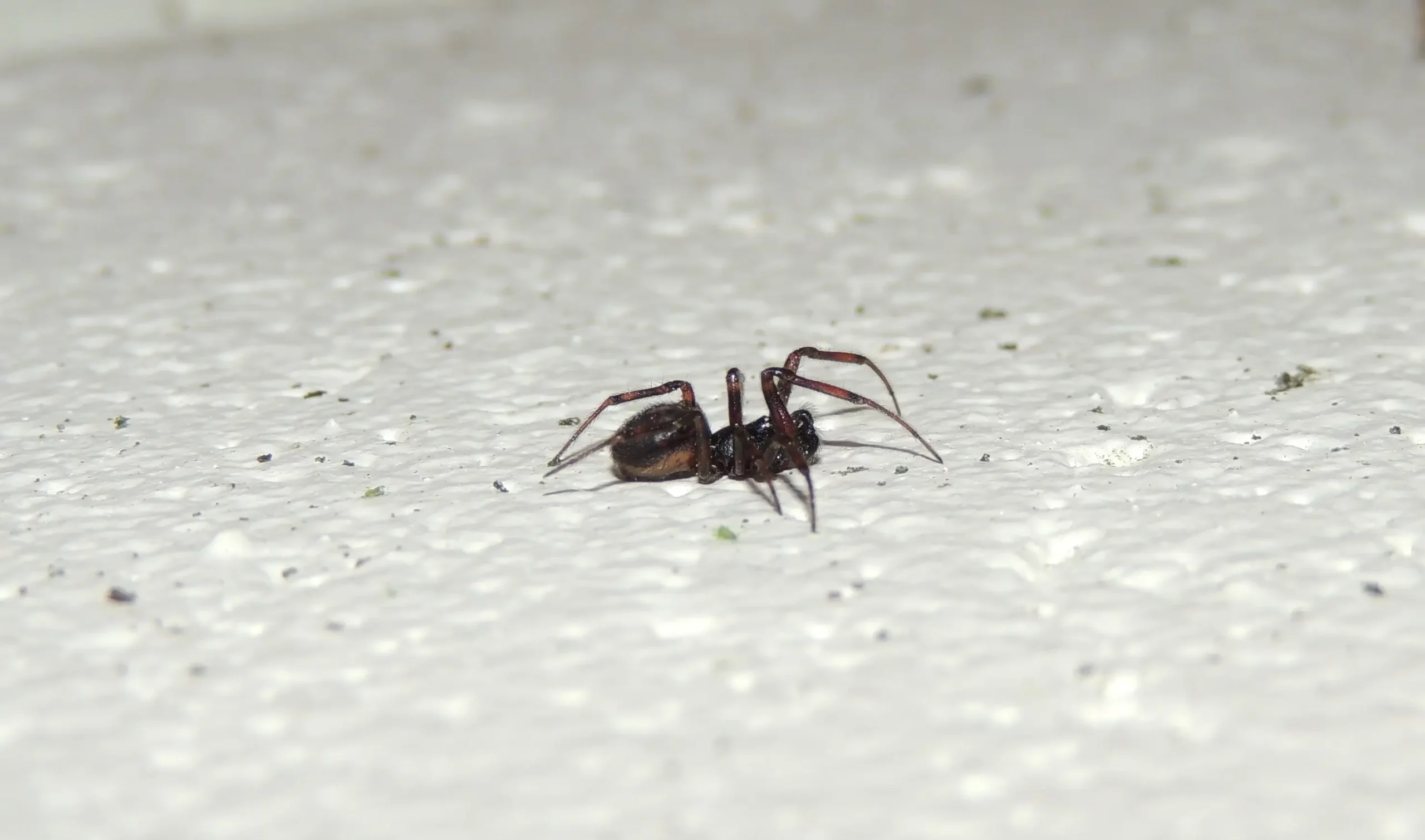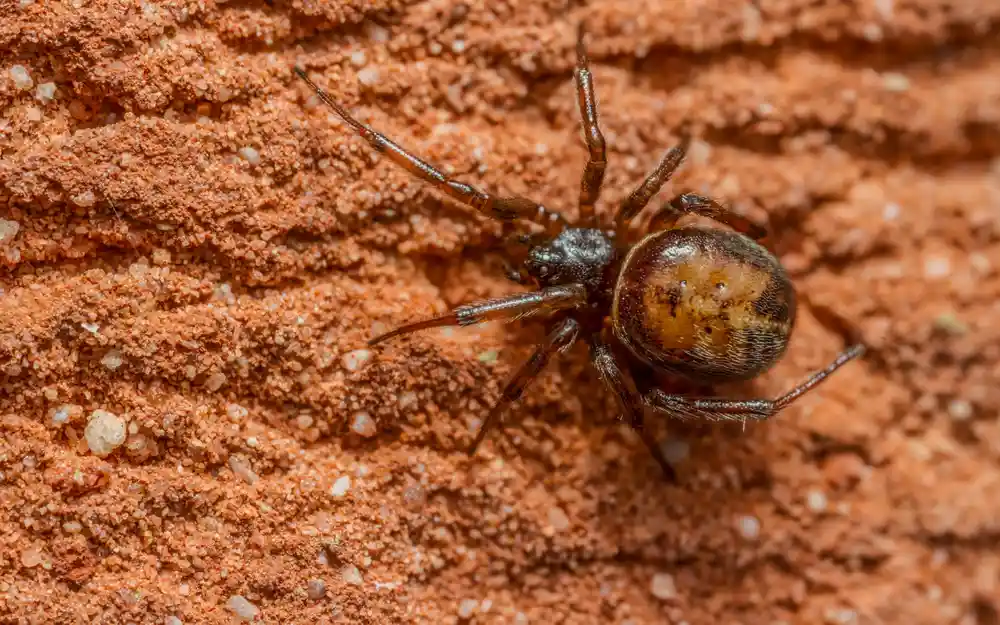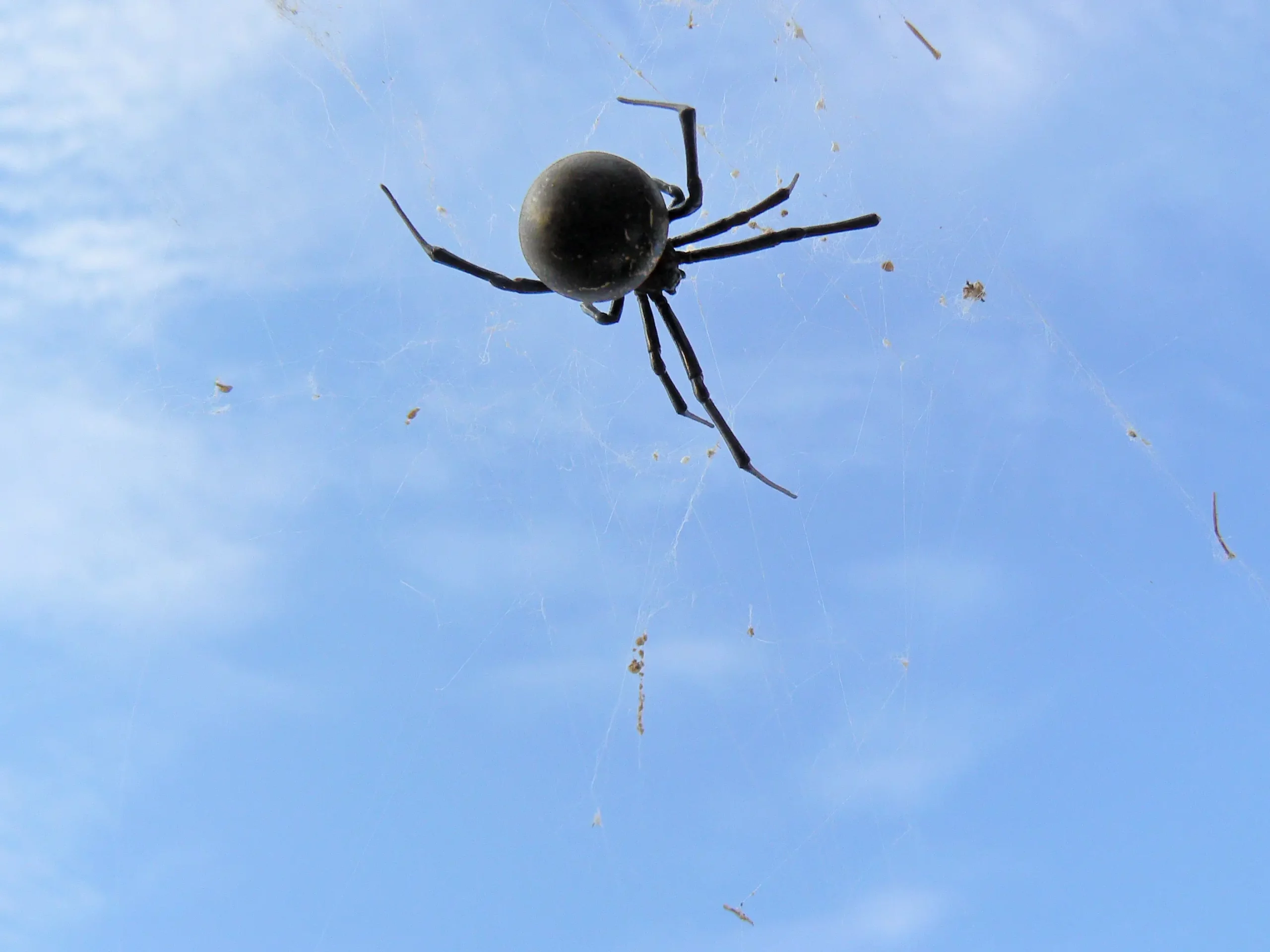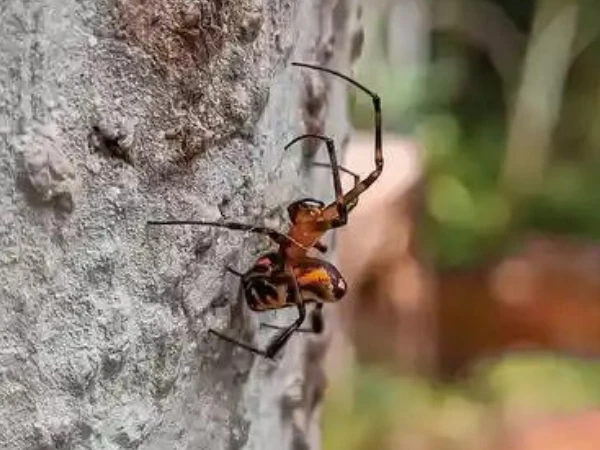


Croatia is a compact U-shaped country located at the intersection of central and southeastern parts of Europe. It is situated directly over the Adriatic Sea from Italy. When it comes to wildlife, well, it has vast to offer too. In this particular article, we will discuss spiders. In Croatia, there are many spiders, including known dangerous species such as the black widow spider. While Croatia is still a relatively safe place to visit, and you are unlikely to encounter any deadly spiders during your visit, it is useful to be aware of what types of spiders could you possibly encounter. It is crucial to note that allergic reactions to spider bites can be lethal, even if the spider is not venomous. Hence, it is better to be safe than sorry.

Spiders in Croatia Identification Chart
| Common Eastern Ray Spider | Cave Spiders | Cross Orbweavers/ European Garden Spider |
| Cross Spider | Orangie or Pumpkin Spider (Araneus diadematus) | Pink Crab Spider (Thomisus onustus) |
| Wasp Spiders | Tropical tent web spider (Cyrtophora citricola) | Lobed Argiope (Argiope lobata) |
| Triangulate Combfoot (Steatoda triangulosa) | — | — |
| Spotted Wolf Spider (Pardosa amentata) | Radiated Wolf Spider (Hogna radiata) | Mediterranean Spiny False Wolf Spider (Zoropsis spinimana) |
 Black-Footed Yellow Sac (Cheiracanthium inclusum) - Meet the yellow sac spider! It's a spider that originally came from the Americas. Over time, it's been a part of different spider families, and now it's in the Eutichuridae family.… Continue Reading >
 Widow (Latrodectus) - Meet the Latrodectus spiders, often known as true widows! They're part of the cobweb spider family. By July 2017, there were 31 types of them, living everywhere except Antarctica.… Continue Reading >
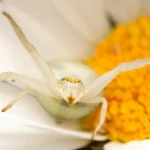 Goldenrod Crab (Misumena vatia) - Goldenrod Crab Spiders are super cool! They can change colors and hang out on flowers, waiting for their food. Instead of making big webs, they use silk for catching food or keeping their eggs safe.… Continue Reading >
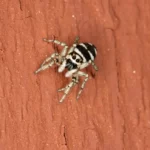 Zebra (Salticus scenicus) - Discover the fascinating world of the Zebra Spider, a creature from the northern hemisphere with stripes like a zebra. These lively spiders don't spin webs to catch their dinner.… Continue Reading >
© 2024 (Spider Identifications). All rights reserved. Reproduction in whole or in part without permission is prohibited.
Follow us on: