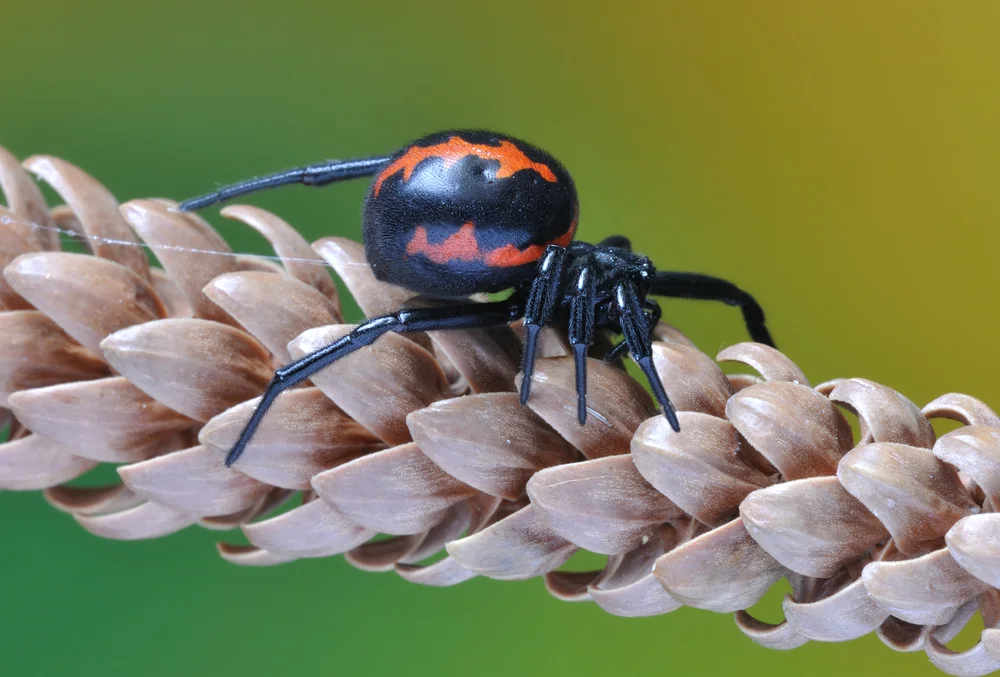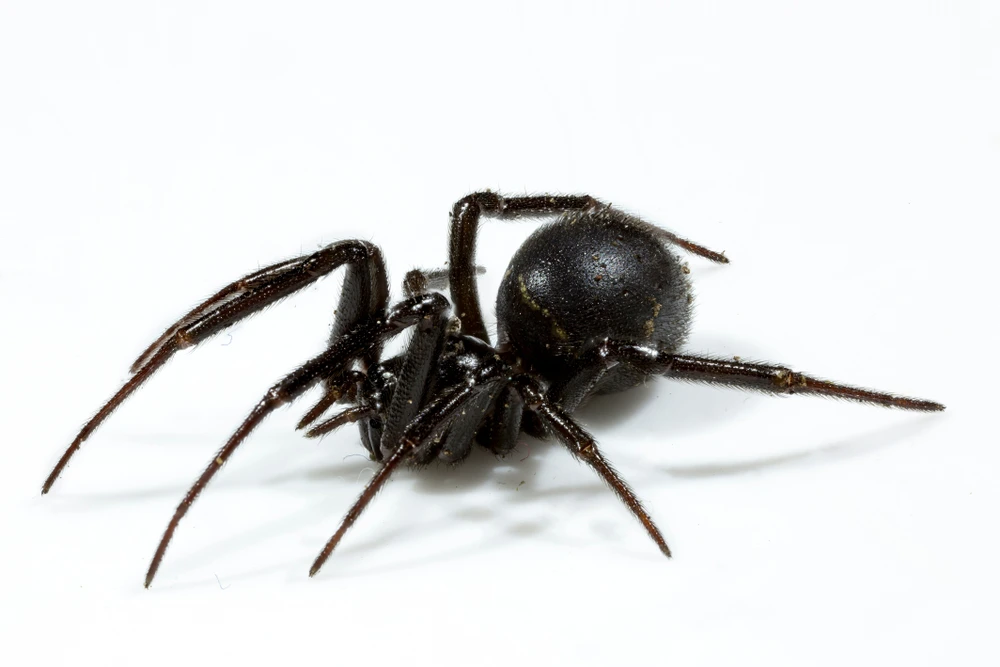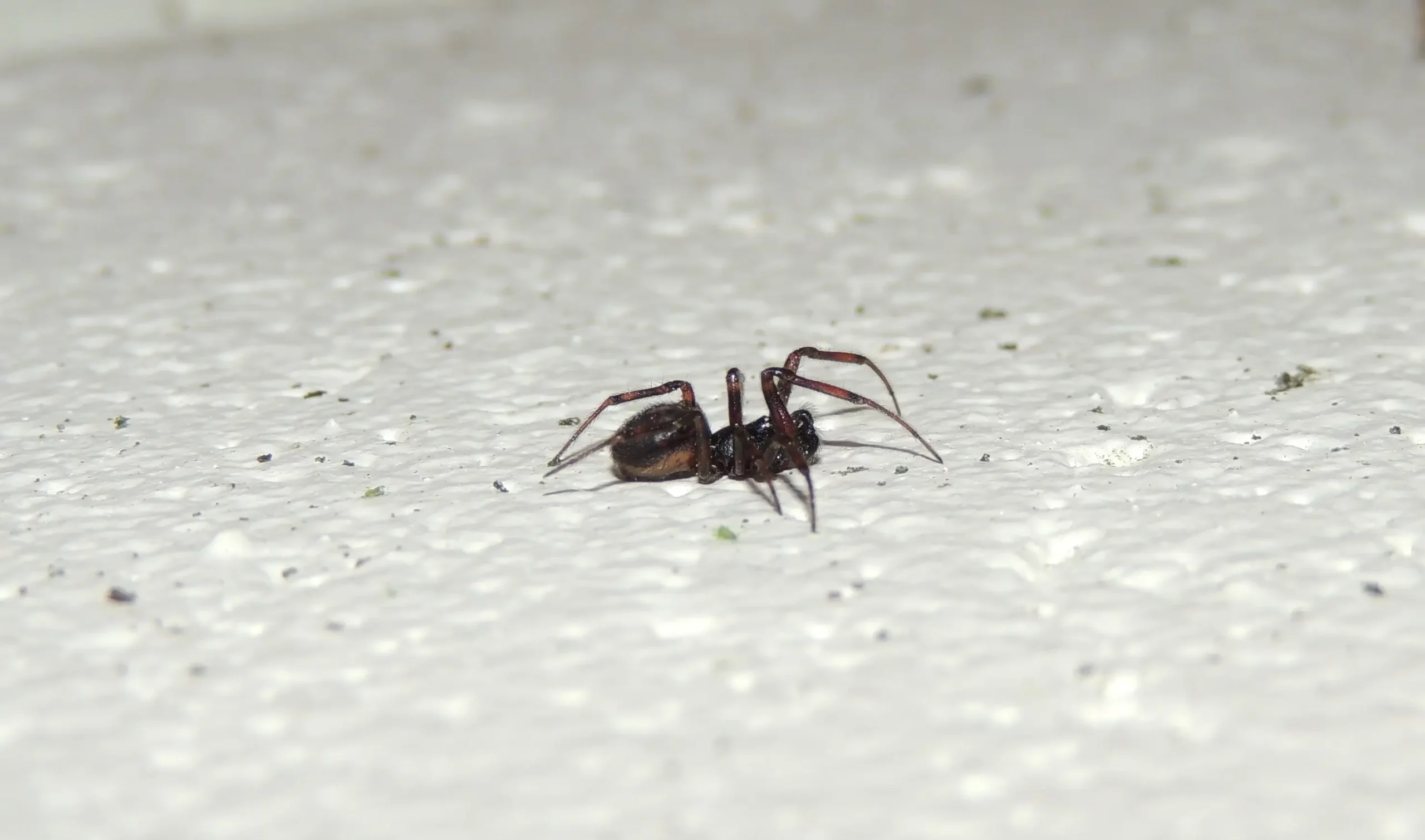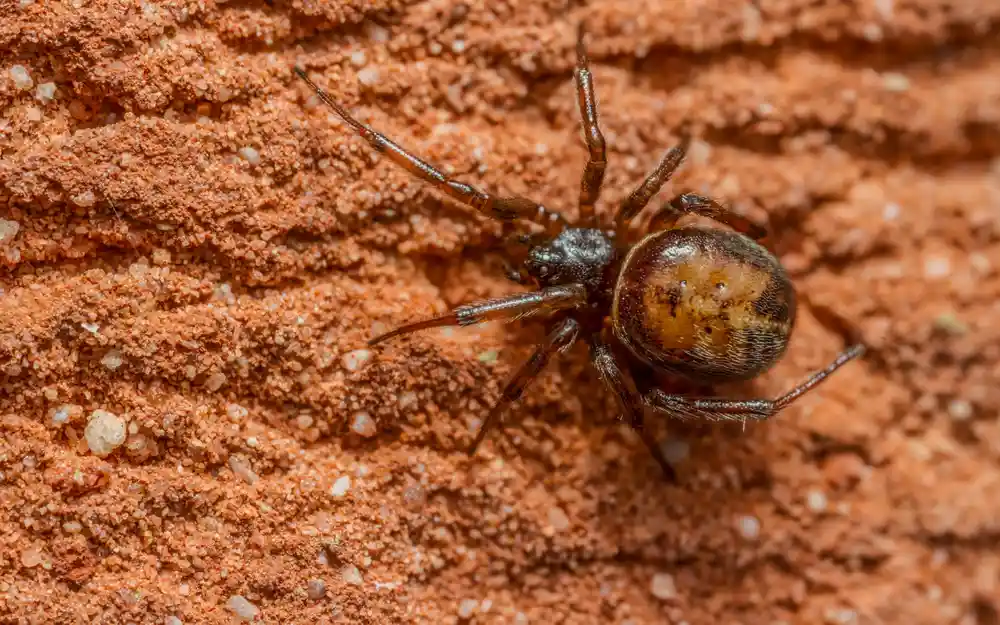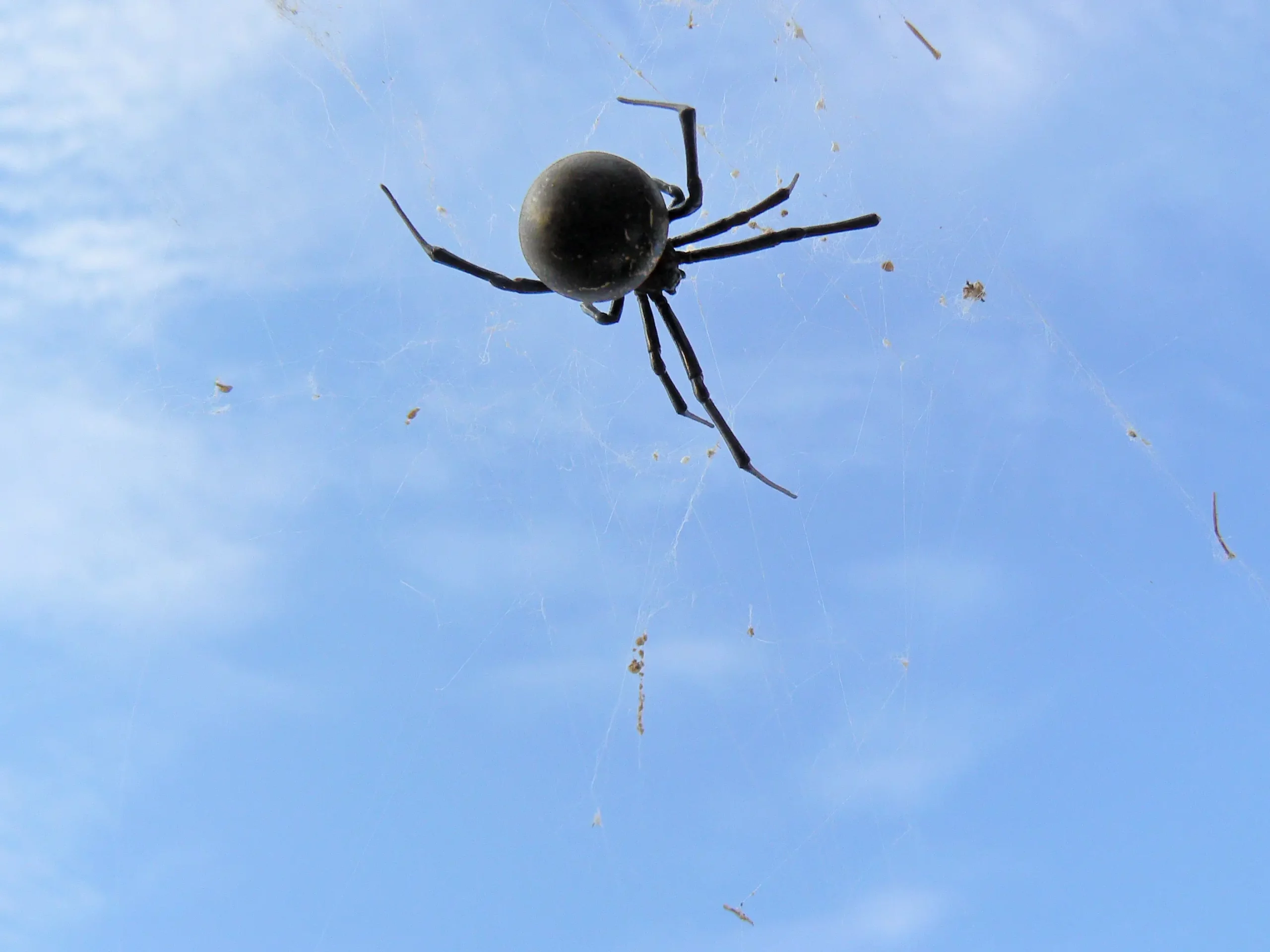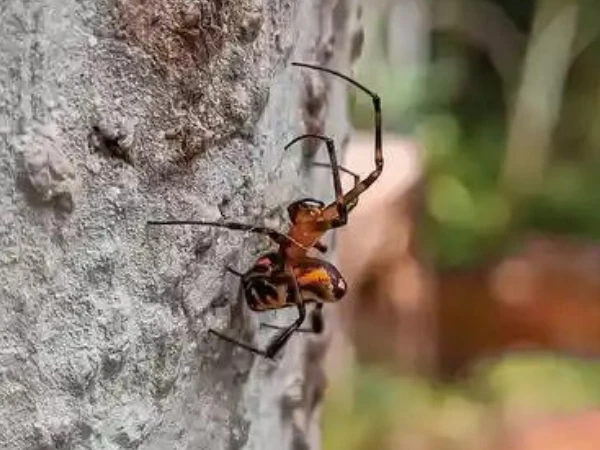


Spiders are everywhere, especially in Bulgaria. You can certainly encounter them in the forests, caves, mountains, body of water, and even in plains. There are several spider species in Bulgaria. Some of them are totally harmless while others are highly venomous. Most of these spiders live under stones and landscapes. Should you wish to find out more information about various spider species in Bulgaria, keep on reading below.

Spiders in Bulgaria Identification Chart
| Red-sided Sector Spider (Zygiella atrica) | Common House Spider (Parasteatoda tepidariorum) | — |
| Silver-sided Sector Spider (Zygiella x-notata) | — | — |
 False Black Widow (Steatoda grossa) - The False Black Widow spider is part of the Steatoda genus and is frequently confused with the more dangerous Black Widow Spider. Known by various names, including 'cupboard spider' and 'brown house spider' in Australia, this species sometimes earns the label of a pest in certain areas.… Continue Reading >
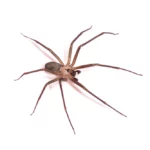 Brown Recluse Spider (Loxosceles reclusa) - The brown recluse spider is a special spider found mostly in the central and southern parts of the U.S. It's part of a small group of spiders in North America known for having strong venom, along with the Chilean recluse and black widow.… Continue Reading >
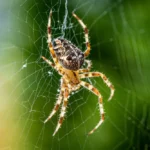 Cross Orb Weaver (Araneus diadematus) - Did you know the Cross Orb Weaver spider comes from Europe and North America? Their legs are super cool because they can spin special round webs.… Continue Reading >
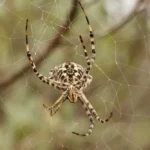 Lobed Argiope (Argiope lobata) - Discover the Argiope lobata, a fascinating orb weaver spider that makes its home across three continents. Here, you'll find intriguing facts and details about this widespread spider.… Continue Reading >
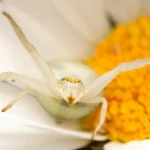 Goldenrod Crab (Misumena vatia) - Goldenrod Crab Spiders are super cool! They can change colors and hang out on flowers, waiting for their food. Instead of making big webs, they use silk for catching food or keeping their eggs safe.… Continue Reading >
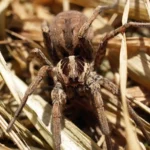 Hogna radiata - The Hogna radiata is a big spider that's part of the wolf spider family. If you're looking at spiders in Italy, this one's hard to miss because of how big it is and its cool looks.… Continue Reading >
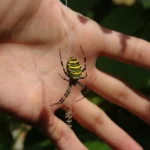 Wasp (Argiope Bruennichi) - The wasp spider is a unique member of the orb-weaver family. Originally from northern and Central Europe, you can also find them in parts of Asia and North Africa.… Continue Reading >
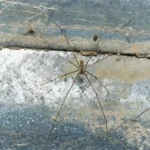 Marbled Cellar Spider (Holocnemus pluchei) - Meet the marbled cellar spider! Many call it the "daddy-long-legs" because of its long, thin legs. These cellar spiders love to hang out in homes, especially in attics and basements, making silky webs.… Continue Reading >
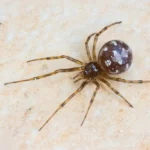 Triangulate Cobweb (Steatoda triangulosa) - Meet the triangulate cobweb spider from the Steatoda genus! Found in places like North America, New Zealand, and Europe, this little spider has a neat triangular pattern on its back.… Continue Reading >
© 2024 (Spider Identifications). All rights reserved. Reproduction in whole or in part without permission is prohibited.
Follow us on: