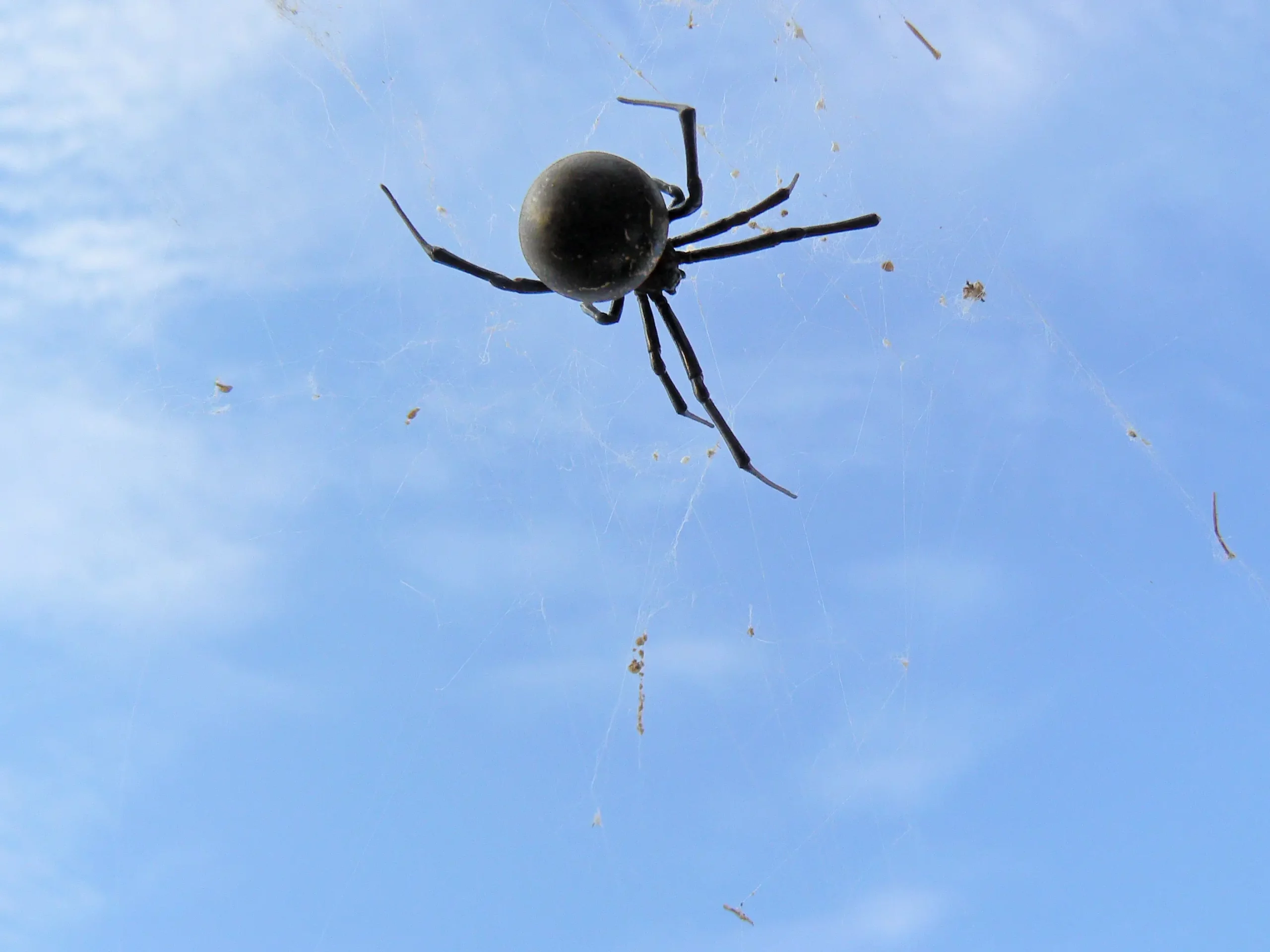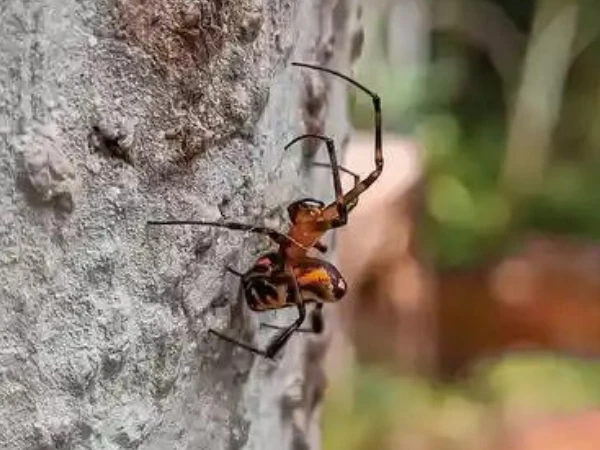


Chile, while an ideal place for natural creatures including the dangerous ones, surprised many that it does not have many number of poisonous and venomous animals. However, it has a fair share of creepy crawlers, which will surely scare away people who have a fear of arachnids such as spiders. If you have plans of traveling to Chile in the near future, it would help a lot if you observe certain precautionary measures to protect yourself from danger that creepy creatures might cause.

Spiders in Chile Identification Chart
| Common House Spider (Parasteatoda tepidariorum) | Long-bodied Cellar Spider (Pholcus phalangioides) | — |
| Pantropical Huntsman Spider (Heteropoda venatoria) | — | — |
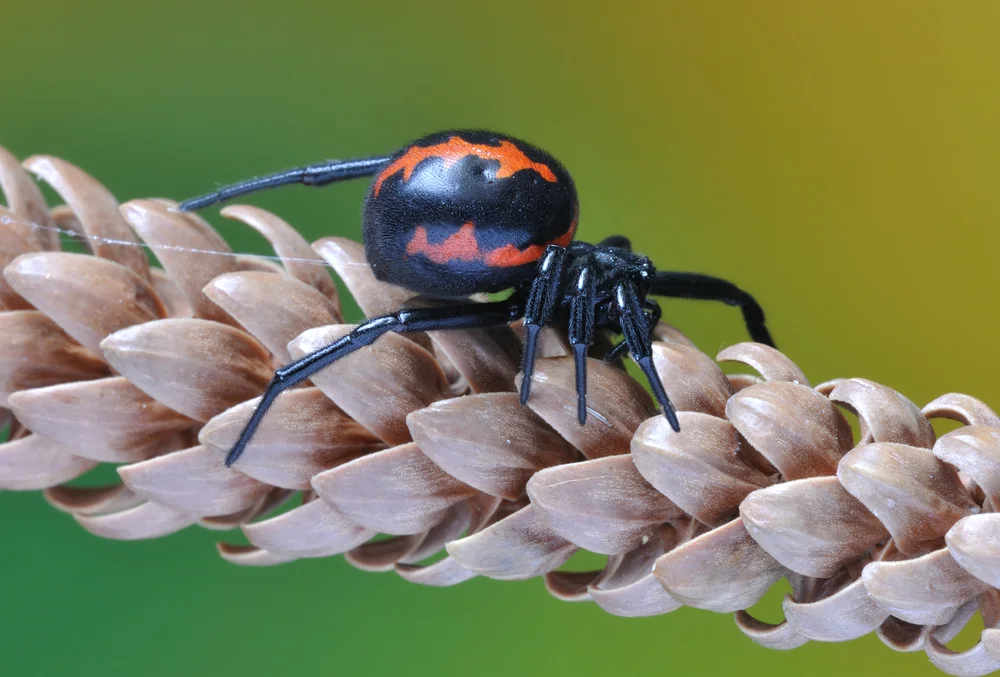
 Widow (Latrodectus) - Meet the Latrodectus spiders, often known as true widows! They're part of the cobweb spider family. By July 2017, there were 31 types of them, living everywhere except Antarctica.… Continue Reading >
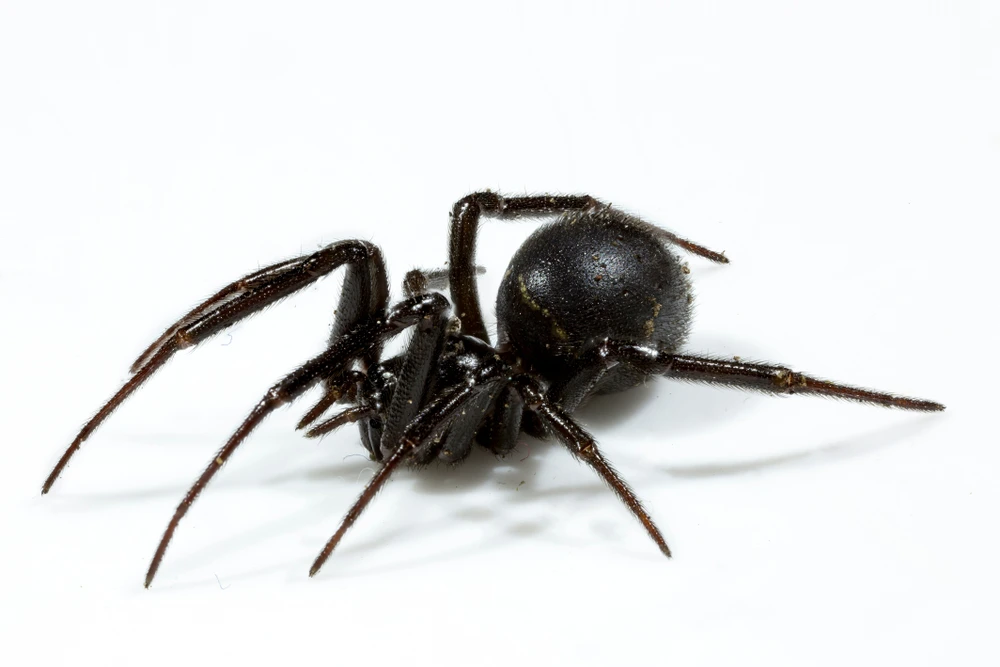
 False Widow (Steatoda nobilis) - Ever heard of the False Widow spider? It's a dark-colored spider that looks a lot like the famous black widow spider. But guess what? They're actually pretty shy!… Continue Reading >
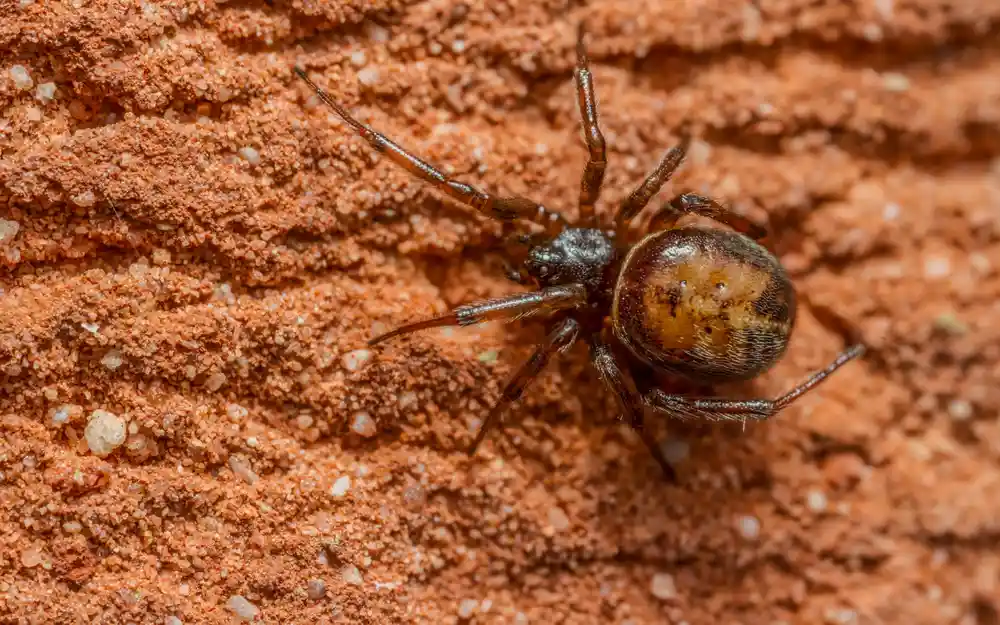
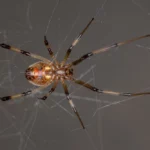 Brown Widow (Latrodectus geometricus) - The Brown Widow Spider is a cool spider that belongs to the cobweb spiders family. Some people know more about its cousin, the Black Widow, but the Brown Widow has its own interesting story.… Continue Reading >
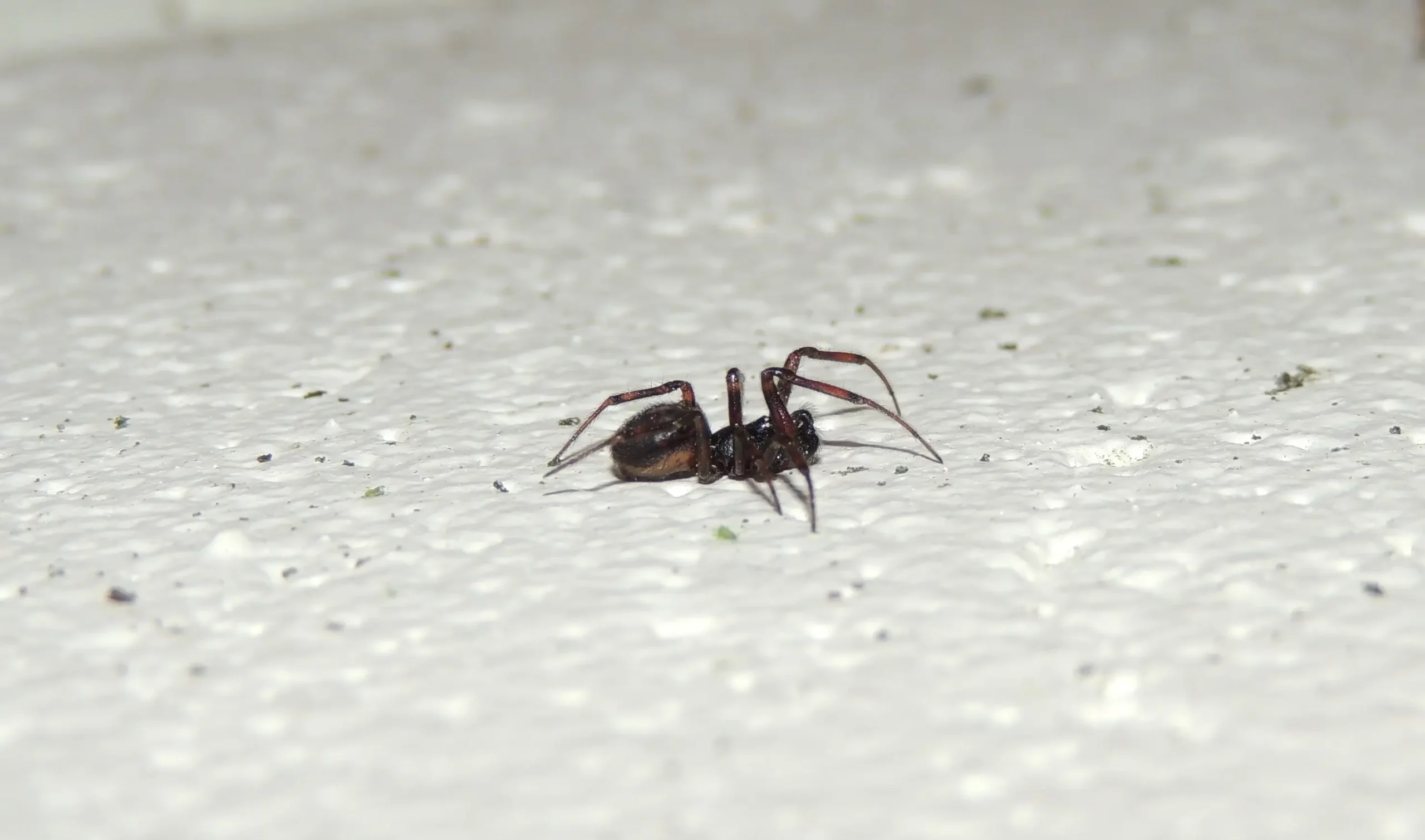
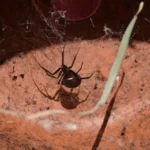 False Black Widow (Steatoda grossa) - The False Black Widow spider is part of the Steatoda genus and is frequently confused with the more dangerous Black Widow Spider. Known by various names, including 'cupboard spider' and 'brown house spider' in Australia, this species sometimes earns the label of a pest in certain areas.… Continue Reading >
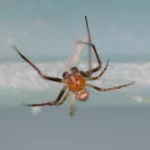 Chilean Recluse (Loxosceles laeta) - Imagine a spider called the Chilean recluse. It's known to be the most dangerous of its kind because of its strong venom. While its name hints at its home in Chile, you can also find it in places like Ecuador, Argentina, and Brazil.… Continue Reading >
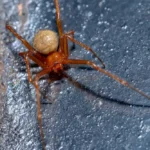 Red House (Nesticodes rufipes) - Have you ever spotted a red spider in your home? It might be the red house spider! They're often found chilling in cool spots or near doorframes.… Continue Reading >
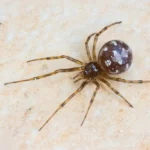 Triangulate Cobweb (Steatoda triangulosa) - Meet the triangulate cobweb spider from the Steatoda genus! Found in places like North America, New Zealand, and Europe, this little spider has a neat triangular pattern on its back.… Continue Reading >
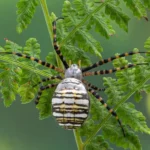 Banded Garden (Argiope trifasciata) - The banded garden spider is a common spider with two types: Argiope trifasciata deserticola and Argiope trifasciata kauaiensis. They prefer warm places and usually aren't around in cold winters because they don't like the chill.… Continue Reading >
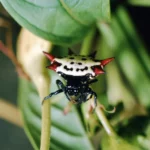 Spinybacked Orbweaver (Gasteracantha cancriformis) - Discover the spiny-backed orb-weaver, a fascinating spider from the orb-weaver family. Found mostly in the New World, these spiders are known for the unique, spine-like bumps on their back.… Continue Reading >
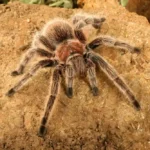 Rose Hair Tarantula (Grammostola rosea) - The rose hair tarantula is a night-loving spider that often comes out in the evenings. People in their home countries like to have it as a pet because of its unique look.… Continue Reading >
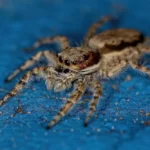 Gray Wall Jumping (Menemerus bivittatus) - Did you know there's a spider called the Gray wall jumper? It belongs to the Salticidae family and is found in warm tropical places in both the north and south.… Continue Reading >
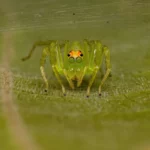 Lyssomanes - Jumping spiders are super interesting! Among them, there's a group called Lyssomanes with an impressive 90 different kinds. You can find them in Central and South America and even in the southern parts of the USA.… Continue Reading >
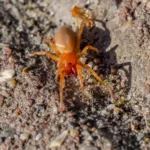 Woodlouse (Dysdera crocata) - Guess what? There's a spider called the woodlouse spider because it loves eating woodlice! It comes from places near the Mediterranean Sea.… Continue Reading >
© 2024 (Spider Identifications). All rights reserved. Reproduction in whole or in part without permission is prohibited.
Follow us on: