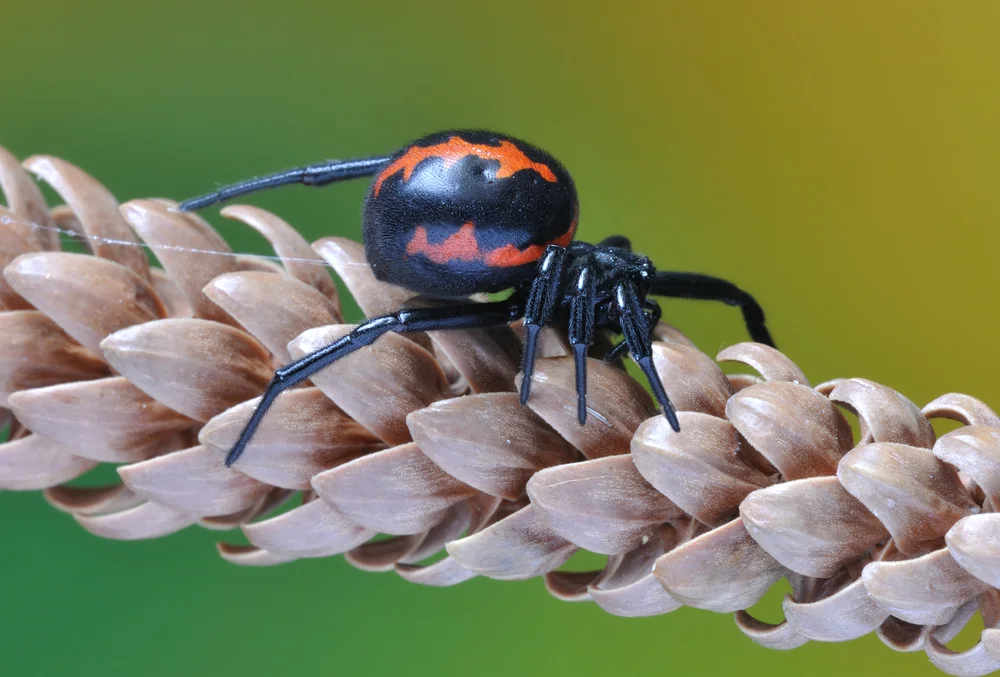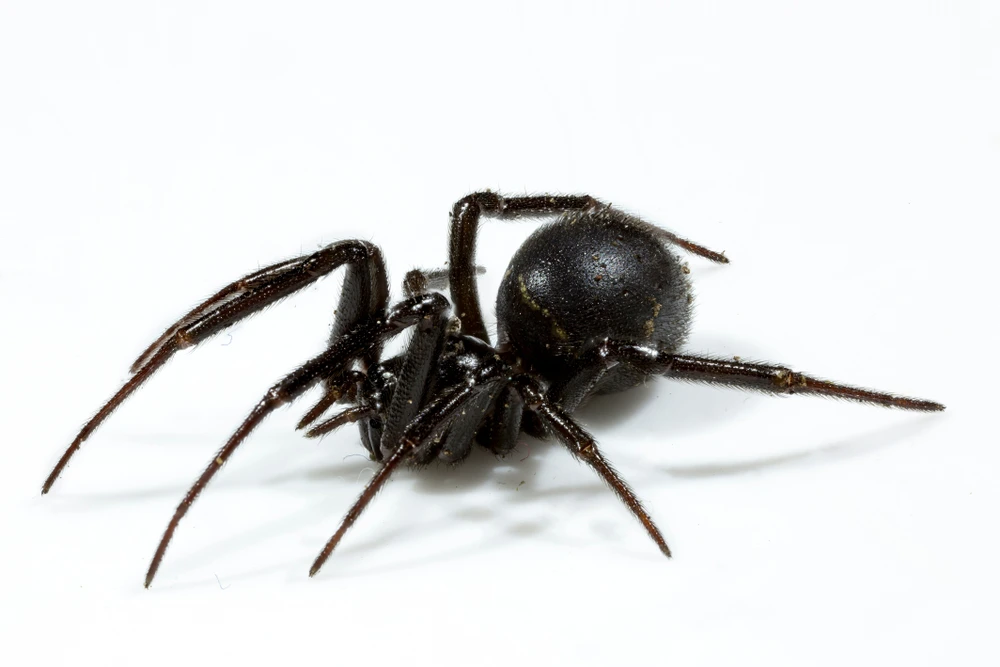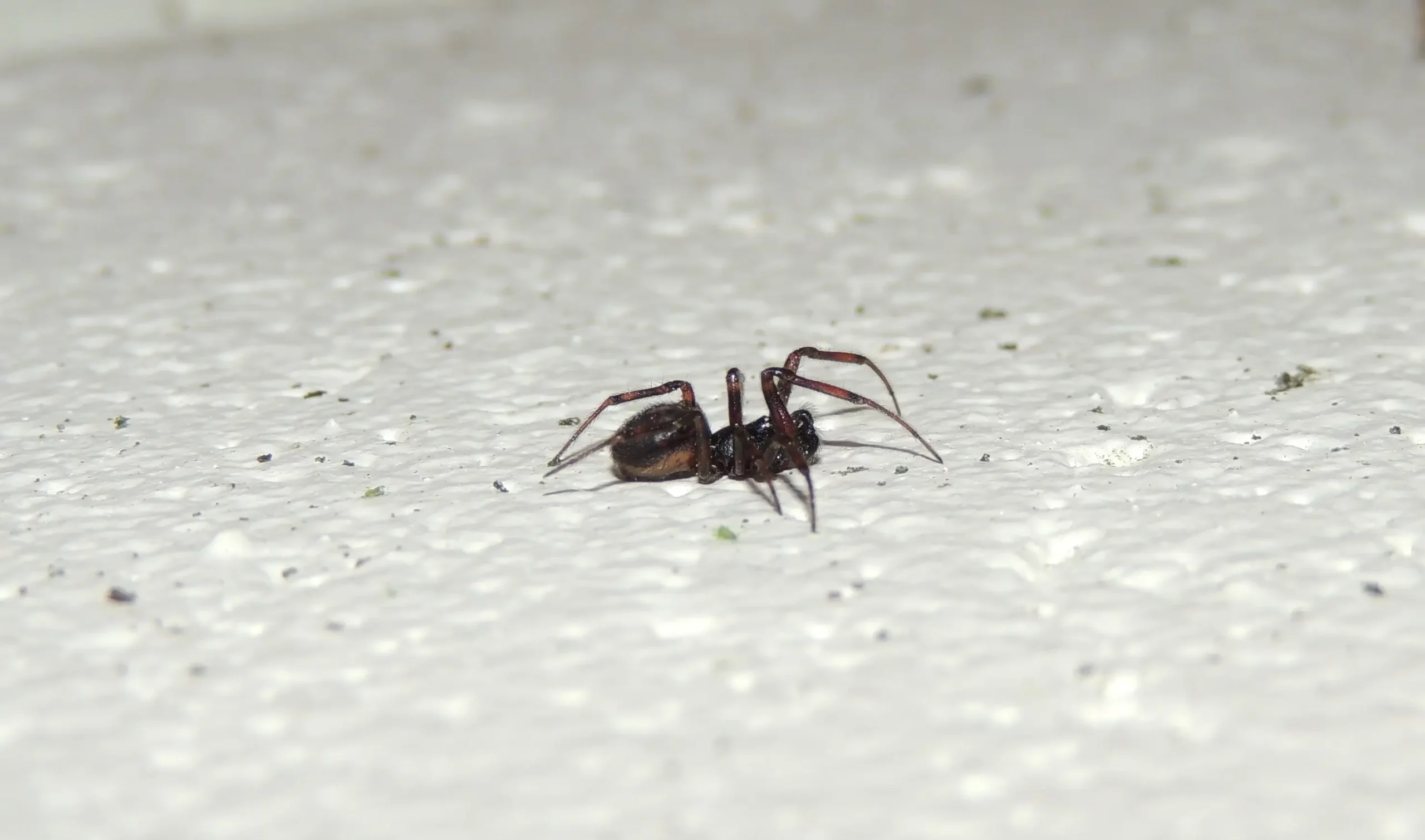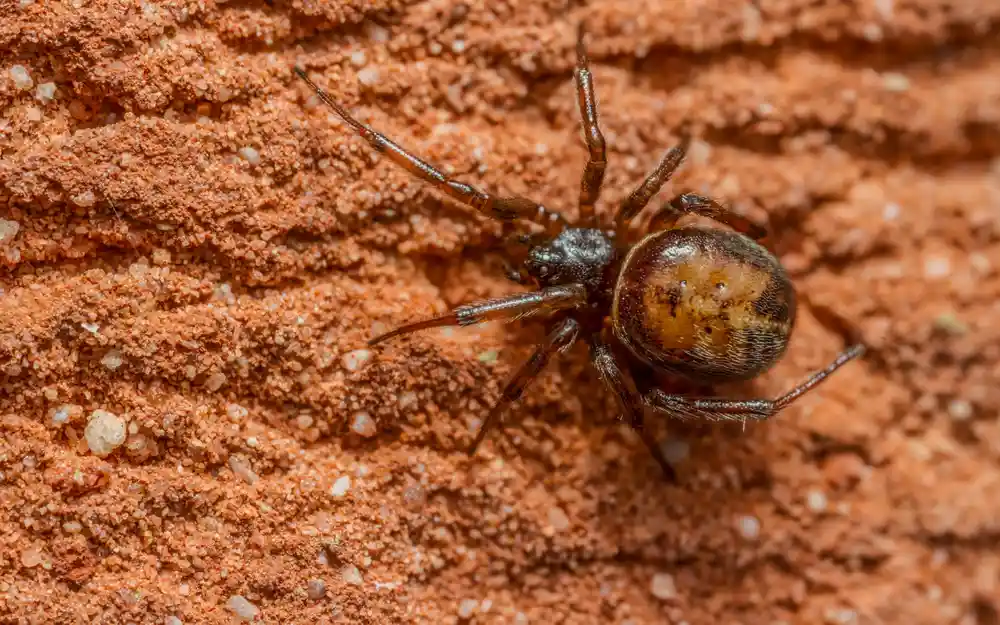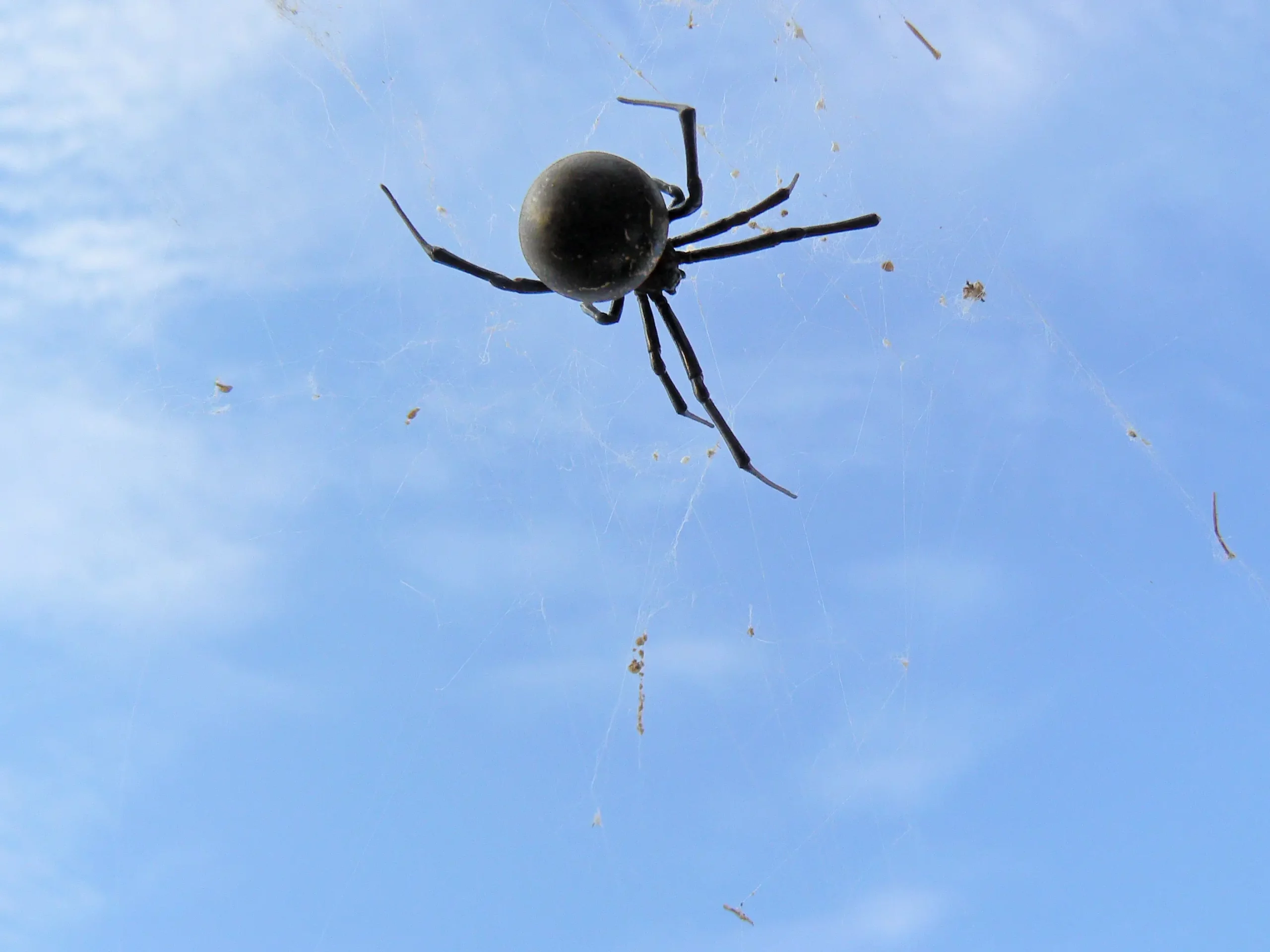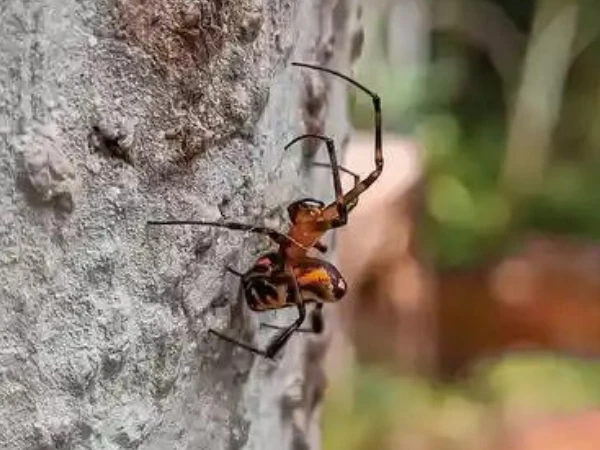


Have you been to Tunisia? It is a small country in the northern part of Africa. It is in the east part of Libya and west part of Algeria. In the north part of Tunisia, you will find the Mediterranean Sea. There are also rich farmland, hills, and deserts, which explains why it has a rich wildlife. If you are fond of spiders or not so pleased by them, then this article has covered everything – from the harmless spider species to the most venomous species such as the notorious brown widow spiders and brown recluse spiders.

Spiders in Tunisia Identification Chart
| Tropical Tent-web Spider (Cyrtophora citricola) | Common House Spider (Parasteatoda tepidariorum) | Grass Cross Spider (Argiope catenulate) |
| Menemerus Utilis | — | — |
| Tarantula Wolf Spiders (Lycosa Tarantula) | — | — |
 Brown Widow (Latrodectus geometricus) - The Brown Widow Spider is a cool spider that belongs to the cobweb spiders family. Some people know more about its cousin, the Black Widow, but the Brown Widow has its own interesting story.… Continue Reading >
 Brown Recluse Spider (Loxosceles reclusa) - The brown recluse spider is a special spider found mostly in the central and southern parts of the U.S. It's part of a small group of spiders in North America known for having strong venom, along with the Chilean recluse and black widow.… Continue Reading >
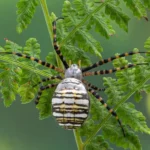 Banded Garden (Argiope trifasciata) - The banded garden spider is a common spider with two types: Argiope trifasciata deserticola and Argiope trifasciata kauaiensis. They prefer warm places and usually aren't around in cold winters because they don't like the chill.… Continue Reading >
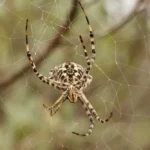 Lobed Argiope (Argiope lobata) - Discover the Argiope lobata, a fascinating orb weaver spider that makes its home across three continents. Here, you'll find intriguing facts and details about this widespread spider.… Continue Reading >
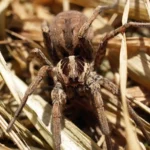 Hogna radiata - The Hogna radiata is a big spider that's part of the wolf spider family. If you're looking at spiders in Italy, this one's hard to miss because of how big it is and its cool looks.… Continue Reading >
© 2024 (Spider Identifications). All rights reserved. Reproduction in whole or in part without permission is prohibited.
Follow us on: