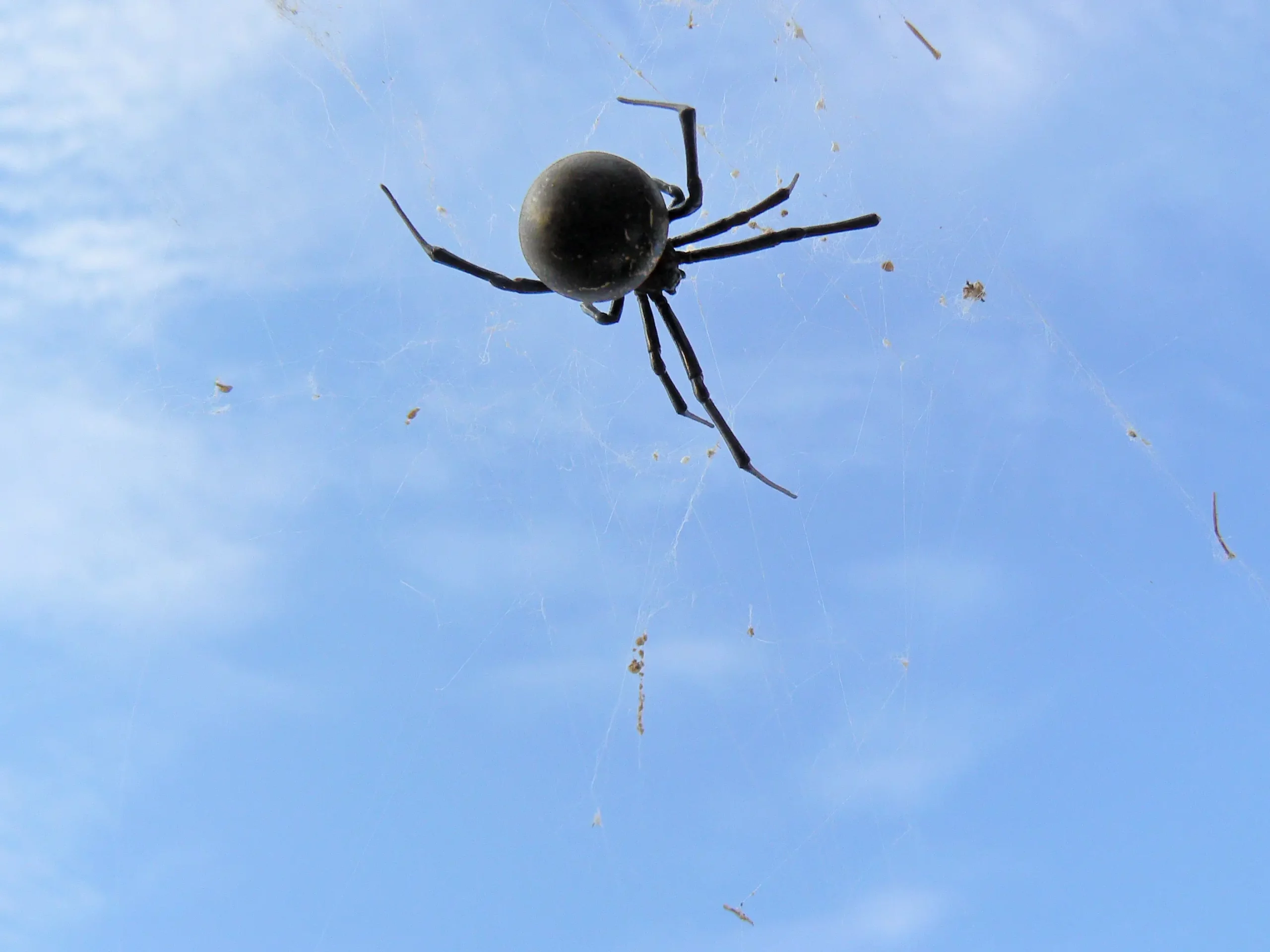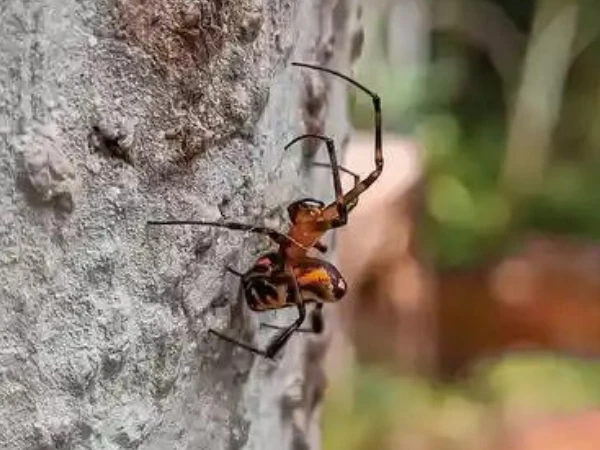


Nevada’s arid areas and long stretches of mountainous terrain make it a suitable habitat for many venomous and non-venomous spiders. They are mostly distributed throughout, though most of them are found in northern Nevada. Most of them native to this state render no harm to humans, a few of them existing here are potentially dangerous. The hobo spider was commonly found in Nevada’s Las Vegas, though at present, its numbers here have depleted. The camel spider, not a spider, though, but a part of the Arachnida class thrives in the desert areas of Nevada.
The harmful spiders indigenous to the state include the desert tarantula, wolf, and the western black widow.
| Brown recluse (Loxosceles reclusa) | Desert Tarantula (Aphonopelma chalcodes) | — |
| Desert Tarantula (Aphonopelma chalcodes) | — | — |
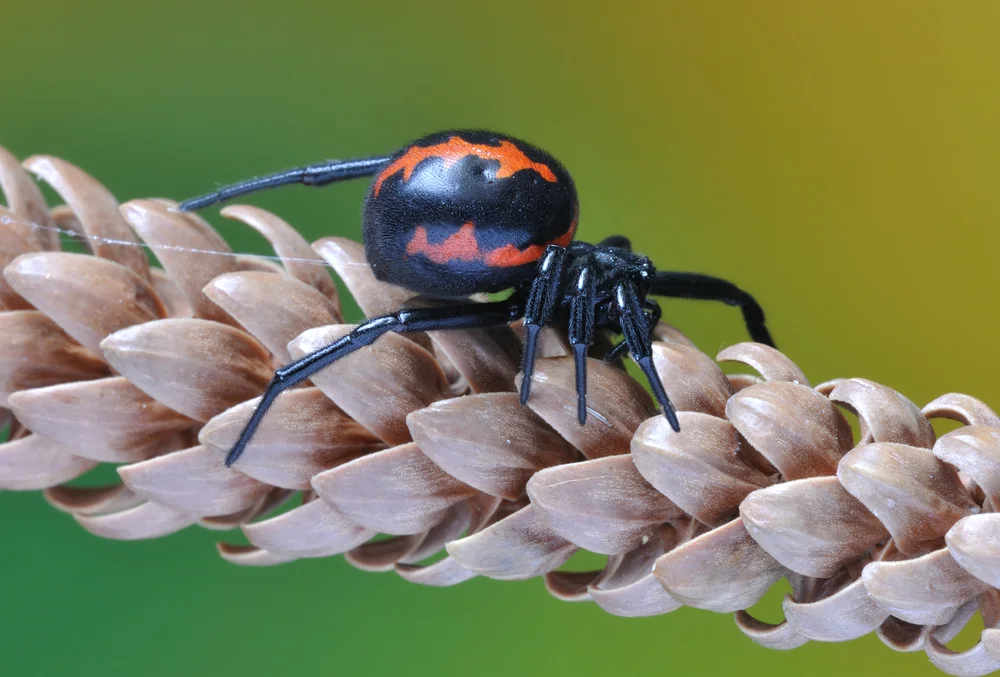
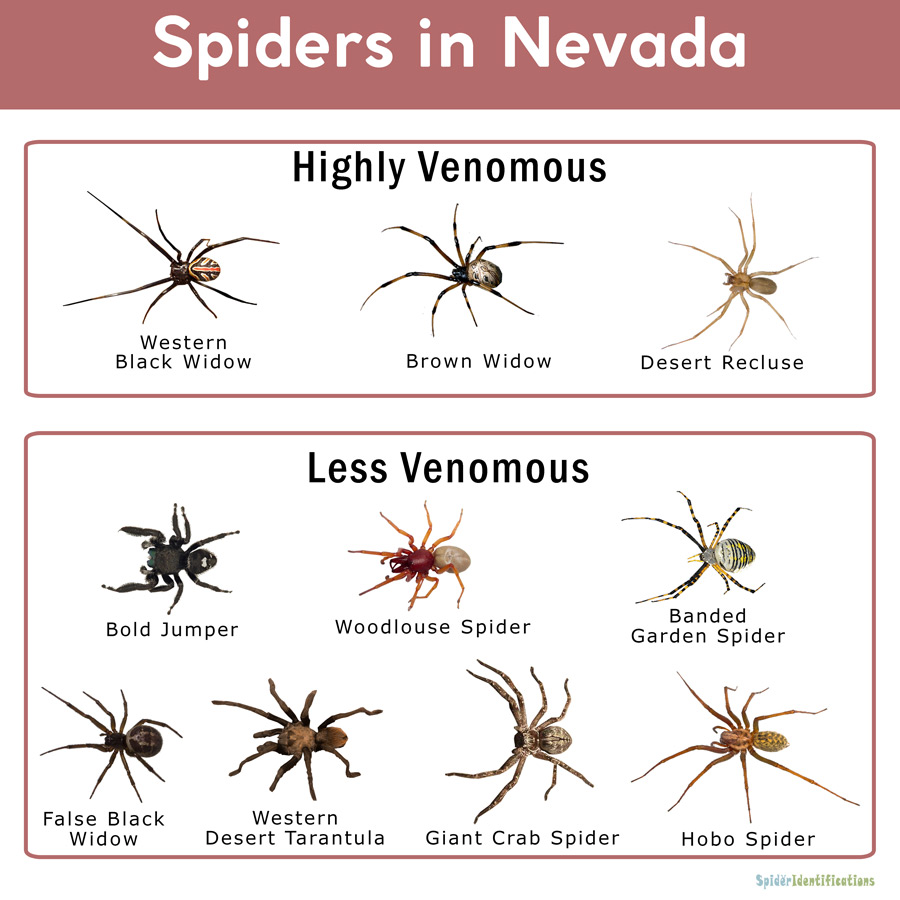
 Western Black Widow (Latrodectus hesperus) - Have you ever heard about the Western Black Widow spider? It's a special spider found mostly in the western areas of North America. They are closely related to the northern black widow.… Continue Reading >
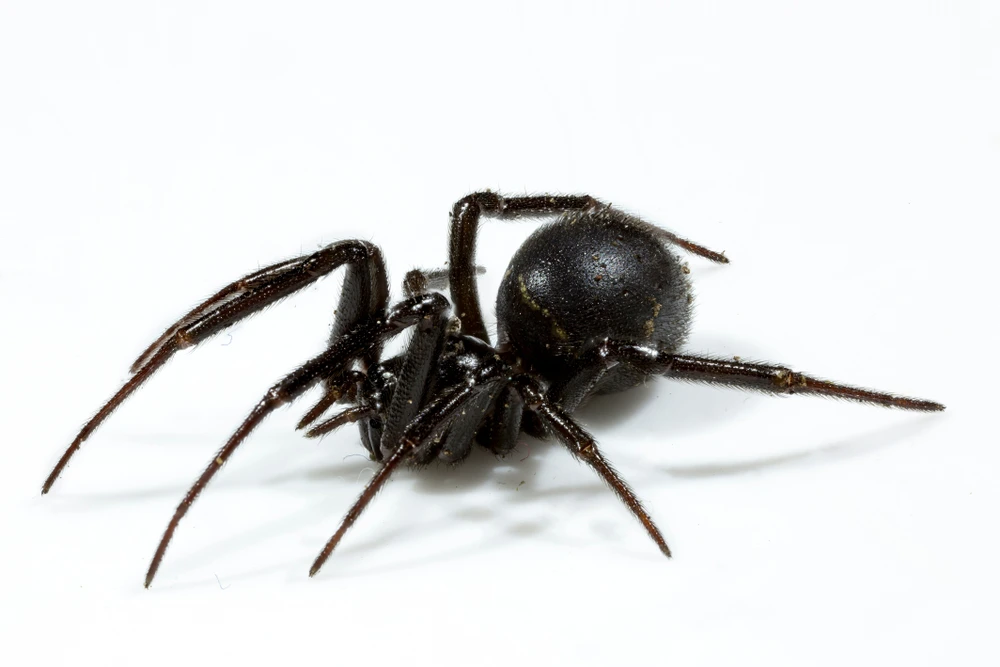
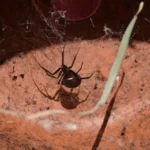 False Black Widow (Steatoda grossa) - The False Black Widow spider is part of the Steatoda genus and is frequently confused with the more dangerous Black Widow Spider. Known by various names, including 'cupboard spider' and 'brown house spider' in Australia, this species sometimes earns the label of a pest in certain areas.… Continue Reading >
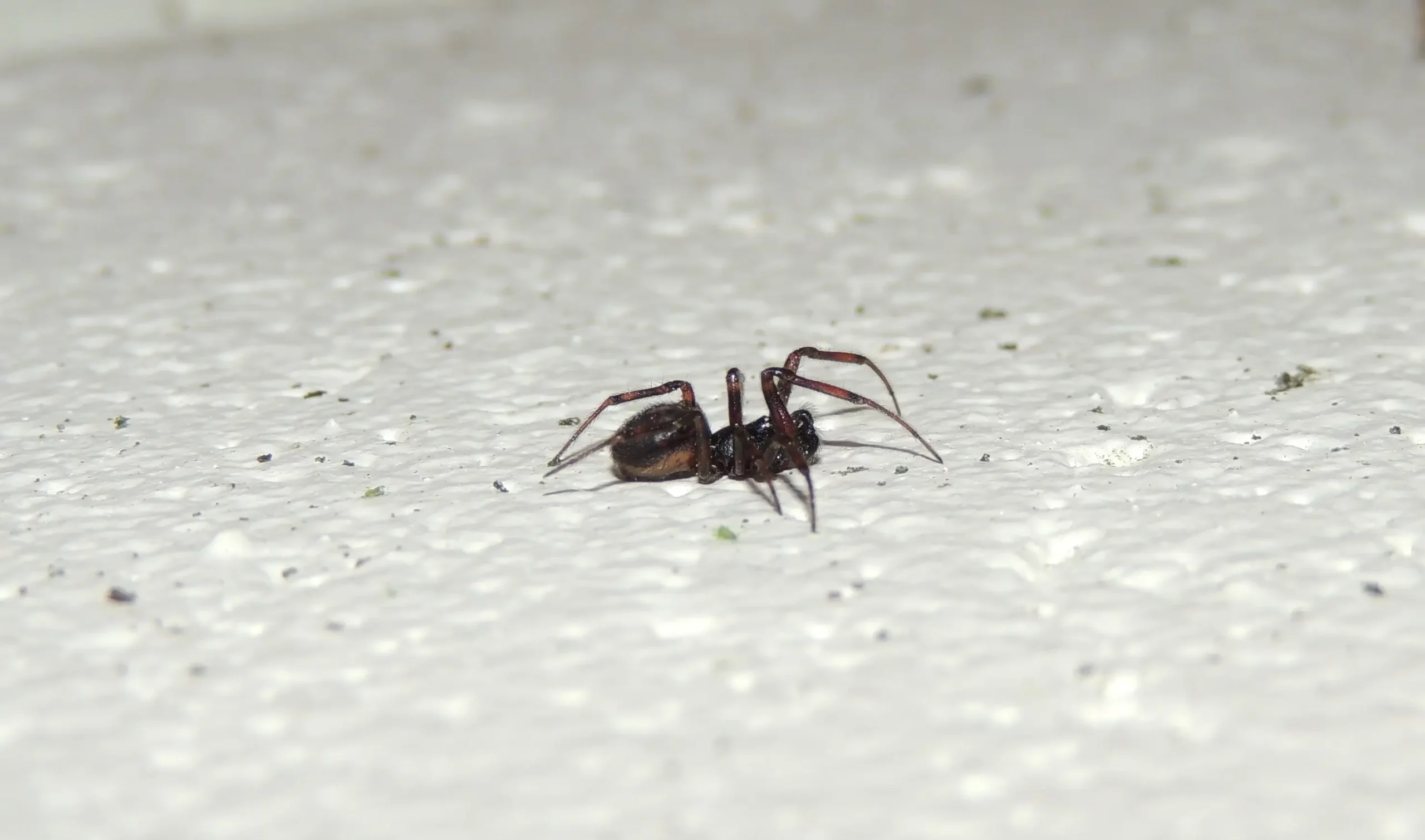
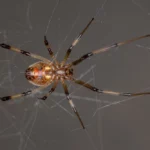 Brown Widow (Latrodectus geometricus) - The Brown Widow Spider is a cool spider that belongs to the cobweb spiders family. Some people know more about its cousin, the Black Widow, but the Brown Widow has its own interesting story.… Continue Reading >
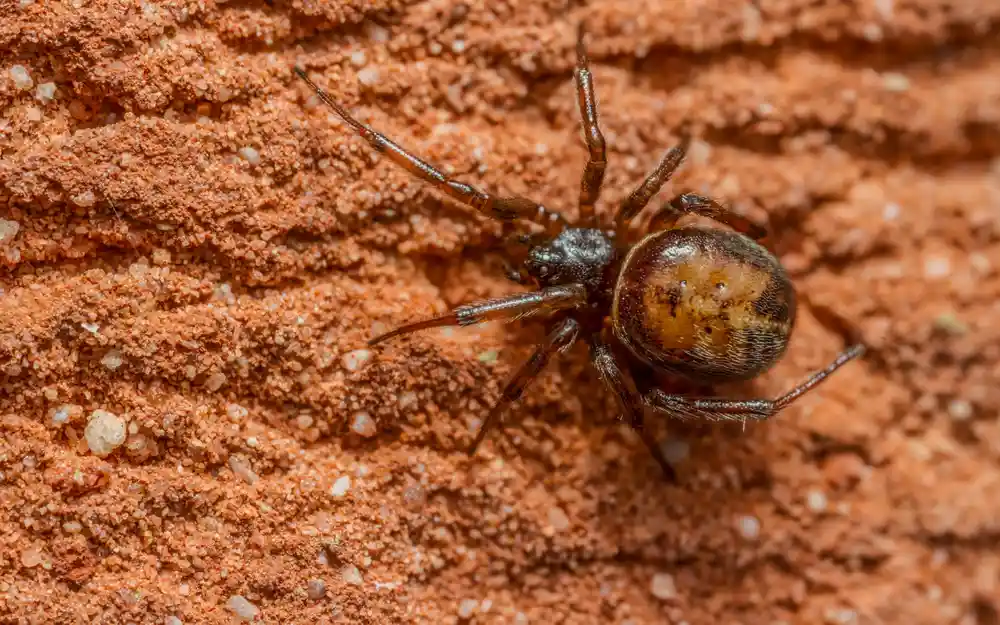
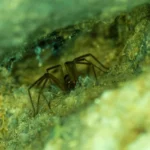 Desert Recluse (Loxosceles deserta) - Did you know there's a spider called the desert recluse? It's brown and is part of the Sicariidae family. People sometimes mix it up with another spider called the brown recluse, but they're different and don't live super close to each other.… Continue Reading >
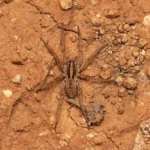 Hogna antelucana - The Hogna antelucana is a special kind of wolf spider found in the USA. People first noticed this spider in Austin, Texas. Like other wolf spiders, it has some cool looks and interesting ways of doing things.… Continue Reading >
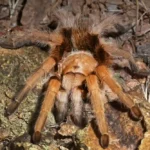 Arizona Blond Tarantula (Aphonopelma chalcodes) - The Arizona blond tarantula is a special spider found mainly in Arizona's deserts and some places in Mexico. They live longer than many other tarantulas and are super calm.… Continue Reading >
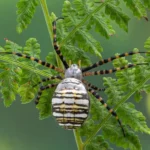 Banded Garden (Argiope trifasciata) - The banded garden spider is a common spider with two types: Argiope trifasciata deserticola and Argiope trifasciata kauaiensis. They prefer warm places and usually aren't around in cold winters because they don't like the chill.… Continue Reading >
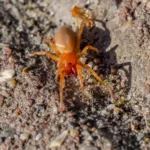 Woodlouse (Dysdera crocata) - Guess what? There's a spider called the woodlouse spider because it loves eating woodlice! It comes from places near the Mediterranean Sea.… Continue Reading >
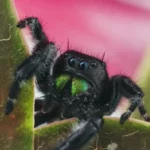 Bold Jumping (Phidippus audax) - Bold jumping spiders are super cool members of the Salticidae spider family. They get attention for their amazing jumps and colorful looks. Instead of using webs to catch food, they like to sneak up on bugs and jump on them!… Continue Reading >
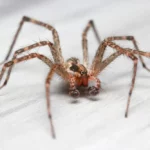 Hobo (Eratigena agrestis) - The Hobo spider is different from the Australian funnel-web, even though they both belong to the funnel-web spider group. With various scientific names like Philoica agrestis and Tegenaria rhaetica, these spiders can be found in Europe, Central Asia, and North America.… Continue Reading >
© 2024 (Spider Identifications). All rights reserved. Reproduction in whole or in part without permission is prohibited.
Follow us on: