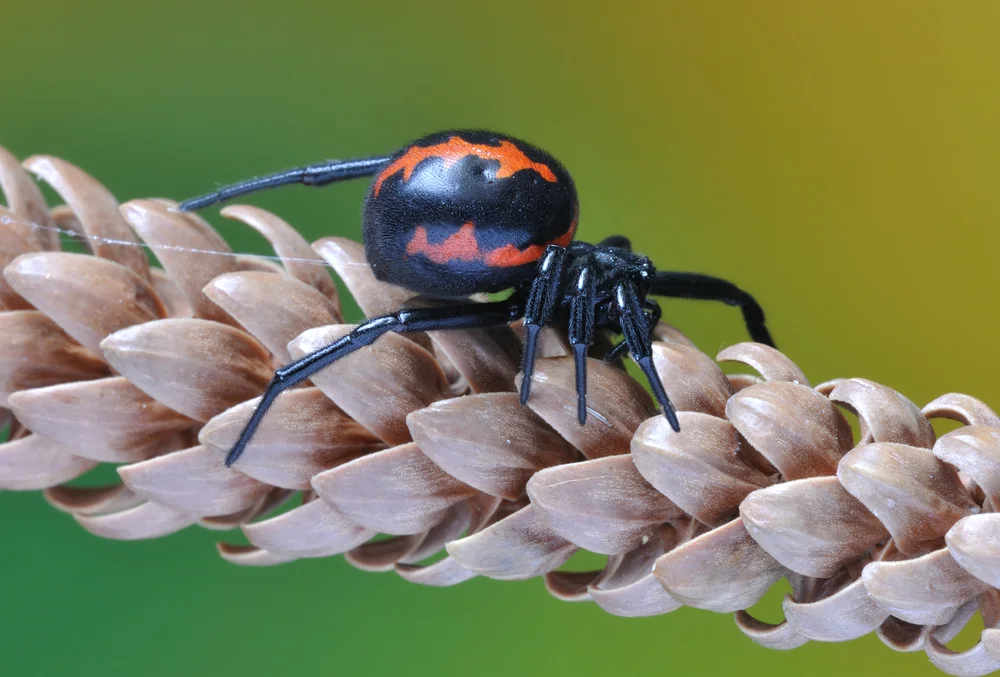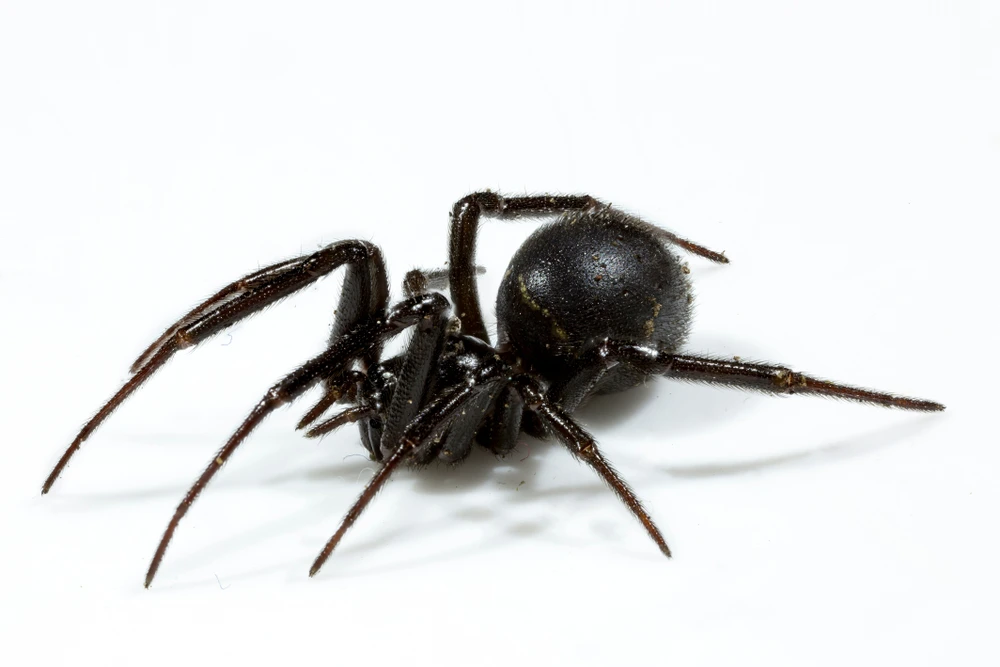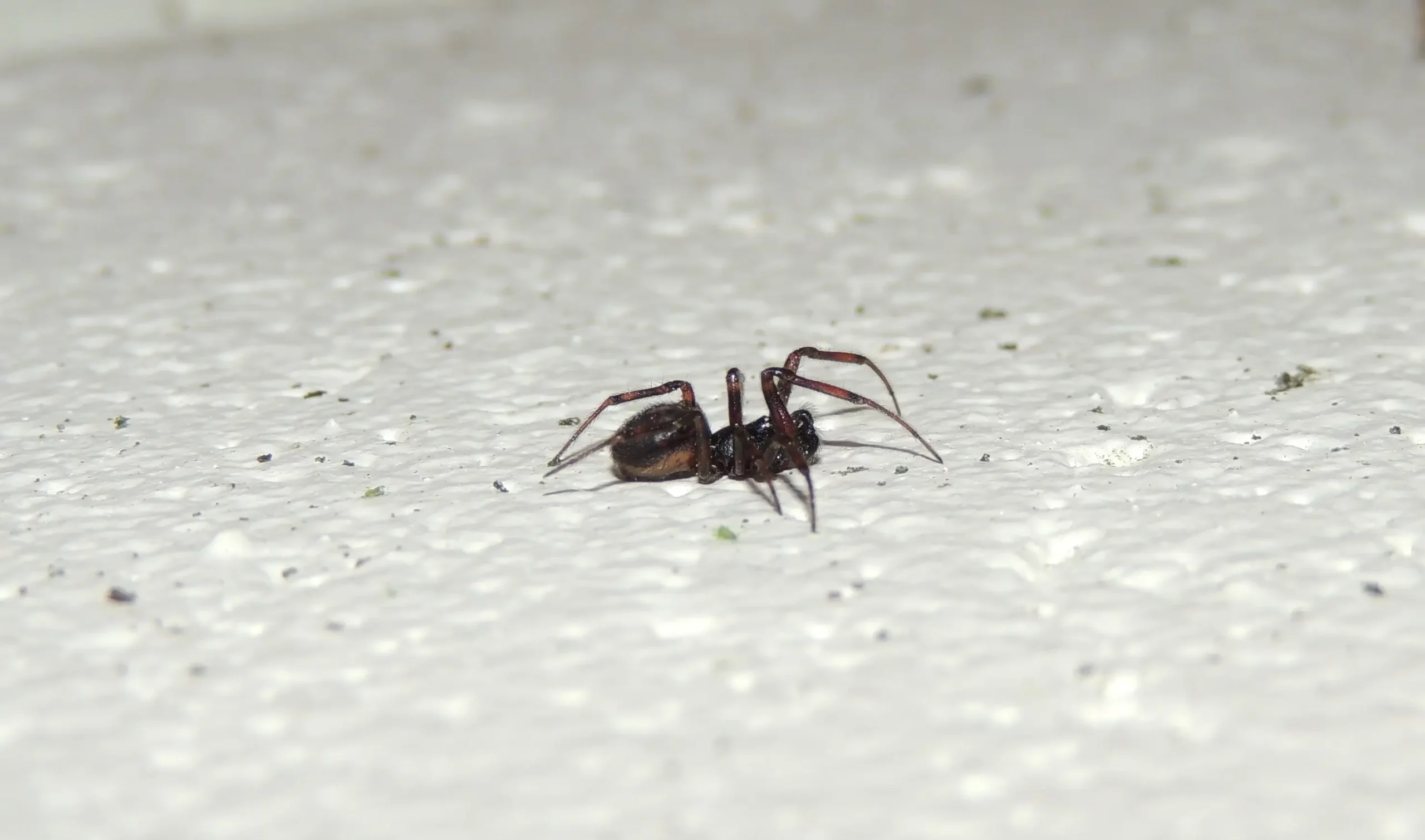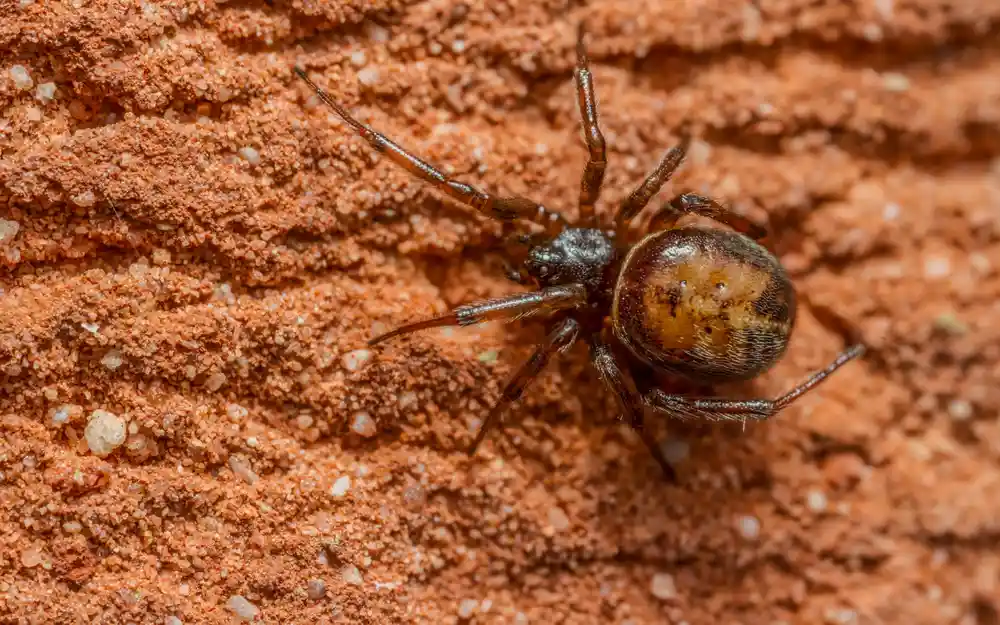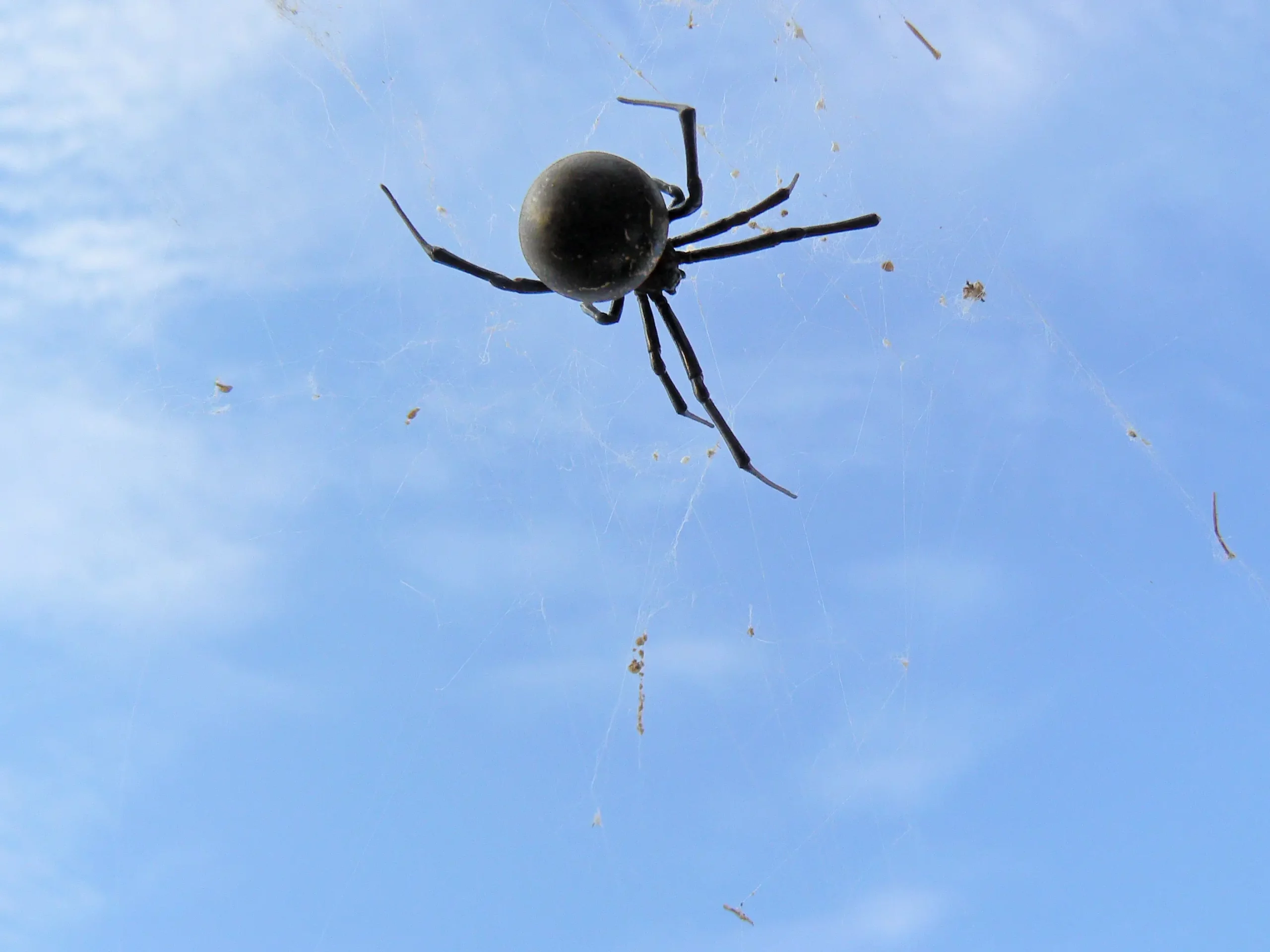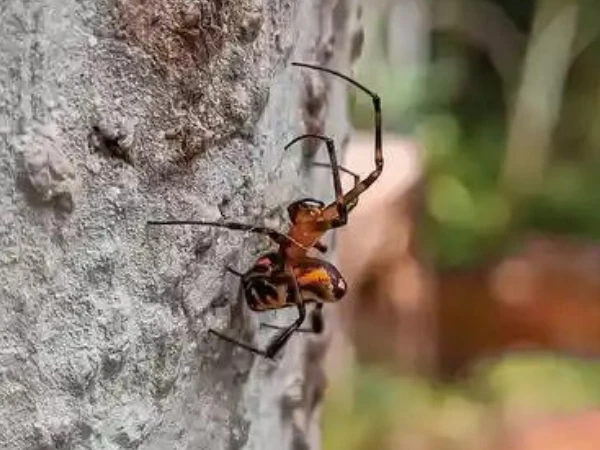


Brazil is the fifth largest country in the world and, in fact, the largest country in South America never runs out of something good to offer when it comes to nature, flora, and fauna. While it is known as a football destination, you also need to be aware of its notorious Amazon rainforest. If you are afraid of creepy crawlers such as spiders, you need to be aware that Brazil is home to a variety of spiders. The good news is that most of these spiders are not dangerous to humans. Although it also has its fair share of venomous spiders. Most of its spiders aim to target its prey. To enjoy your vacation on this beautiful tropical island, make sure you equip yourself with knowledge about the common spiders you might encounter.

Spiders in Brazil Identification Chart
| Silver Garden Orbweaver (Argiope argentata) | Gray Wall Jumping Spider (Menemerus bivittatus) | Adanson’s House Jumper (Hasarius adansoni) |
| Red House Spider (Nesticodes rufipes) | Banded Garden Spider (Argiope trifasciata) | Amazon Thorn Spider (Micrathena schreibersi) |
| Translucent Green Jumping Spiders (Genus: Lyssomanes) | Mabel Orchard Orbweaver (Leucauge argyrobapta) | Striped Lynx Spider (Oxyopes salticus) |
| Spiny backed Orb Weaver Spider (Gasteracantha) | Common House Spider (Parasteatoda tepidariorum) | Southern House Spider (Kukulcania hibernalis) |
| Tropical Tent-web Spider (Cyrtophora citricola) | Triangulate Combfoot (Steatoda triangulosa) | — |
| Wolf Spider | Goliath Birdeater (Theraphosa blondi) | Pantropical Huntsman Spider (Heteropoda venatoria) |
 Brazilian Wandering (Phoneutria) - The Brazilian Wandering spider is a type of spider from the Phoneutria group. Even though they're called "Brazilian," not all of them come from Brazil.… Continue Reading >
 Brown Recluse Spider (Loxosceles reclusa) - The brown recluse spider is a special spider found mostly in the central and southern parts of the U.S. It's part of a small group of spiders in North America known for having strong venom, along with the Chilean recluse and black widow.… Continue Reading >
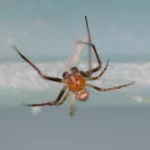 Chilean Recluse (Loxosceles laeta) - Imagine a spider called the Chilean recluse. It's known to be the most dangerous of its kind because of its strong venom. While its name hints at its home in Chile, you can also find it in places like Ecuador, Argentina, and Brazil.… Continue Reading >
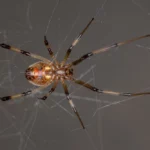 Brown Widow (Latrodectus geometricus) - The Brown Widow Spider is a cool spider that belongs to the cobweb spiders family. Some people know more about its cousin, the Black Widow, but the Brown Widow has its own interesting story.… Continue Reading >
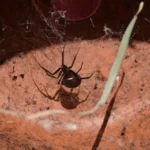 False Black Widow (Steatoda grossa) - The False Black Widow spider is part of the Steatoda genus and is frequently confused with the more dangerous Black Widow Spider. Known by various names, including 'cupboard spider' and 'brown house spider' in Australia, this species sometimes earns the label of a pest in certain areas.… Continue Reading >
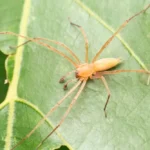 Black-Footed Yellow Sac (Cheiracanthium inclusum) - Meet the yellow sac spider! It's a spider that originally came from the Americas. Over time, it's been a part of different spider families, and now it's in the Eutichuridae family.… Continue Reading >
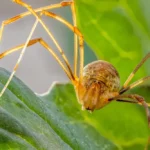 Long Bodied Cellar (Pholcus phalangioides) - The long-bodied cellar spiders are quite interesting! Often seen in America's dark and damp spots, they have really long legs.… Continue Reading >
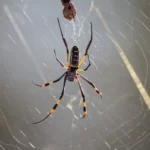 Golden Silk Orb-Weaver (Nephila) - Have you ever seen a spider's web that shines like gold? Meet the Golden Silk Orb-Weaver! With 23 different types living around the world, they're known for their special golden webs.… Continue Reading >
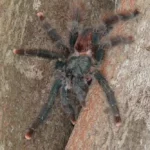 Pink Toe Tarantula (Avicularia avicularia) - The Pink-toed tarantula has many names like Guyana pinktoe and South American pinktoe. It's a special spider from South America that loves daylight and climbing high.… Continue Reading >
© 2024 (Spider Identifications). All rights reserved. Reproduction in whole or in part without permission is prohibited.
Follow us on: