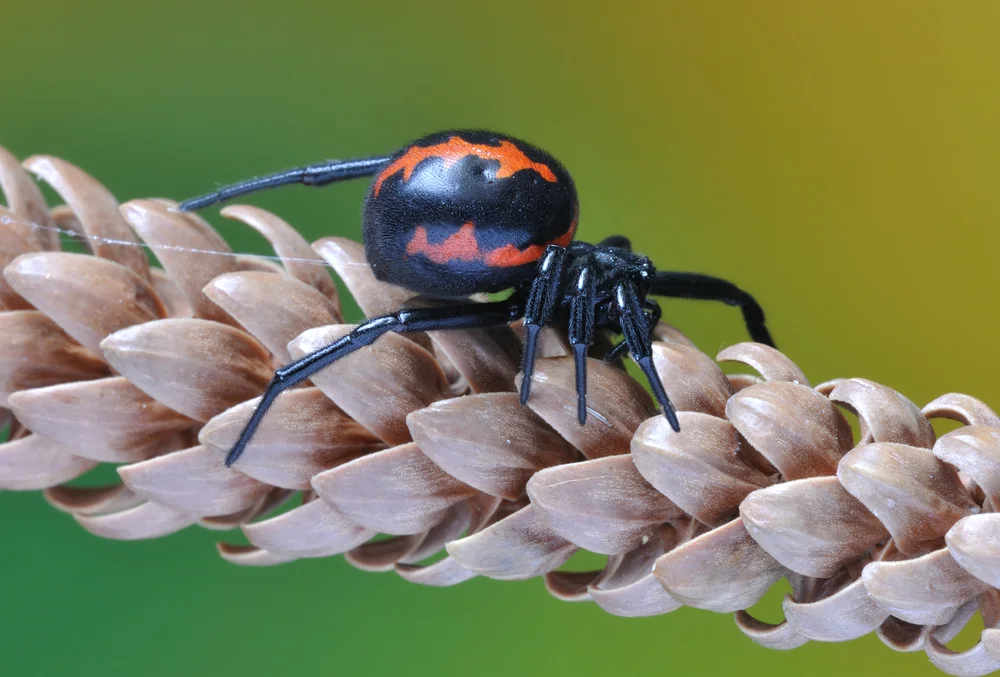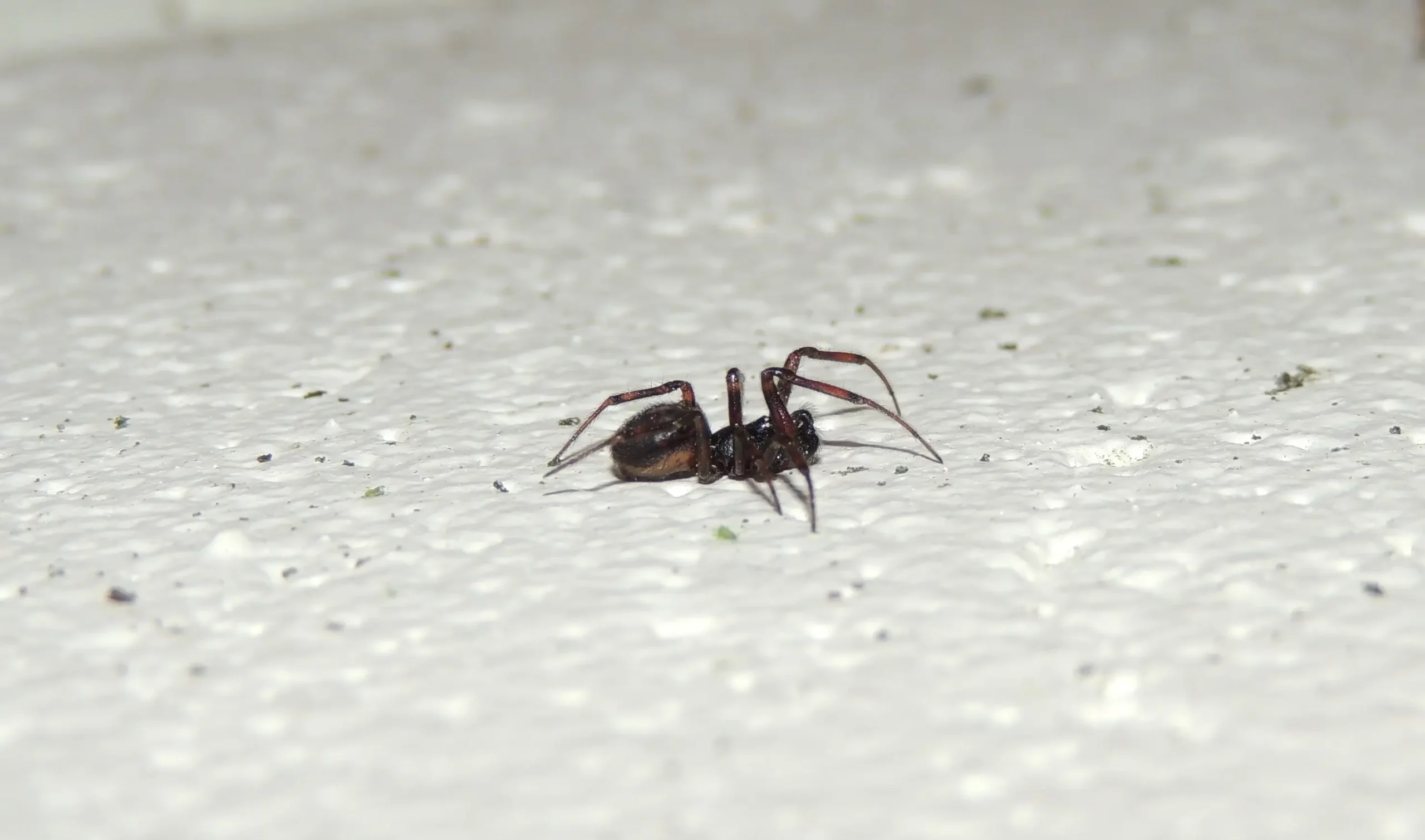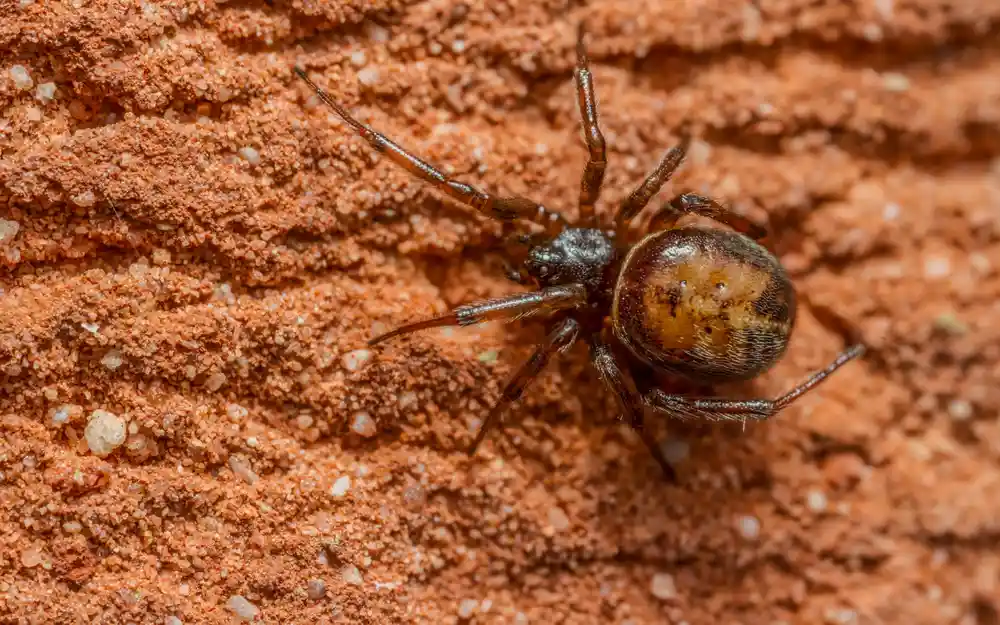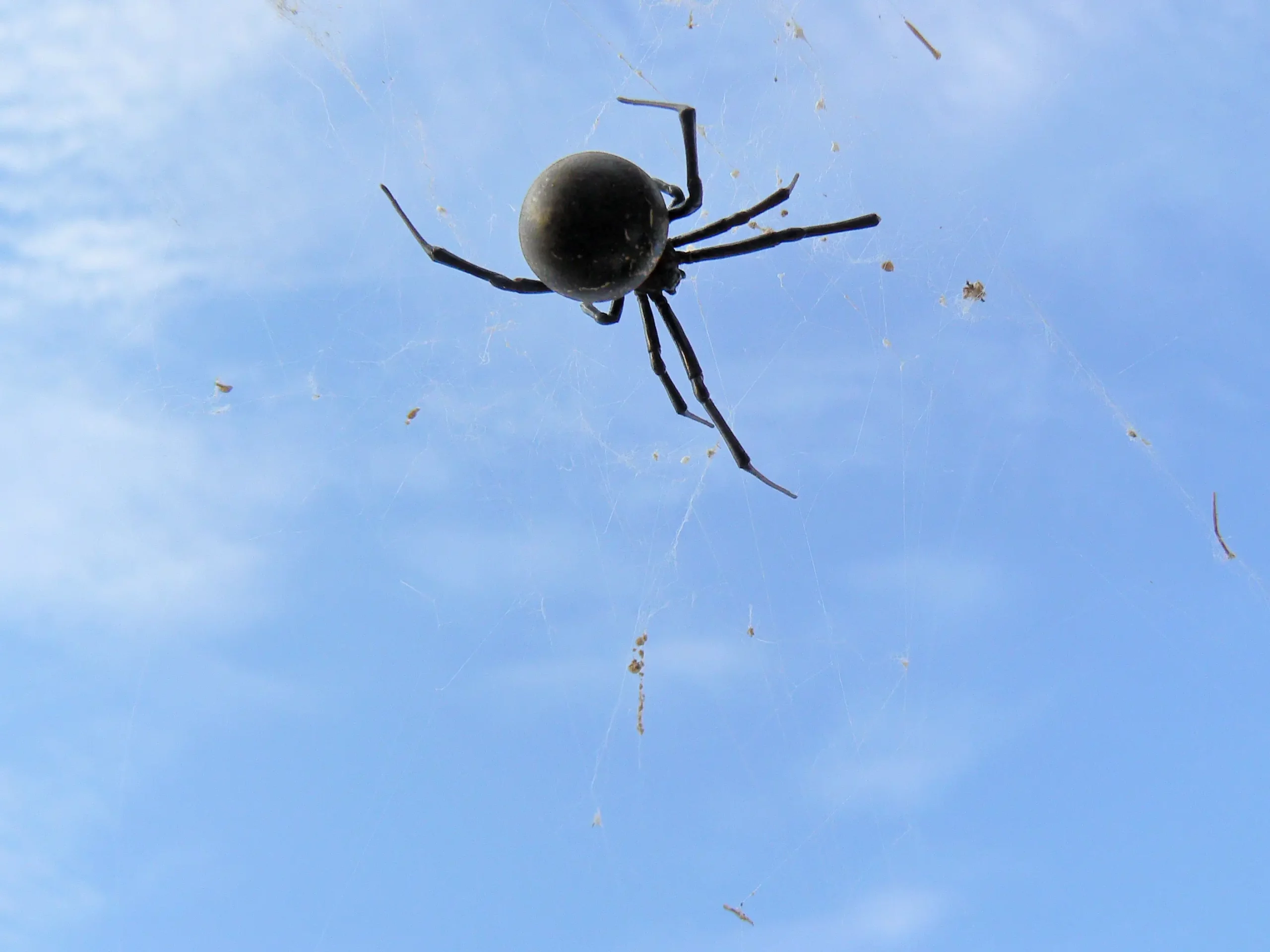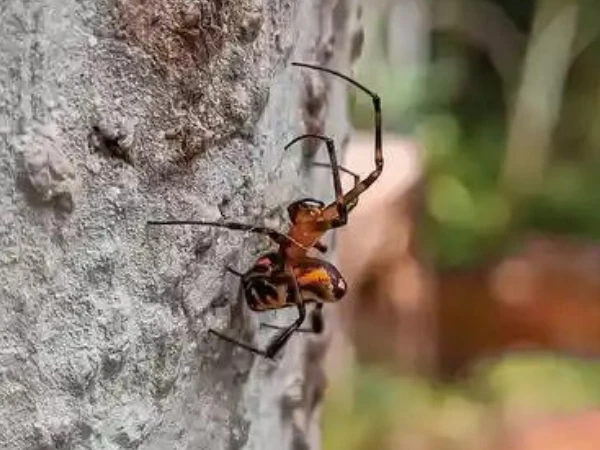


Malta is a Mediterranean island with rich culture and fascinating nature. Speaking of nature, it’s location makes it an ideal place for all kinds of creatures. For the record, it has 157 spiders species, but most of them are non-venomous. Their presence will not be a cause of trouble or alarm. However, you should be wary as it also has some of the most dangerous spider species, in fact, these spiders have toxins powerful enough to cause harm not only to their prey but to humans too.

Spiders in Malta Identification Chart
| Tropical Tent Web Spider (Cyrtophora citricola) | Common House Spider (Parasteatoda tepidariorum) | Cricket-bat Orb weaver (Mangora acalypha) |
| Common Garbage-Line Web Spider (Cyclosa insulana) | Common Hairy Field Spider (Neoscona subfusca) | — |
| Lobed Orb-weaver | Banded Wasp Spider (Argiope trifasciata) | — |
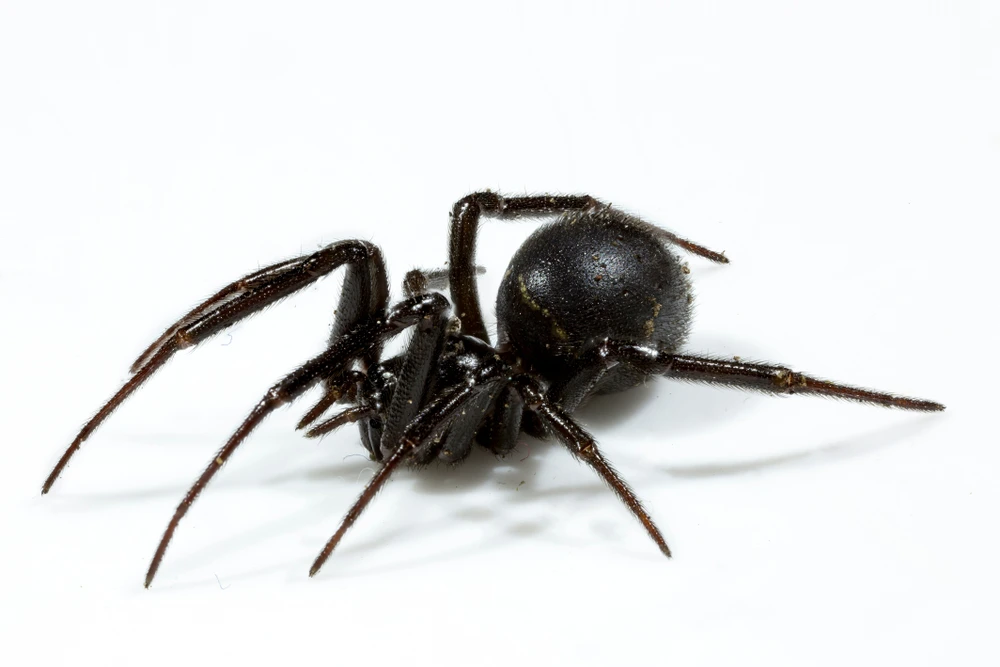
 False Black Widow (Steatoda grossa) - The False Black Widow spider is part of the Steatoda genus and is frequently confused with the more dangerous Black Widow Spider. Known by various names, including 'cupboard spider' and 'brown house spider' in Australia, this species sometimes earns the label of a pest in certain areas.… Continue Reading >
 Steatoda paykulliana - Meet the Steatoda paykulliana spider! It belongs to the comb-footed spiders family. Fun fact: it was named after a famous explorer from Sweden, Gustaf von Paykull.… Continue Reading >
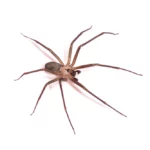 Brown Recluse Spider (Loxosceles reclusa) - The brown recluse spider is a special spider found mostly in the central and southern parts of the U.S. It's part of a small group of spiders in North America known for having strong venom, along with the Chilean recluse and black widow.… Continue Reading >
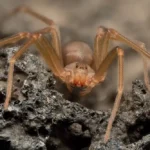 Mediterranean Recluse (Loxosceles rufescens) - Guess where the Mediterranean recluse spider comes from? That's right, the Mediterranean areas! Even though it started there, now you can find this spider all over the world.… Continue Reading >
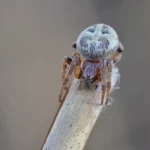 Furrow (Larinioides cornutus) - Did you know there's a spider called the Furrow spider? It belongs to the orb-weaver family. You can find them in places like North Africa, Europe, parts of Asia, and even in North and South America!… Continue Reading >
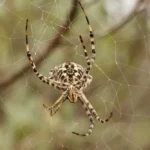 Lobed Argiope (Argiope lobata) - Discover the Argiope lobata, a fascinating orb weaver spider that makes its home across three continents. Here, you'll find intriguing facts and details about this widespread spider.… Continue Reading >
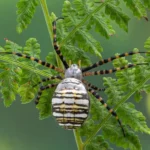 Banded Garden (Argiope trifasciata) - The banded garden spider is a common spider with two types: Argiope trifasciata deserticola and Argiope trifasciata kauaiensis. They prefer warm places and usually aren't around in cold winters because they don't like the chill.… Continue Reading >
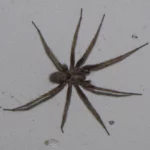 Barn Funnel Weaver (Tegenaria domestica) - Discover the Barn Funnel Weaving Spider, a spider known by various names worldwide, like the Domestic House Spider in Europe and the Common House Spider in the Pacific Northwest.… Continue Reading >
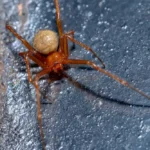 Red House (Nesticodes rufipes) - Have you ever spotted a red spider in your home? It might be the red house spider! They're often found chilling in cool spots or near doorframes.… Continue Reading >
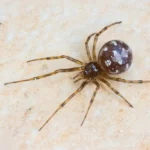 Triangulate Cobweb (Steatoda triangulosa) - Meet the triangulate cobweb spider from the Steatoda genus! Found in places like North America, New Zealand, and Europe, this little spider has a neat triangular pattern on its back.… Continue Reading >
© 2024 (Spider Identifications). All rights reserved. Reproduction in whole or in part without permission is prohibited.
Follow us on: