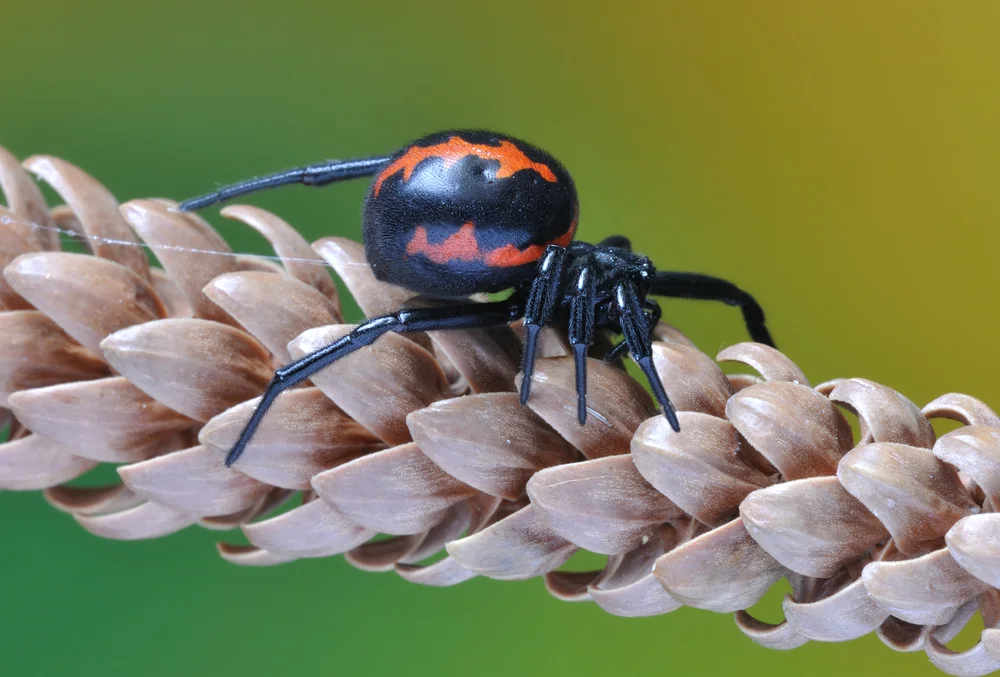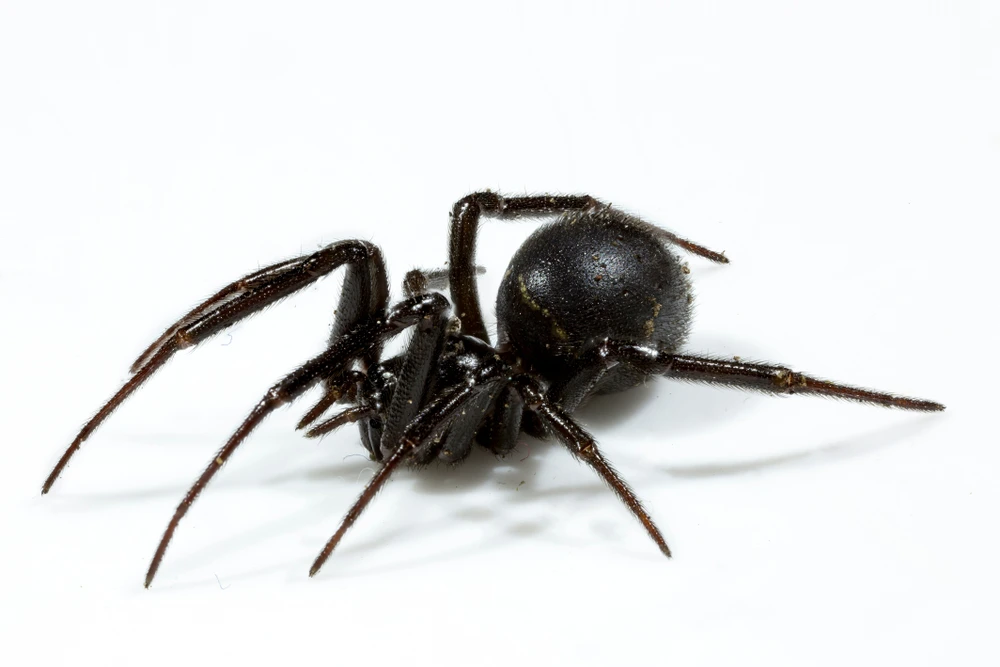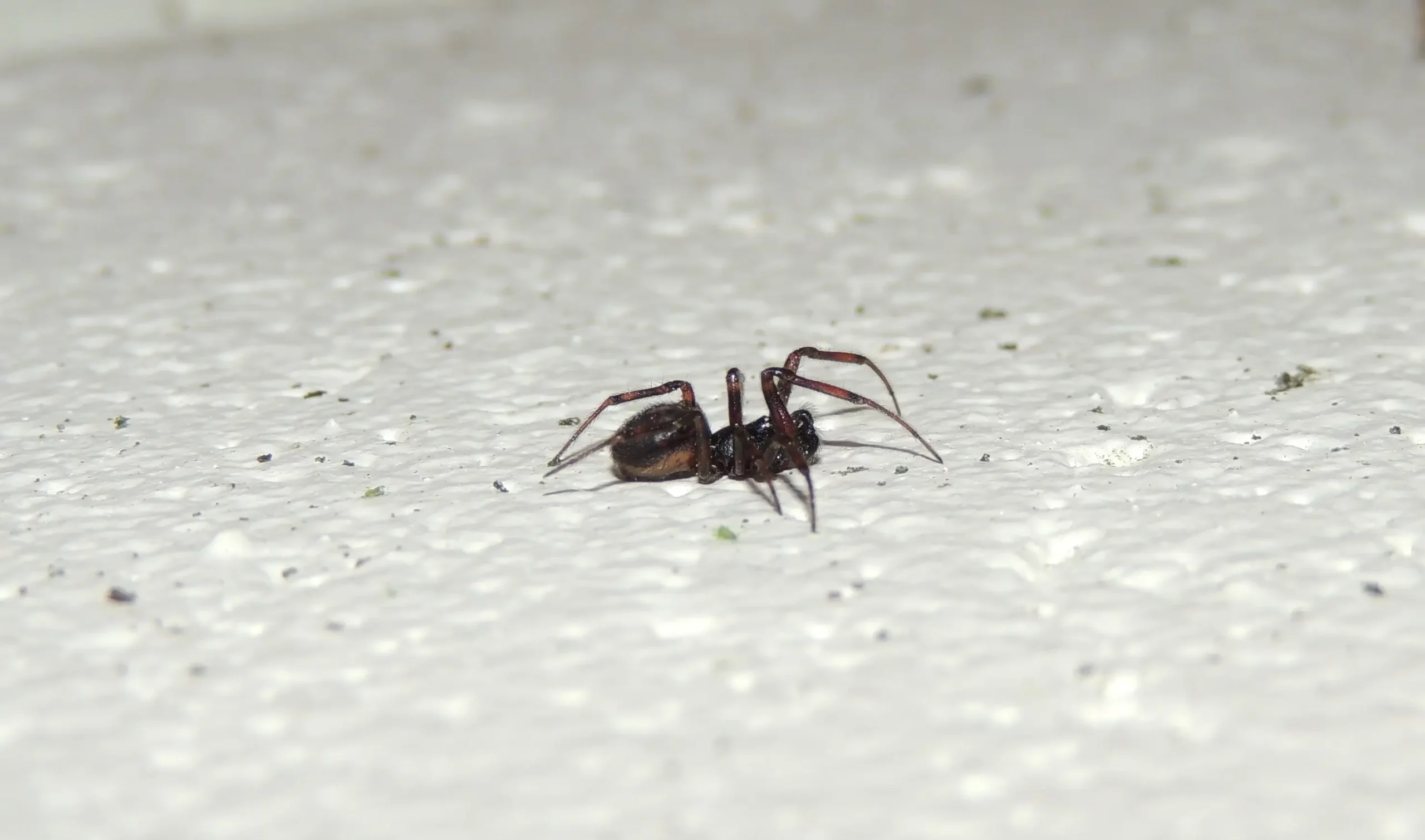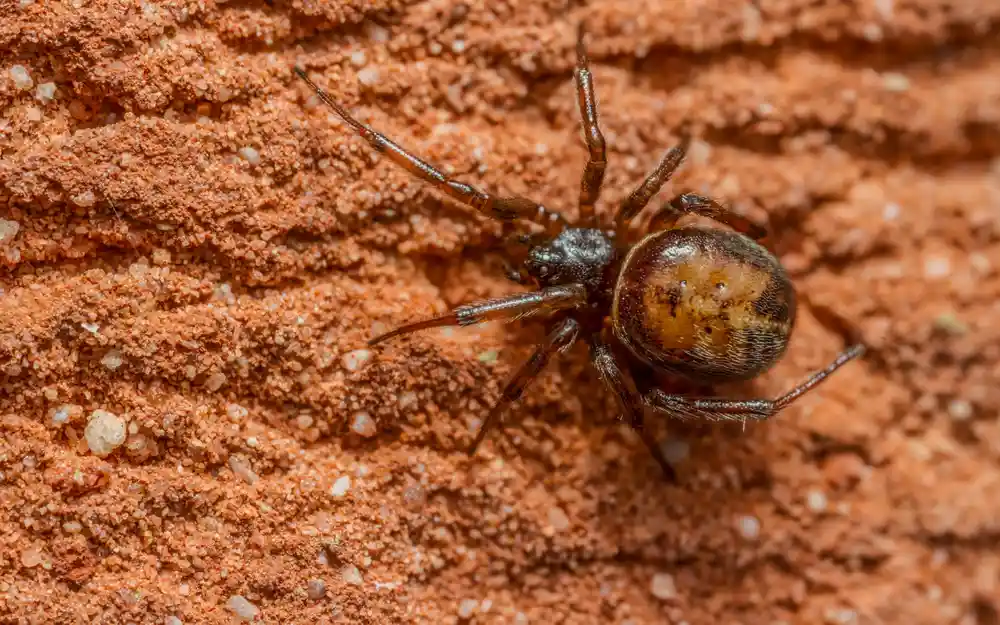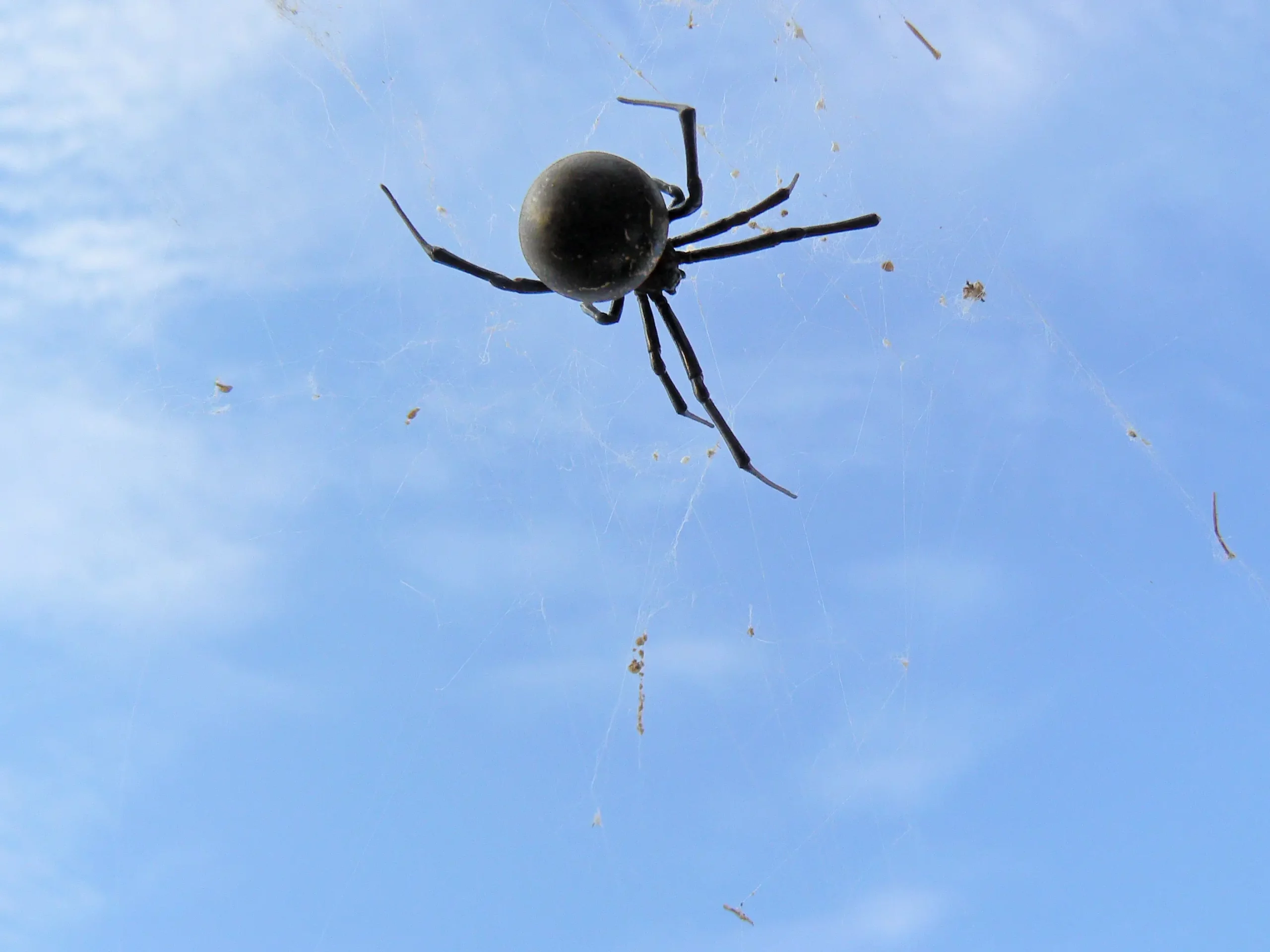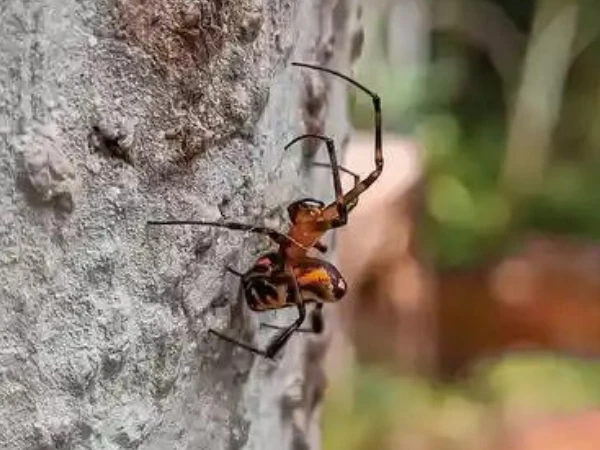


Pakistan has a vast array of landscapes. It is rich in natural wonders, which makes it a perfect thriving place for various wildlife including creepy crawlers. Yes, Pakistan has its fair share of spiders, from the common ones to the most dangerous. If you are planning to visit Pakistan, you have to make sure you equip yourself with knowledge and information about the possible spider species that you might encounter.

Spiders in Pakistan Identification Chart
| Common House Spiders | Banded Phintella (Phintella vittate) | Signature spider (Argiope anasuja) |
| Common Web-Spider (Neoscona theisi) | Black and Yellow Garden Spider (Argiope australis) | Tailed cellar spiders (Crossopriza lyon) |
| Two-striped jumper spiders (Telamonia dimidiata) | Spitting spider (Scytodes thoracica) | — |
| Giant Golden Silk Spiders (Nephila pilipes) | — | — |
 Mediterranean Recluse (Loxosceles rufescens) - Guess where the Mediterranean recluse spider comes from? That's right, the Mediterranean areas! Even though it started there, now you can find this spider all over the world.… Continue Reading >
 Brown Widow (Latrodectus geometricus) - The Brown Widow Spider is a cool spider that belongs to the cobweb spiders family. Some people know more about its cousin, the Black Widow, but the Brown Widow has its own interesting story.… Continue Reading >
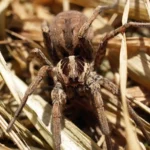 Hogna radiata - The Hogna radiata is a big spider that's part of the wolf spider family. If you're looking at spiders in Italy, this one's hard to miss because of how big it is and its cool looks.… Continue Reading >
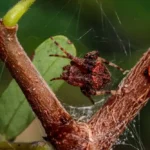 Spotted Orb Weaver (Neoscona crucifera) - The spotted orb weaver is a tiny spider that lives in places like Florida, Maine, Arizona, and Minnesota. Part of the orb weavers family, they usually roam at night.… Continue Reading >
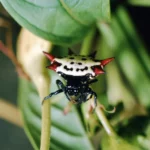 Spinybacked Orbweaver (Gasteracantha cancriformis) - Discover the spiny-backed orb-weaver, a fascinating spider from the orb-weaver family. Found mostly in the New World, these spiders are known for the unique, spine-like bumps on their back.… Continue Reading >
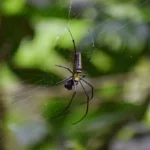 Giant Wood Spider (Nephila pilipes) - Meet the Nephila Pilipes! This golden orb-weaver spider calls many places home, from Asian countries like China and India to faraway Australia. It's one of the biggest orb-weaving spiders out there.… Continue Reading >
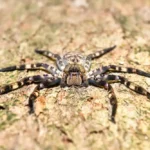 Dark Fishing (Dolomedes tenebrosus) - The Dark Fishing Spider is a special spider from the Pisauridae family. It looks a lot like the striped fishing spider. Here's something wild: after these spiders mate, the male often becomes a meal for the female!… Continue Reading >
© 2024 (Spider Identifications). All rights reserved. Reproduction in whole or in part without permission is prohibited.
Follow us on: