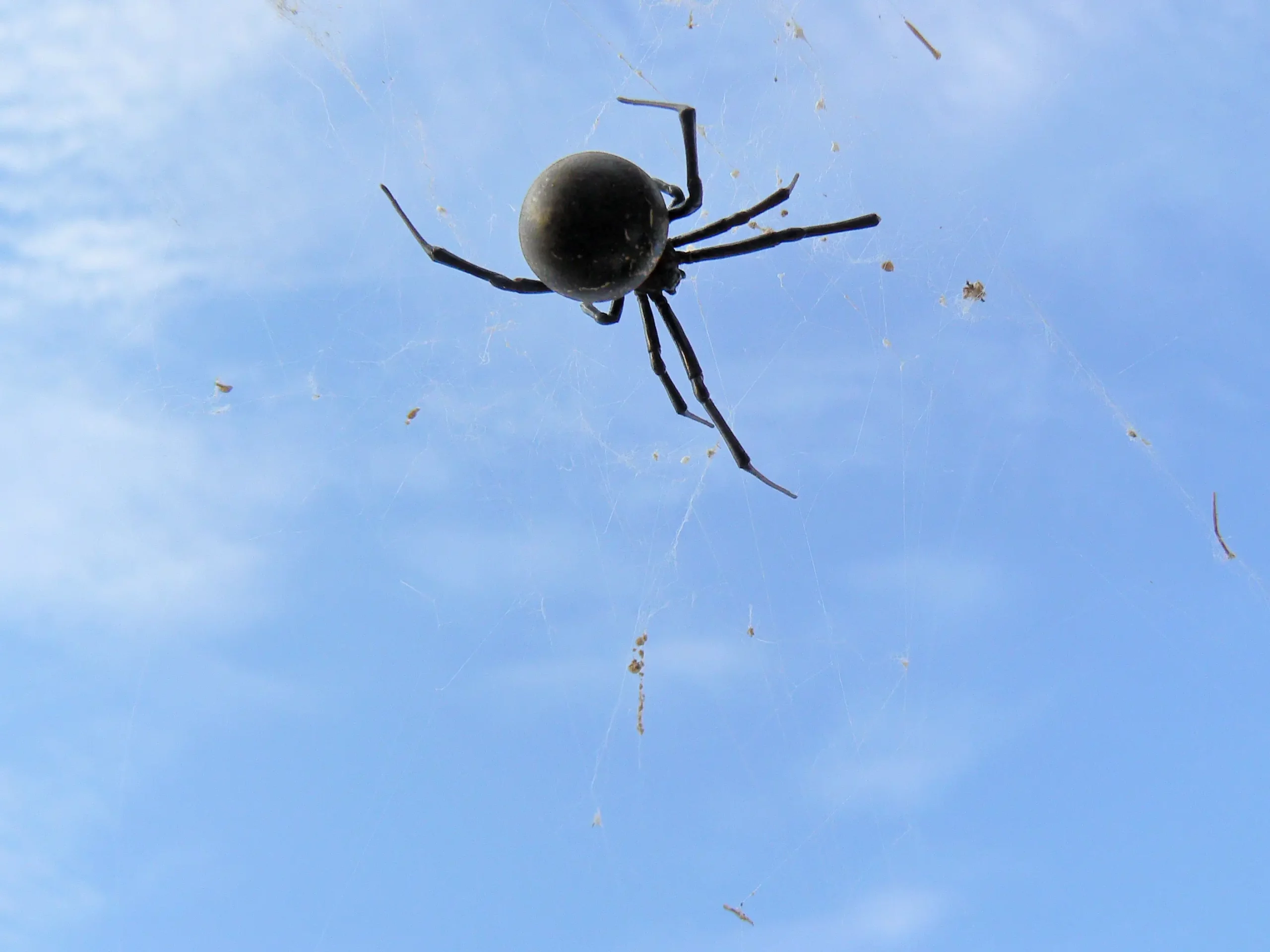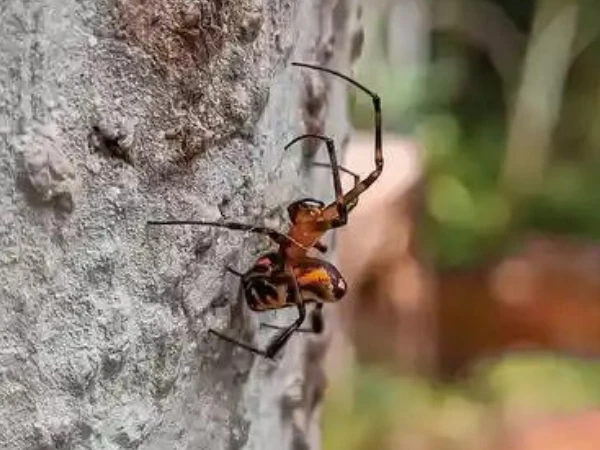


Spain is the only country in Europe to border in African nation. It is also known for its huge number of spiders and mind you some of them are dreadful species. Although the majority of spiders species you can find in Spain are harmless or non-venomous. In fact, some of them are stunningly attractive. Hence, it is of utmost importance to learn more about the different spider species you can find in Spain.

Spiders in Spain Identification Chart
| Cricket-bat Orb Weaver (Mangora acalypha) | Tropical Tent-web Spider (Cyrtophora citricola) | — |
| Mediterranean Tarantula (Loxosceles rufescens) | Mediterranean Spiny False Wolf Spider (Zoropsis spinimana) | Silver-sided Sector Spider (Zygiella x-notata) |
 Brown Recluse Spider (Loxosceles reclusa) - The brown recluse spider is a special spider found mostly in the central and southern parts of the U.S. It's part of a small group of spiders in North America known for having strong venom, along with the Chilean recluse and black widow.… Continue Reading >
 Mediterranean Recluse (Loxosceles rufescens) - Guess where the Mediterranean recluse spider comes from? That's right, the Mediterranean areas! Even though it started there, now you can find this spider all over the world.… Continue Reading >
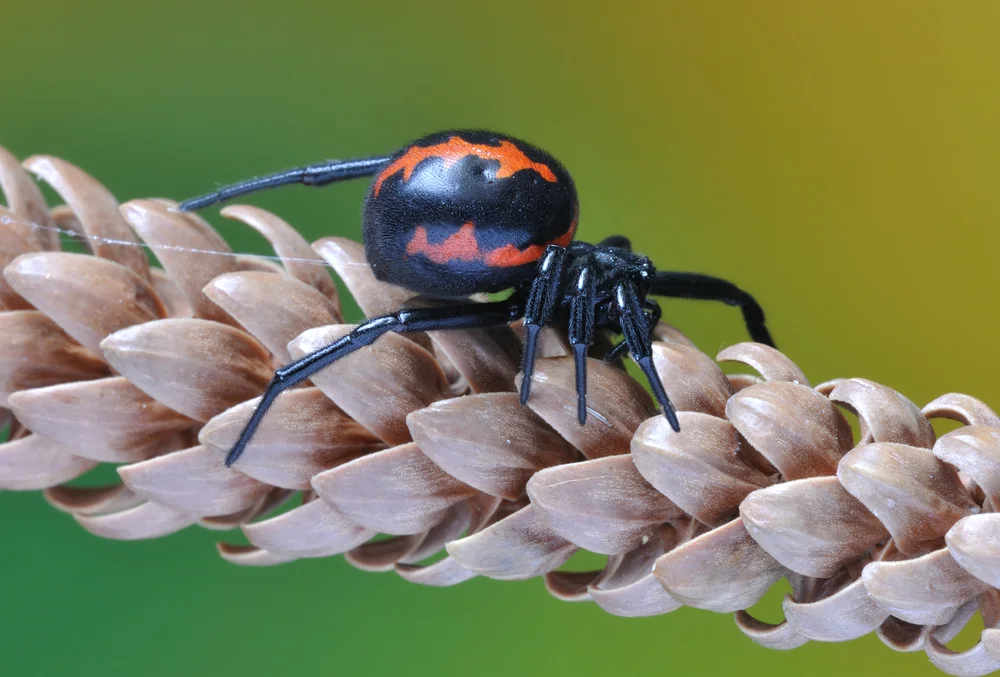
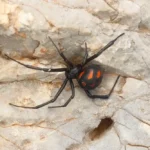 Widow (Latrodectus) - Meet the Latrodectus spiders, often known as true widows! They're part of the cobweb spider family. By July 2017, there were 31 types of them, living everywhere except Antarctica.… Continue Reading >
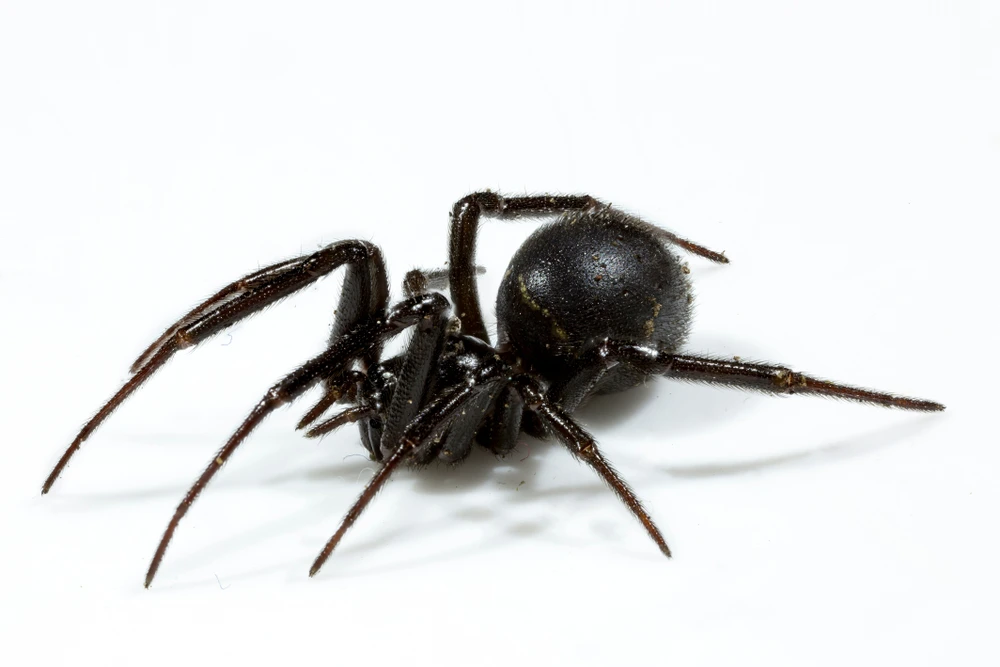
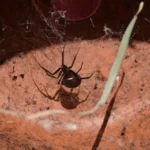 False Black Widow (Steatoda grossa) - The False Black Widow spider is part of the Steatoda genus and is frequently confused with the more dangerous Black Widow Spider. Known by various names, including 'cupboard spider' and 'brown house spider' in Australia, this species sometimes earns the label of a pest in certain areas.… Continue Reading >
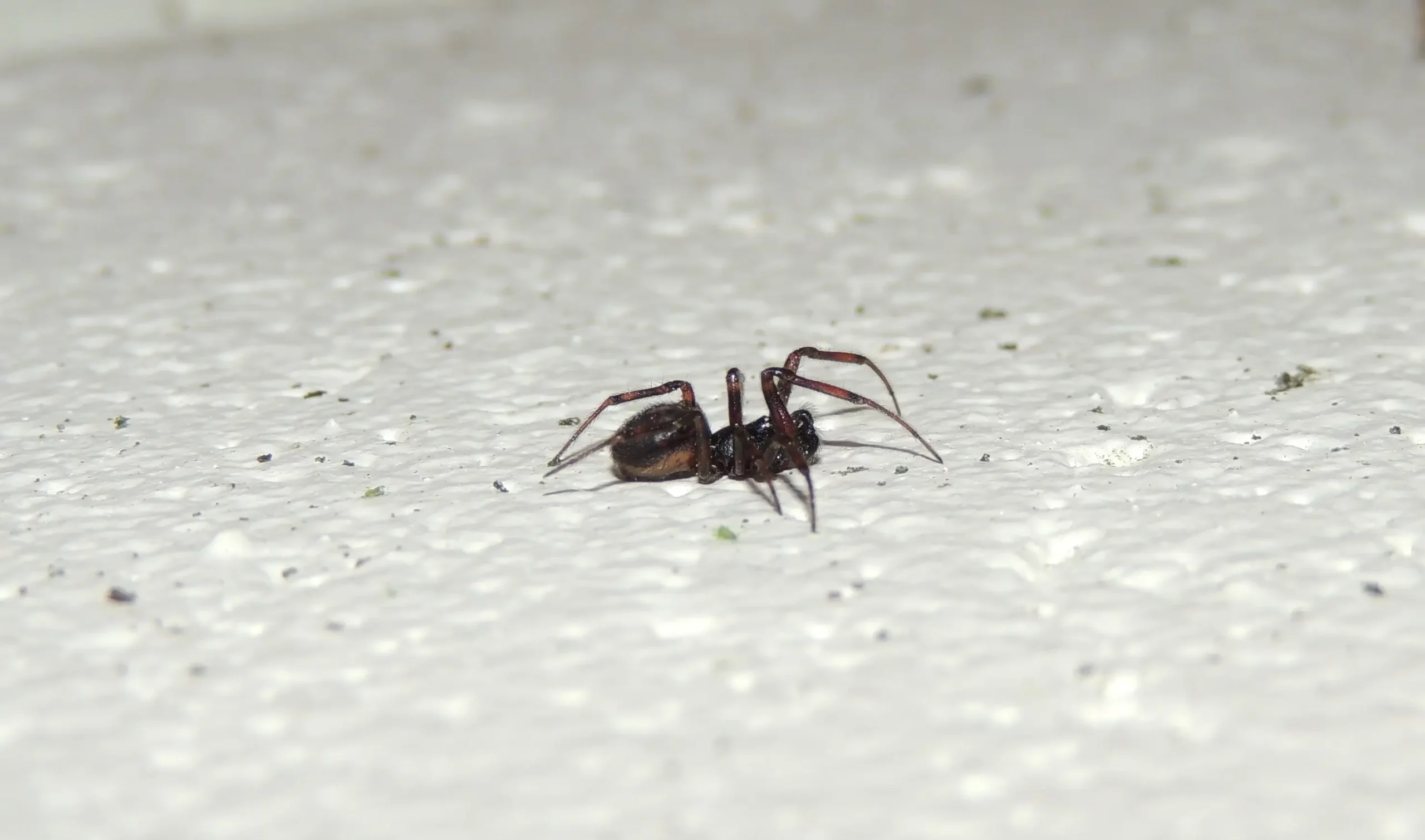
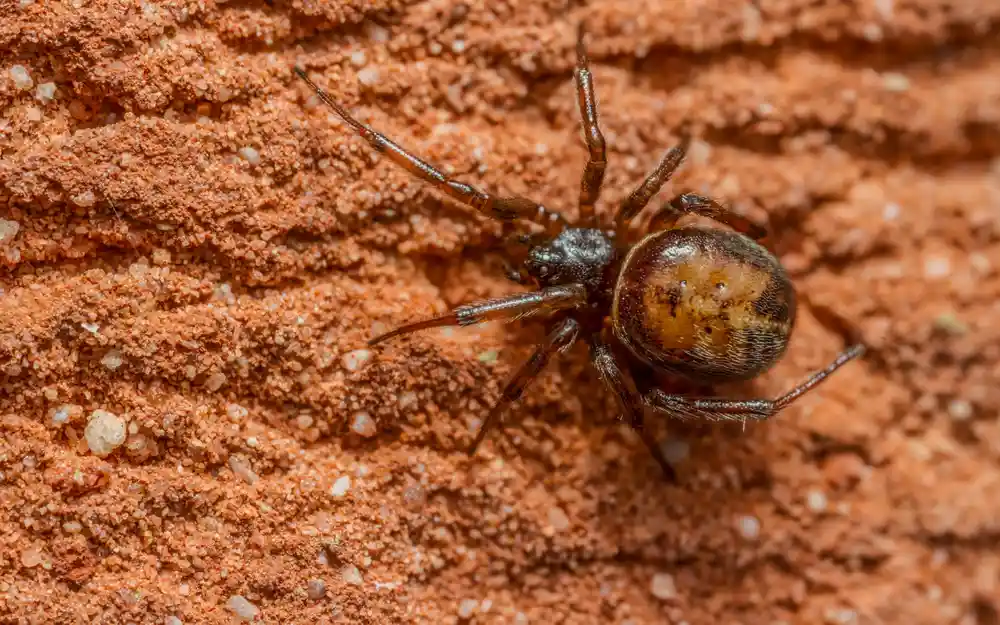
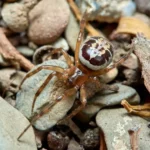 False Widow (Steatoda nobilis) - Ever heard of the False Widow spider? It's a dark-colored spider that looks a lot like the famous black widow spider. But guess what? They're actually pretty shy!… Continue Reading >
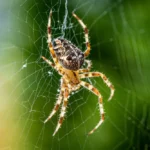 Cross Orb Weaver (Araneus diadematus) - Did you know the Cross Orb Weaver spider comes from Europe and North America? Their legs are super cool because they can spin special round webs.… Continue Reading >
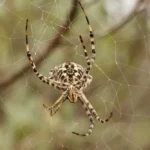 Lobed Argiope (Argiope lobata) - Discover the Argiope lobata, a fascinating orb weaver spider that makes its home across three continents. Here, you'll find intriguing facts and details about this widespread spider.… Continue Reading >
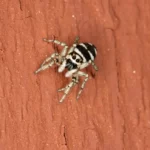 Zebra (Salticus scenicus) - Discover the fascinating world of the Zebra Spider, a creature from the northern hemisphere with stripes like a zebra. These lively spiders don't spin webs to catch their dinner.… Continue Reading >
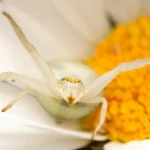 Goldenrod Crab (Misumena vatia) - Goldenrod Crab Spiders are super cool! They can change colors and hang out on flowers, waiting for their food. Instead of making big webs, they use silk for catching food or keeping their eggs safe.… Continue Reading >
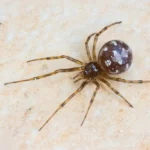 Triangulate Cobweb (Steatoda triangulosa) - Meet the triangulate cobweb spider from the Steatoda genus! Found in places like North America, New Zealand, and Europe, this little spider has a neat triangular pattern on its back.… Continue Reading >
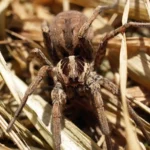 Hogna radiata - The Hogna radiata is a big spider that's part of the wolf spider family. If you're looking at spiders in Italy, this one's hard to miss because of how big it is and its cool looks.… Continue Reading >
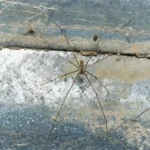 Marbled Cellar Spider (Holocnemus pluchei) - Meet the marbled cellar spider! Many call it the "daddy-long-legs" because of its long, thin legs. These cellar spiders love to hang out in homes, especially in attics and basements, making silky webs.… Continue Reading >
© 2024 (Spider Identifications). All rights reserved. Reproduction in whole or in part without permission is prohibited.
Follow us on: